The Ultimate Checklist for Buying Affordable Car Spares Online in Kenya

The automotive scene in Kenya is vibrant, fast-moving, and deeply demanding. Whether you are navigating the morning gridlock on Thika Road in a trusty Toyota Vitz, managing a fleet of commercial delivery vans down Mombasa Road, or taking a rugged Subaru Forester on weekend adventures upcountry, your vehicle faces intense operating conditions. Potholes, unpaved murram tracks, sudden speed bumps, and heavy urban stop-and-go traffic place immense strain on your car’s mechanical parts.

When components eventually wear out, vehicle owners face a familiar dilemma: finding replacement parts that balance affordability with uncompromised quality. Traditionally, this meant driving down to the chaotic open-air stalls of Kirinyaga Road or River Road, battling traffic, and haggling with roadside brokers. Today, however, a digital transformation is underway. More Kenyan motorists are discovering the immense convenience of sourcing components online.

Yet, buying car spares online requires more than just clicking “Add to Cart.” To help you secure the best deals without falling victim to counterfeits or incompatible parts, we have put together the ultimate buyer’s checklist.

Table of Contents

  1. The Shift to E-Commerce: Why Buying Spares Online Makes Sense in Kenya
  2. Checklist Item #1: Know Your Vehicle’s Exact Specifications (VIN and Engine Codes)
  3. Checklist Item #2: Verify Supplier Credibility and Sourcing Standards
  4. Checklist Item #3: Balance Cost and Quality (OEM vs. Certified Aftermarket)
  5. Checklist Item #4: Scrutinize Compatibility and Part Descriptions
  6. Checklist Item #5: Confirm Delivery Networks and Return Policies
  7. Why Kenyan Motorists Trust Taleon Spares Kenya for Online Purchases
  8. Conclusion: Drive Smarter with Safe Online Sourcing

1. The Shift to E-Commerce: Why Buying Spares Online Makes Sense in Kenya

The digital marketplace in Kenya has matured remarkably. From mobile money integration via M-Pesa to reliable logistics networks reaching every major town, buying products online is no longer a novelty—it is a lifestyle upgrade.

When applied to automotive maintenance, digital shopping offers distinct advantages over physical brick-and-mortar storefronts:

  • Time and Fuel Savings: Bypassing Nairobi traffic, parking fees, and hours spent walking through congested spare parts districts saves both time and money.
  • Transparent Comparison: Online storefronts allow you to review pricing, specifications, and alternative options side-by-side without pressure from aggressive salespeople.
  • Access to Specialized Catalogs: Digital platforms can host vast inventories that would take physical shops weeks to organize, making it easier to find model-specific components.

To make the most of this digital shift, you need a systematic approach. Let us walk through the ultimate checklist for buying affordable car spares online in Kenya.

2. Checklist Item #1: Know Your Vehicle’s Exact Specifications (VIN and Engine Codes)

The most common mistake online shoppers make is searching for parts based solely on broad names (e.g., “Toyota Fielder shock absorbers” or “Mazda Demio wheel hub”). Japanese and European vehicle manufacturers frequently introduce minor design updates across different production years, changing bolt patterns, sensor placements, and internal dimensions.

How to Check This Off Your List:

  • Locate Your Vehicle Identification Number (VIN): Also known as the chassis number, this 17-character code is found on your logbook, insurance papers, or stamped near the base of your windshield. It holds the exact blueprint of your car.
  • Identify Your Engine Code: Know whether your vehicle runs on a 1NZ-FE, 2ZR-FE, QR25, or FB20 engine.
  • Match Year and Generation: Ensure the online listing explicitly matches your car’s manufacturing year and body generation code (e.g., NZE141 vs. NZE161).

To explore model-specific categories tailored to these precise engineering requirements, browse through the comprehensive Taleon Spares Kenya Parts Collection.

3. Checklist Item #2: Verify Supplier Credibility and Sourcing Standards

The internet is open to anyone, meaning unverified online vendors and social media classifieds can sometimes market substandard or counterfeit components packaged in fake branded boxes.

How to Check This Off Your List:

  • Look for Physical Roots and Transparency: A credible online auto parts store is backed by a physical operational presence and transparent company background.
  • Check Customer Support Channels: Can you easily call a phone number, chat via WhatsApp, or email a support team for technical help?
  • Read Up on Industry Insights: Reliable sellers often maintain educational blogs to help car owners understand maintenance requirements and avoid common pitfalls.

For an inside look at how industry standards and customer commitments are maintained locally, read through the foundational principles outlined on the Taleon Spares Kenya Story Page.

4. Checklist Item #3: Balance Cost and Quality (OEM vs. Certified Aftermarket)

Affordability should never mean buying the absolute cheapest part on the market. In automotive care, ultra-low-priced components often use substandard metallurgy, weak rubber compounds, or fake filtration media that fail prematurely and destroy surrounding engine assemblies.

How to Check This Off Your List:

  • Evaluate OEM vs. Aftermarket: Decide whether your repair calls for a factory Original Equipment Manufacturer (OEM) part or a certified, high-tier aftermarket alternative from globally recognized brands (such as KYB, Denso, Bosch, or Brembo).
  • Beware of “Too Good to Be True” Pricing: If a branded set of heavy-duty shock absorbers or iridium spark plugs is priced at 60% below standard market value, exercise extreme caution.

When you want affordable pricing backed by guaranteed product integrity, explore the curated selections available directly at the Taleon Spares Kenya Shop.

5. Checklist Item #4: Scrutinize Compatibility and Part Descriptions

Before hitting checkout, read the product description with a fine-tooth comb. A reliable online auto parts store provides detailed technical specifications for every item.

How to Check This Off Your List:

  • Check Fitting Positions: Does the part specify whether it is for the Front Left (FL), Front Right (FR), or Rear axle? Suspension and braking components are rarely universal across sides.
  • Verify Included Accessories: Does a shock absorber listing include the top mount and coil spring, or is it bare? Knowing what is included prevents unexpected surprises at your mechanic’s garage.
  • Consult When in Doubt: If a listing leaves room for ambiguity, use the supplier’s direct contact channels to confirm compatibility before paying.

To stay updated on how to read part numbers and diagnose common automotive issues, regularly check out expert guides on the Taleon Spares Kenya Blog & News.
6. Checklist Item #5: Confirm Delivery Networks and Return Policies

When your car is sitting immobilized at a garage, shipping speed is everything. A great online purchase experience depends heavily on efficient logistics and flexible customer protection.

How to Check This Off Your List:

  • Nationwide Logistics: Ensure the supplier offers reliable delivery options—whether you need the part dispatched urgently to a garage in Westlands, Industrial Area, Karen, or shipped securely upcountry to Nakuru, Mombasa, Kisumu, or Eldoret.
  • Clear Return and Warranty Policies: Reputable auto spare dealers stand by their inventory. Confirm what happens if a part turns out to be incompatible due to a rare factory variation in your vehicle import.

7. Why Kenyan Motorists Trust Taleon Spares Kenya for Online Purchases

Navigating online auto parts shopping is effortless when you partner with a trusted industry leader. Taleon Spares Kenya was built from the ground up to solve the challenges of sourcing authentic, affordable, and durable auto spares in East Africa.

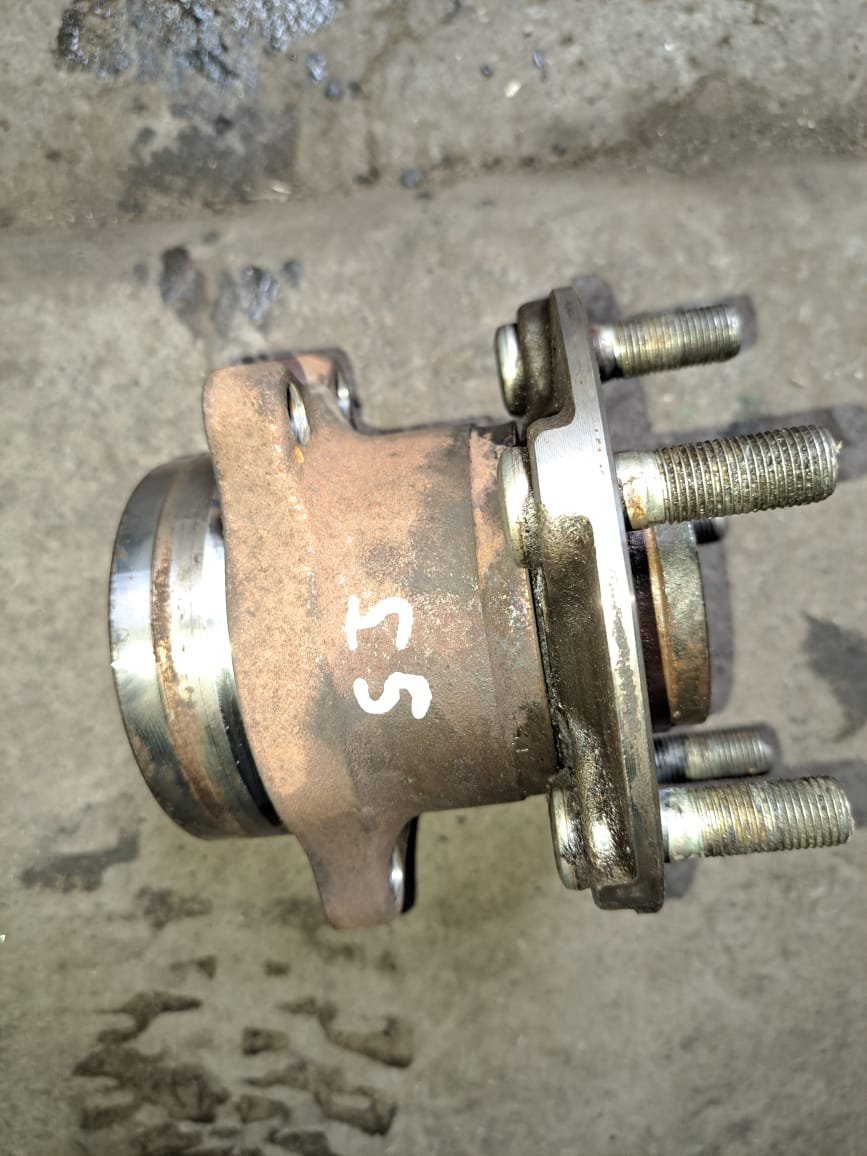
  • Rigorous Vetting: Every component—from steering racks and wheel hubs to brake discs and suspension struts—is inspected to ensure it handles Kenyan road conditions.
  • User-Friendly Digital Ecosystem: Finding and ordering your required component takes just a few clicks through an intuitive online catalog.
  • Dedicated Support: Professional customer service representatives are always ready to help you verify VIN compatibility and answer technical inquiries.

8. Conclusion: Drive Smarter with Safe Online Sourcing

Buying car spares online in Kenya is the smartest way to save time, avoid traffic hassles, and secure competitive pricing—provided you follow a structured checklist. By knowing your vehicle’s exact specifications, verifying supplier credibility, balancing cost with quality, and confirming delivery terms, you can maintain your car with absolute confidence.

Ready to experience seamless, affordable, and reliable online auto spare shopping? Take action today:

Top 5 Reliable Auto Spare Shops in Nairobi for Japanese & European Cars

Nairobi is the beating heart of East Africa’s automotive sector. Every single day, thousands of vehicles traverse the bustling highways, arterial roads, and rough neighborhood streets of the Kenyan capital. From the ubiquitous commuter matatus and dependable family hatchbacks to executive European sedans and high-performance all-wheel-drive crossovers, the diversity of cars on Kenyan roads is staggering.

Yet, owning a vehicle in Nairobi comes with a constant administrative and financial challenge: maintenance. Whether you are navigating the punishing potholes of Jogoo Road, enduring the notorious gridlock along Thika Road, or tackling upcountry murram tracks during the rainy season, your car takes a relentless beating. When a component eventually wears out—be it a suspension arm, a brake rotor, a fuel filter, or a complex electronic sensor—finding a reliable auto spare shop can mean the difference between a minor repair and a recurring mechanical nightmare.

The Kenyan capital is packed with auto spare outlets, stretching from the legendary strips of Kirinyaga Road and River Road to industrial parks and digital storefronts. However, the market is also fraught with challenges: inconsistent quality, unverified counterfeit replicas, and erratic pricing.

If you want to keep your vehicle running at peak performance without second-guessing your mechanics or wasting your hard-earned cash, you need to know where to look. In this comprehensive guide, we explore the landscape of auto spare shopping in Nairobi, highlight what makes a provider truly reliable, and examine the top options available for owners of both Japanese and European vehicles—led by trusted digital-first innovators like Taleon Spares Kenya.

Table of Contents

  1. The Automotive Landscape of Nairobi: Japanese Dominance Meets European Luxury
  2. The Hidden Pitfalls of Traditional Spare Parts Shopping in Nairobi
  3. What Makes an Auto Spare Shop “Reliable”? Key Criteria
  4. Top 5 Reliable Auto Spare Destinations in Nairobi
  5. Japanese vs. European Cars: Sourcing Parts for Different Engineering Philosophies
  6. Why Digital-First Auto Spares Are Transforming Kenyan Motoring
  7. Conclusion: Make the Smart Choice for Your Vehicle Today

1. The Automotive Landscape of Nairobi: Japanese Dominance Meets European Luxury

To understand the spare parts market in Nairobi, one must first look at the unique fleet composition of the country. Kenya’s motor vehicle registry is heavily anchored on Japanese imports. Brands like Toyota (Vitz, Corolla, Axio, Fielder, RAV4, Land Cruiser), Nissan (Note, X-Trail, Dualis), Mazda (Demio, CX-5), Subaru (Forester, Impreza, Outback), and Honda dominate the residential estates, commercial taxi fleets, and government motor pools.

At the same time, Nairobi boasts a thriving and rapidly growing population of European vehicles. Discerning motorists, corporate executives, and driving enthusiasts favor German and British engineering masterpieces such as Volkswagen, BMW, Mercedes-Benz, Audi, and Land Rover.

While these vehicles offer superior comfort, high-speed stability, and cutting-edge technology, they have vastly different maintenance DNA:

  • Japanese Cars: Known for mechanical resilience, forgiving tolerances, and an abundant supply of both OEM and aftermarket parts. However, the sheer popularity of Japanese cars makes them prime targets for low-grade counterfeit filters and suspension components.
  • European Cars: Characterized by complex electronic architectures, tight manufacturing tolerances, and specialized metallurgical requirements. They demand precision-engineered OEM or certified high-tier aftermarket parts (such as Bosch, Brembo, or Lemförder); installing cheap, unverified parts in a European car often triggers immediate dashboard error codes and catastrophic system failures.

Navigating this diverse ecosystem requires knowing which suppliers have the inventory depth and technical expertise to handle both automotive worlds. You can dive deeper into how automotive standards are maintained by visiting the Taleon Spares Kenya Blog & News.

2. The Hidden Pitfalls of Traditional Spare Parts Shopping in Nairobi

For decades, buying car spares in Nairobi meant driving down to the chaotic open-air markets of Kirinyaga Road or River Road. While these physical districts have a certain romantic hustle, they come with significant hazards for the average vehicle owner:

  • The Counterfeit Minefield: Unregulated grey-market imports frequently flood physical stalls. Counterfeiters package low-grade steel, compressed cardboard brake friction material, and non-filtering paper elements in boxes that look identical to genuine global brands.
  • Aggressive Brokerage and Markup Chains: When you walk into a roadside shop without deep technical knowledge, you run the risk of dealing with middlemen (“brokers”) who inflate prices arbitrarily or push inferior stock to secure a higher cash commission.
  • Traffic, Parking Nightmares, and Wasted Time: Spending two hours navigating CBD gridlocks, paying exorbitant parking fees, and walking from stall to stall in the scorching sun just to find a simple water pump or thermostat is an exhausting ordeal.
  • Inconsistent Return Policies: In many traditional open-air shops, once you pay and walk out the door, returning an incompatible part due to a minor year-model variation becomes an uphill battle.

Recognizing these friction points, modern Kenyan motorists are pivoting toward structured, transparent, and digitally integrated suppliers.

3. What Makes an Auto Spare Shop “Reliable”? Key Criteria

Before listing the top destinations, let us establish what defines true reliability in the Kenyan auto spares sector. A reputable shop must check the following boxes:

  1. Guaranteed Authenticity: Direct, traceable sourcing from certified global manufacturers and authorized international distributors, eliminating counterfeits completely.
  2. Comprehensive Inventory Depth: Stocking parts that cater specifically to local operating conditions—heavy-duty shock absorbers for potholes, high-efficiency oil filters for dusty murram roads, and specialized sensors for complex fuel injection systems.
  3. Transparent Pricing: Clear, consistent pricing models free from arbitrary markups or hidden broker fees.
  4. Technical Expertise & Support: Knowledgeable staff who can interpret engine codes, verify chassis numbers (VIN), and match exact parts to vehicle specifications.
  5. Efficient Logistics and Delivery: Providing fast doorstep delivery, whether you need parts rushed directly to a mechanic’s garage in Westlands, Industrial Area, Karen, or dispatched safely upcountry to Nakuru, Mombasa, or Kisumu.

4. Top Reliable Auto Spare Destinations in Nairobi

Based on market reputation, customer satisfaction, inventory quality, and adaptability to modern motoring needs, here are the top reliable auto spare destinations in Nairobi.

1. Taleon Spares Kenya: The Gold Standard for Digital Convenience and Verified Quality

At the forefront of modern automotive maintenance in East Africa is Taleon Spares Kenya. Moving away from the stress of traditional brick-and-mortar storefronts, Taleon Spares Kenya has redefined how vehicle owners and mechanics source components by blending e-commerce efficiency with rigorous quality assurance.

  • Why It Ranks at the Top: Taleon Spares Kenya eliminates the guesswork of part-hunting. Every component in their inventory undergoes strict vetting to ensure it meets international quality standards and can withstand the punishing reality of Kenyan roads.
  • Specialization: Comprehensive coverage spanning routine service parts (filters, spark plugs, brake pads) to structural suspension components for popular Japanese models (Toyota, Subaru, Nissan, Mazda) as well as European variants.
  • Seamless Digital Experience: Through their user-friendly digital catalog—accessible directly at the Taleon Spares Kenya Shop—customers can browse, compare, and order parts online without ever stepping foot in city traffic.
  • Tailored Inventory: To explore model-specific components curated specifically for local driving conditions, motorists frequently utilize the Taleon Spares Kenya Parts Collection.
  • Customer Trust and Transparency: Built on a foundation of integrity and customer-centric support (detailed further on the Taleon Spares Kenya Story Page), they provide reliable guidance, clear pricing, and prompt delivery right to your doorstep or mechanic’s garage.

2. Kirinyaga Road Specialized Dealers: The Traditional Hub

For motorists who prefer physical, brick-and-mortar browsing, Kirinyaga Road remains the historic capital of retail auto spares in Nairobi.

  • The Experience: Stretching from downtown towards Ngara, this strip houses hundreds of specialty shops side-by-side.
  • Strengths: Excellent for immediate tactile inspection of parts, finding rare body panels, or sourcing specialized used scrap components (mitumba) for older vehicle models.
  • Best Practice: To succeed on Kirinyaga Road, you must walk in with deep technical knowledge, exact part numbers, or your old worn-out part in hand for a side-by-side comparison. Always demand an official receipt and verify that you are not buying an unbranded imitation packaged in a fake box.

3. Industrial Area Commercial Distributors: Heavy-Duty and Fleet Solutions

If you manage a corporate commercial fleet, heavy-duty trucks, matatu saccos, or light commercial vans, Nairobi’s Industrial Area is your go-to district.

  • The Experience: More warehouse-oriented and structured compared to retail strips, Industrial Area houses major industrial distributors and bulk importers.
  • Strengths: Unmatched availability of heavy-duty suspension kits, industrial lubricants, heavy commercial brake assemblies, and bulk filtration units.
  • Best Practice: Industrial Area suppliers generally cater to B2B clients and volume buyers, making it an ideal destination for commercial operators looking to source parts wholesale.

4. Authorized Franchise Dealerships: Factory-Direct Precision

For brand-new vehicle owners or corporate executives driving latest-generation European and Japanese models under warranty, authorized franchise dealerships (such as Toyota Kenya/CFAO Motors, Simba Corporation, DT Dobie, and RMA) represent the ultimate source for genuine factory parts.

  • Strengths: Absolute guarantee of 100% genuine OEM factory parts, exact electronic calibration, and preservation of manufacturer warranties.
  • Considerations: Dealership parts carry a steep corporate price markup, and specialized parts for imported second-hand models (direct Japanese imports not officially stocked by local franchises) may require extended waiting periods for overseas shipping.

5. Trusted Online Marketplaces and Specialized Importers

The digital era has given rise to specialized online auto parts importers and digital directories that connect Kenyan buyers directly with verified overseas stockists in Dubai, Japan, and the UK.

  • Strengths: Useful for tracking down extremely rare electronic control units (ECUs), specialized turbochargers, or niche European performance parts not readily available on local shelves.
  • Considerations: Buyers must factor in shipping timelines, customs clearance fees, and the risk of transit delays if a part is urgently needed. For fast, reliable local fulfillment, most drivers prefer domestic digital specialists like Taleon Spares Kenya.

5. Japanese vs. European Cars: Sourcing Parts for Different Engineering Philosophies

When choosing where to buy your spares, it is vital to respect the engineering differences between Japanese and European vehicles:

Sourcing for Japanese Cars (Toyota, Subaru, Nissan, Mazda)

Japanese cars are celebrated for their mechanical forgiveness and adaptability. While they can run on a wider variety of aftermarket parts, quality still matters.

  • Crucial Focus: Always invest in high-grade rubber bushes, heavy-duty shock absorbers (such as KYB), and genuine ignition components (like Denso or NGK spark plugs). Avoid ultra-cheap counterfeit filters that fail to protect your engine from abrasive dust.

Sourcing for European Cars (BMW, Mercedes, VW, Audi)

European vehicles rely heavily on precision sensors, complex computer modules, and high-performance braking systems.

  • Crucial Focus: Never gamble on cheap “universal” aftermarket parts for a European car. Always source certified OEM or tier-one aftermarket brands (such as Bosch for electronics, Brembo for brakes, and Lemförder for suspension). A reliable supplier like the Taleon Spares Kenya Shop ensures you get components engineered to match exact European factory tolerances.

6. Why Digital-First Auto Spares Are Transforming Kenyan Motoring

The rapid adoption of digital spare parts platforms in Kenya is not a passing trend; it is a necessary evolution driven by consumer demand for efficiency, transparency, and trust.

  • Bypassing Traffic and Brokers: Ordering online means you do not have to spend hours fighting Nairobi traffic or negotiating with aggressive roadside brokers.
  • Informed Decision-Making: Digital catalogs allow you to review specifications, check compatibility, and compare options comfortably from your office or home.
  • Reliable Doorstep Logistics: Whether your mechanic is based in Karen, Westlands, Kilimani, or you are dispatching parts upcountry, professional digital suppliers ensure prompt, safe delivery.

To stay updated on the latest shifts in automotive technology and maintenance tips tailored for East African roads, vehicle owners regularly read expert insights on the Taleon Spares Kenya Blog & News.
7. Conclusion: Conclusion: Make the Smart Choice for Your Vehicle Today

Your car is one of the most valuable investments you will make. It powers your daily hustle, takes your family safely to school, and grants you the freedom to explore Kenya’s stunning landscapes. Entrusting its care to unverified roadside vendors or low-grade counterfeit spares is a gamble that always results in frustration, recurring repair bills, and compromised safety.

Whether you choose traditional physical markets or modern digital platforms, prioritizing quality, transparency, and supplier reliability is your ultimate safeguard. For a seamless, trustworthy shopping experience backed by rigorous quality control and expert support, discerning motorists across Kenya turn to Taleon Spares Kenya.

Ready to find certified, high-performance parts for your Japanese or European vehicle? Take action today:

OEM vs. Aftermarket Car Parts: Which is Best for Kenyan Roads?

Every single day across Kenya, thousands of motorists navigate a demanding driving landscape. Whether you are battling the legendary morning gridlock along Thika Road in a trusty Toyota Vitz, cruising down Mombasa Road in a sleek European sedan, or tackling rugged upcountry terrain in a heavy-duty Subaru Forester, your vehicle is subjected to relentless punishment. From sudden potholes and severe speed bumps to red dust and uneven unpaved surfaces, Kenyan roads are notoriously unforgiving on mechanical components.

When something inevitably wears out—be it a suspension arm, a brake pad, or a water pump—car owners reach a critical crossroads at the mechanic’s workshop. You are faced with a classic debate that has sparked countless discussions across garages in Nairobi: Should you buy Original Equipment Manufacturer (OEM) parts, or is a certified aftermarket alternative better suited for your car?

Making the wrong choice can lead to premature mechanical failure, wasted repair budgets, and compromised safety. To help you make an informed decision tailored specifically to East African driving conditions, this comprehensive guide breaks down the true differences between OEM and aftermarket car parts, how they perform on Kenyan roads, and where you can source reliable, high-grade components through trusted platforms like Taleon Spares Kenya.

Table of Contents

  1. Decoding the Jargon: What Are OEM and Aftermarket Parts?
  2. The Ultimate Test: How Kenyan Roads Punish Car Parts
  3. OEM Car Parts: The Factory-Approved Standard
  4. Aftermarket Car Parts: Variety, Innovation, and Value
  5. Head-to-Head Comparison: Cost, Durability, and Performance
  6. The “Mitumba” Dilemma: Where Used Japanese Parts Fit In
  7. Making the Right Choice: Which Parts Require OEM vs. Aftermarket?
  8. Sourcing Safely: Why Quality Control Matters at Taleon Spares Kenya
  9. Conclusion: Protecting Your Investment on Kenyan Asphalt

1. Decoding the Jargon: What Are OEM and Aftermarket Parts?

Before diving into performance metrics on local roads, it is essential to establish a clear technical baseline regarding what these terms actually mean.

  • OEM (Original Equipment Manufacturer) Parts: These are components built by the exact company that manufactured your vehicle (such as Toyota, Nissan, Mazda, Subaru, or Volkswagen), or built by a contracted factory supplier that produces the parts to exact factory blueprints. When you open an OEM box, the part usually bears the carmaker’s official logo and carries strict factory guarantees.
  • Aftermarket Parts: These are produced by third-party manufacturing companies independent of the original vehicle maker. While some aftermarket manufacturers produce cheap, unbranded generic items, many top-tier global brands (such as KYB, Denso, Bosch, Brembo, and Aisin) engineer aftermarket parts that match or even exceed original factory specifications.

Navigating these choices can be daunting, but understanding their practical implications ensures you never buy blindly. For continuous insights into local vehicle maintenance trends, drivers frequently reference the educational guides on the Taleon Spares Kenya Blog & News.
2. The Ultimate Test: How Kenyan Roads Punish Car Parts

An automotive part designed for smooth, pristine European autobahns or American interstate highways does not always experience the same lifespan when dropped into a vehicle operating in East Africa. Kenyan motorists deal with distinct environmental and infrastructural realities:

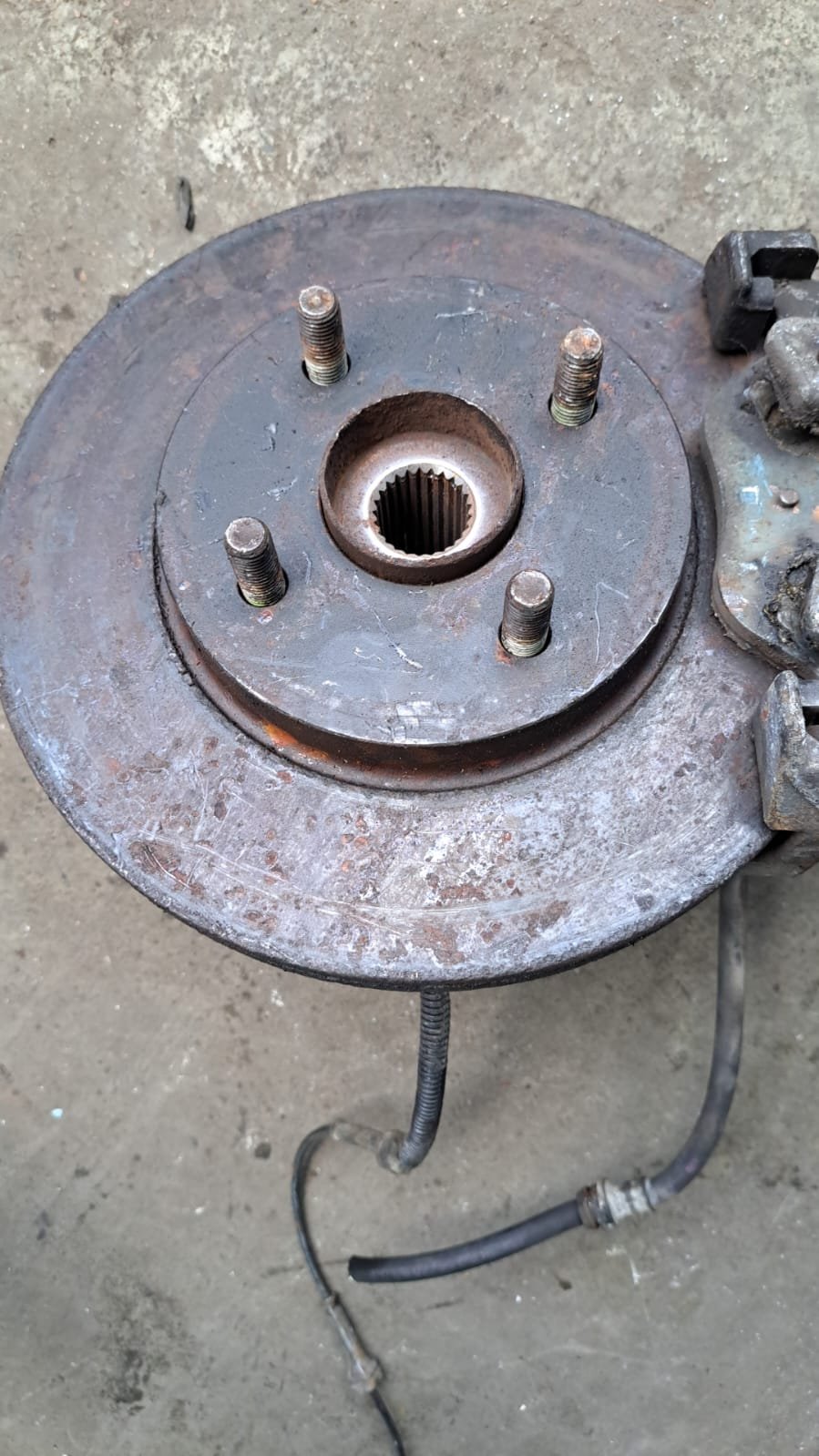
  • Aggressive Potholes and Crater Zones: Unavoidable deep potholes exert extreme shear stress on control arms, ball joints, shock absorbers, and wheel bearings.
  • Massive Speed Bumps: Unmarked, poorly engineered speed bumps put sudden, brutal compressive shocks on front-end suspension assemblies.
  • Dust and Particulate Matter: Fine red dust and murram particles penetrate poorly sealed engine bays, choking low-quality air filters and wearing down cylinder rings prematurely.
  • Stop-and-Go Urban Traffic: Constant idling and heavy braking in Nairobi traffic cycles heat up braking systems and strain transmission fluids.

Because of these punishing factors, durability and material integrity are paramount when selecting replacement components from any comprehensive Taleon Spares Kenya Parts Collection.

3. OEM Car Parts: The Factory-Approved Standard

OEM parts represent the path of least resistance when your car needs a fix. They are engineered specifically for your exact vehicle make, model, and year of manufacture.

The Pros of OEM Parts:

  • Guaranteed Precision Fit: Because they are exact replicas of the factory original, OEM components slide, bolt, or plug into place seamlessly without requiring modification or forceful adjustments by your mechanic.
  • Uncompromised Quality Assurance: You receive the exact metallurgical composition and material grading specified by the vehicle manufacturer.
  • Warranty Protection: Installing genuine OEM parts often preserves factory warranties, making them ideal for newer or imported franchise vehicles.
  • Resale Value: Maintaining a service history filled with genuine OEM replacements boosts buyer confidence if you decide to resell your vehicle.

The Cons of OEM Parts:

  • Higher Cost: You pay a distinct premium for the brand packaging and guaranteed dealership specifications.
  • Limited Availability for Older Models: Finding brand new OEM parts for older, discontinued vehicle imports can occasionally involve frustrating importation delays.

4. Aftermarket Car Parts: Variety, Innovation, and Value

The aftermarket sector is vast, accounting for the majority of routine automotive maintenance parts sold globally and across Kenya. However, aftermarket parts are not a monolith; they range from cheap, unbranded budget replicas to world-class engineering marvels.

The Pros of High-Grade Aftermarket Parts:

  • Exceptional Cost-Savings: High-tier aftermarket parts offer comparable durability to OEM options at a significantly lower financial investment.
  • Upgraded Performance: Many aftermarket manufacturers actively improve upon factory flaws. For instance, an aftermarket heavy-duty shock absorber might feature reinforced valving specifically designed to withstand rough road conditions better than the factory original.
  • Vast Availability: Because multiple independent brands produce them, finding common replacement parts in Nairobi is fast and straightforward.

The Cons of Aftermarket Parts:

  • The Quality Minefield: The aftermarket space is heavily saturated with cheap, low-grade counterfeit items that fail within weeks. Knowing which independent brands to trust is critical.
  • Inconsistent Fitment: Poorly manufactured budget aftermarket parts may require minor modifications by your mechanic during installation.

To bypass the risks associated with unverified aftermarket goods, many savvy car owners source their components directly through the verified inventory at the Taleon Spares Kenya Shop.

5. Head-to-Head Comparison: Cost, Durability, and Performance

To determine which option wins for Kenyan roads, let us evaluate OEM and quality aftermarket parts across three critical pillars:

  • Pricing and Value:
    • OEM: Expensive due to branded dealership markups.
    • Aftermarket: Highly competitive, giving motorists maximum value for money when choosing reputable global brands.
  • Durability under Potholes:
    • OEM: Standard factory durability, optimized for general global conditions.
    • Aftermarket: Premium aftermarket brands often utilize heavy-duty reinforced steel or upgraded rubber compounds that frequently outperform standard factory parts on rough Kenyan roads.
  • Ease of Sourcing in Nairobi:
    • OEM: Can require specialized orders or visits to designated franchise distributors.
    • Aftermarket: Readily accessible across professional suppliers and digital platforms.

6. The “Mitumba” Dilemma: Where Used Japanese Parts Fit In

In the Kenyan auto market, any discussion about spare parts must address used Japanese scrap imports, commonly known locally as mitumba spares found in yards across Nairobi.

  • The Appeal: They are genuine OEM parts stripped from de-registered vehicles overseas, making them surprisingly affordable for complex electronic control units (ECUs), rare body panels, or intricate gearbox assemblies.
  • The Hidden Trap: Buying used mechanical wear-and-tear parts (such as brake calipers, suspension bushes, or water pumps) is a major gamble because their internal lifespan is already heavily depleted. Whenever possible, safety-critical parts should be purchased brand new—either OEM or certified aftermarket.

To understand how industry leaders vet their inventory for safety and longevity, you can read more about company standards on the Taleon Spares Kenya Story Page.

7. Making the Right Choice: Which Parts Require OEM vs. Aftermarket?

You do not need to stick rigidly to one category for your entire car. A smart maintenance strategy mixes OEM and premium aftermarket parts depending on the specific vehicle system:

  • When to Choose OEM: Critical electronic sensors, complex wiring harnesses, specialized engine gaskets, and specific body panels where exact fitment is non-negotiable.
  • When to Choose Quality Aftermarket: Routine service consumables (oil filters, air filters, cabin filters), braking components (pads and rotors from trusted global makers like Brembo or Bosch), and heavy-duty suspension kits (such as KYB shock absorbers built to handle rough terrain).

8. Sourcing Safely: Why Quality Control Matters at Taleon Spares Kenya

The debate between OEM and aftermarket ultimately boils down to supplier trustworthiness. A high-grade aftermarket part from a reputable global manufacturer will always outperform a cheap, unbranded imitation sold as “OEM.”

This is where specialized providers bridge the gap for Kenyan motorists. By establishing rigorous quality checks and vetting every manufacturer in their inventory, companies like Taleon Spares Kenya ensure that vehicle owners receive components engineered for endurance, safety, and peak performance on local roads.

9. Conclusion: Protecting Your Investment on Kenyan Asphalt

Maintaining a vehicle in Kenya requires smart financial planning and a commitment to quality. Whether you prefer the absolute factory peace-of-mind offered by OEM parts or the cost-effective, high-performance engineering found in top-tier aftermarket components, avoiding substandard counterfeits is your ultimate priority.

By balancing your budget, understanding your car’s exact mechanical needs, and partnering with verified suppliers, you can keep your vehicle running smoothly through every pothole and highway cruise.

Ready to find the perfect parts for your car model? Explore verified options today:

How to Spot Counterfeit Auto Spares in Kenya Before You Buy

Walking down the bustling alleyways of Nairobi’s famous spare parts districts—or browsing digital classifieds online—can easily overwhelm any car owner. Whether you are driving a dependable Toyota Corolla for your daily taxi hustle, a heavy-duty Subaru Forester tackling weekend upcountry trips, or managing a commercial delivery fleet across Mombasa Road, one constant remains: keeping your vehicle on the road requires regular replacement parts.

Unfortunately, the Kenyan auto spares market has a dark side. A massive influx of counterfeit, recycled, and substandard automotive components has flooded the supply chain. These fake parts mimic genuine packaging, tricking unsuspecting motorists and even experienced mechanics. Buying a fake part might save you a few hundred shillings today, but it can easily cost you an engine, compromise your braking system, or worse, endanger your life and the lives of your loved ones.

How can you protect yourself? How do you separate authentic engineering from cheap, hazardous counterfeits before parting with your hard-earned cash? This comprehensive guide dives deep into the art and science of spotting counterfeit auto spares in Kenya.


Table of Contents


1. The Alarming Scale of Counterfeit Auto Spares in Kenya

Kenya’s automotive sector is vibrant, fast-paced, and heavily reliant on imported vehicles—predominantly Japanese used imports alongside a growing number of European and Asian models. Because maintaining imported vehicles can be expensive, a massive market for affordable replacement parts has thrived.

Regrettably, opportunistic counterfeiters exploit this demand. Global manufacturing syndicates ship containers filled with unbranded, low-grade auto components into East Africa, where local brokers package them in meticulously copied brand boxes—complete with holographic seals, barcodes, and serial numbers that look convincing at first glance.

According to various trade and anti-counterfeit oversight bodies in Kenya, a staggering percentage of fast-moving consumer car parts circulating in informal open-air markets are either counterfeit or substandard recycled scrap. Navigating this environment safely requires vigilance, technical awareness, and a commitment to sourcing from trusted specialists such as those curated at the Taleon Spares Kenya Shop.

2. Why Counterfeits Are Dangerous: More Than Just Lost Money

Many motorists view buying a cheap spare part as a clever financial shortcut. If a genuine oil filter costs Ksh 1,500 and a counterfeit alternative costs Ksh 400, it feels like a smart bargain—until things go wrong.

The True Cost of Counterfeit Parts:

  • Catastrophic Engine Failure: Counterfeit oil and fuel filters lack proper micro-filtration media. Instead of trapping metallic debris, carbon deposits, and sludge, fake filters either disintegrate inside your engine or allow abrasive particles to circulate freely. Within thousands of kilometers, cylinder walls score, oil pumps seize, and your engine experiences total destruction.
  • Brake System Failure: Imagine barreling down Waiyaki Way at 100 km/h and needing to brake suddenly. Counterfeit brake pads are frequently manufactured using compressed cardboard, low-grade resin, or recycled scrap metal. Under high frictional heat, these pads glaze over, crumble, or lose stopping power entirely, turning a minor traffic incident into a fatal collision.
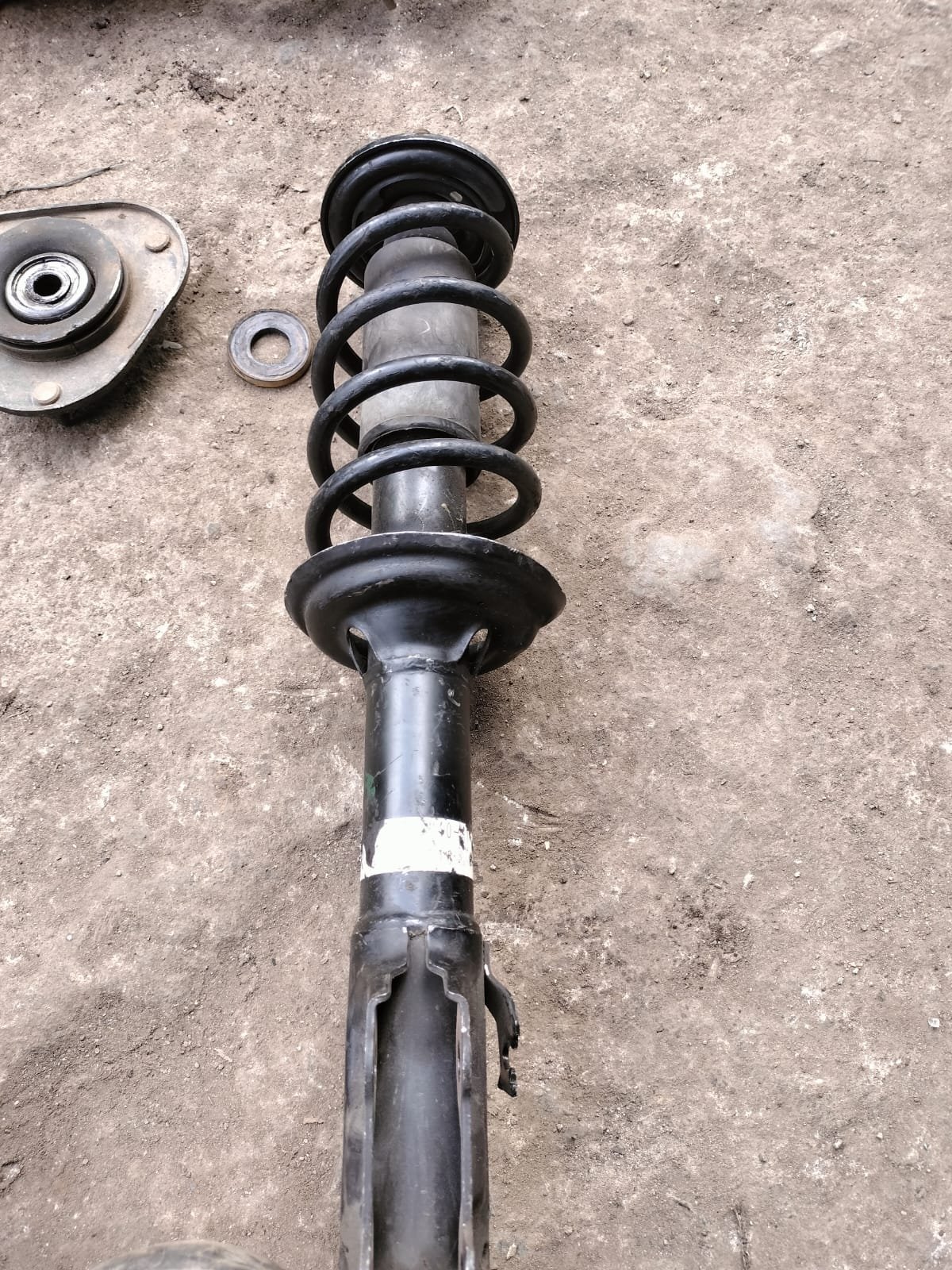
  • Suspension Collapse: Counterfeit control arms, ball joints, and shock absorbers cannot handle the rigorous punishment of Kenyan potholes, speed bumps, and unpaved upcountry roads. A snapped ball joint at high speed causes the wheel to lock or detach, resulting in an immediate, violent loss of vehicle control.
  • Electrical Fires: Fake spark plugs, ignition coils, and wiring harnesses often lack proper thermal insulation and electrical resistance ratings. They cause severe engine misfires, erratic fuel consumption, and can easily overheat, triggering catastrophic under-hood electrical fires.

To understand how professional distributors combat these risks and maintain strict quality controls, you can read more about industry standards on the Taleon Spares Kenya Blog & News.
3. The Anatomy of a Fake: 7 Tell-Tale Signs of Counterfeit Auto Spares

Spotting a counterfeit part before it is installed in your engine bay requires a sharp eye and a methodical approach. When inspecting a prospective purchase in Nairobi, look out for these 7 critical warning signs:

  • 1. Flawed Packaging and Printing Errors: Counterfeiters invest heavily in packaging, but they almost always slip up on the details. Look closely at the cardboard quality (is it flimsy, cheap, or faded?) and check the text for spelling mistakes, blurry logos, inconsistent fonts, or missing trademark symbols.
  • 2. Suspiciously Low Pricing: If a vendor is selling a branded set of iridium spark plugs or heavy-duty shock absorbers at 40% to 60% below the standard market rate, exercise extreme caution. Manufacturing high-precision automotive components requires expensive metallurgy and advanced engineering.
  • 3. Absence of Anti-Counterfeit Verification Codes: Modern automotive manufacturers are fighting back. Many genuine parts feature scratch-off panels, QR codes, or unique serial numbers. If a part lacks traceability markers, walk away.
  • 4. Poor Build Quality and Finish: Inspect the physical part. Metal parts should not feature rough casting edges, uneven welding seams, or metal burrs. Rubber components should not be excessively hard, brittle, or emit a strong chemical plastic odor.
  • 5. Incorrect Weight: Counterfeiters often use inferior, lightweight metals instead of forged or hardened steel alloys. Compare the weight of the part to your old original part. If it feels noticeably lighter and flimsier, it lacks structural integrity.
  • 6. Absence of Country of Origin or Manufacturer Markings: Legitimate auto parts clearly stamp or etch manufacturing plants, part numbers, and country of origin directly onto the metallic body. Completely blank parts or vague stamps like “Made in Export” are suspicious.
  • 7. Vague or Non-Existent Warranties: Reputable dealers stand firmly behind their inventory. If a vendor offers zero warranty, refuses to give an official receipt, or dismisses you with excuses, you are likely buying a counterfeit item.

To browse a carefully curated inventory where authenticity is guaranteed from the ground up, explore the comprehensive Taleon Spares Kenya Parts Collection.

4. High-Risk Parts: Which Spares Are Most Commonly Faked?

While almost any automotive component can be counterfeited, certain parts are targeted more frequently because of their high turnover rate and replacement frequency in the Kenyan market:

  • Filters: Oil, Air, Fuel, and Cabin filters are extremely cheap to package fraudulently, yet vital for engine protection.
  • Brake Pads and Shoes: High demand makes braking components prime targets for profit-driven counterfeiters.
  • Spark Plugs and Glow Plugs: Fake plugs cause severe misfires, unburnt fuel waste, and ruined catalytic converters.
  • Electronic Sensors: Oxygen, MAF, and Crankshaft sensors send erratic data to your vehicle’s ECU, destroying fuel efficiency.
  • Clutch Kits and Flywheels: Low-grade friction disks wear out rapidly, leading to premature slippage and transmission failure.

When sourcing these critical components, it pays to deal directly with established, reliable platforms such as the Taleon Spares Kenya Shop.

5. How Unscrupulous Dealers Fool Kenyan Motorists

Counterfeiters and dishonest traders utilize clever psychological and logistical tricks in Nairobi’s busy markets to manipulate buyers:

  • The “Original Mitumba” Illusion: Sellers mix genuine used Japanese scrap parts with convincing counterfeit brand-new boxes, convincing buyers that an item is a high-grade imported original.
  • The Mechanic Kickback Scheme: Rogue mechanics sometimes steer vehicle owners to specific roadside shops where they receive secret commissions (“broker fees”) for pushing substandard parts.
  • Bait and Switch Tactics: A vendor might display an authentic sample part during initial negotiations, only to quietly pack a cheaper, counterfeit replica into your shopping bag at checkout.

6. Sourcing Safely: Why Trusted Vendors Matter

The ultimate solution to avoiding counterfeit auto spares is not becoming a master forensic detective; it is building a relationship with a trusted, transparent supplier.

A reputable auto parts provider takes the guesswork out of the equation through:

  • Direct Sourcing: Establishing verified supply chains directly with certified manufacturers and trusted global distributors.
  • Transparent Operations: Providing clear product descriptions, transparent pricing, and genuine customer support.
  • Corporate Integrity: Building a brand reputation anchored on safety, reliability, and long-term customer trust—values proudly highlighted in the foundational ethos of the Taleon Spares Kenya Story.

7. Conclusion: Safeguard Your Vehicle Today

Your car is an essential pillar of your daily life—it takes your children to school, transports your goods, powers your business, and grants you the freedom to explore Kenya. Compromising its structural integrity with cheap, counterfeit auto spares is a dangerous gamble that always ends in higher repair bills and heightened safety risks.

By staying vigilant, checking packaging details, watching out for suspicious pricing, and partnering with dedicated professionals, you can completely eliminate counterfeits from your maintenance routine.

Ready to protect your vehicle with certified, high-performance auto parts? Take the next step toward worry-free driving today:

Where to Buy Genuine Car Spare Parts in Nairobi: A Complete Buyer’s Guide

Navigating the bustling streets of Nairobi can be an exhilarating experience, but for any vehicle owner, maintaining that vehicle on the rough and tumble of Kenyan roads is a continuous responsibility. Whether you drive a dependable Toyota Vitz for daily commutes down Thika Road, a rugged Subaru Forester for weekend getaways, or a sleek European sedan for corporate meetings, one truth remains universal: your car is only as good as the spare parts you put into it.

Unfortunately, finding authentic, reliable, and high-performance auto spares in Kenya’s capital can feel like navigating a minefield. The market is flooded with counterfeit components, recycled parts disguised as brand new, and substandard aftermarket alternatives that fail prematurely, often putting your safety and your wallet at severe risk.

If you are tired of second-guessing your mechanics, overpaying for mediocre quality, or wondering where to find a trusted supplier, this comprehensive buyer’s guide is for you. We will break down everything you need to know about sourcing authentic components, the hidden dangers of counterfeits, and why discerning motorists across Kenya trust specialized providers like Taleon Spares Kenya.

Table of Contents

  1. The State of the Auto Spares Market in Nairobi

  2. The Hidden Dangers of Counterfeit Car Parts

  3. OEM vs. Aftermarket vs. Used Parts: What’s Right for You?

  4. Top Locations for Auto Spares in Nairobi: Kirinyaga Road, Industrial Area, and Beyond

  5. Why Online Auto Spares Shopping is Transforming Kenyan Motoring

  6. How Taleon Spares Kenya Ensures Authenticity and Quality

  7. Essential Car Parts You Should Never Buy Second-Hand

  8. Tips for Working with Mechanics and Avoiding Scams

  9. Conclusion: Make the Smart Choice for Your Vehicle Today

1. The State of the Auto Spares Market in Nairobi

Nairobi serves as the beating economic heart of East Africa, and with that status comes an immense volume of vehicular traffic. From personal commuter cars and matatus to massive commercial delivery fleets, the demand for regular servicing and replacement parts is astronomical.

To meet this demand, Nairobi has developed a sprawling ecosystem of auto spare parts distributors. Go down legendary strips like Kirinyaga Road, River Road, or specialized pockets in the Industrial Area, and you will find hundreds of storefronts stacked floor-to-ceiling with boxes, bumpers, filters, and brake assemblies.

However, this massive growth has introduced distinct challenges:

  • Information Asymmetry: Many car owners do not know the exact specifications of the parts their vehicles require, leaving them vulnerable to unscrupulous vendors.

  • Counterfeit Inundation: Unregulated imports frequently slip through, mimicking the branding and packaging of trusted global manufacturers down to the last holographic sticker.

  • Pricing Discrepancies: Without a standardized pricing mechanism, two shops meters apart can quote wildly different figures for the exact same component.

Understanding how this market operates is your first line of defense against poor purchasing decisions. To make informed choices, many drivers rely on educational resources and industry insights found on dedicated platforms such as the Taleon Spares Kenya Blog & News, which breaks down maintenance realities tailored specifically to East African driving conditions.

2. The Hidden Dangers of Counterfeit Car Parts

It is tempting to opt for the cheapest brake pads, oil filters, or spark plugs you can find, especially when faced with tight monthly budgets. However, in the world of automotive maintenance, choosing counterfeit or substandard spares is a classic case of being penny-wise and pound-foolish.

The Real Cost of Substandard Spares:

  • Compromised Safety Systems: Counterfeit brake pads often use inferior friction materials that fail to grip under high heat or sudden braking scenarios. A fake brake pad can easily increase your stopping distance by critical meters—the difference between a safe stop and a severe accident on Mombasa Road.

  • Engine Catastrophe: Cheap, poorly constructed oil or fuel filters fail to trap microscopic debris. Over time, abrasive particles circulate through your engine blocks, scoring cylinder walls and destroying turbochargers. What started as a Ksh 500 savings on a filter can quickly materialize into a Ksh 250,000 engine overhaul.

  • Electrical Failures: Counterfeit spark plugs and wiring harnesses often lack proper insulation and thermal resistance. They can cause engine misfires, erratic idling, and in worst-case scenarios, short-circuits that trigger engine fires.

  • Frequent Replacements: A cheap part does not last. If you have to replace a low-quality suspension arm every four months instead of every three years, you end up paying far more in labor costs and replacement parts combined.

Protecting your vehicle requires sourcing components from entities that prioritize quality control and transparency, core values championed through the foundational principles outlined in Taleon Spares Kenya’s Story.

3. OEM vs. Aftermarket vs. Used Parts: What’s Right for You?

When you begin searching for spares in Nairobi, you will encounter three primary categories of parts. Knowing the distinction helps you balance quality against your current financial capacity.

A. Original Equipment Manufacturer (OEM) Parts

OEM parts are manufactured by the company that originally built the car (or an authorized supplier using exact factory specifications). For instance, if you drive a Toyota, an OEM part will carry the Toyota branding and meet strict factory tolerances.

  • Pros: Perfect fit, guaranteed longevity, maintains vehicle warranty and resale value.

  • Cons: Generally carries a higher price tag.

B. Certified Aftermarket Parts

Aftermarket parts are built by third-party companies. While some aftermarket brands produce cheap, low-grade alternatives, many reputable global brands (such as Bosch, KYB, Denso, and Brembo) manufacture aftermarket parts that meet or even exceed OEM specifications.

  • Pros: Often more affordable than OEM while offering stellar performance and durability.

  • Cons: Quality varies wildly; you must know which aftermarket brands to trust.

C. Used / “Mitumba” Spares

Sourced primarily from direct Japanese or European vehicle scrap imports (often found in specialized yards across Nairobi), used parts are a staple of the local market.

  • Pros: Highly affordable for hard-to-find body panels, electronic control units (ECUs), or mechanical assemblies.

  • Cons: Finite lifespan remaining, no warranty, and zero guarantee of internal wear.

To explore a diverse range of reliable options tailored to these categories, browse through the comprehensive Taleon Spares Kenya Parts Collection.

4. Top Locations for Auto Spares in Nairobi: Kirinyaga Road, Industrial Area, and Beyond

If you prefer physical shopping and want to scour the city yourself, Nairobi has iconic districts dedicated entirely to the automotive trade.

Kirinyaga Road and River Road

The undisputed capital of retail auto spares in Kenya. Stretching from downtown towards Ngara, Kirinyaga Road is packed with hundreds of small and medium-sized shops.

  • The Experience: High energy, intense haggling, and a chaotic mix of genuine dealers and opportunistic traders.

  • Buyer Tip: Never walk in blind. Know the exact part number or take out the old part to compare side-by-side. If a price sounds too good to be true, it almost certainly is.

Industrial Area

Industrial Area houses larger commercial distributors, heavy-duty truck parts specialists, and major warehousing operations.

  • The Experience: More structured than Kirinyaga Road, catering heavily to garages, corporate fleets, and heavy commercial transport.

  • Buyer Tip: Ideal for bulk purchases, heavy suspension components, and specialized industrial lubricants.

The Challenge of Physical Shopping

While visiting these physical hubs offers tactile confirmation of parts, it comes with significant drawbacks: traffic gridlocks, excruciating parking struggles in downtown Nairobi, aggressive brokers demanding commissions (“broker fees”), and the sheer time wasted moving from shop to shop looking for rare parts.

5. Why Online Auto Spares Shopping is Transforming Kenyan Motoring

Recognizing the friction of traditional brick-and-mortar spare shopping, forward-thinking motorists across Nairobi and major Kenyan towns are transitioning to digital platforms. Buying auto spares online is no longer a novelty; it is rapidly becoming the gold standard for convenience, efficiency, and reliability.

Key Benefits of Buying Spares Online:

  • Convenience and Time-Saving: You can search for, evaluate, and order parts directly from your office desk or living room couch, bypassing Nairobi traffic entirely.

  • Transparent Pricing: Digital storefronts display clear prices, allowing you to compare options without being subjected to fluctuating markup quotes driven by a salesperson’s read of your vehicle model.

  • Detailed Catalogs: Professional online stores categorize parts logically by make, model, year, and system (braking, suspension, cooling, ignition), minimizing ordering errors.

  • Doorstep Delivery: Efficient logistics networks ensure that whether you are based in Westlands, Karen, Kilimani, or dispatching parts directly to a mechanic’s garage in Mombasa or Nakuru, the items arrive safely and promptly.

For an effortless digital shopping experience backed by dedicated customer support and a vast inventory, explore the streamlined catalog at Taleon Spares Kenya Shop.

6. How Taleon Spares Kenya Ensures Authenticity and Quality

In a market where trust is hard-earned and easily lost, Taleon Spares Kenya has carved a niche as a beacon of dependability for Kenyan motorists. But what sets a premier auto spares provider apart from a random roadside vendor?

1. Rigorous Sourcing Standards

Every component stocked goes through a strict vetting process. Sourcing directly from reputable global manufacturers and verified international supply chains ensures that customers never have to second-guess whether a fuel pump or head gasket is genuine.

2. Deep Local Market Expertise

Vehicles in Kenya face unique operational hurdles: unpaved rural roads, severe potholes during the rainy season, speed bumps of varying heights, and heavy dust. Taleon Spares Kenya curates its inventory specifically to withstand these punishing conditions—focusing heavily on heavy-duty suspension parts, robust shock absorbers, durable brake pads, and high-efficiency filtration units tailored for popular Kenyan models (Toyota, Nissan, Subaru, Mazda, Honda, and European variants).

3. Customer-Centric Support

Buying a car part can sometimes be confusing. Is this water pump compatible with a 2014 or 2016 model? Does this sensor match your specific engine code? The expert team at Taleon Spares Kenya bridges this knowledge gap, offering professional guidance to ensure you buy the exact right part the first time, eliminating costly returns and delays.

7. Essential Car Parts You Should Never Buy Second-Hand

While budget constraints might push vehicle owners toward used or scrap parts (“mitumba”), certain components should always be purchased brand new and of certified quality. Compromising on these parts introduces catastrophic safety and financial hazards:

  1. Brake Pads and Rotors: Your stopping power depends entirely on clean, high-friction material. Used brake pads are often worn down, warped, or contaminated with oil.

  2. Timing Belts and Chains: A snapped timing belt in an interference engine results in bent valves and destroyed pistons. Never install a used or generic unbranded timing belt.

  3. Filters (Oil, Air, Fuel): Filters are single-use consumable items designed to trap impurities. Buying a used or cheap counterfeit filter defeats its entire purpose.

  4. Suspension Ball Joints and Control Arms: Structural integrity is paramount when barreling down a highway. Worn ball joints can snap completely, causing the wheel to detach while driving at high speeds.

  5. Gaskets and Seals: Rubber and composite seals harden and lose elasticity over time. Reusing an old head gasket or buying a cheap substitute almost guarantees oil and coolant leaks.

Whenever you need replacements for these critical safety components, make sure to source them directly through certified channels like the Taleon Spares Kenya Parts Collection.

8. Tips for Working with Mechanics and Avoiding Scams

The relationship between a car owner and their mechanic is delicate. While the vast majority of mechanics in Nairobi are hardworking professionals, misunderstandings or dishonesty regarding spare parts can strain trust. Follow these golden rules to protect your investment:

Diagnose Before You Buy

Never let a mechanic casually tell you, “Nunua tu spare fulani” (Just go buy this specific part) without asking for a clear technical explanation. Ask why the part failed. Is it worn out, burned out, or damaged by an external issue?

Avoid Blind Cash Transfers to Intermediaries

If your mechanic offers to buy the parts for you, ensure you receive official receipts from recognized vendors. Better yet, purchase the parts yourself from a trusted supplier like Taleon Spares Kenya Shop and simply hand the verified components over to your mechanic for installation. This gives you complete control over product quality and warranty eligibility.

Check Warranties and Return Policies

Reputable spare parts dealers stand by their inventory. Always ask about return policies in case a part turns out to be incompatible with your specific engine variant due to a minor year-model variation.

9. Conclusion: Make the Smart Choice for Your Vehicle Today

Your car is one of the most significant investments you will make. It gets your family safely to school, moves your business goods across town, and gives you the freedom to explore Kenya’s breathtaking landscapes. Treating it with substandard, counterfeit parts is a gamble you simply cannot afford to lose.

Finding genuine car spare parts in Nairobi does not have to be a stressful, time-consuming ordeal filled with doubt. By choosing trusted partners who value quality, transparency, and customer satisfaction, you protect your vehicle’s performance, extend its lifespan, and ensure peace of mind every time you turn the ignition key.

Ready to upgrade your vehicle maintenance experience? Explore top-tier components, learn more about industry best practices, and secure the exact parts your car deserves today:

The Ultimate Guide to Genuine Japanese Spare Parts in Kenya: Maintaining Your Toyota, Mazda, Subaru, Nissan, and Suzuki

In Kenya, the automotive landscape is dominated by Japanese brands. Whether you are navigating the traffic of Nairobi or the rougher terrains of Machakos, your vehicle’s performance depends entirely on the quality of the parts you use.

Taleon Autospares Kenya has emerged as a trusted authority for car owners, specializing in Ex-Japan and genuine OEM parts. This guide breaks down the essential maintenance needs and common spare parts for the most popular models on Kenyan roads.


1. The Toyota Powerhouse: Reliability and Resilience

Toyota is the undisputed king of Kenyan roads. Models like the Fielder, Axio, Allion, Premio, and Corolla are prized for their resale value and mechanical simplicity. Meanwhile, the Probox, Hilux, Noah, and Voxy serve as the backbone of the country’s logistics and transport sectors.

Essential Spare Parts for Toyota

  • Suspension Systems: Given the nature of our roads, shock absorbers, control arms, and bushes are the most frequently replaced items.
  • Steering Racks: A common issue in the Fielder and Axio models. Taleon specializes in providing high-quality Ex-Japan steering racks that restore that “new car” feel.
  • Engine Service Kits: Regular replacement of oil filters, air filters, and spark plugs (typically every 5,000–10,000 km) is non-negotiable for longevity.

2. The Mazda Evolution: Performance Meets Style

The CX-5 has become a status symbol in Kenya, while the Demio and Axela remain favorites for urban dwellers. Mazda vehicles are highly technical and require specialized parts to maintain their “SkyActiv” efficiency.

Common Issues & Maintenance

  • Electronic Sensors: Mazdas are sensitive to electrical glitches. Common replacements include oxygen sensors and ABS sensors.
  • Wheel Hubs & Bearings: The Mazda Demio frequently requires wheel hub replacements (2005 and 2010 models particularly).
  • Mountings: To maintain a quiet cabin, engine and gearbox mountings should be inspected if you notice unusual vibrations.

3. The Subaru Legend: Built for the Bold

Subaru owners of the Forester, Impreza, and Legacy are known for their passion. These cars offer unmatched stability but demand strict adherence to maintenance schedules.

Key Focus Areas

  • Cooling System: Subaru engines are prone to overheating if the radiator or water pump fails. Always use high-quality coolant.
  • Drive Shafts: The Impreza and Legacy often require drive shaft replacements due to the high torque these vehicles produce.
  • Turbochargers: For the Forester and Impreza WRX, the turbo system requires clean oil and regular inspections to prevent expensive failures.

4. The Nissan Innovation: Practicality at Scale

The Nissan Note (E12) is a fuel-efficiency champion, while the Sylphy and the classic B15 remain reliable daily drivers.

Maintenance Tips

  • CVT Transmission Fluid: The most critical maintenance for the Nissan Note (E12). Using the wrong fluid can lead to catastrophic gearbox failure.
  • Ignition Coils: If your Sylphy is misfiring, the ignition coils are usually the culprit. Taleon stocks genuine replacements to restore smooth idling.
  • Brake Rotors: Ensuring your braking system uses high-carbon cast iron rotors prevents the “warping” often felt as steering vibration during braking.

5. The Suzuki Efficiency: Small but Mighty

The Swift, Wagon R, and Alto are the ultimate fuel-savers. Their compact nature makes them perfect for city driving, but their smaller components can wear out under heavy use.

Top Suzuki Parts

  • Gearboxes: The Suzuki Swift (2012 K12B model) is known for needing gearbox attention over time. Taleon provides tested automatic gearboxes for these models.
  • Lower Control Arms: Essential for maintaining alignment and tire life in the Wagon R and Alto.
  • ECUs & Control Units: As modern Suzukis become more computerized, having access to genuine control units is vital for resolving “Check Engine” lights.

Why Choose Taleon Autospares Kenya?

Choosing where to buy your spares is as important as the part itself. Taleon stands out for:

  1. Ex-Japan Quality: Sourced from low-mileage vehicles in Japan, these parts offer OEM performance at a fraction of the price.
  2. Testing & Verification: Every major component, like steering racks and gearboxes, is inspected before sale.
  3. Nationwide Delivery: Whether you are in Nairobi or beyond, your parts can be shipped directly to your mechanic within 24–48 hours.

The Heart of the Matter: The Definitive Guide to Ex-Japan Vehicle Engines by Taleon Autospares Kenya

In the realm of automotive reliability, the engine is the undisputed heart of the vehicle. For Kenyan motorists, the phrase “Ex-Japan” is not just a label; it is a hallmark of durability, engineering excellence, and unmatched value. From the bustling streets of Nairobi to the long-haul routes connecting Mombasa to the hinterland, Japanese engines power the nation’s mobility.

At Taleon Autospares Kenya, we recognize that an engine replacement is one of the most significant decisions a vehicle owner can make. Whether you are breathing life back into a beloved saloon car or ensuring your fleet’s uptime, the choice of a replacement engine is critical. This comprehensive guide explores the world of Ex-Japan vehicle engines, delving into their market dominance, the secrets of their quality, the practicalities of selection and installation, and why they remain the gold standard for Kenyan roads.


Part 1: The Dominance of Japanese Engines in Kenya

The Kenyan automotive landscape is undeniably shaped by Japanese engineering. The numbers speak for themselves: trade data indicates that Japan is the leading source of engine imports for Kenya, with hundreds of shipments arriving annually . In 2023 alone, Kenya imported spark-ignition internal combustion piston engines worth over $3.09 million directly from Japan .

But why this overwhelming preference? The answer lies in a perfect alignment of factors:

  • Affordability & Accessibility: For a fraction of the cost of a new vehicle, a high-quality used Japanese engine can extend a car’s life by 5–10 years or more .
  • Proven Reliability: Japanese automakers like Toyota, Nissan, Honda, and Subaru have built a legacy in Kenya based on decades of consistent performance in challenging conditions .
  • Parts Availability: The sheer volume of Japanese vehicles on Kenyan roads means that spare parts for these engines are readily available in markets like Kirinyaga Road, making maintenance straightforward and cost-effective .

1.1 The Ex-Japan Advantage: A Closer Look at the Numbers

The trade data provides a clear picture of this dominance. Under the Harmonized System (HS) code for engines and parts, Japan consistently ranks as a top exporter to Kenya .

HS CodeProduct DescriptionValue of Imports from Japan (2023)Key Insight
8407Spark-ignition Internal Combustion Piston Engines$3.09M Dominant category for passenger vehicle engines.
8408Compression-ignition Internal Combustion Piston Engines$2.72M Crucial for commercial vehicles, trucks, and heavy machinery.
8409Parts of Internal Combustion Piston Engines$3.08M Demonstrates a robust aftermarket for maintaining these engines.

These figures, tracked by international trade monitors, highlight not just a trend, but a deep-seated reliance on Japanese engineering to keep Kenya moving .


Part 2: The “JRS” Standard – Decoding the Quality of Ex-Japan Engines

One of the most frequent questions we receive at Taleon Autospares is, “What makes these engines so good?” The answer lies in a combination of Japanese culture, regulation, and a specific quality standard born from the export trade itself: JRS (Japan Reuse Standard) .

The JRS was developed specifically in response to concerns from importers, including those in Kenya, who wanted a clear, verifiable standard for the quality of used engines . When you purchase an engine from Taleon Autospares that adheres to JRS principles, you are getting a powerplant evaluated on six critical points :

  1. Compression: Measuring the engine’s ability to build pressure in the cylinders, a direct indicator of internal health.
  2. Mileage: Verifying the odometer reading to understand the engine’s workload.
  3. Run: Testing the engine to ensure it starts, idles, and runs smoothly without unusual noises.
  4. External: Inspecting for visible damage, rust, or leaks on the engine block and components.
  5. Overheat: Checking for signs of past overheating, such as warped heads or discolored metal.
  6. Internal: Where possible, inspecting internal components for wear and tear.

2.1 The Five Pillars of Japanese Engine Quality

Beyond the JRS tag, the inherent quality of Ex-Japan engines is built on five fundamental pillars :

  • Geographic Reality: Japan is a relatively small country, meaning vehicles typically accumulate lower mileage compared to those in larger nations .
  • Superior Infrastructure: Well-maintained roads reduce stress on engines and suspensions, preserving their mechanical integrity .
  • Rigorous Inspection System: The mandatory Shaken inspection in Japan ensures that vehicles are meticulously maintained. If a car fails or the cost of passing is too high, it is exported, but its service history guarantees it was well-cared for during its life in Japan .
  • Cultural Ethos of Care: There is a deep-seated cultural tendency to treat personal possessions, including cars, with great care and diligence .
  • Manufacturing Excellence: Fierce competition among 12 domestic automakers drives continuous innovation and a commitment to “over-engineering” components for longevity .

Part 3: The Taleon Autospares Range – Finding Your Perfect Match

At Taleon Autospares Kenya, we source a wide array of Ex-Japan engines to suit the diverse needs of Kenyan motorists. Understanding your vehicle and its requirements is the first step to a successful engine replacement.

3.1 By Vehicle Type

The choice of engine is often dictated by the vehicle’s intended use. The Japanese models popular in Kenya offer a range of engine options .

Vehicle TypeCommon Japanese ModelsTypical Engine CharacteristicsBest For
Compact CarsToyota Vitz, Honda Fit, Suzuki SwiftSmall displacement (1.0L–1.5L), petrol, exceptional fuel economy .City commuting, first-time car buyers, small businesses.
SedansToyota Corolla, Honda Civic, Nissan SunnyMid-range displacement (1.5L–2.0L), balance of performance and efficiency .Corporate fleets, personal daily drivers, ride-hailing.
SUVsToyota RAV4, Nissan X-Trail, Subaru ForesterLarger displacement (2.0L–3.5L), available in petrol and diesel, high torque for rough terrain .Family use, off-road adventures, tour operators.
Commercial VehiclesToyota Hilux, Nissan Navara, Canter trucksDurable diesel engines, high torque, designed for heavy loads and long working hours .Transport, logistics, farming, construction.

3.2 By Fuel Type

The choice between petrol, diesel, and the increasingly popular hybrid technology is a crucial consideration.

  • Petrol Engines: Offer smooth, quiet operation and lower upfront costs, making them ideal for personal vehicles and city driving .
  • Diesel Engines: Known for their fuel efficiency, exceptional torque, and long-lasting durability, they are the workhorses of Kenya’s transport and agricultural sectors .
  • Hybrid Engines: Combining a petrol engine with an electric motor, these units deliver outstanding fuel economy (especially in stop-and-go traffic) and reduced emissions. As fuel prices rise, the demand for Ex-Japan hybrid engines from models like the Toyota Prius and Aqua is soaring .

Part 4: The Engine Swap – Process, Practicalities, and Precautions

Installing a replacement Ex-Japan engine, often referred to as an “engine swap,” is a common and cost-effective practice in Kenya. However, it is a complex procedure that requires expertise .

4.1 The “Same-Make” vs. “Cross-Make” Decision

  • Same-Make Replacement: This is the safest and most straightforward option. Replacing a Toyota engine with another Toyota engine of the same series minimizes compatibility issues with engine mounts, wiring harnesses, and ECUs.
  • Cross-Make Swaps: Sometimes, mechanics opt to fit an engine from a different manufacturer (e.g., fitting a Toyota engine into a Nissan). While this can be a cost-saving measure due to the abundance of Toyota parts, it introduces significant complexity .Expert Insight: “A well-matched Toyota engine can sometimes outperform the original in terms of reliability, especially when replacing problematic designs.” However, it requires skilled fabrication of engine mounts and adaptation of electrical systems to be successful .

4.2 What You Need for a Successful Installation

A successful engine installation goes beyond simply dropping the unit into the bay. Key requirements include :

  • Compatible ECU and Wiring Harness: The engine’s brain must be able to communicate with the car’s body. Using the donor engine’s ECU and adapting the wiring harness is often necessary.
  • Professional Fabrication: Engine mounts may need to be professionally modified or custom-fabricated to ensure the engine sits correctly and securely.
  • Matching Transmission: The engine must be compatible with the existing gearbox, or an adapter plate may be required.
  • Cooling and Exhaust Systems: These may need upgrades to handle the new engine’s dynamics.

At Taleon Autospares Kenya, we not only provide the engine but can also connect you with trusted, experienced mechanics and auto-electricians who specialize in these installations.


Part 5: Legal and Compliance Considerations

Any engine replacement must be done within the bounds of Kenyan law. The National Transport and Safety Authority (NTSA) has clear regulations that must be followed .

  • Logbook Update: The most critical step is to have the new engine’s number formally updated in the vehicle’s logbook. Failure to do so can lead to fines, complications during inspection, or even vehicle impoundment .
  • Insurance Disclosure: You must inform your insurance company about the engine replacement. Failure to declare this major modification could void your insurance cover in the event of an accident or claim .
  • KEBS Compliance: Engines imported into Kenya must meet the standards set by the Kenya Bureau of Standards (KEBS) to ensure they are safe and roadworthy .

Taleon Autospares Kenya ensures that all our Ex-Japan engines are sourced with clear documentation, making the compliance process smoother for our customers.


Conclusion

The Ex-Japan vehicle engine is more than just a replacement part; it is a testament to engineering philosophy that values longevity, reliability, and efficiency. For Kenyan motorists, it represents the most viable and intelligent path to extending the life of a vehicle, ensuring safety, and maximizing return on investment.

At Taleon Autospares Kenya, we bridge the gap between Japan’s finest automotive engineering and Kenya’s demanding roads. We are committed to providing engines that meet the highest standards of quality, backed by expert advice and a dedication to your peace of mind.

Whether you are a first-time buyer looking for a reliable heart for your first car, or a fleet manager ensuring your trucks keep delivering, trust Taleon Autospares Kenya to provide the power that keeps you moving forward.

Stopping with Certainty: The Ultimate Guide to Brake Discs by Taleon Spares Kenya

In the realm of automotive safety, no system is more critical than the brakes. While the brake pedal is the driver’s command, the true hero of deceleration is the brake disc (also known as a rotor). This seemingly simple metal component is an engineering marvel, responsible for converting the immense kinetic energy of a moving vehicle into thermal energy (heat) through friction, bringing your vehicle to a safe and controlled stop .

For motorists in Kenya, where driving conditions range from the stop-and-go traffic of Nairobi to the long-haul descents of the escarpment, the quality and condition of brake discs are paramount. At Taleon Spares Kenya, we understand that informed choices lead to safer roads. This comprehensive guide explores everything you need to know about brake discs, from their fundamental types and functions to maintenance, troubleshooting, and how to select the perfect set for your vehicle.


Part 1: The Fundamentals – How Brake Discs Work

Before diving into the various types, it’s essential to grasp the basic principle of a disc brake system. When you press the brake pedal, hydraulic pressure is generated in the brake lines, forcing the brake caliper to clamp a pair of brake pads against the spinning brake disc . The friction between the pads and the disc is what slows the wheel’s rotation.

The brake disc has three critical jobs:

  1. Friction Surface: It provides a smooth, high-friction surface for the pads to grip.
  2. Heat Dissipation: It acts as a heat sink, absorbing and dissipating the intense heat generated during braking. If the heat isn’t managed, it can lead to brake fade (loss of stopping power) or component damage .
  3. Wear Indicator: As a serviceable part, its condition tells you about the health of your entire braking system.

Common Materials

Most vehicles on Kenyan roads use discs made from cast iron, which offers an excellent balance of durability, performance, and cost . High-performance or luxury vehicles may utilize carbon-ceramic composites, which are lighter and can withstand extreme temperatures, but at a significantly higher cost .


Part 2: A Closer Look at the Different Types of Brake Discs

Not all brake discs are created equal. They are designed to suit different vehicle types, weights, and driving styles. Understanding these variations is key to making the right choice. Below is a breakdown of the most common types available at Taleon Spares Kenya.

Disc TypeDesignPrimary AdvantagesPrimary DisadvantagesTypical Application
Solid (Flat)Single, solid metal casting.Low cost, simple design, quiet operation.Poor heat dissipation, prone to fade under heavy use.Lightweight vehicles, rear axles of many cars .
VentedTwo discs with internal vanes for airflow.Excellent heat dissipation, resists fade.Slightly heavier and more expensive than solid discs.Front axles of most passenger cars and SUVs .
DrilledHoles drilled through the friction surface.Improved cooling, water dispersion, gas evacuation, sporty look.Can crack under extreme stress; faster pad wear.Sporty road cars, motorcycles .
Slotted (Grooved)Machined slots or grooves on the surface.Excellent for cleaning pad debris and gas; very durable.Can be noisier; increases pad wear rate.High-performance vehicles, track days, towing .
CombinationFeatures both drilled holes and slots.Balances benefits of both designs for performance & durability.Compromises some attributes of pure slot/drill designs.Premium sports cars, demanding driving conditions .

Deeper Dive into Key Types:

  • Solid Discs: These are the most basic and economical option, typically found on smaller, lighter vehicles or on the rear axle where braking forces are lower . While they provide adequate stopping power for gentle driving, they heat up quickly and are susceptible to brake fade during prolonged or aggressive braking .
  • Vented Discs: As vehicle weight and power increase, so does the need for cooling. Vented discs feature an internal channel of vanes that act like a centrifugal pump, drawing air through the disc to cool it from the inside out . This makes them the standard for front axles and heavier vehicles. As one industry expert notes, vented discs are critical for “improving both cooling capacity and resistance to cracking from thermal shock” .
  • Drilled Discs: The cross-drilled holes are not just for aesthetics. They serve a crucial purpose: in wet conditions, they wipe the surface clean, preventing a film of water from reducing friction . They also provide an escape route for the gases and dust created when brake pads overheat, a phenomenon that can create a “cushion” between the pad and disc, reducing braking efficiency . However, the holes create stress points, making them more prone to cracking under severe use .
  • Slotted Discs: For drivers who demand the ultimate in performance and consistency, slotted discs are the preferred choice. The machined grooves constantly “scour” the brake pad surface, removing debris and gas . This keeps the interface between the pad and disc clean and maintains a high, consistent coefficient of friction . This makes them ideal for sporty driving, mountainous terrain, or vehicles used for towing, where fade resistance is critical .

Part 3: The Kenyan Context and Market Dynamics

The demand for quality brake discs in Kenya is intrinsically linked to the country’s unique automotive landscape. As a supplier, Taleon Spares Kenya operates within a dynamic and essential market.

3.1 A Robust Aftermarket

Kenya’s vehicle population, characterized by a significant number of used imports from Japan, Europe, and elsewhere, creates a powerful aftermarket for replacement parts . These vehicles, often with high mileage, require regular maintenance, and the braking system is a top priority. The Kenya motor vehicle braking system parts market, which includes disc brakes, has been projected to witness healthy growth, driven by increasing safety awareness and government regulations on road safety .

3.2 Regional Trade Hub

Kenya serves as a gateway to the East African region. The export data for brake components shows active trade, with Kenyan suppliers exporting parts to neighboring countries like Uganda, Rwanda, and South Sudan . This underscores the reliance on Kenya as a source for quality automotive components, a role that Taleon Spares Kenya proudly fulfills.

3.3 The Challenge of Quality

With a high demand for parts comes the risk of substandard or counterfeit products. For a critical safety component like a brake disc, using a low-quality disc can have dire consequences. Poor metallurgy can lead to premature warping, cracking, and brake fade . Taleon Spares Kenya is committed to supplying discs that meet or exceed Original Equipment (OE) specifications, ensuring that customers receive parts that are safe, durable, and reliable.


Part 4: Choosing the Right Brake Disc with Taleon Spares

Selecting the correct brake disc for your vehicle can seem daunting, but by focusing on a few key factors, you can make an informed decision.

  1. Vehicle Type and Weight: Heavier vehicles like SUVs, pickups, and commercial vans generate more heat and require the superior cooling of vented discs. A small compact car may be perfectly fine with solid discs on the rear .
  2. Driving Style: Are you a daily commuter, or do you enjoy spirited driving on weekend roads? For normal city driving, high-quality vented or solid discs are sufficient. For enthusiastic drivers, slotted or high-quality drilled discs offer improved bite and fade resistance .
  3. Operating Conditions: Do you frequently drive in hilly areas or carry heavy loads? If so, investing in a disc with better heat management, like a vented and possibly slotted disc, is a wise safety decision.
  4. Quality and Source: Always choose discs from reputable manufacturers. At Taleon Spares Kenya, we stock discs that are precision-engineered from high-quality cast iron to ensure consistent performance and longevity.

Part 5: Maintenance, Wear, and Troubleshooting

Even the best brake discs require regular inspection and eventual replacement. Knowing the signs of wear can prevent costly damage and ensure your safety.

5.1 When to Replace Your Brake Discs

  • Thickness Check: Every disc has a minimum thickness specification, often stamped on the edge (“MIN TH”).If the disc thickness is below the minimum dimension shown, the disc must be replaced .
  • Physical Damage: Look for deep scoring (grooves deeper than 0.5mm), cracks, or significant rusting .Warning: Cracked discs must always be replaced. If not replaced, the cracks will gradually get worse .
  • Warping or Deformation: If you feel a pulsation in the brake pedal or vibration through the steering wheel when braking, the disc may be warped (out-of-true) . This can be caused by excessive heat or thermal shock (e.g., driving through a puddle with red-hot brakes) .
  • Visual Cues:
    • Blue Discs: Discoloration (bluing) indicates the disc has been subjected to extremely high temperatures .
    • Heat Checking: Fine radial cracks on the surface are often normal but can worsen over time .

5.2 Best Practices for Longevity and Safety

  • Always Replace Pads with Discs: When installing new brake discs, always fit new brake pads. Old pads have worn to match the old disc’s surface and will not properly bed in with a new disc, leading to reduced braking efficiency and uneven wear .
  • Replace in Axle Pairs: Brake discs should always be replaced on both wheels of the same axle (both front or both rear) to maintain balanced braking .
  • Proper Bedding-In: New brakes require a “bedding-in” period (typically the first 300-500 km). During this time, avoid hard braking to allow the pads and discs to mate perfectly .
  • Cleaning: For routine cleaning, a simple wash with neutral detergent and water during your regular car wash is effective. Avoid harsh chemicals that can contaminate the disc surface .

Common Brake Disc Problems and Solutions

ProblemSymptomsLikely CauseRecommended Action
WarpingPedal pulsation, steering wheel vibration.Overheating followed by rapid cooling (thermal shock).Measure run-out; replace discs if warped. Check calipers .
CrackingVisible radial cracks from edge of holes or slots.Extreme heat cycles, often from a stuck caliper or heavy use.Replace discs immediately. Inspect and repair brake system .
Grooving/ScoringDeep lines worn into the disc face.Worn-out brake pads (metal backing plate contact) or embedded debris.Replace discs and pads.
BluingBlue discoloration on the disc surface.Sustained, extremely high operating temperatures.Check for brake drag or system imbalance. Disc may be usable if within spec .
Lining TransferSpotty deposits on disc, often causing vibration.Overheating causing pad material to weld to the disc.May be resurfaced if within thickness spec; otherwise replace .

Conclusion

Brake discs are the cornerstone of your vehicle’s safety system. They are a testament to the incredible forces at play every time you press the brake pedal. In the diverse and demanding driving environments of Kenya, from busy urban centers to challenging long-distance routes, the reliability of your brakes is non-negotiable.

At Taleon Spares Kenya, we are dedicated to providing our customers with premium-quality brake discs that deliver consistent, reliable stopping power. By understanding the different types of discs, recognizing the signs of wear, and adhering to proper maintenance practices, you can ensure that your vehicle remains safe and dependable for thousands of kilometers to come. Trust Taleon Spares Kenya to provide the components that bring your journey to a safe and controlled halt, every single time.

Driving Kenya Forward: A Comprehensive Overview of Taleon Spares Kenya

In the bustling landscape of Kenyan commerce, where mobility is the lifeblood of the economy, the automotive parts industry plays a pivotal role. At the heart of this essential sector is Taleon Spares Kenya, a company dedicated to keeping the nation moving. As the Kenyan automotive market continues to expand—projected to reach a value of USD 824.73 million by 2028 —the demand for reliable, high-quality spare parts has never been greater.

Taleon Spares Kenya emerges as a key player in this dynamic environment, bridging the gap between vehicle owners and the components they need to maintain safety, performance, and longevity. This article provides an in-depth look at the company’s offerings, the market it serves, and its vital role in the Kenyan automotive aftermarket.


Part 1: Company Profile – Your Trusted Partner in Auto Parts

Taleon Spares Kenya is positioned as a premier supplier of automotive components, catering to the diverse needs of Kenyan motorists, mechanics, and fleet operators. While the specific history of the company is best explored on their official website, their domain name and market presence suggest a strong focus on accessibility and customer service within Kenya.

The core mission of Taleon Spares Kenya is to provide a comprehensive inventory of spare parts that meet the rigorous demands of local roads and driving conditions. From the bustling streets of Nairobi to the long-haul routes connecting Mombasa to the hinterland, the company aims to be the go-to source for keeping vehicles operational. Their vision likely aligns with the broader industry trend toward authenticity, reliability, and the integration of digital solutions to make parts procurement easier for their clients .

In a market where counterfeit parts are a significant challenge—with some estimates suggesting that 40% of the spare parts market is counterfeit —Taleon Spares Kenya positions itself as a bastion of quality and trust, ensuring that customers receive components that are safe, durable, and fit-for-purpose.


Part 2: Product Range and Specializations

Taleon Spares Kenya caters to a wide spectrum of the automotive landscape. Given Kenya’s vehicle demographics, where the average age of a car is over 15 years , the demand for replacement parts is robust and varied. The company’s inventory is likely structured to address the most common needs of the aftermarket.

2.1 Engine and Powertrain Components

The engine is the heart of any vehicle. Taleon Spares Kenya stocks critical parts such as engine blocks, pistons, gaskets, and timing belts. Given the prevalence of both gasoline and diesel engines in Kenya—especially in commercial vehicles—the availability of reliable powertrain parts is essential for minimizing downtime .

2.2 Suspension and Braking Systems

Kenyan roads present unique challenges, from urban potholes to rugged rural terrain. This puts immense stress on vehicle suspension and braking systems. Taleon Spares Kenya likely offers a full suite of products including shock absorbers, struts, control arms, brake pads, brake discs, and calipers. Ensuring these parts are of high quality is not just a matter of performance, but of public safety.

2.3 Electrical and Electronic Parts

As vehicles become more technologically advanced, so does the demand for electronic components. Taleon Spares Kenya caters to this need by supplying batteries, alternators, starters, lighting systems, and sensors. With the Kenyan government pushing for 5% electric vehicle (EV) penetration by 2030 , the company may also be looking toward the future by expanding into components for hybrid and electric vehicles.

2.4 Body Parts and Accessories

Beyond mechanical components, the company also serves the cosmetic and structural needs of vehicles. This includes body panels, bumpers, mirrors, and grilles. Additionally, they may offer accessories that enhance the driving experience, such as floor mats, seat covers, and in-car entertainment systems, which are increasingly popular among Kenyan consumers .

2.5 Filters and Consumables

Routine maintenance is the key to vehicle longevity. Taleon Spares Kenya provides a range of consumables including oil filters, air filters, fuel filters, and cabin filters. These items are critical for protecting engine health and ensuring clean air inside the vehicle.


Part 3: The Kenyan Automotive Landscape – A Market of Opportunity

To truly appreciate the role of Taleon Spares Kenya, one must understand the unique dynamics of the Kenyan automotive market. Kenya is recognized as the largest automotive market in East Africa , serving as a hub for the region and boasting a vehicle population of over 430,000 units .

3.1 The “Used Car” Phenomenon

A defining characteristic of the Kenyan market is the high volume of used car imports. Kenya imports over 100,000 used cars annually from markets like Japan, the UK, and the UAE . These vehicles, often with high mileage, require frequent maintenance and part replacement. This creates a robust and sustained demand for aftermarket parts, which is where companies like Taleon Spares Kenya thrive. The need to keep these older vehicles on the road ensures a steady flow of business for parts suppliers .

3.2 Commercial and Logistics Hub

Kenya’s position as the gateway to East Africa, with the Port of Mombasa serving landlocked nations like Uganda, Rwanda, and South Sudan, means there is a massive reliance on commercial vehicles . Trucks and lorries constantly traverse the Northern Corridor highway, leading to wear and tear. Taleon Spares Kenya plays a critical role in supplying the heavy-duty parts needed to keep this regional trade moving.

3.3 The Rise of Two-Wheelers

The motorcycle (boda boda) sector has exploded in Kenya, with motorcycle ownership exceeding 4 million units . This has created a parallel market for motorcycle spares. While primarily focused on four-wheel vehicles, a comprehensive supplier like Taleon Spares Kenya may also recognize the potential in stocking parts for the most common motorcycle models to serve this vital segment of the transport economy.


Part 4: Challenges and Quality Assurance

Operating in the Kenyan spare parts market is not without its challenges. Taleon Spares Kenya distinguishes itself by navigating these hurdles effectively.

4.1 Combating Counterfeits

The proliferation of counterfeit parts is a major issue in Kenya . These fake components not only perform poorly but pose serious safety risks. Taleon Spares Kenya’s value proposition rests on its commitment to supplying genuine or high-quality OEM (Original Equipment Manufacturer) alternatives. By building a reputation for authenticity, they become the preferred partner for discerning mechanics and vehicle owners who understand that cheap, fake parts lead to costly repairs down the line.

4.2 Navigating Supply Chains

With over 70% of automotive parts being imported , logistics are a critical component of the business. Parts often arrive through the Port of Mombasa, facing potential delays and high tariffs . A successful company like Taleon Spares Kenya must have robust supply chain management to ensure that best-selling parts are always in stock, minimizing wait times for customers.

4.3 Regulatory Compliance

The Kenya Bureau of Standards (KEBS) sets strict guidelines for imported goods to ensure safety and quality . Taleon Spares Kenya likely works closely with these regulations to ensure that every part they import meets the required standards, giving their customers peace of mind and legal compliance.


Part 5: The Digital Leap and Customer Engagement

The future of the spare parts business in Kenya is digital. Forward-thinking companies are moving away from traditional brick-and-mortar models to embrace e-commerce and digital inventory management .

5.1 Online Presence and Accessibility

Taleon Spares Kenya’s digital presence, anchored by their .co.ke website, is a key asset. It allows customers to browse inventory, check prices, and potentially place orders online. This digital accessibility saves time for busy mechanics and vehicle owners who need to find parts quickly.

5.2 Building a Database

Companies like Taleon Spares Kenya are leveraging technology to build comprehensive parts databases. By cataloging parts for the thousands of vehicle models present on Kenyan roads, they make the search process faster and more accurate. This digital transformation is essential for competing in a modernizing market .

5.3 Customer Education

Beyond just selling parts, Taleon Spares Kenya plays an educational role. By providing information on part compatibility, installation tips, and maintenance schedules, they empower their customers to make better decisions, fostering loyalty and trust.


Part 6: Looking to the Future

As Kenya moves toward greater adoption of electric vehicles and more stringent environmental standards, Taleon Spares Kenya is poised to evolve with the market.

The company may soon expand its inventory to include parts for EVs, as well as components that improve fuel efficiency and reduce emissions. Additionally, the growing trend of “connected cars” and smart accessories presents a new frontier for growth .

Furthermore, with the Kenyan government’s focus on local manufacturing and the “Buy Kenya, Build Kenya” initiative, Taleon Spares Kenya may explore partnerships with local fabricators to supply certain parts, reducing reliance on imports and supporting the local economy .


Conclusion

In a nation defined by movement, Taleon Spares Kenya stands as a critical enabler of mobility. By providing high-quality automotive components, navigating the complexities of the import market, and embracing digital transformation, the company ensures that Kenyan roads remain safe and vehicles remain operational.

Whether you are a daily commuter in Nairobi, a farmer in the Rift Valley, or a logistics manager overseeing a fleet of trucks, Taleon Spares Kenya is dedicated to providing the parts you need to keep moving forward.

For the latest inventory, promotions, and expert advice, visit their official website or contact their sales team. Trust Taleon Spares Kenya to power your journey.

Subaru Forester Maintenance: Keeping Your Boxer Engine and Suspension in Top Shape

If you drive a Subaru Forester in Kenya—whether it’s the classic SG5, the rugged SH5, or the modern SJ—you know it’s more than just a car. It’s a lifestyle. With its Symmetrical All-Wheel Drive and the iconic growl of the Boxer engine, the Forester is built to handle everything from Nairobi’s traffic to the sandy tracks of Magadi.

However, a Subaru is a precision-engineered machine. Unlike a basic utility car, it does not tolerate “Jua Kali” maintenance or poor-quality parts. At Taleon Spares Kenya, we specialize in the specific components that keep Foresters performing at their peak.

In this guide, we’ll cover the two pillars of Forester health: maintaining that unique Boxer engine and solving the common “sagging rear” suspension issues.


1. The Heart of the Beast: The Boxer Engine

The Forester’s engine is “horizontal,” meaning the pistons move side-to-side rather than up and down. This gives you a lower center of gravity and better handling, but it also means gravity works differently on your engine oil.

The Oil Consumption Rule

Because the cylinders are horizontal, oil can pool at the bottom. Subaru engines are known to “consume” a little oil between services.

  • The Maintenance Tip: Check your oil dipstick every two weeks. If you notice a drop, top it up with high-quality 5W-30 or 0W-20 fully synthetic oil. Never let a Subaru run low on oil; it’s the quickest way to ruin the crankshaft bearings.

Cooling is Life

The Boxer engine is sensitive to heat. If your radiator is clogged or your fan fails, the head gaskets are the first to go.

  • The Taleon Tip: Inspect your radiator for “sweating” at the plastic tanks. We stock Ex-Japan Radiators and high-pressure caps to ensure your cooling system can handle a climb up the Limuru escarpment without breaking a sweat.

2. Solving the “Saggy Rear” Suspension

If your Forester looks like it’s “sitting on its tail” even when empty, you aren’t alone. Many Foresters (especially the SH and SJ models) came from Japan with Self-Leveling Shocks (SLS). These are great when new, but once they fail, they are incredibly expensive to replace with the same “original” units.

The Conversion Solution

At Taleon Spares Kenya, we provide the most popular fix for Kenyan Subaru owners: The SLS Delete.

Instead of buying one expensive self-leveling shock, we provide a kit consisting of:

  1. Standard KYB Excel-G Shocks: Reliable and much more affordable.
  2. Heavy-Duty Coil Springs: To compensate for the loss of the self-leveling feature.

This setup restores your ride height permanently and ensures your car doesn’t “bottom out” when you’re loaded for a road trip to Nanyuki.


3. The “Subie Humming” (Wheel Bearings)

Foresters are notorious for eating wheel bearings, especially if you have upgraded to larger, heavier off-road tires.

  • The Sound: A low-pitched drone that gets louder as you speed up.
  • The Fix: We stock Genuine Ex-Japan Hub Assemblies and NSK/NTN Bearings. Always ensure your mechanic uses a proper press to install these; hammering them in will shorten their life to just a few weeks.

4. Transmission & AWD Care

The Symmetrical AWD system requires all four tires to be the same size and have similar tread wear. If you drive with one “donut” spare or mismatched tires for too long, you will damage the center differential.

  • Maintenance: Change your Gearbox/Differential oil every 40,000km to keep the AWD transfer smooth.

Summary: The Forester “Must-Have” Spares List

ComponentWhy it mattersTaleon Spares Recommendation
Air FilterBoxer engines need high airflow.Use Teson or Genuine Subaru filters.
Spark PlugsHard to reach; need long life.NGK Iridium (replace every 60k-100k km).
Rear ShocksPrevents the “sinking” look.KYB + HD Coil Spring Conversion.
Stabilizer BushingsStops the “clunking” on rough roads.High-density rubber bushings.

Conclusion: Keep the Adventure Going

A well-maintained Subaru Forester is one of the most capable vehicles on Kenyan roads. By staying ahead of its unique needs—especially its suspension and oil levels—you ensure that your Subie remains a reliable partner for years to come.

Please select your product
Product has been added to your cart
Compare (0)