
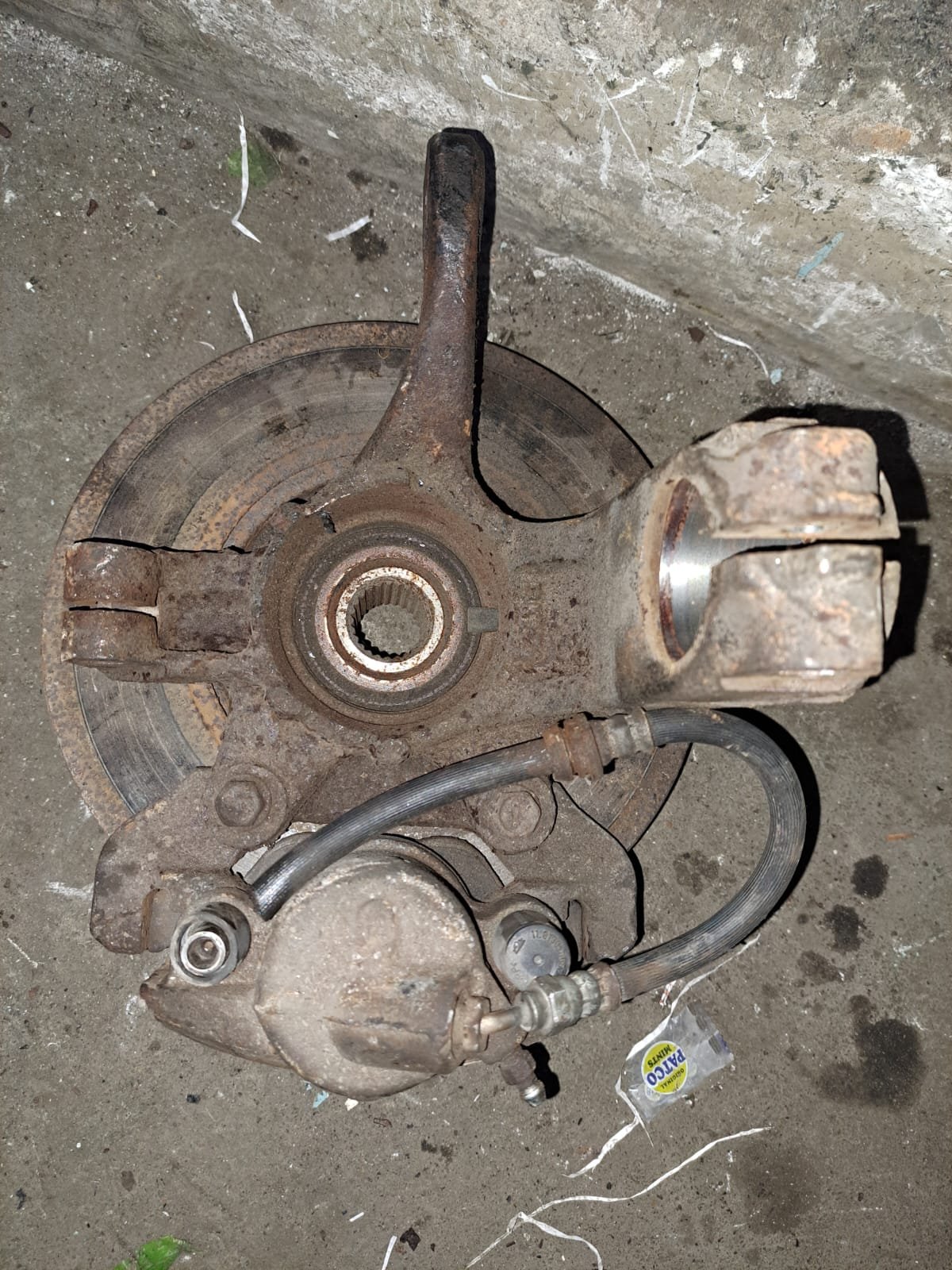
The Ultimate Guide to Suspension Care: Navigating Kenya’s Rough Roads
If you drive in Kenya, your car’s suspension system is likely the hardest-working part of your vehicle. While we often focus on the engine, it is the suspension that determines whether your car survives a trip to the village or a daily commute through Nairobi’s construction zones.
At Taleon Autospares, we understand that a “comfortable ride” isn’t just about luxury—it’s about safety, stability, and protecting your automotive investment. In this guide, we’ll break down how to maintain, diagnose, and repair your suspension for the Kenyan terrain.
1. What Exactly Does Your Suspension Do?
Many drivers believe the suspension is just about “springs.” In reality, it is a complex network of components designed to perform two main tasks:
- Road Isolation: Absorbing the energy from bumps and potholes so the frame and passengers don’t feel the impact.
- Road Holding: Keeping the tires in contact with the ground so you can steer, brake, and accelerate effectively.
On a rough Kenyan road, if your tires aren’t touching the ground because of a “bouncy” worn-out strut, you lose the ability to brake or steer in an emergency.
2. Key Components That Suffer on Kenyan Roads
In the Kenyan context, certain parts wear out much faster due to dust, heat, and uneven surfaces:
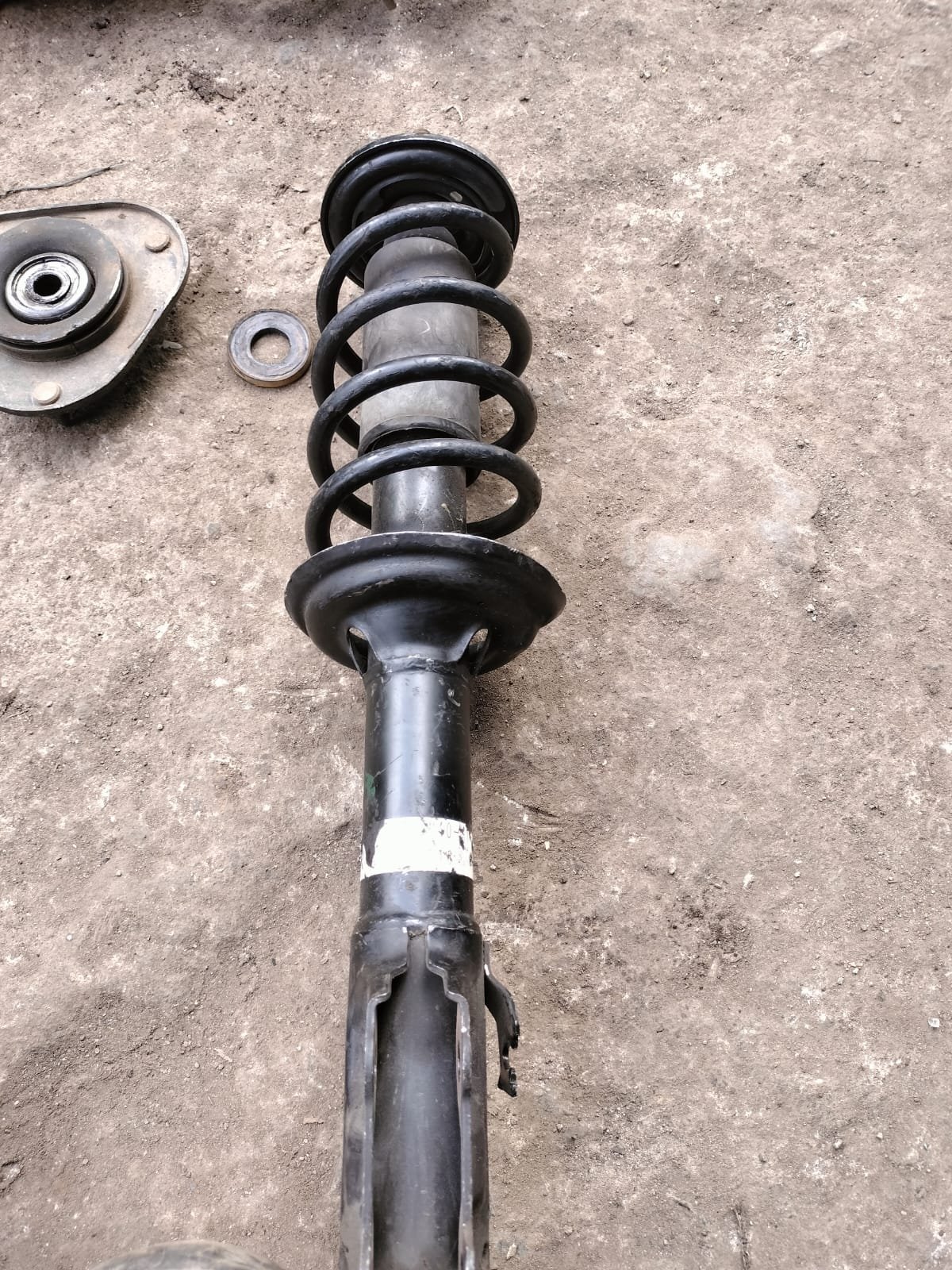
- Shock Absorbers and Struts: These dampen the “rebound” of your springs. If your car continues to bounce after hitting a bump on the highway, these are likely shot.
- Bushings: These are small rubber or polyurethane cushions between metal parts. In Kenya’s dry heat, rubber bushings often crack and perish, leading to “clunking” sounds.
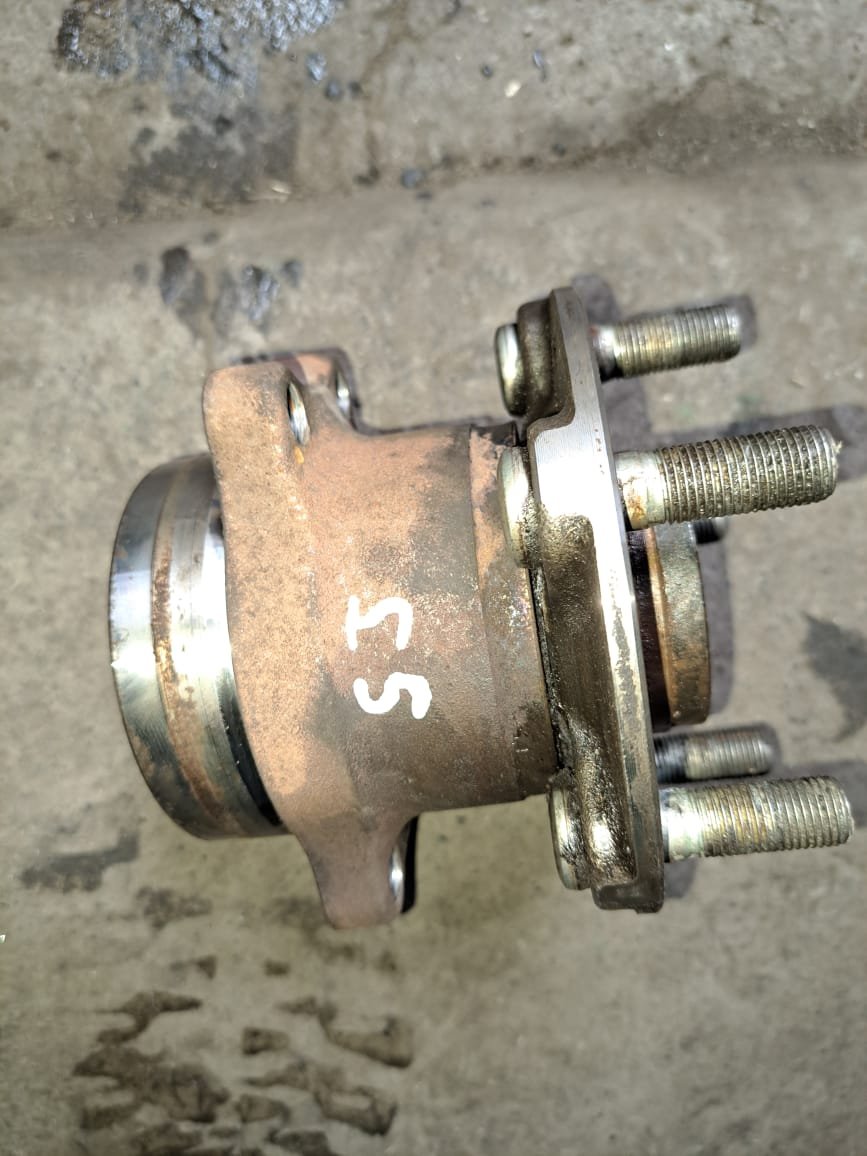
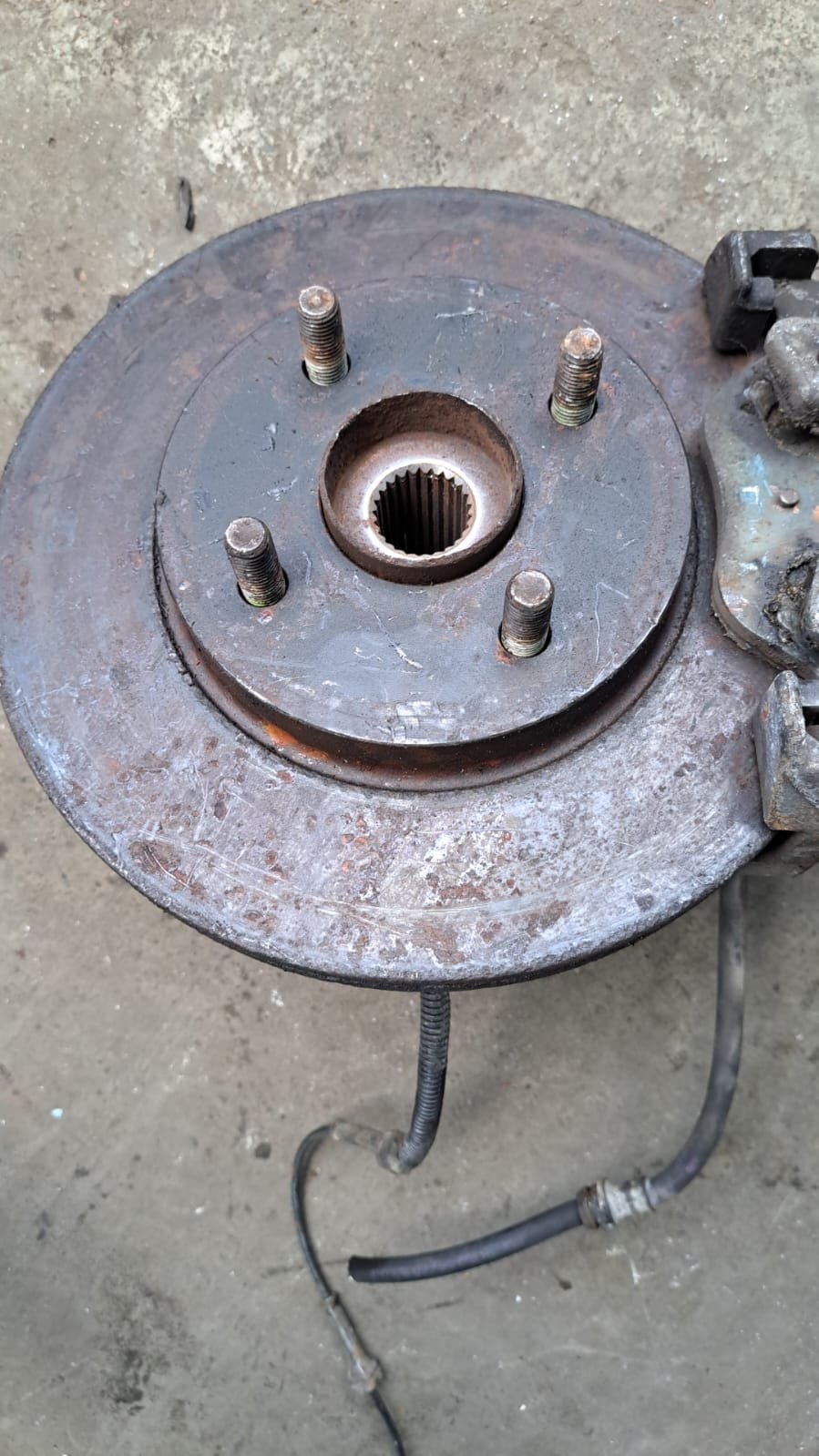
- Ball Joints: These act as the “pivot points” for your steering. A snapped ball joint on a rough road can cause your wheel to collapse outward—a catastrophic failure.
- Control Arms: These hold your wheels in alignment. Hitting a deep pothole at speed can actually bend these metal arms.
3. Warning Signs Your Suspension Is Failing
Don’t wait for a wheel to fall off. Watch for these “Kenyan Road” red flags:
A. The “Nose Dive”
When you apply the brakes, does the front of your car dip significantly toward the ground? This is a sign of worn front shocks, which increases your braking distance—dangerous in sudden traffic stops.
B. Uneven Tire Wear
Check your tires. If you notice “cupping” (smooth spots alternating with tread) or if one side of the tire is bald while the other is full, your suspension is no longer keeping the wheel perfectly vertical.
C. The “Village Test” (Squeaks and Clunks)
When driving on an unpaved road or over speed bumps, listen closely. Rhythmic squeaking usually indicates dry bushings, while a heavy “thump” or metal-on-metal “clank” suggests a failed ball joint or shock mount.
D. Drifting or Pulling
If the car feels like it’s “wandering” or pulling to one side even when the steering wheel is straight, your alignment or control arms have likely been compromised by a pothole.
4. How to Extend the Life of Your Suspension
You can’t change the roads, but you can change how you treat your car.
- Avoid “Brake-Hops”: If you see a pothole or speed bump too late, try to release the brakes just before impact. Braking locks the suspension into a rigid state; letting go allows the springs to travel and absorb the shock.
- Clean the Undercarriage: Mud and red soil from rural trips can trap moisture against rubber bushings and metal joints, causing premature rot and rust. Power-wash your wheel wells regularly.
- Don’t Overload: We Kenyans love to maximize space, but carrying heavy bags of charcoal or farm produce beyond your car’s weight limit permanently “settles” your springs, leading to a saggy rear end.
5. The Taleon Standard: Genuine vs. Counterfeit
When it comes to suspension, “cheap is expensive.” In the Kenyan market, there are many “refurbished” shocks or low-quality knock-offs.
Why Genuine Parts Matter:
- Material Strength: Genuine control arms are forged to withstand specific impact forces without snapping.
- Oil Quality: Inside a shock absorber is hydraulic oil. High-quality shocks (like KYB or Tokico, often stocked at Taleon) use oil that doesn’t foam up or lose viscosity when it gets hot from constant bumping.
6. Maintenance Checklist for the Kenyan Driver
| Component | Check Frequency | Replacement Sign |
| Shock Absorbers | Every 20,000km | Leaking oil or excessive bouncing |
| Bushings | Every Oil Change | Cracks, tears, or squeaking |
| Wheel Alignment | Every 10,000km | Steering wheel is off-center |
| Power Steering Belt | Every 40,000km | Squealing noise during turns |
Conclusion: Invest in Stability
Your suspension is what stands between your car’s expensive engine and the harsh reality of the road. By performing regular checks and replacing worn parts with genuine spares from Taleon Autospares, you ensure that your car remains safe, comfortable, and valuable for years to come.
Is your car feeling a bit “bouncy” lately? Visit us at Taleon Autospares or contact us today to find the perfect shocks, bushings, and ball joints for your specific model.
Add a review
Your email address will not be published. Required fields are marked *