
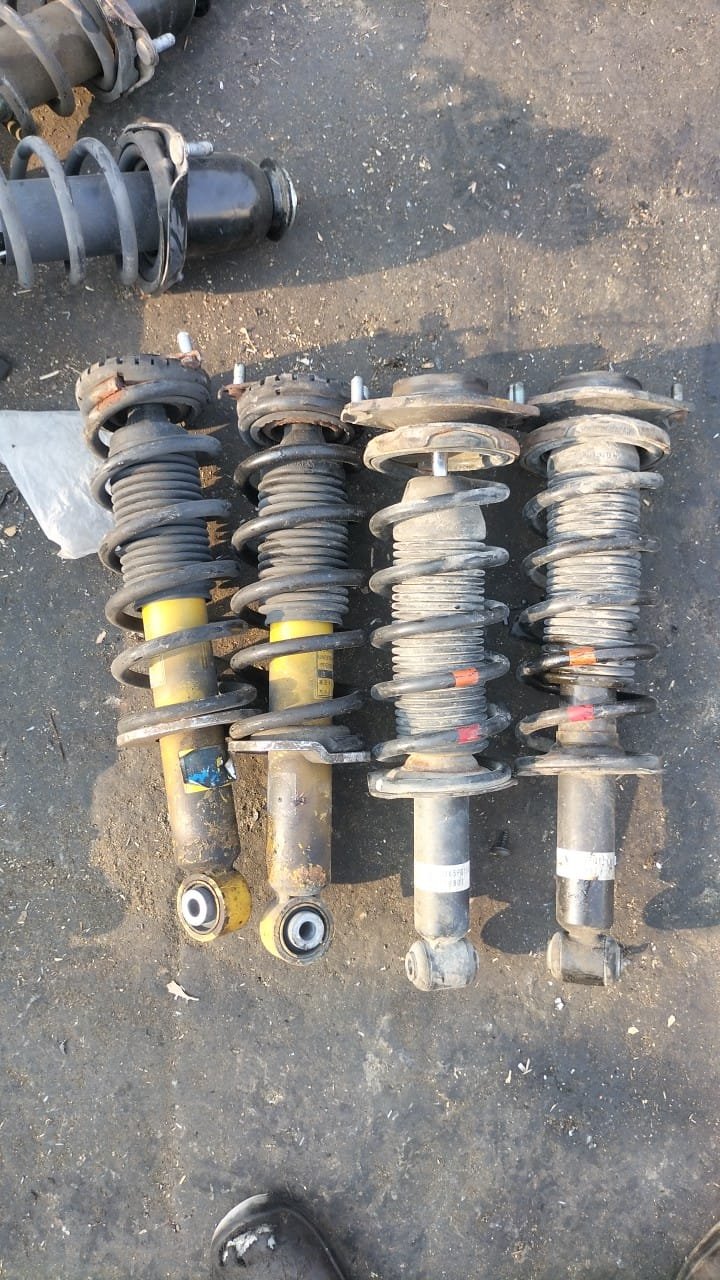
5 Signs Your Shock Absorbers are Worn Out: The Ultimate Guide for Kenyan Drivers
If you drive in Kenya, your car’s suspension system is more than just a luxury—it is a frontline soldier. From the smooth tarmac of the Nairobi-Mombasa Highway to the unpredictable “murram” roads of the Rift Valley and the notorious potholes of Nairobi’s Eastlands, your shock absorbers (popularly known as shocks) are constantly under fire.
In this comprehensive guide, we are going to explore why shock absorbers fail, the 5 tell-tale signs that it’s time to visit Taleon Spares Kenya, and how keeping your suspension in check can save you thousands of shillings in repair bills.
The Role of Shock Absorbers: Beyond the Smooth Ride
Many Kenyan car owners believe that shocks are only there to make the ride “comfortable.” While comfort is a major benefit, the primary job of a shock absorber is safety and stability.
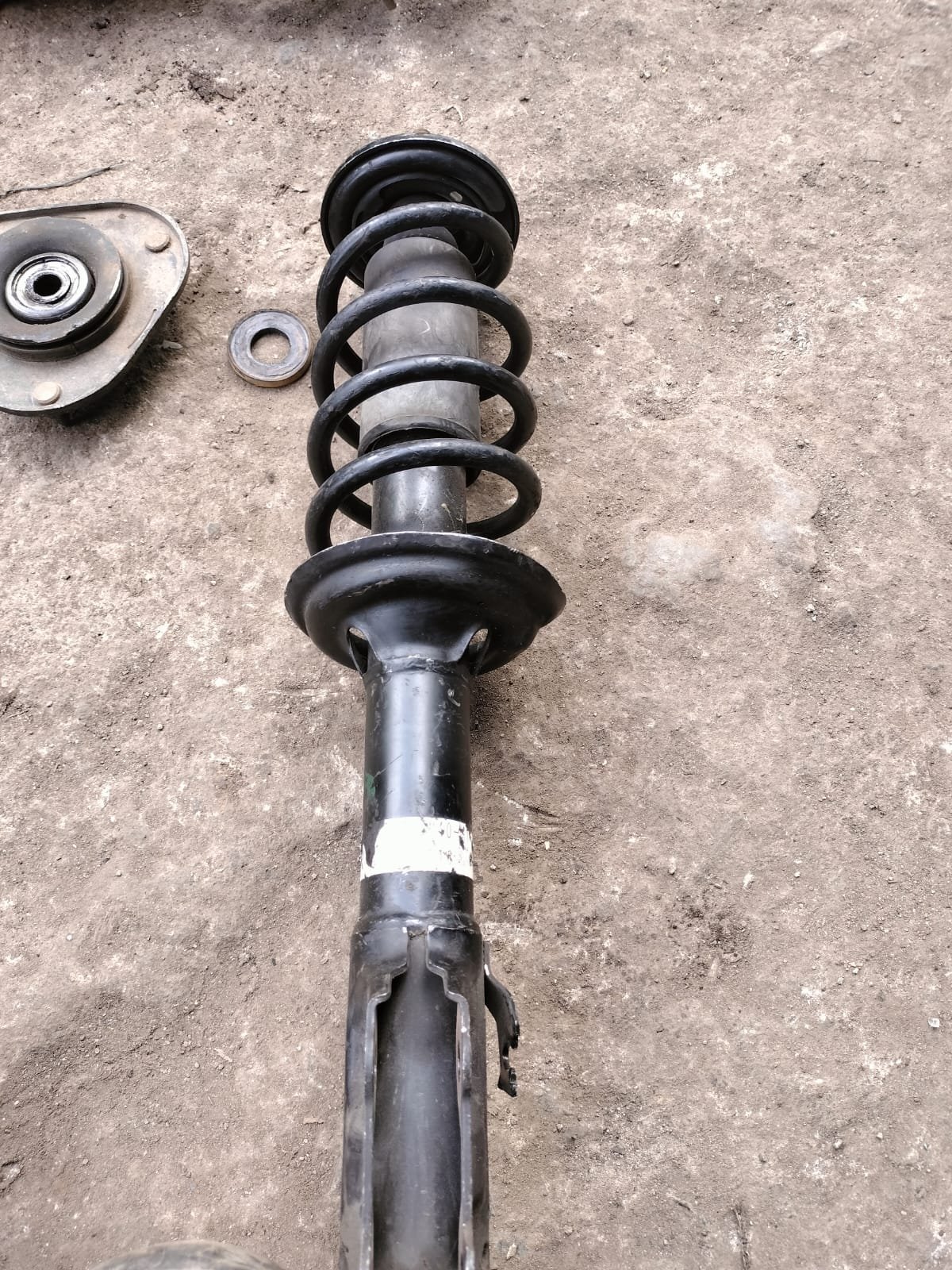
Technically known as dampers, shock absorbers control the movement of your car’s springs. When you hit a bump, the spring compresses and then expands. Without a shock absorber, that spring would keep bouncing like a pogo stick until all the energy is gone. The shock absorber uses hydraulic fluid to dissipate that energy, keeping your tires firmly pressed against the road.
Why is this important for you? If your tires aren’t touching the road, you can’t steer, you can’t brake effectively, and you certainly can’t corner safely. In Kenya, where sudden stops for speed bumps or stray livestock are common, your shocks are the difference between a close call and a trip to the panel beater.
Sign #1: The “Nose-Dive” and “Rear-Squat”
One of the most obvious signs of worn shocks is a loss of weight distribution control. You can feel this most clearly during two specific maneuvers: braking and accelerating.
The Nose-Dive
When you apply the brakes, especially in an emergency, the front of your car shouldn’t dip so low that it feels like the bumper will scrape the tarmac. This is called “nose-diving.” If your shocks are weak, they can no longer support the weight of the engine and the car’s body as it shifts forward under braking.
The Rear-Squat
Similarly, if you hit the accelerator and feel the back of the car sinking while the front lifts up like a boat, your rear shocks are failing. This “squatting” reduces traction on your front wheels, which is dangerous for front-wheel-drive cars common in Kenya like the Toyota Fielder or Nissan Note.
Sign #2: Uneven Tire Wear (The “Cupping” Pattern)
Next time you are at a car wash or checking your tire pressure, take a close look at the tread of your tires. Do you see smooth patches alternating with rough patches? This is known as cupping or scalloping.
When shock absorbers are worn out, they allow the wheel to “hop” as you drive. Every time the tire hits the pavement after a mini-bounce, a small amount of rubber is shaved off. Over thousands of kilometers on Kenyan roads, this creates a wavy pattern on the tire.
The Taleon Tip: If you see cupping, don’t just buy new tires. If you don’t replace the shocks, your brand-new tires will be ruined within months. Replacing your shocks at Taleon Spares Kenya is an investment in the longevity of your expensive tires.
Sign #3: Excessive Bouncing After Speed Bumps
Kenya is the land of speed bumps. Some are standard, but others—especially in residential areas—are “mountains” made of concrete.
A healthy car should settle almost immediately after crossing a bump. It should go up, come down, and stop. If your car continues to bounce two or three times after the bump is behind you, your dampers have lost their hydraulic integrity.
The “Bounce Test” (DIY)
You don’t need a mechanic to check this.
- Park your car on flat ground.
- Go to the front corner (above the wheel) and push down with all your weight.
- Release it quickly.
- If the car bounces more than 1.5 times, your shocks are “soft” and need replacement.
Sign #4: Fluid Leaks on the Shock Body
Shock absorbers are filled with hydraulic oil. To keep this oil inside, there are rubber seals at the top of the shock. Over time, heat, dust, and the constant friction of Kenyan roads cause these seals to crack.
If you look behind your wheel and see that the shock absorber looks “wet” or is covered in a dark, greasy grime (which is oil mixed with road dust), you have a leak.
Warning: A leaking shock is a dead shock. Once the fluid is gone, there is nothing left to dampen the spring’s movement. At Taleon Spares, we always recommend replacing shocks in pairs (both front or both rear) to ensure your car remains balanced.
Sign #5: Rattling and Clunking Noises
Are you hearing a “clunk” every time you hit a pothole in Nairobi? Or perhaps a persistent rattling sound when driving on a gravel road?
While these sounds could come from worn bushings or ball joints, they are often a sign that the internal components of the shock absorber have collapsed, or the mounting bolts have worked themselves loose because the shock is no longer absorbing the vibration.
In cars like the Mazda Demio or Toyota Vitz, these noises often manifest as a “metallic knock” that makes the car feel old and unstable.
Why Kenyan Roads are Hard on Shocks
It’s no secret that the “lifespan” of a shock absorber in Europe or Japan is much longer than in Kenya. In those regions, a shock might last 100,000km. In Kenya, we often see shocks failing at 40,000km to 60,000km. Why?
- The Dust Factor: Fine African dust acts like sandpaper. It gets into the seals of the shocks and grinds them down every time the piston moves up and down.
- Unmarked Speed Bumps: We’ve all hit that one speed bump at 60km/h because it wasn’t painted. That single “thump” can bend a piston rod or blow a seal instantly.
- Overloading: Many Kenyans use their personal cars (like the Toyota Probox or Fielder) to carry heavy loads. Standard shocks aren’t built for this. This is why Taleon Spares Kenya stocks Heavy-Duty Coil Springs and reinforced shocks to help your car handle the extra weight.
The Danger of Ignoring Worn Shocks
Driving with bad shocks isn’t just uncomfortable; it’s a massive safety risk.
- Increased Braking Distance: Studies show that worn shocks can increase your stopping distance by up to 20%. At 80km/h, that’s several meters—the difference between stopping safely and hitting the car in front of you.
- Aquaplaning: During the Kenyan rainy season, worn shocks prevent your tires from displacing water properly. This causes the car to “float” on the water, leading to a total loss of steering.
- Fatigue: When a car is constantly bouncing and swaying, the driver has to work harder to keep it in a straight line. This leads to faster driver fatigue, which is a leading cause of accidents on long trips to the village.
Why Choose Ex-Japan Parts from Taleon Spares?
When it’s time to replace your shocks, you have three choices: expensive brand-new “original” parts from the showroom, cheap “no-name” imitations, or high-quality Ex-Japan parts from Taleon Spares.
Our Ex-Japan shock absorbers are sourced from vehicles that were driven on the smooth, pristine roads of Japan. This means the internal valves and seals are often in much better condition than “new” low-quality aftermarket parts sold locally. You get the quality of an OEM (Original Equipment Manufacturer) part at a fraction of the cost.
We Stock Parts For:
- Toyota: Fielder, Premio, Allion, Vitz, Probox, Harrier.
- Nissan: Note (E11/E12), Sylphy, X-Trail.
- Mazda: Demio, CX-5, Axela.
- Honda: Fit, Vezel, Stream.
- Subaru: Forester, Impreza, Legacy.
Conclusion: Don’t Wait for a Breakdown
Your car’s suspension is the silent hero of your daily commute. It protects your engine, your tires, and most importantly, your family. If you’ve noticed any of the 5 signs mentioned above—the nose-diving, the cupping tires, or the endless bouncing—it’s time to take action.
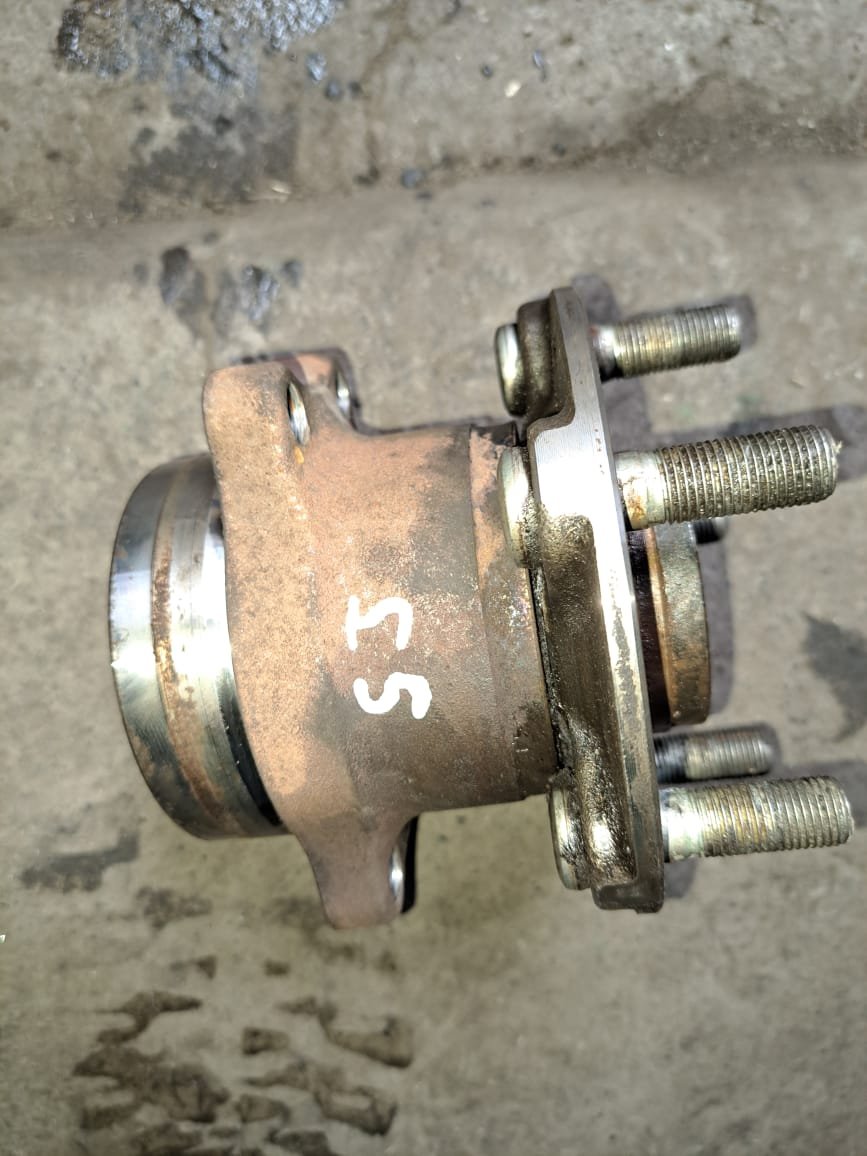
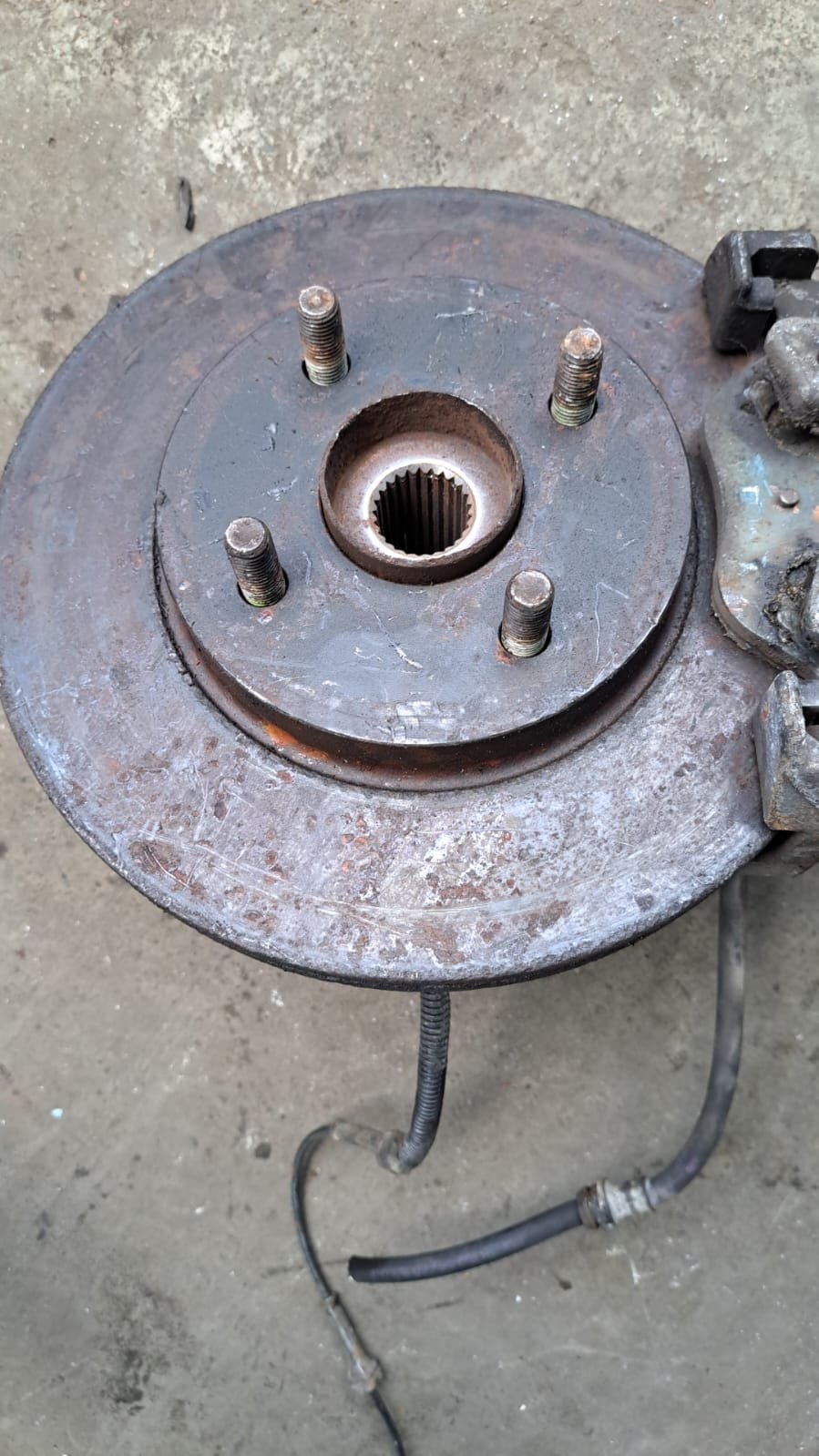
Visit Taleon Spares Kenya today. We are located in the heart of Nairobi’s auto-hub, ready to provide you with the best Ex-Japan suspension parts, steering racks, and wheel hubs.
Add a review
Your email address will not be published. Required fields are marked *