
Why Your Car Bounces on Speed Bumps: The Role of Heavy-Duty Coil Springs
If you drive a Toyota Fielder, Wish, or Nissan Note in Kenya, you know the “thud” all too well. You’re driving home with a few bags of maize in the boot or five passengers in the car, and suddenly, every speed bump feels like a mountain. The car “bottoms out,” the mudguards scrape the ground, and the back of the car bounces uncontrollably for several meters after the bump.
Most drivers blame their shock absorbers immediately. But at Taleon Spares Kenya, we know the secret: It’s often not the shocks—it’s your coil springs.
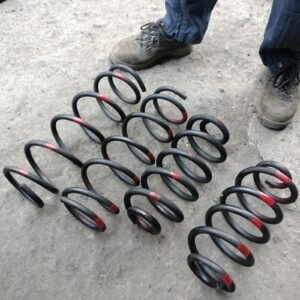
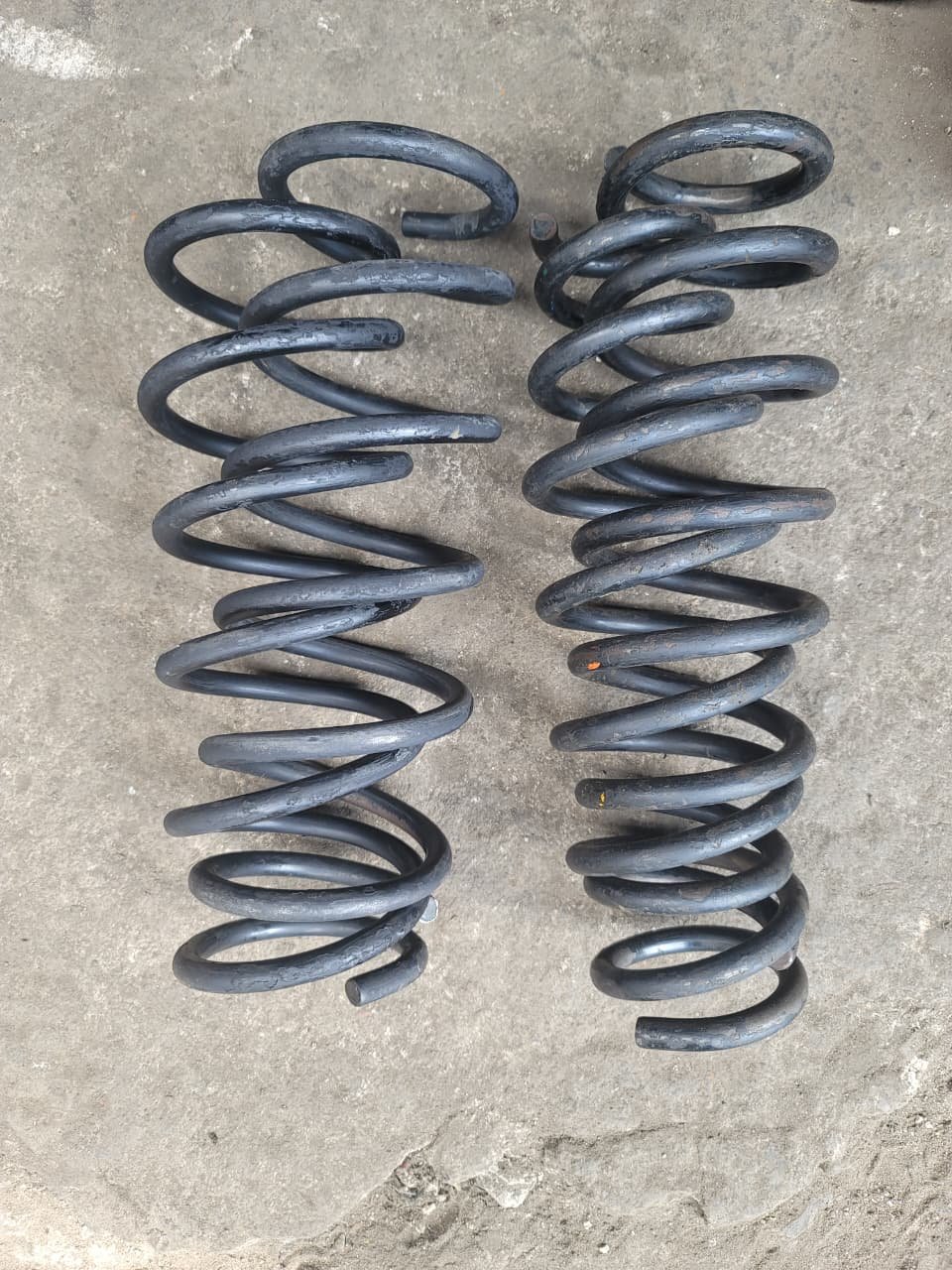
In this guide, we dive deep into why your car bounces, why standard Japanese springs often fail on Kenyan roads, and how Heavy-Duty (HD) Coil Springs are the ultimate solution for stability and ride height.
1. The Physics of the Bounce: Springs vs. Shocks
To solve the bouncing problem, you first need to understand the difference between these two components.
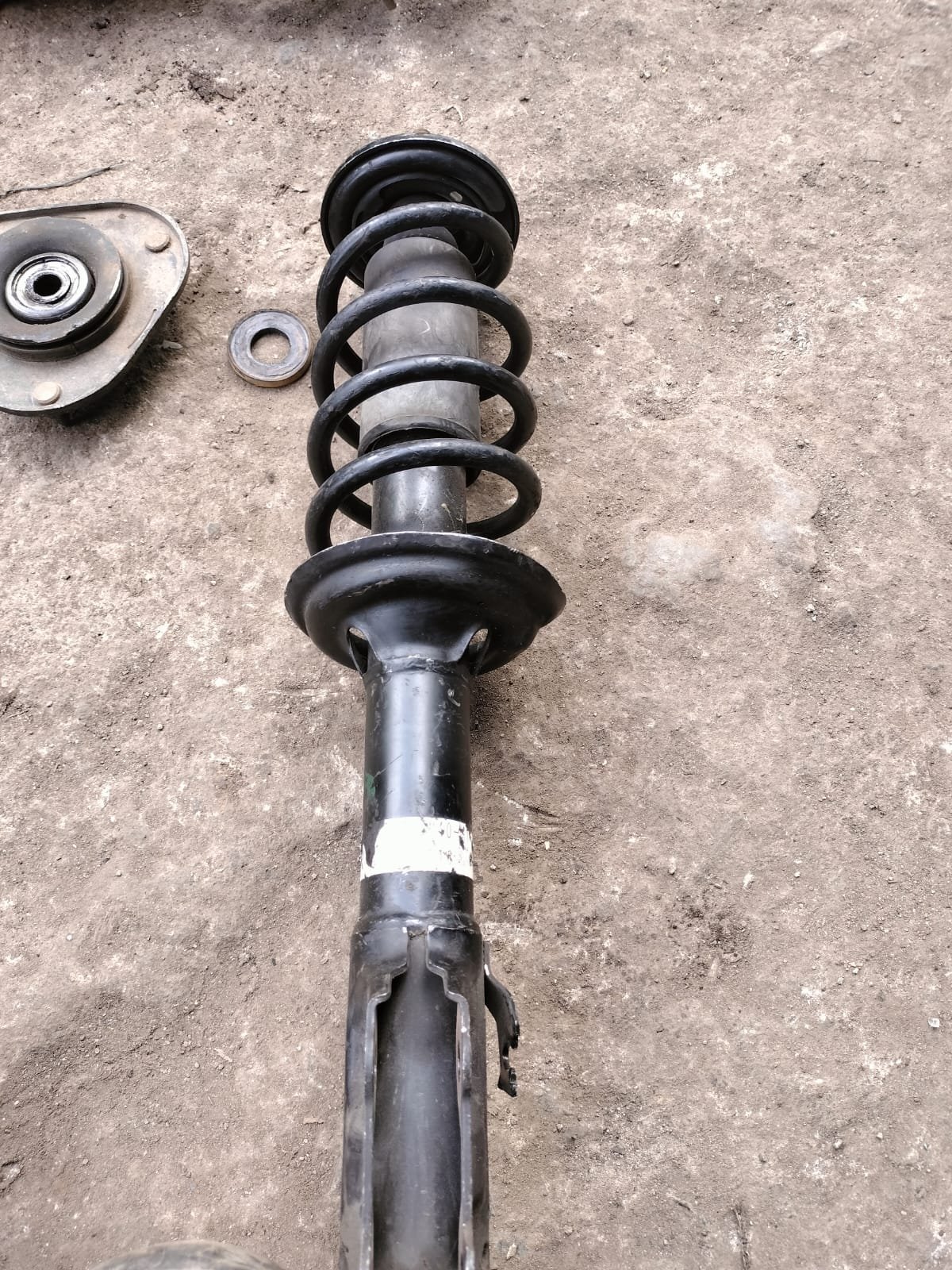
- The Coil Spring: This supports the entire weight of the vehicle. Its job is to compress when you hit a bump and then push the car back up.
- The Shock Absorber: Its job is to dampen the spring. Without a shock, the spring would bounce up and down forever.
When your car “bounces” excessively, it means the spring is too weak to support the weight, or the shock is too weak to stop the spring’s movement. On Kenyan roads, many cars are “sagging” at the rear because the original springs have lost their tension (fatigue). When the spring is weak, it forces the shock absorber to do all the work, causing the shock to overheat and fail prematurely.
2. Why “Standard” Springs Struggle in Kenya
Most cars imported to Kenya are Ex-Japan. In Japan, roads are nearly perfect, and cars rarely carry heavy loads. Consequently, Japanese manufacturers tune the suspension for comfort, using “soft” coil springs.
However, once that car arrives in Mombasa and starts its life in Kenya, the environment changes:
- Station Wagon Culture: Cars like the Toyota Probox and Fielder are often used as “workhorses,” carrying heavy cargo or full families.
- The “Mountain” Speed Bumps: Unlike the standard bumps in Japan, Kenyan bumps are often high and sharp, forcing the spring to compress to its maximum limit (bottoming out).
- Corrugated Roads: Constant vibration on “murram” roads causes the steel in standard springs to fatigue faster, leading to a visible “sag” in the rear of the car even when it’s empty.
3. What are Heavy-Duty (HD) Coil Springs?
At Taleon Spares Kenya, we often recommend an upgrade to Heavy-Duty Coil Springs. But what makes them different?
- Wire Thickness: HD springs are made from thicker steel wire. This increases the “spring rate,” meaning it takes more force to compress the spring.
- Increased Ride Height: HD springs are designed to restore (and sometimes slightly increase) the factory ride height. This gives you better ground clearance for those rough estate roads.
- Better Load Carrying: With HD springs, your car won’t “sag” even when the boot is full. The car remains level, which is crucial for steering and braking safety.
4. The Hidden Dangers of a “Saggy” Rear End
Ignoring the bounce and the sag isn’t just about comfort; it affects your wallet and your safety:
- Headlight Aim: When the back of your car sags, the front points upward. At night, your headlights will blind oncoming drivers instead of lighting up the road.
- Braking Distance: If the rear springs are weak, the weight of the car shifts too violently to the front during braking, making the car unstable.
- Tire Wear: A sagging suspension changes the “camber” of your wheels, causing the inside of your tires to wear out in weeks.
5. Why Taleon Spares Kenya is the Leader in Suspension Solutions
We don’t just sell parts; we provide solutions. When you visit our shop or order online, we ensure you get the right fit for your specific model.
Our Specialized Inventory Includes:
- Toyota Fielder/Axio HD Springs: Perfect for those using their cars for long-distance travel.
- Mazda Demio/Vitz Upgrades: To prevent these low-profile cars from scraping on speed bumps.
- Nissan Note E12 Coil Springs: Designed to handle the unique weight distribution of the Note.
- Subaru Forester Self-Leveling Replacements: A cost-effective way to fix the common “sagging Subaru” issue.
6. DIY Check: Do You Need New Springs?
- The Visual Test: Park your car on a level surface. Does the rear look lower than the front? Is there a gap between the tire and the wheel arch?
- The Load Test: Put two adults in the backseat. If the car sinks significantly, your springs are fatigued.
- The “Scrape” Test: Do you hear your exhaust or mudguards scraping when you go over a standard bump? If yes, your springs have lost their “memory” and are no longer holding the car up.
Conclusion: Upgrade Your Ride Today
Don’t let your car suffer on Kenyan roads. Upgrading to Heavy-Duty Coil Springs from Taleon Spares Kenya is one of the most affordable ways to improve your car’s handling, safety, and look. It’s an investment that pays for itself by protecting your shocks and tires from unnecessary wear.
Add a review
Your email address will not be published. Required fields are marked *