
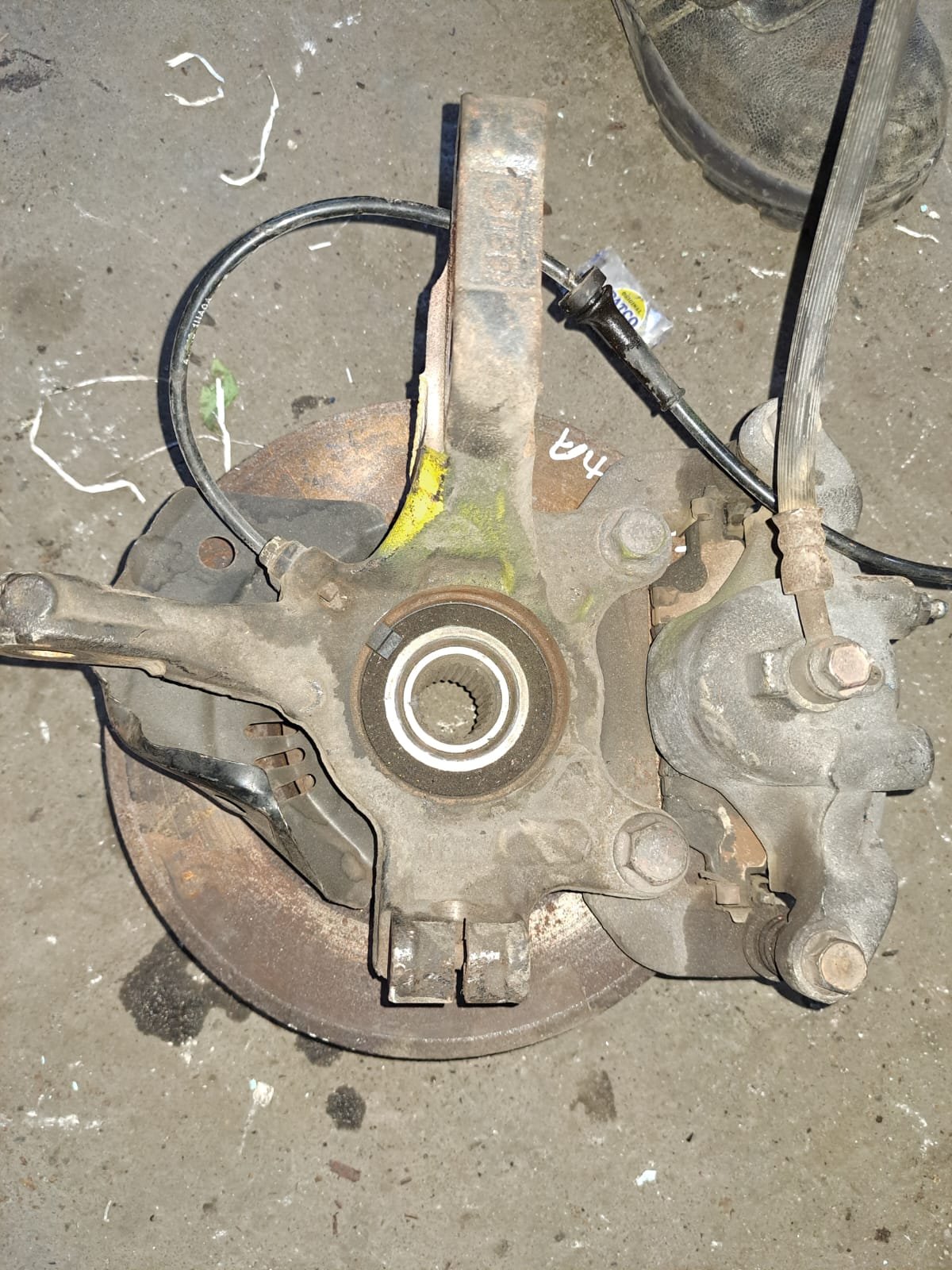
Understanding Your Car’s Strut Assembly: Components and Maintenance Tips
In the world of Kenyan car owners, the word “shock” is used for everything. But if you walk into Taleon Spares Kenya asking for a “shock” for your Toyota Fielder or Nissan Sylphy, you are likely looking for something much more complex: the Strut Assembly.
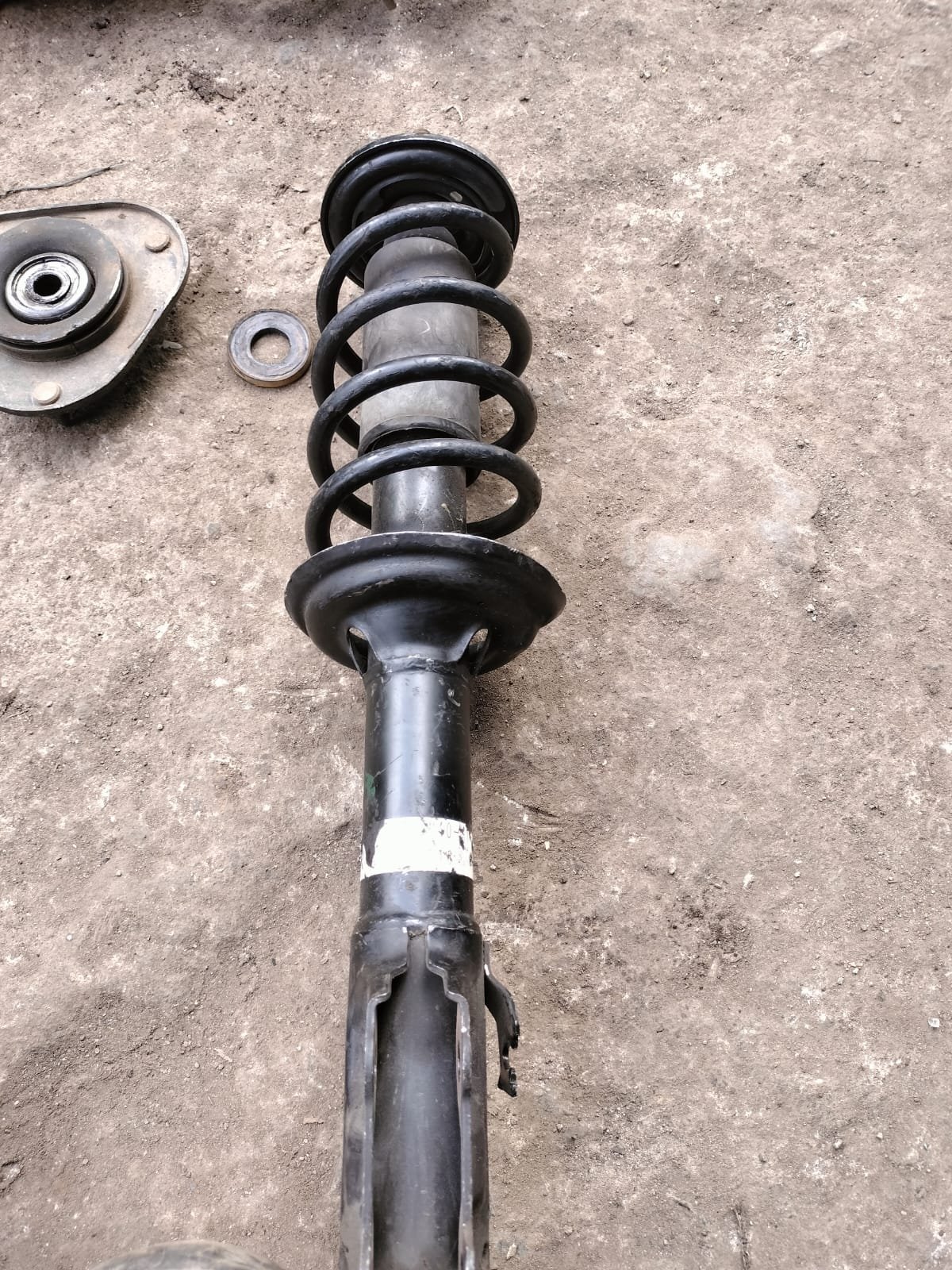
While a shock absorber is a simple part, a strut is a structural pillar of your car. It is a group of components working together to hold up your car’s weight and help you steer. If one part of this assembly fails, the whole car feels “off.”
In this guide, we’ll take the strut assembly apart (metaphorically) to show you what’s inside, why each piece matters, and how to maintain them to survive the rigors of Kenyan roads.
1. The Anatomy of a Strut: What’s Inside?
A strut assembly is like a multi-tool; it performs several jobs at once. Here are the key players:
A. The Strut Cartridge (The Damper)
This is the “heart” of the assembly. It’s a cylinder filled with hydraulic oil (and sometimes nitrogen gas) that controls the bounce. When you hit a bump on the bypass, this cartridge slows down the spring’s movement.
B. The Coil Spring
The spring supports the 1,000+ kilograms of your car. It determines your ride height. At Taleon Spares, we often see springs that have “sagged” over time, making the car sit too low and scrape on speed bumps.
C. The Strut Mount and Bearing
This is the connection point between the strut and your car’s body. In the front of your car, the strut must rotate when you turn the steering wheel. The strut bearing allows this rotation to happen smoothly.
- The Taleon Tip: If you hear a “boing” or “clunk” sound specifically when turning the steering wheel while parked, your strut bearing is likely seized.
D. The Protection Boot and Bumper
These are often ignored but are vital for Kenya. The dust boot protects the shiny piston rod from Nairobi’s red dust. The jounce bumper (bump stop) acts as a cushion to prevent metal-on-metal contact if you hit a massive pothole and the suspension “bottoms out.”
2. Why Struts are More Critical Than Simple Shocks
In many older cars or heavy SUVs, the spring and the shock are separate. But in modern Japanese cars (like the Mazda Demio or Honda Fit), the strut is a MacPherson design.
This means the strut actually replaces the upper control arm. It is a structural part of the steering system. If your strut is bent or the mount is worn, your wheel alignment will be impossible to fix. This is why a bad strut doesn’t just make the ride bumpy—it makes the car “pull” to one side and destroys your tires.
3. Maintenance Tips for the Kenyan Driver
Because struts are expensive to replace, maintenance is the key to saving money.
Keep it Clean
Nairobi dust and mud from up-country trips can get trapped under the dust boot. This grit acts like sandpaper, scratching the internal seals and causing oil leaks. Every time you go for a “high-pressure” car wash, ask them to spray the mud out from behind the wheels.
Inspect the “Rubber Parts”
Don’t wait for the metal to fail. Every 10,000km (or during your oil change), have your mechanic check the strut mount for cracks. A cracked mount allows the strut to move around, which eventually ruins the expensive internal cartridge.
Replace in Pairs
At Taleon Spares Kenya, we always recommend replacing struts in pairs (Front Left and Front Right). If you only replace one, the car will be “lopsided.” The new, stiff strut will handle differently than the old, soft one, which can cause the car to skid during emergency braking.
4. When to Choose a “Complete Strut Assembly”
Sometimes, instead of buying just the “cartridge,” it’s smarter to buy a Complete Strut Assembly (often called a “Quick Strut” or “Ex-Japan Complete”).
Why buy the complete unit from Taleon Spares?
- Safety: You get a fresh spring and a fresh mount.
- Labor Savings: Your mechanic just has to bolt it in (30 mins) rather than using a dangerous spring compressor to take the old one apart (2 hours).
- Performance: Everything is factory-balanced.
Conclusion: The Pillar of Your Car’s Safety
Your struts are doing a heavy job every single second you are on the road. By understanding how they work, you can spot the early signs of failure—like a torn dust boot or a noisy bearing—before they turn into a 50,000 KES repair bill.
Add a review
Your email address will not be published. Required fields are marked *