

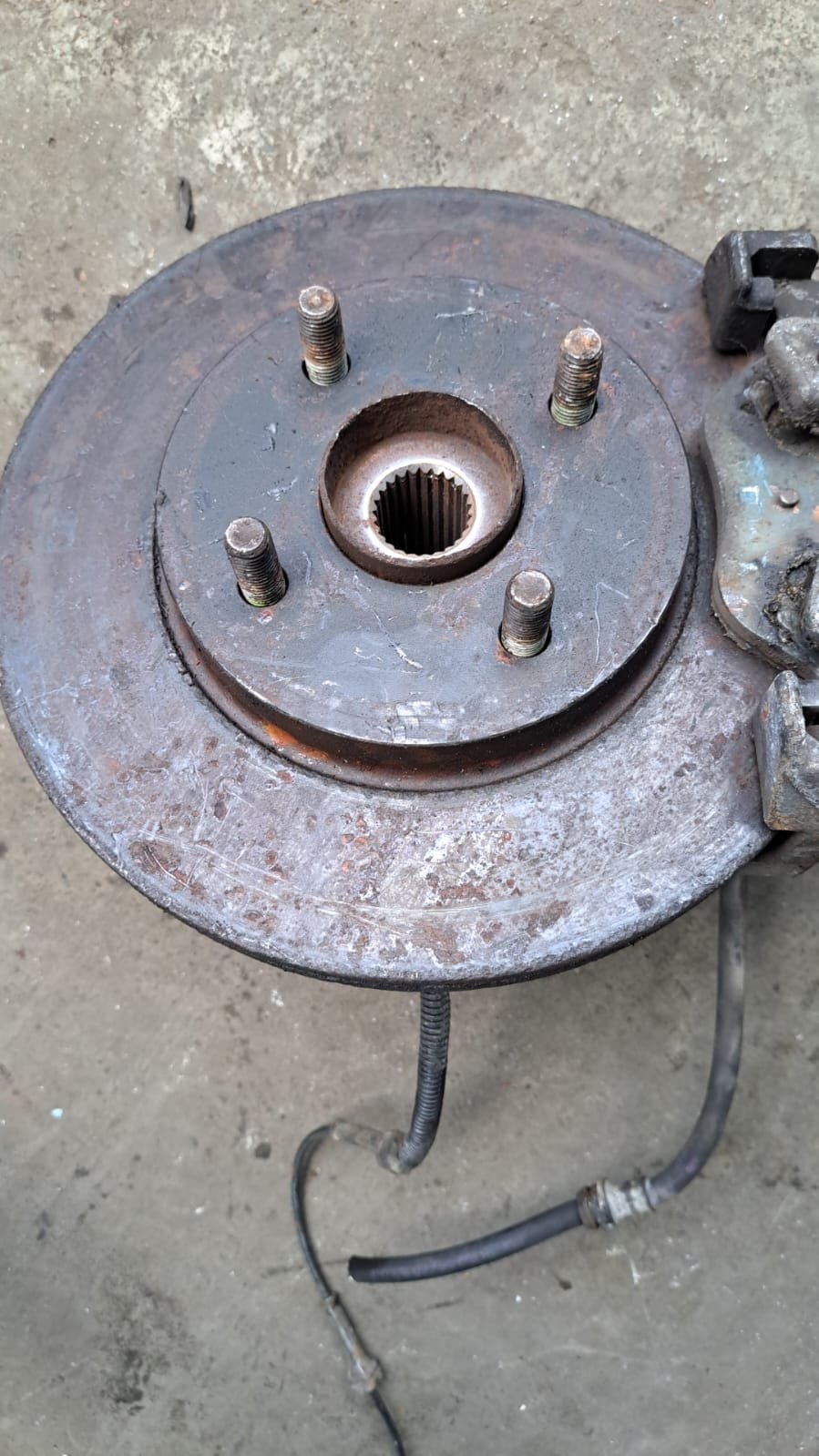
Stopping with Certainty: The Ultimate Guide to Brake Discs by Taleon Spares Kenya
In the realm of automotive safety, no system is more critical than the brakes. While the brake pedal is the driver’s command, the true hero of deceleration is the brake disc (also known as a rotor). This seemingly simple metal component is an engineering marvel, responsible for converting the immense kinetic energy of a moving vehicle into thermal energy (heat) through friction, bringing your vehicle to a safe and controlled stop .
For motorists in Kenya, where driving conditions range from the stop-and-go traffic of Nairobi to the long-haul descents of the escarpment, the quality and condition of brake discs are paramount. At Taleon Spares Kenya, we understand that informed choices lead to safer roads. This comprehensive guide explores everything you need to know about brake discs, from their fundamental types and functions to maintenance, troubleshooting, and how to select the perfect set for your vehicle.
Part 1: The Fundamentals – How Brake Discs Work
Before diving into the various types, it’s essential to grasp the basic principle of a disc brake system. When you press the brake pedal, hydraulic pressure is generated in the brake lines, forcing the brake caliper to clamp a pair of brake pads against the spinning brake disc . The friction between the pads and the disc is what slows the wheel’s rotation.
The brake disc has three critical jobs:
- Friction Surface: It provides a smooth, high-friction surface for the pads to grip.
- Heat Dissipation: It acts as a heat sink, absorbing and dissipating the intense heat generated during braking. If the heat isn’t managed, it can lead to brake fade (loss of stopping power) or component damage .
- Wear Indicator: As a serviceable part, its condition tells you about the health of your entire braking system.
Common Materials
Most vehicles on Kenyan roads use discs made from cast iron, which offers an excellent balance of durability, performance, and cost . High-performance or luxury vehicles may utilize carbon-ceramic composites, which are lighter and can withstand extreme temperatures, but at a significantly higher cost .
Part 2: A Closer Look at the Different Types of Brake Discs
Not all brake discs are created equal. They are designed to suit different vehicle types, weights, and driving styles. Understanding these variations is key to making the right choice. Below is a breakdown of the most common types available at Taleon Spares Kenya.
Deeper Dive into Key Types:
- Solid Discs: These are the most basic and economical option, typically found on smaller, lighter vehicles or on the rear axle where braking forces are lower . While they provide adequate stopping power for gentle driving, they heat up quickly and are susceptible to brake fade during prolonged or aggressive braking .
- Vented Discs: As vehicle weight and power increase, so does the need for cooling. Vented discs feature an internal channel of vanes that act like a centrifugal pump, drawing air through the disc to cool it from the inside out . This makes them the standard for front axles and heavier vehicles. As one industry expert notes, vented discs are critical for “improving both cooling capacity and resistance to cracking from thermal shock” .
- Drilled Discs: The cross-drilled holes are not just for aesthetics. They serve a crucial purpose: in wet conditions, they wipe the surface clean, preventing a film of water from reducing friction . They also provide an escape route for the gases and dust created when brake pads overheat, a phenomenon that can create a “cushion” between the pad and disc, reducing braking efficiency . However, the holes create stress points, making them more prone to cracking under severe use .
- Slotted Discs: For drivers who demand the ultimate in performance and consistency, slotted discs are the preferred choice. The machined grooves constantly “scour” the brake pad surface, removing debris and gas . This keeps the interface between the pad and disc clean and maintains a high, consistent coefficient of friction . This makes them ideal for sporty driving, mountainous terrain, or vehicles used for towing, where fade resistance is critical .
Part 3: The Kenyan Context and Market Dynamics
The demand for quality brake discs in Kenya is intrinsically linked to the country’s unique automotive landscape. As a supplier, Taleon Spares Kenya operates within a dynamic and essential market.
3.1 A Robust Aftermarket
Kenya’s vehicle population, characterized by a significant number of used imports from Japan, Europe, and elsewhere, creates a powerful aftermarket for replacement parts . These vehicles, often with high mileage, require regular maintenance, and the braking system is a top priority. The Kenya motor vehicle braking system parts market, which includes disc brakes, has been projected to witness healthy growth, driven by increasing safety awareness and government regulations on road safety .
3.2 Regional Trade Hub
Kenya serves as a gateway to the East African region. The export data for brake components shows active trade, with Kenyan suppliers exporting parts to neighboring countries like Uganda, Rwanda, and South Sudan . This underscores the reliance on Kenya as a source for quality automotive components, a role that Taleon Spares Kenya proudly fulfills.
3.3 The Challenge of Quality
With a high demand for parts comes the risk of substandard or counterfeit products. For a critical safety component like a brake disc, using a low-quality disc can have dire consequences. Poor metallurgy can lead to premature warping, cracking, and brake fade . Taleon Spares Kenya is committed to supplying discs that meet or exceed Original Equipment (OE) specifications, ensuring that customers receive parts that are safe, durable, and reliable.
Part 4: Choosing the Right Brake Disc with Taleon Spares
Selecting the correct brake disc for your vehicle can seem daunting, but by focusing on a few key factors, you can make an informed decision.
- Vehicle Type and Weight: Heavier vehicles like SUVs, pickups, and commercial vans generate more heat and require the superior cooling of vented discs. A small compact car may be perfectly fine with solid discs on the rear .
- Driving Style: Are you a daily commuter, or do you enjoy spirited driving on weekend roads? For normal city driving, high-quality vented or solid discs are sufficient. For enthusiastic drivers, slotted or high-quality drilled discs offer improved bite and fade resistance .
- Operating Conditions: Do you frequently drive in hilly areas or carry heavy loads? If so, investing in a disc with better heat management, like a vented and possibly slotted disc, is a wise safety decision.
- Quality and Source: Always choose discs from reputable manufacturers. At Taleon Spares Kenya, we stock discs that are precision-engineered from high-quality cast iron to ensure consistent performance and longevity.
Part 5: Maintenance, Wear, and Troubleshooting
Even the best brake discs require regular inspection and eventual replacement. Knowing the signs of wear can prevent costly damage and ensure your safety.
5.1 When to Replace Your Brake Discs
- Thickness Check: Every disc has a minimum thickness specification, often stamped on the edge (“MIN TH”).If the disc thickness is below the minimum dimension shown, the disc must be replaced .
- Physical Damage: Look for deep scoring (grooves deeper than 0.5mm), cracks, or significant rusting .Warning: Cracked discs must always be replaced. If not replaced, the cracks will gradually get worse .
- Warping or Deformation: If you feel a pulsation in the brake pedal or vibration through the steering wheel when braking, the disc may be warped (out-of-true) . This can be caused by excessive heat or thermal shock (e.g., driving through a puddle with red-hot brakes) .
- Visual Cues:
5.2 Best Practices for Longevity and Safety
- Always Replace Pads with Discs: When installing new brake discs, always fit new brake pads. Old pads have worn to match the old disc’s surface and will not properly bed in with a new disc, leading to reduced braking efficiency and uneven wear .
- Replace in Axle Pairs: Brake discs should always be replaced on both wheels of the same axle (both front or both rear) to maintain balanced braking .
- Proper Bedding-In: New brakes require a “bedding-in” period (typically the first 300-500 km). During this time, avoid hard braking to allow the pads and discs to mate perfectly .
- Cleaning: For routine cleaning, a simple wash with neutral detergent and water during your regular car wash is effective. Avoid harsh chemicals that can contaminate the disc surface .
Common Brake Disc Problems and Solutions
Conclusion
Brake discs are the cornerstone of your vehicle’s safety system. They are a testament to the incredible forces at play every time you press the brake pedal. In the diverse and demanding driving environments of Kenya, from busy urban centers to challenging long-distance routes, the reliability of your brakes is non-negotiable.
At Taleon Spares Kenya, we are dedicated to providing our customers with premium-quality brake discs that deliver consistent, reliable stopping power. By understanding the different types of discs, recognizing the signs of wear, and adhering to proper maintenance practices, you can ensure that your vehicle remains safe and dependable for thousands of kilometers to come. Trust Taleon Spares Kenya to provide the components that bring your journey to a safe and controlled halt, every single time.
Add a review
Your email address will not be published. Required fields are marked *