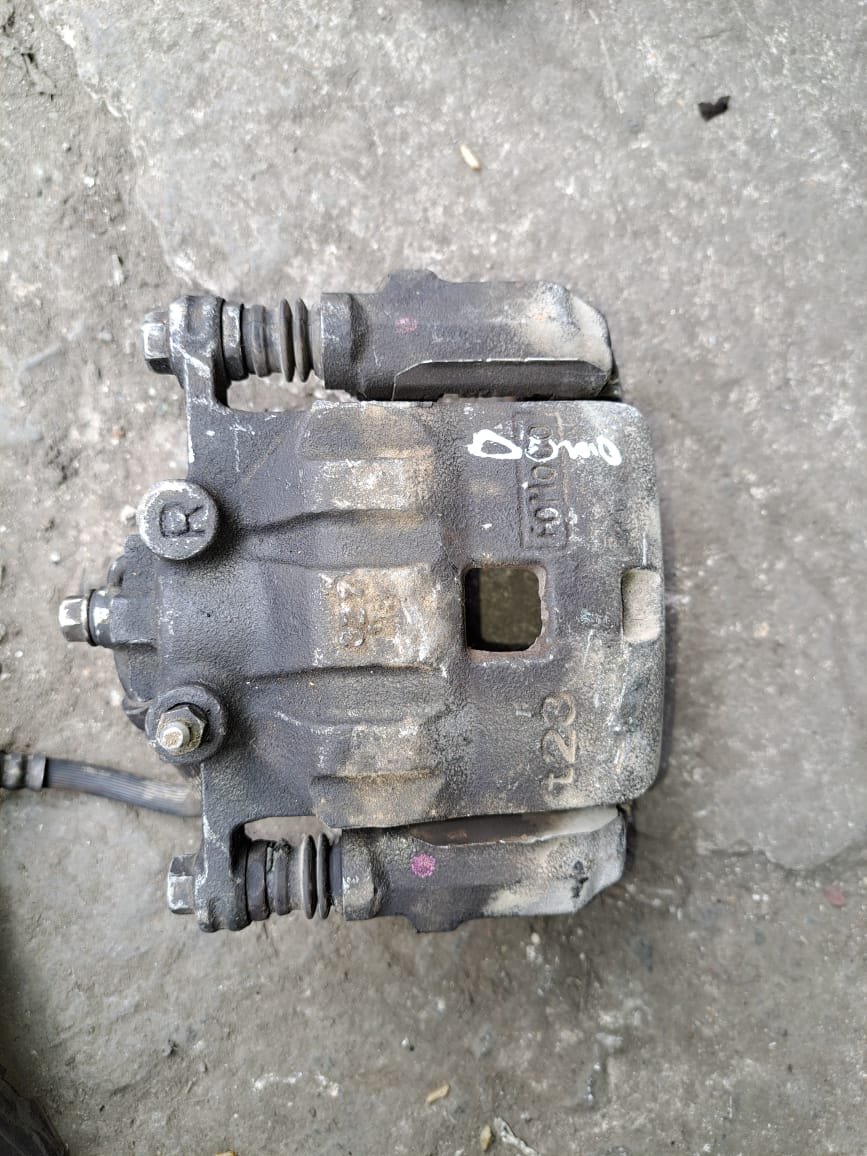
When you step on your brake pedal, a complex hydraulic process begins, ending with the brake caliper. This component is the “clamp” that forces your brake pads against the rotors to stop your vehicle. In a city like Nairobi, where sudden stops for pedestrians, matatus, and potholes are part of daily life, the health of your calipers is non-negotiable.
Does your car feel “loose” on the highway? Are you hearing a strange clunking sound every time you navigate a corner in Nairobi? Your steering rack—the heart of your vehicle’s handling—might be failing. In Kenya’s demanding driving conditions, from the potholes of city streets to the dusty trails of the Rift Valley, a high-performing steering system isn’t just a luxury; it’s a safety requirement.
In 2026, the Kenyan automotive landscape is more diverse than ever. From the fuel-efficient Toyota Vitz and Mazda Demio dominating Nairobi’s streets to the rugged Isuzu D-Max and Toyota Hilux tackling the rough terrains of Narok and Rift Valley, one thing remains constant: the need for high-quality, reliable spare parts.
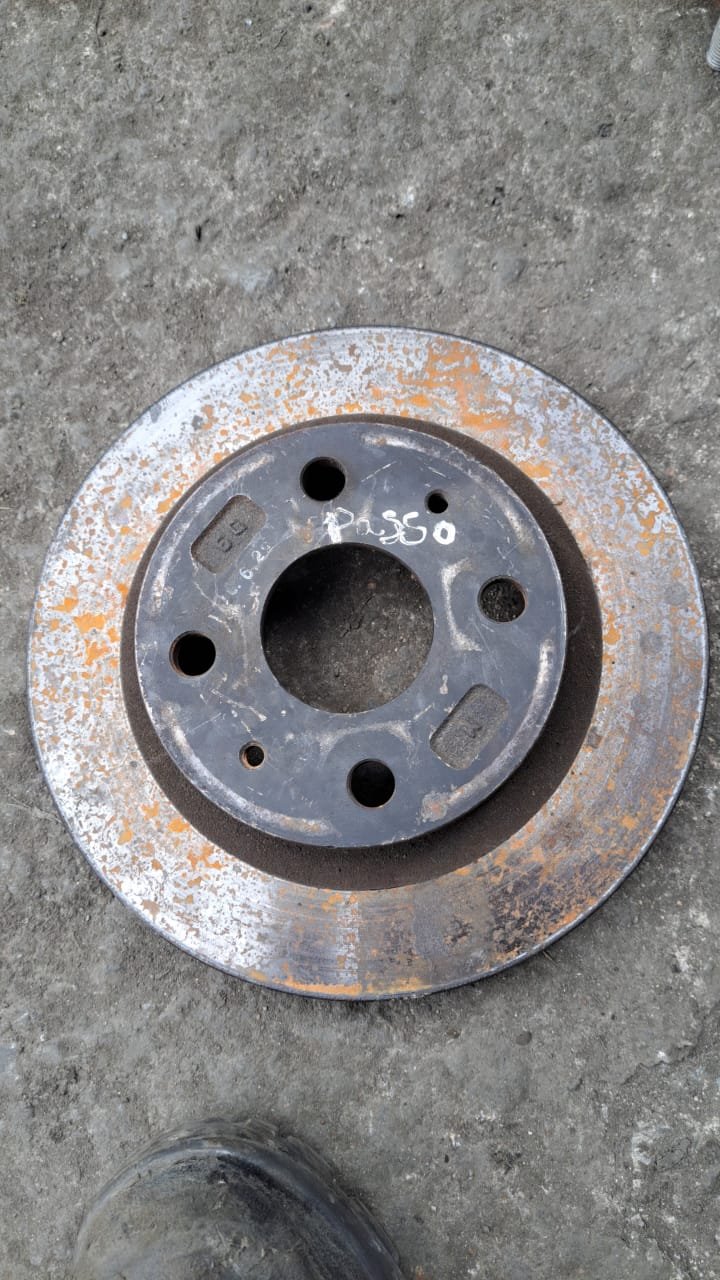
The ability to stop is just as important as the ability to go. When it comes to your vehicle’s braking system, there’s no room for compromise. Worn-out brake discs not only compromise your safety but can also lead to costly damage to other components of your braking system.
For every car owner in Kenya, the “Check Engine” light or a sudden grinding noise from the suspension brings a familiar sense of dread. Finding the right spare part in Nairobi can often feel like a gamble—balancing between overpriced showroom parts and questionable “second-hand” items from backstreet dealers.
Your brakes are the most critical safety feature of your vehicle. In a market as large as Nairobi’s, especially along busy hubs like Kirinyaga Road, the influx of counterfeit spare parts has reached an all-time high. Using “fake” brake pads doesn’t just cost you money in the long run—it puts your life at risk.
At Taleon Autospares Kenya, we believe an informed driver is a safe driver. Here is our expert guide on how to distinguish genuine brake pads from dangerous counterfeits.
1. The Price Red Flag
If the deal feels too good to be true, it almost certainly is. Authentic brands like Akebono, Bosch, and Asimco invest heavily in research, high-grade materials, and safety testing.
The Taleon Tip: Research the average market price. If a vendor is offering “Genuine Toyota” pads at 50% less than reputable shops like ours, they are likely selling a counterfeit that will fail under the heat of Nairobi traffic.
2. Scrutinize the Packaging
Counterfeiters often focus on the part and get lazy with the box. Look for these subtle errors:
Spelling Mistakes: Look for typos in brand names or instructions (e.g., “Toyata” instead of Toyota).
Printing Quality: Genuine packaging has sharp, high-resolution logos and vibrant colors. Fakes often have blurred images, faded ink, or pixelated logos.
Security Features: Genuine Asimco pads, for example, come with a tamper-proof QR code and a scratch-off label for PIN verification. If the seal is broken or missing, do not buy it.
3. Inspect the “Physical Finish”
Once you open the box, the part itself tells a story. Genuine brake pads have a high-quality finish that fakes cannot replicate:
Rough Edges: Counterfeits often have “burrs” or rough, unfinished metal edges. Genuine pads are smooth and precision-cut to fit your caliper perfectly.
The Friction Material: Look closely at the pad surface. Genuine pads have a consistent texture. If you see large chunks of metal or uneven “pockmarks,” the material is inferior and liable to ignite or crack under pressure.
Weight: Fakes are often significantly lighter because they use cheap filler materials instead of high-density metallic or ceramic compounds.
4. Verification via Technology
Modern manufacturers are fighting back with digital tools.
QR Codes & Holograms: Use your smartphone to scan QR codes on the box. Legitimate codes will take you to the manufacturer’s official verification page.
Serial Numbers: Many genuine pads have a unique serial number etched onto the metal backing. Cross-reference this number on the brand’s official website.
5. The “Smell and Rub” Test
It sounds strange, but your senses can help:
The Smell: Cheap, counterfeit pads often use low-grade resins that smell strongly of chemicals or burnt rubber even before they are used.
The Rub: Rub your finger across the friction material. If a significant amount of dark, dusty residue comes off immediately, the pad is too soft and will wear out in weeks, not months.
The Dangers of Fake Brake Pads
Brake Fade: Fake pads can’t handle the heat. On a long descent or in heavy traffic, they lose their “grip,” making the pedal feel soft and unresponsive.
Rotor Damage: Inferior materials can be too hard or abrasive, “scoring” your expensive brake discs and forcing you into a costly replacement.
Sudden Failure: In extreme cases, the friction material can literally detach from the metal backing plate, leading to total brake failure.
Conclusion: Trust the Source
The easiest way to avoid counterfeits is to buy from a supplier with a reputation to protect. At Taleon Autospares Kenya, we only source from verified manufacturers and authorized distributors. Every part we sell is a promise of safety.
In the Kenyan automotive market, the Toyota Premio and Toyota Fielder aren’t just cars; they are financial assets. Known for their incredible resale value and “unbreakable” reputation, these two models dominate our roads from Nairobi to Namanga.
However, as we move into 2025, the market is shifting. With the recent announcement that Toyota Japan will discontinue the Fielder and Axio series by late 2025, owning one today requires a smarter approach to maintenance and parts sourcing. At Taleon Autospares Kenya, we’ve helped thousands of owners keep these workhorses on the road. Here is everything you need to know about buying and maintaining them this year.
1. Why the Hype? The 2025 Market Reality
The Premio and Fielder share the same DNA—the legendary 1NZ-FE (1500cc) or 2ZR-FAE (1800cc) engines.
The Fielder: The ultimate “biashara” wagon. Whether you are hauling supplies for a hardware shop or taking the family upcountry, its 16.6 km/L efficiency is unbeatable.
The Premio: The “Executive” choice. It offers a softer ride and more prestige, often used by corporate professionals and business owners who value comfort.
Taleon Tip:With production ending in Japan this year, “Ex-Japan” parts for these models will become even more valuable. Stocking up on genuine sensors and body panels now is a wise move for long-term owners.
2. Common Issues to Watch For (The Mechanic’s Secret)
Even the most reliable cars have “weak spots.” Based on the parts we sell most frequently at our Kirinyaga Road shop, here is what typically goes wrong:
A. The CVT Gearbox “Whine”
Most post-2010 models use a Continuous Variable Transmission (CVT). In Kenya, these often fail because owners use the wrong fluid or skip service.
The Symptom: A high-pitched whining noise or “slipping” when accelerating.
The Fix: Use only Toyota CVT Fluid TC or FE. At Taleon, we stock genuine Ex-Japan CVT Gearboxes for roughly Ksh 115,000 for those whose units have already failed.
B. Excessive Oil Consumption (1ZZ and Early 1NZ)
Some older models tend to “eat” oil. This is often due to worn piston rings or a clogged PCV valve.
Taleon Solution: Before doing a full engine overhaul, try replacing the PCV valve and switching to a high-quality 20W-50 or 5W-40 synthetic oil which we stock in-store.
C. Suspension “Rattles”
Kenyan potholes are the natural enemy of the Fielder’s stabilizer links and bushings.
Price Guide: * Stabilizer Bushes: Ksh 300 – 400
Ball Joints (Japan 555 Brand): Ksh 1,400 – 2,200
Complete Shock Absorbers (KYB): Ksh 8,000 – 12,000 per side
3. 2025 Spare Parts Price List at Taleon Autospares
Keeping your Toyota running shouldn’t break the bank. Here are current market rates for common Ex-Japan and New parts:
Part Description
Condition
Estimated Price (Ksh)
1NZ Engine (Complete)
Ex-Japan
130,000 – 150,000
CVT Gearbox (New Model)
Ex-Japan
105,000 – 120,000
Nose Cut (Fielder 2014+)
Ex-Japan
85,000 – 110,000
Ignition Coils (Set of 4)
New/Genuine
12,000 – 16,000
Brake Pads (Front)
New (Asimco/Akebono)
2,500 – 4,500
Side Mirror Assembly
Ex-Japan
8,500 – 12,000
4. The Taleon “Pre-Purchase” Checklist
Buying a locally used Premio or Fielder? Don’t pay until you check these three things:
Check the “Sludge”: Open the oil filler cap. If you see thick black gunk, the owner skipped oil changes. Walk away.
The Dashboard “Christmas Tree”: Ensure the ABS and Airbag lights turn on and then off when you start the car. Some sellers disconnect these bulbs to hide faults.
The “Ex-Japan” Seal: Check the bolts on the fenders and engine. If the paint is chipped, the part has been removed or replaced—ask why!
5. Why Source from Taleon Autospares Kenya?
Located in the heart of Nairobi’s auto-hub on Kirinyaga Road, Taleon Autospares is more than just a shop.
We Verify Every Part: Our Ex-Japan stock is hand-selected to ensure low mileage and high performance.
Nationwide Delivery: Whether you are in Garissa, Kisumu, or Voi, we ship via reliable couriers within 24 hours.
Expert Advice: Not sure if a part fits? Our team uses original Toyota electronic parts catalogs to match your chassis number exactly.
Keep Your Toyota 100% Genuine
Don’t settle for “fake” spares that will leave you stranded on the highway. Trust the experts who know the Fielder and Premio inside out.
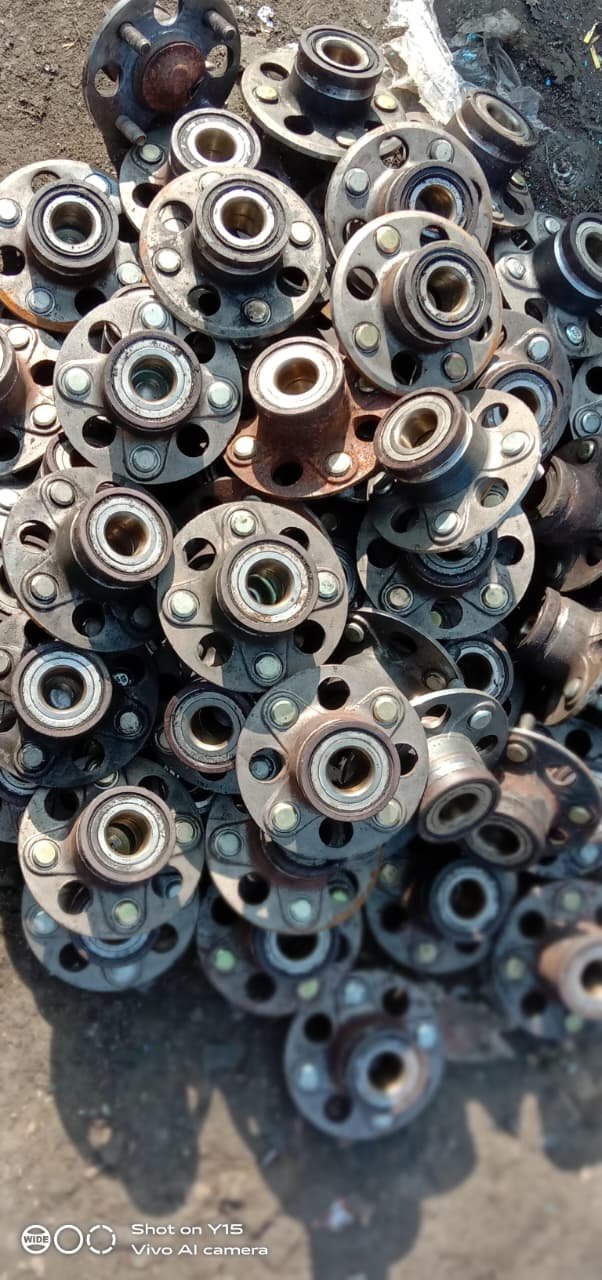
When it comes to vehicle safety and performance, few components are as critical—yet as overlooked—as the wheel hub. It acts as the central assembly that keeps your wheels attached to your car while allowing them to turn smoothly. On Kenya’s diverse terrain, from the smooth tarmac of the Nairobi Expressway to the rugged, pothole-prone roads in rural areas, your wheel hubs take a beating.
In the bustling automotive landscape of Kenya, the phrase “Ex-Japan” carries a weight of quality, durability, and affordability. For the thousands of Toyota, Nissan, Mazda, and Honda owners in Nairobi and beyond, finding a reliable source for these parts is the difference between a car that serves you for decades and one that becomes a permanent resident at the mechanic’s shop.
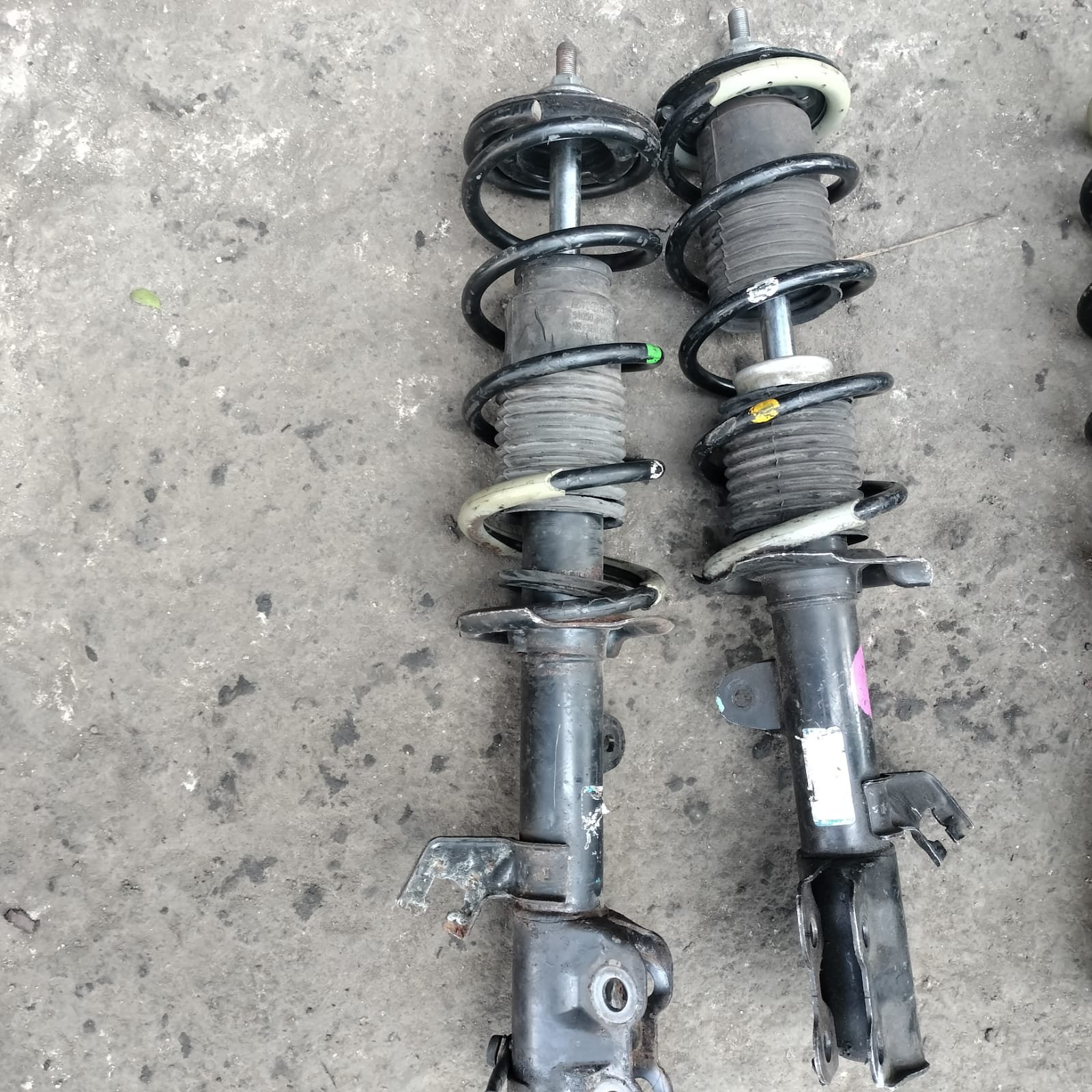
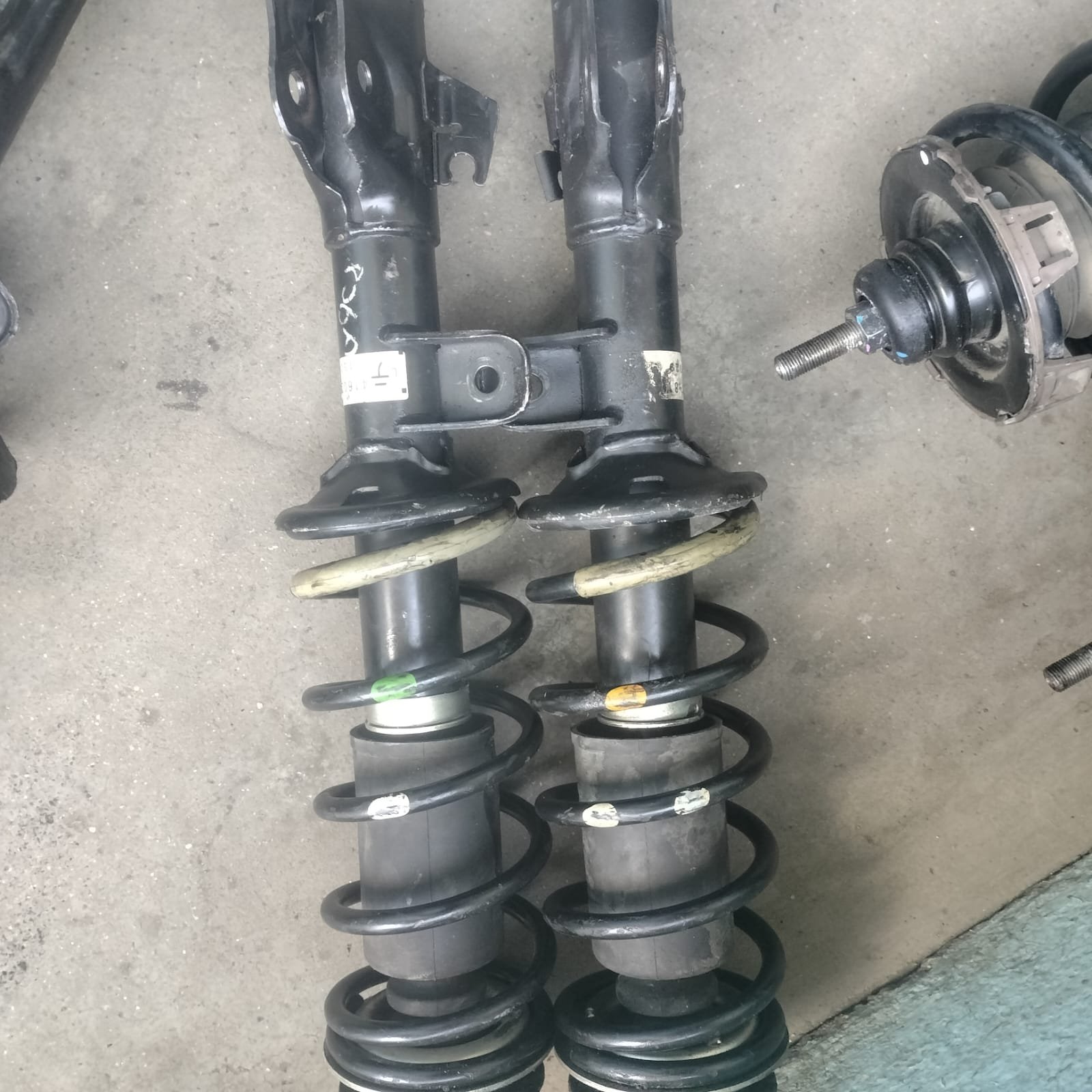
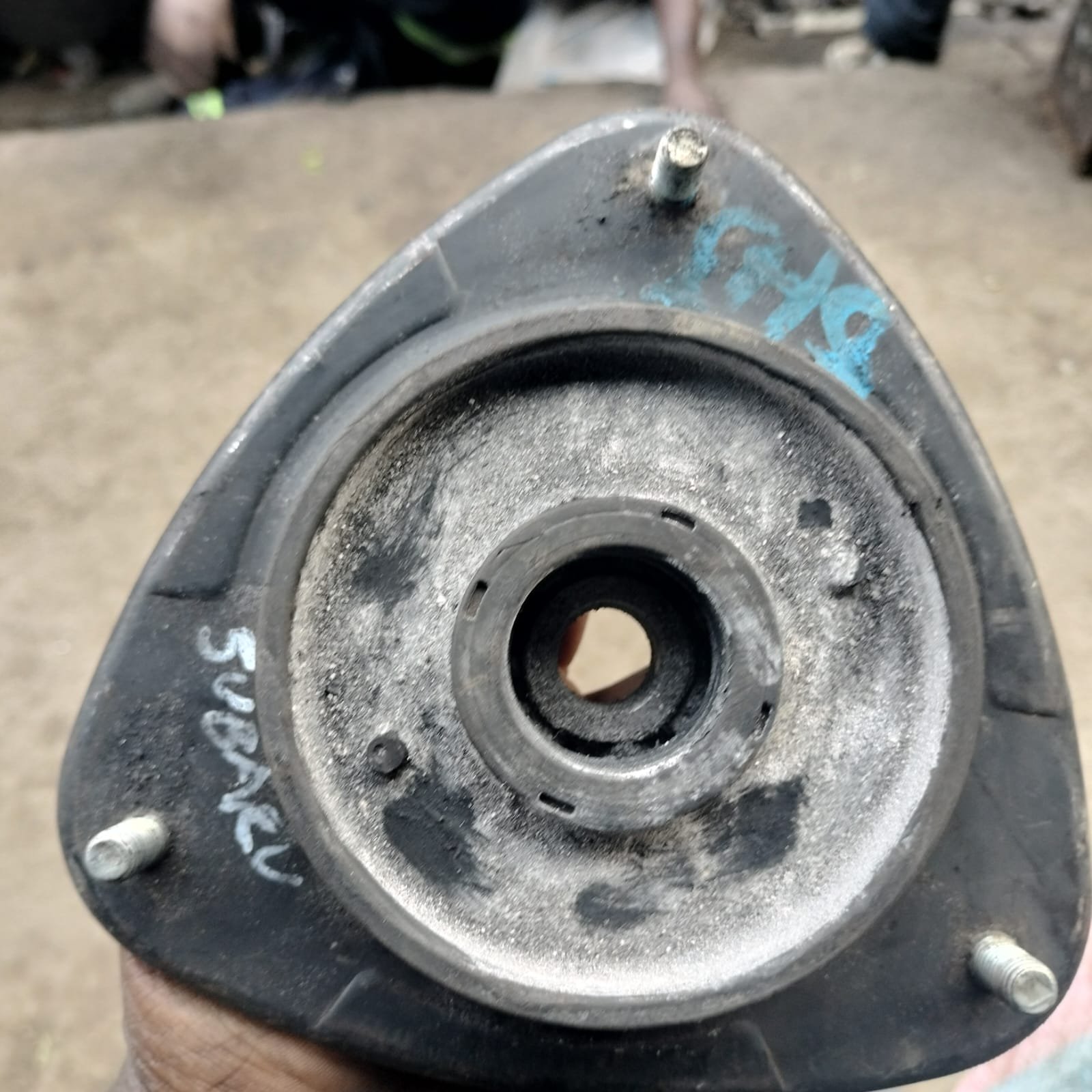
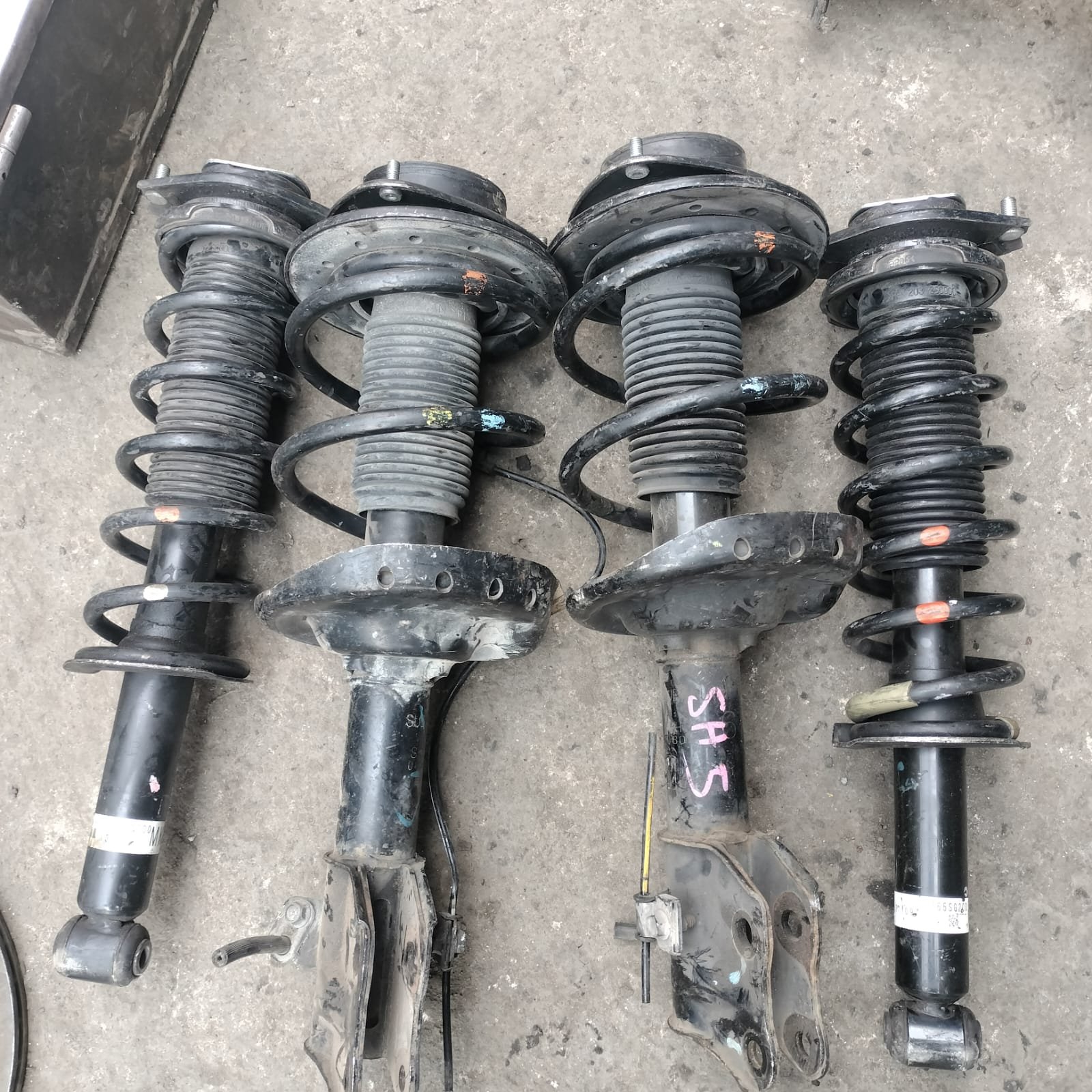
Driving in Kenya is an adventure. From the smooth tarmac of the Nairobi Expressway to the unpredictable potholes of inner-city estates and the rugged terrains of upcountry roads, our vehicles endure a lot. Among all the components that take a beating, your shock absorbers are on the frontline.