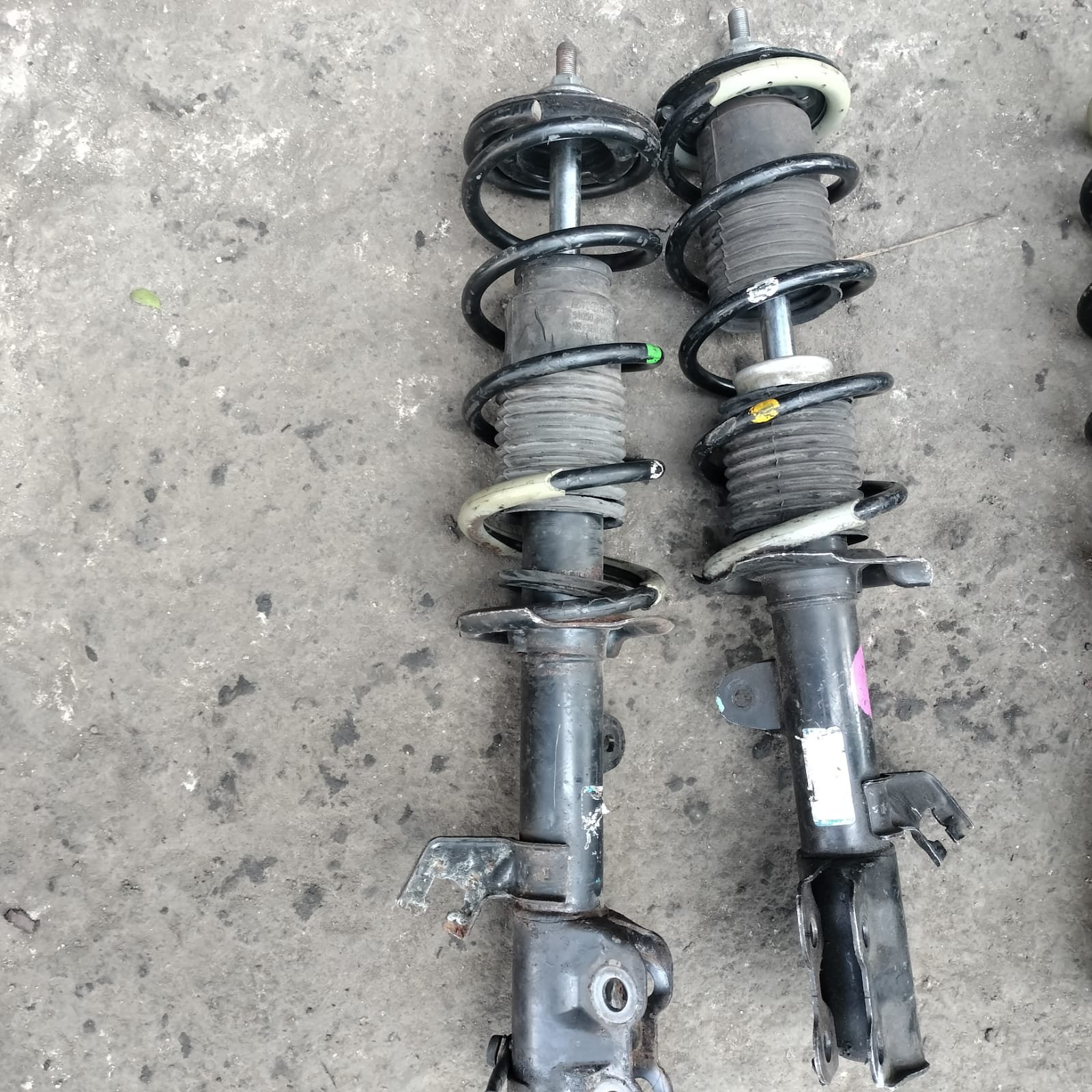
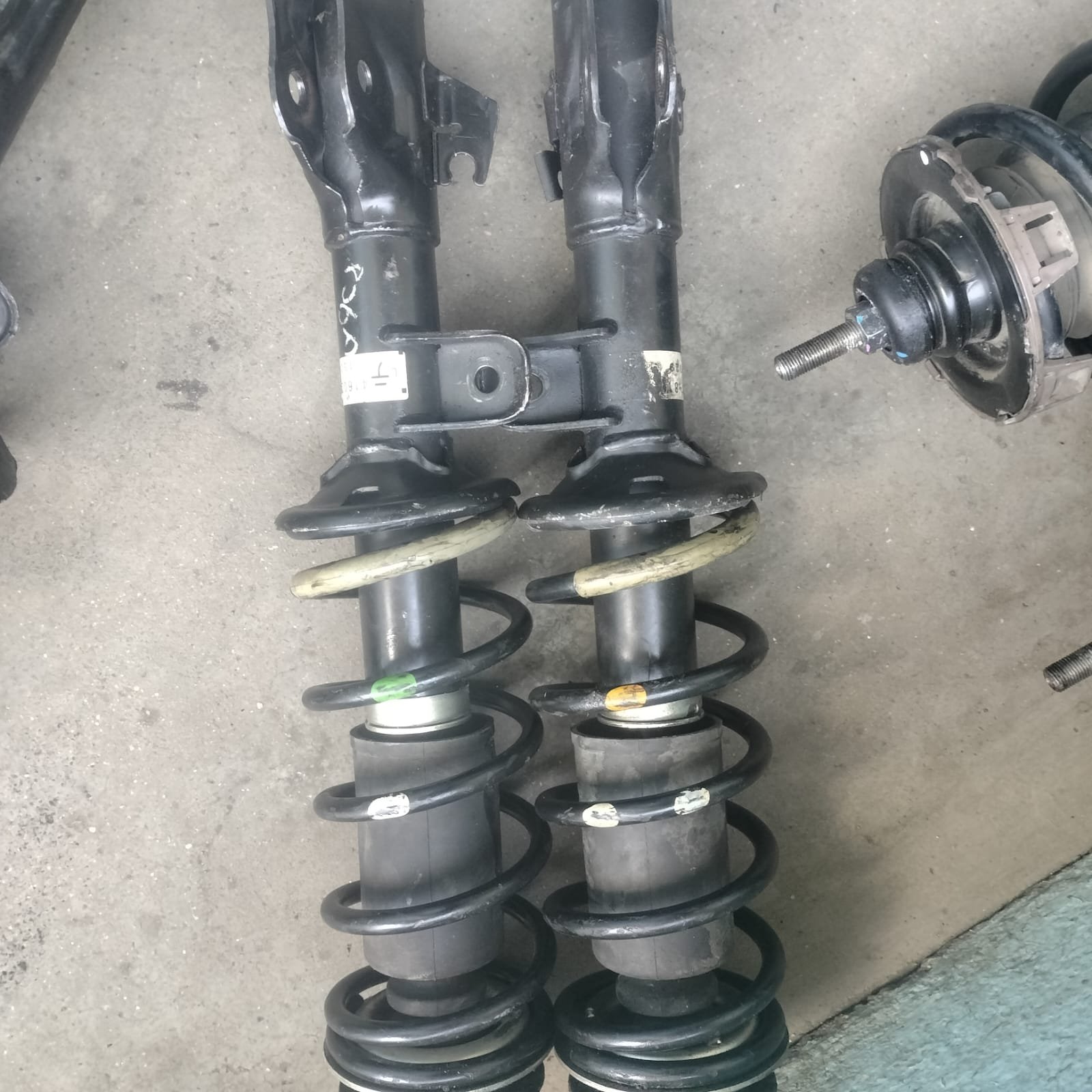
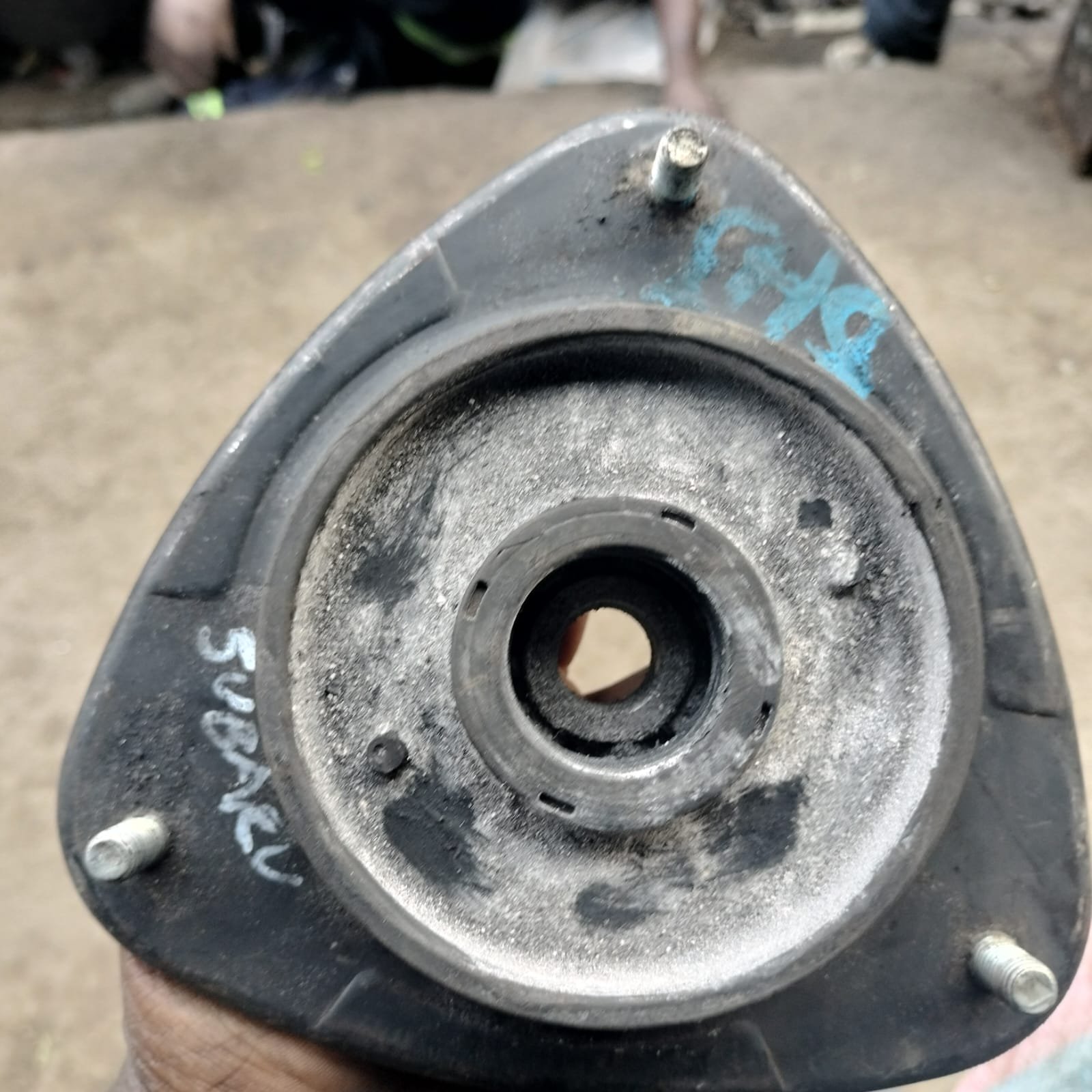
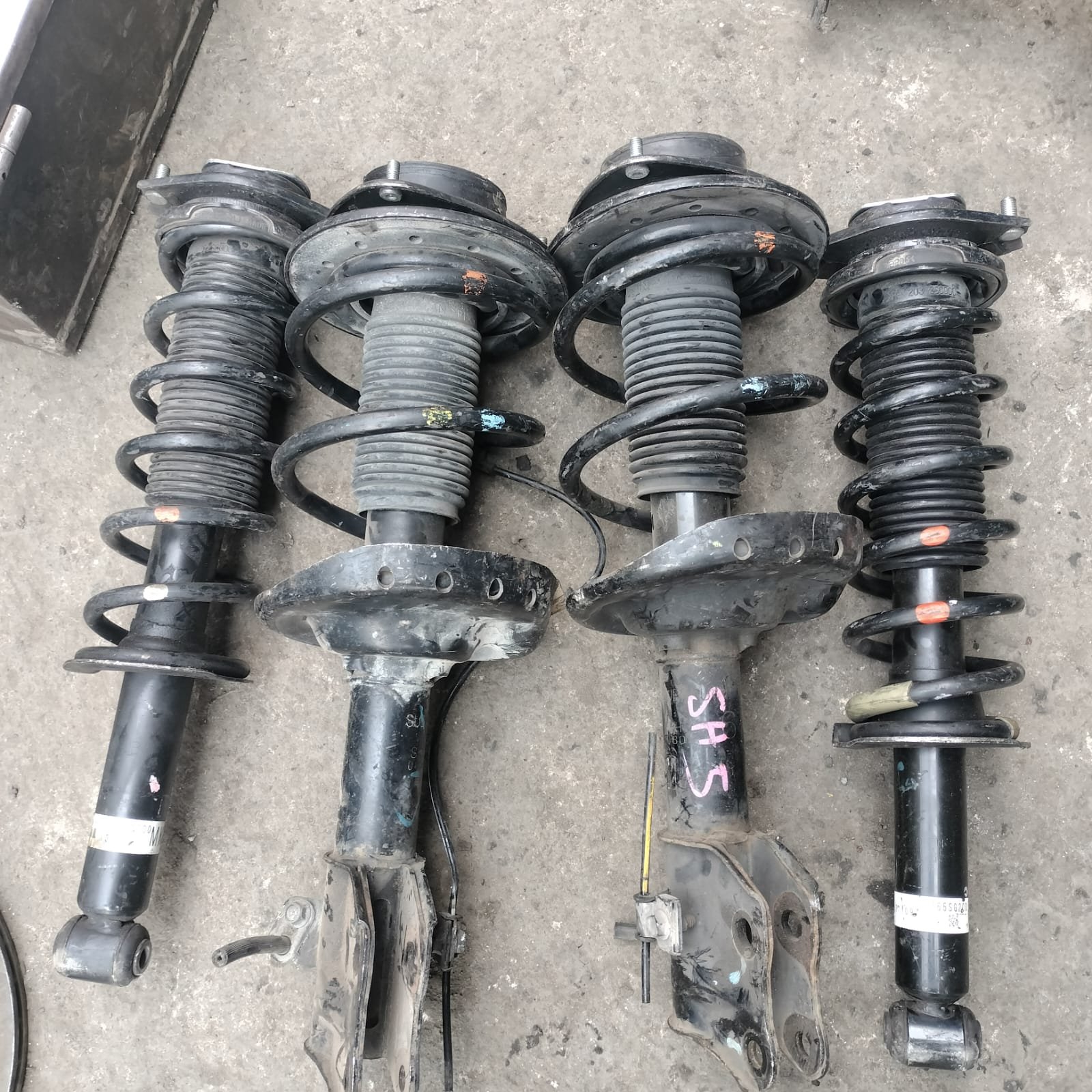
Nissan Note E12 Front Shock Absorbers

Why Taleon Autospares is Nairobi’s Premier Hub for High-Quality Ex-Japan Spare Parts

For every car owner in Kenya, the “Check Engine” light or a sudden grinding noise from the suspension brings a familiar sense of dread. Finding the right spare part in Nairobi can often feel like a gamble—balancing between overpriced showroom parts and questionable “second-hand” items from backstreet dealers.

How to Spot Counterfeit Brake Pads in the Nairobi Market: A Guide by Taleon Autospares Kenya

Your brakes are the most critical safety feature of your vehicle. In a market as large as Nairobi’s, especially along busy hubs like Kirinyaga Road, the influx of counterfeit spare parts has reached an all-time high. Using “fake” brake pads doesn’t just cost you money in the long run—it puts your life at risk.

At Taleon Autospares Kenya, we believe an informed driver is a safe driver. Here is our expert guide on how to distinguish genuine brake pads from dangerous counterfeits.


1. The Price Red Flag

If the deal feels too good to be true, it almost certainly is. Authentic brands like Akebono, Bosch, and Asimco invest heavily in research, high-grade materials, and safety testing.

  • The Taleon Tip: Research the average market price. If a vendor is offering “Genuine Toyota” pads at 50% less than reputable shops like ours, they are likely selling a counterfeit that will fail under the heat of Nairobi traffic.

2. Scrutinize the Packaging

Counterfeiters often focus on the part and get lazy with the box. Look for these subtle errors:

  • Spelling Mistakes: Look for typos in brand names or instructions (e.g., “Toyata” instead of Toyota).
  • Printing Quality: Genuine packaging has sharp, high-resolution logos and vibrant colors. Fakes often have blurred images, faded ink, or pixelated logos.
  • Security Features: Genuine Asimco pads, for example, come with a tamper-proof QR code and a scratch-off label for PIN verification. If the seal is broken or missing, do not buy it.

3. Inspect the “Physical Finish”

Once you open the box, the part itself tells a story. Genuine brake pads have a high-quality finish that fakes cannot replicate:

  • Rough Edges: Counterfeits often have “burrs” or rough, unfinished metal edges. Genuine pads are smooth and precision-cut to fit your caliper perfectly.
  • The Friction Material: Look closely at the pad surface. Genuine pads have a consistent texture. If you see large chunks of metal or uneven “pockmarks,” the material is inferior and liable to ignite or crack under pressure.
  • Weight: Fakes are often significantly lighter because they use cheap filler materials instead of high-density metallic or ceramic compounds.

4. Verification via Technology

Modern manufacturers are fighting back with digital tools.

  • QR Codes & Holograms: Use your smartphone to scan QR codes on the box. Legitimate codes will take you to the manufacturer’s official verification page.
  • Serial Numbers: Many genuine pads have a unique serial number etched onto the metal backing. Cross-reference this number on the brand’s official website.

5. The “Smell and Rub” Test

It sounds strange, but your senses can help:

  • The Smell: Cheap, counterfeit pads often use low-grade resins that smell strongly of chemicals or burnt rubber even before they are used.
  • The Rub: Rub your finger across the friction material. If a significant amount of dark, dusty residue comes off immediately, the pad is too soft and will wear out in weeks, not months.

The Dangers of Fake Brake Pads

  • Brake Fade: Fake pads can’t handle the heat. On a long descent or in heavy traffic, they lose their “grip,” making the pedal feel soft and unresponsive.
  • Rotor Damage: Inferior materials can be too hard or abrasive, “scoring” your expensive brake discs and forcing you into a costly replacement.
  • Sudden Failure: In extreme cases, the friction material can literally detach from the metal backing plate, leading to total brake failure.

Conclusion: Trust the Source

The easiest way to avoid counterfeits is to buy from a supplier with a reputation to protect. At Taleon Autospares Kenya, we only source from verified manufacturers and authorized distributors. Every part we sell is a promise of safety.

The Ultimate Guide to Wheel Hubs in Kenya: Why Taleon Spares is Your Best Bet

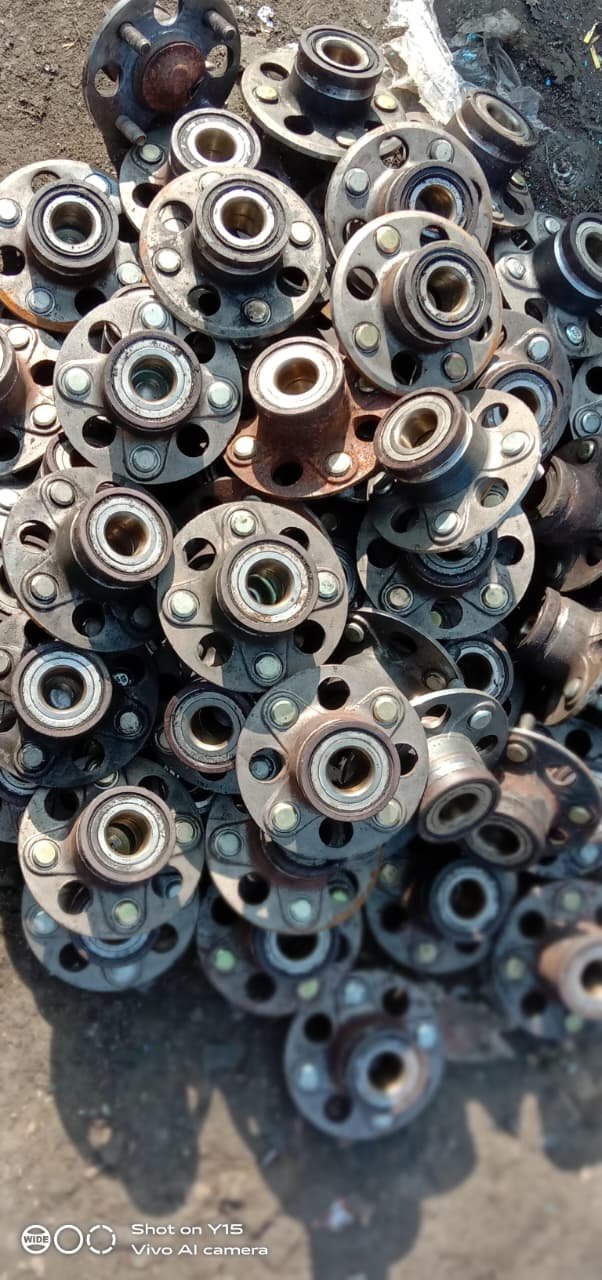
When it comes to vehicle safety and performance, few components are as critical—yet as overlooked—as the wheel hub. It acts as the central assembly that keeps your wheels attached to your car while allowing them to turn smoothly. On Kenya’s diverse terrain, from the smooth tarmac of the Nairobi Expressway to the rugged, pothole-prone roads in rural areas, your wheel hubs take a beating.

Why Taleon Spares Kenya is the Ultimate Destination for Best Ex-Japan Spare Parts in Kenya

In the bustling automotive landscape of Kenya, the phrase “Ex-Japan” carries a weight of quality, durability, and affordability. For the thousands of Toyota, Nissan, Mazda, and Honda owners in Nairobi and beyond, finding a reliable source for these parts is the difference between a car that serves you for decades and one that becomes a permanent resident at the mechanic’s shop.

Genuine vs. Counterfeit: 5 Physical Markers of Genuine Toyota Spare Parts in Kenya

In Kenya, the Toyota brand is more than just a car manufacturer; it is the backbone of our transport system. From the rugged Hilux navigating the tea zones of Kericho to the Probox and Vitz weaving through Nairobi’s downtown, Toyotas are prized for one thing: Reliability. However, that reliability is only as strong as the parts inside the machine. As the most popular car brand in the country, Toyota is also the most targeted by counterfeiters. Today, the Kenyan market is flooded with “look-alike” parts that mimic the red-and-white Toyota packaging but lack the engineering that keeps your engine alive.

At Taleon Autospares Kenya, we believe that an informed driver is a safe driver. In this guide, we break down the five physical markers you must check before paying for any Toyota spare part.


1. The Packaging: More Than Just a Red Box

Counterfeiters have mastered the art of printing red boxes, but they rarely get the “DNA” of the packaging right. Toyota’s packaging for 2025 has specific security features that are expensive to replicate.

The Print Quality

Genuine Toyota boxes use high-definition printing. If you look closely at a counterfeit box, you will often see “pixelation” or blurry edges around the logo.

  • The “Toyota” Font: Toyota uses a specific, proprietary font. Counterfeits often have slight variations—the “o” might be too round, or the “y” might have a different tail.
  • Spelling Errors: It sounds simple, but many fakes in the Kenyan market still feature typos like “Toyata” or “Genunine” in the fine print on the back of the box.

Smart Packaging & Eco-Symbols

In 2025, Toyota updated its global packaging to include eco-friendly symbols and “Smart Ink.”

  • Temperature Sensitive Ink: Some genuine labels now feature a small area where the color changes slightly when rubbed with a finger (due to heat).
  • The Label Texture: Genuine labels are semi-glossy and difficult to peel off in one piece. Counterfeit labels are often just paper stickers that feel “cheap” and peel off easily, leaving a messy residue.

2. The Hologram: The Angle of Truth

Most genuine Toyota parts sold in East Africa come with a security hologram sticker. This is the most difficult feature for counterfeiters to fake convincingly.

How to Test It:

  1. The Color Shift: Tilt the box under a light. A genuine hologram will transition smoothly between colors (usually green, gold, and red) and reveal the Toyota logo and the word “GENUINE” at different angles.
  2. The Depth: Genuine holograms have a 3D “depth” to them. Counterfeit holograms are usually “flat” stickers that look like shiny foil but don’t show different images when tilted.
  3. Alignment: Toyota’s machines apply these stickers with robotic precision. If the hologram is crooked, off-center, or looks like it was placed by hand, it’s a red flag.

3. The 17-Digit QR Code & Serial Numbers

Technology is now the best weapon against fakes. Every genuine Toyota part produced in recent years carries a unique identification number.

The Scanning Process

In 2025, most genuine parts feature a QR code that connects to Toyota’s global verification database.

  • Unique Codes: A common trick among counterfeiters is to print the same QR code on 1,000 different boxes. If you are in a shop with multiple units of the same part (e.g., spark plugs), scan two different boxes. If they show the exact same serial number, they are fakes.
  • The 10-Digit Part Number: Every part has a 10-digit number (e.g., 90915-YZZD2 for an oil filter). Cross-reference this number on the Taleon Autospares website or the official Toyota parts catalog. If the number on the box is for a brake pad but the box contains a fuel filter, you’ve spotted a fake.

4. The Physical Build: Weight, Finish, and Markings

Once you open the box, the part itself tells the real story. Toyota parts are engineered to a 0.5mm tolerance. Counterfeits are made in backyard foundries.

Laser Etching

Genuine Toyota metal parts (like oil filters, water pumps, or brake discs) are usually laser-etched with the Toyota logo and the part number.

  • The Depth: The etching should be clean and precise.
  • Fakes: Counterfeiters often use “stamping” or “ink printing” on the part because laser etching equipment is expensive. If the logo on the metal looks “inked on” and can be rubbed off with petrol or thinners, it is not genuine.

The Weight Test

Counterfeiters save money by using “pot metal” or lighter alloys.

  • Example: A genuine Toyota Hilux brake disc is significantly heavier than a counterfeit because it contains high-density carbon-iron for heat dissipation.
  • The Feel: If the part feels “hollow” or suspiciously light compared to the old one you just removed from your car, do not install it.

5. The “Smell and Touch” of Rubber and Plastic

Many Toyota spares involve rubber—bushings, fan belts, and hoses. This is where fakes fail the fastest in the Kenyan climate.

Rubber Quality

  • The Scent: Genuine Toyota rubber has a very mild, neutral smell. Counterfeit rubber often smells strongly of “recycled tires” or harsh chemicals/kerosene.
  • Flexibility: Genuine bushings are firm but have a specific “bounce.” Fake bushings are either as hard as plastic (which will crack and cause knocking sounds) or too soft (which will fail within weeks of driving on a potholed road).

Plastic Moldings

Look at the “seams” of plastic parts like air filter housings or sensors.

  • Genuine: Smooth seams with no “flashing” (excess plastic bits hanging off).
  • Fake: Visible mold lines, rough edges, and inconsistent coloring.

Why “Cheap” is Expensive: The Taleon Perspective

As Dickson Kuria, our founder, always says: “A fake part is a debt you will pay with interest.” Buying a counterfeit Toyota oil filter might save you Ksh 800 today. But if that filter collapses internally—which fakes often do—it blocks the oil flow to your engine. Within minutes, your engine can “seize,” turning a Ksh 800 saving into a Ksh 250,000 engine overhaul bill.

The Taleon Guarantee

At Taleon Autospares Kenya, we eliminate the “guesswork.”

  1. Direct Sourcing: We bypass “middlemen” who might mix fakes with genuine stock.
  2. Warranty: Every genuine Toyota part we sell comes with a verified warranty.
  3. Transparency: We encourage our customers to inspect the parts using the markers listed above before they leave our counter.

Summary Checklist for Your Next Visit to Taleon

  • [ ] Box: Is the printing crisp? No typos?
  • [ ] Hologram: Does it shift colors and show “Genuine” when tilted?
  • [ ] Part Number: Does the 10-digit code match the part inside?
  • [ ] Logo: Is the Toyota logo laser-etched into the metal?
  • [ ] Weight: Does the part feel solid and heavy?

Don’t let a counterfeit part put your family at risk. Whether you are doing a routine service on your Toyota Fielder or a major overhaul on your Land Cruiser, trust the experts who prioritize your safety.


Visit Us Today: Taleon Autospares Kenya 📍 Kirinyaga Road, Nairobi 📞 0705 280 326 / 0700 595 933 🌐 taleonspareskenya.co.ke

The Counterfeit Crisis: How to Identify Fake vs. Genuine Brake Pads in Kenya

In the bustling streets of Nairobi and across the highways of Kenya, the safety of your vehicle depends on one critical moment: when you step on the brake pedal. For many drivers, the choice of brake pads is often seen as a simple financial decision. However, in an industry increasingly plagued by counterfeits, that “cheap” set of brake pads could be the most expensive mistake you ever make.

Search products
Back to Top
Please select your product
Product has been added to your cart
Compare (0)