Common Steering Rack Problems in the Toyota Premio and How to Fix Them

The Toyota Premio is a Kenyan favorite for a reason: it’s reliable, fuel-efficient, and retains its value. However, as these cars age—especially those imported from Japan as used units—one common mechanical headache begins to emerge: Steering Rack Failure.

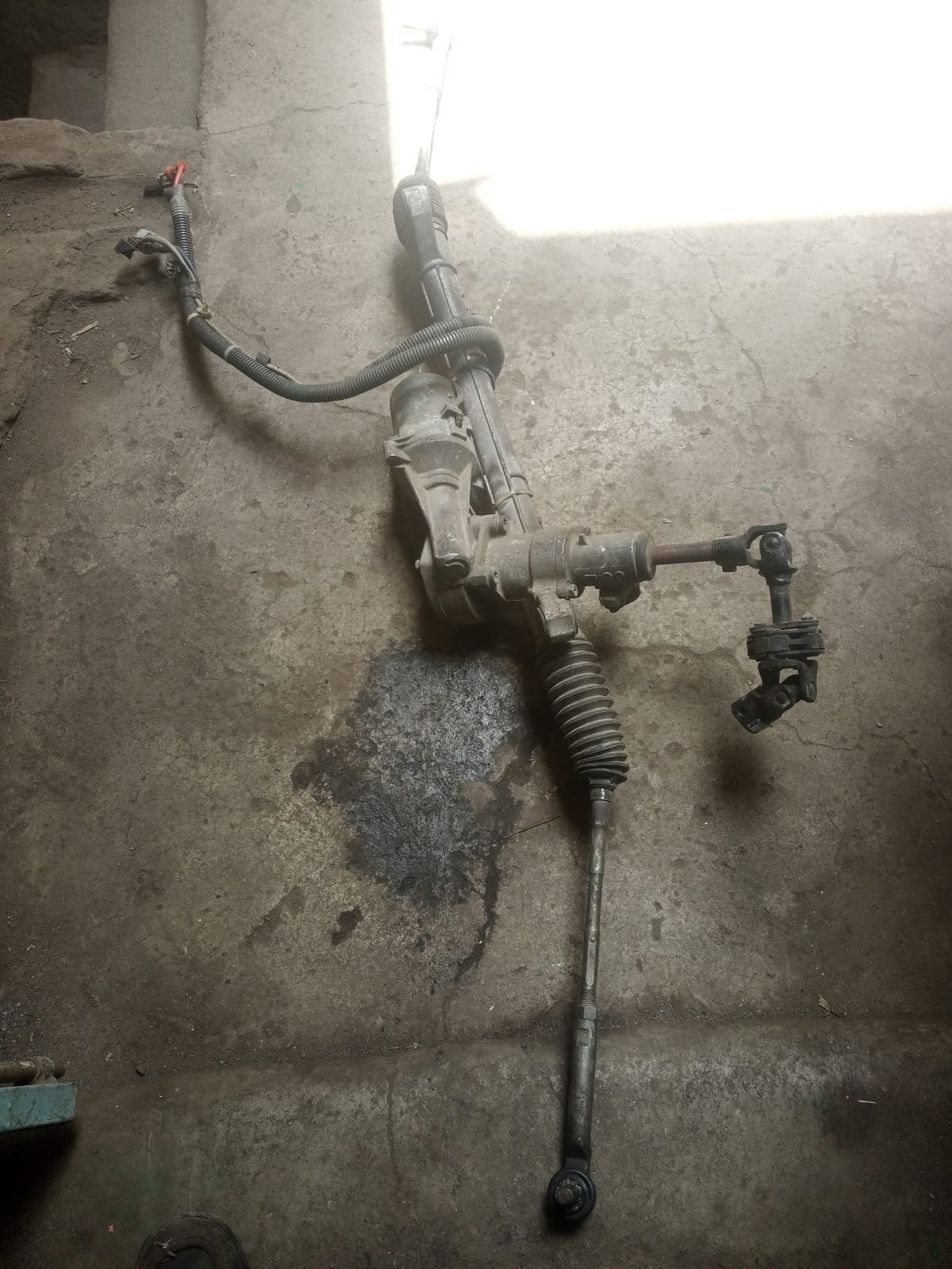
Because the Premio is often driven in urban stop-and-go traffic and over plenty of speed bumps, the steering system takes a lot of punishment. At Taleon Spares Kenya, we see many Premio owners who have been told they need a “new rack” but don’t know why.

In this guide, we’ll look at the symptoms of a failing Premio steering rack, the difference between hydraulic and electric systems, and the most cost-effective ways to fix them.


1. Hydraulic vs. Electric: Know Your Premio

Before you can fix the problem, you need to know which system your Premio uses.

  • Hydraulic Power Steering (Pre-2010 Models): These use a pump and fluid. If you see a reservoir with “Power Steering Fluid” under your hood, you have a hydraulic system.
  • Electric Power Steering (EPS) (Post-2010/ZRT260 Models): Most modern Premios use an electric motor attached to the steering column or the rack itself. There is no fluid to check here; everything is electronic.

2. Common Symptoms of Premio Steering Failure

A. The “Morning Stiffness”

If you start your Premio in the morning and the steering wheel feels incredibly heavy or “stiff” until the car warms up, you likely have a hydraulic fluid issue or a failing EPS motor.

B. Persistent Leaks (Hydraulic Only)

Check the ground where you park. If you see red or pinkish fluid near the front wheels, your steering rack seals have failed. In Kenya’s hot climate, these rubber seals can dry out and crack, leading to a loss of pressure.

C. The “Clunk” or “Knock”

When you turn the wheel quickly while parking, do you hear a clunk-clunk sound? This often indicates that the internal gears of the rack (the rack and pinion) have developed “play” or that the mounting bushings have worn out.

D. The Dashboard “Warning Light”

For newer Premios (ZRT260), an illuminated steering wheel icon with an exclamation mark (!) means your EPS system has a fault. This could be a blown fuse, a faulty sensor, or a dead electric motor.


3. Why Premio Steering Racks Fail in Kenya

  • Pothole Impact: Hitting a deep pothole at speed sends a shockwave directly into the steering gears, which can bend the internal rack.
  • Fluid Contamination: Using the wrong power steering fluid (or never changing it) causes the pump and rack to wear out from the inside.
  • Nairobi Dust: Dust can tear the “bellows” (the rubber boots) on the rack. Once the boots are torn, sand gets into the gears and grinds them down like sandpaper.

4. How to Fix It: Repair vs. Replacement

Option 1: Seal Kits (The Cheap Fix)

If you have a minor leak in a hydraulic rack, some mechanics suggest a “seal kit.” However, at Taleon Spares Kenya, we advise caution. If the internal metal rod is scratched, new seals will fail again in a few weeks.

Option 2: New Aftermarket Racks

These are shiny and new but often lack the heavy-duty metal quality of original Toyota parts. They may feel “too light” or fail again within a year.

Option 3: Ex-Japan Genuine Racks (The Pro Choice)

This is our specialty. An Ex-Japan Toyota Premio Steering Rack comes from a low-mileage car in Japan. It features original Japanese steel and factory-fitted seals. It’s a “bolt-on” solution that restores that original “showroom” steering feel for a fraction of the price of a new OEM unit.


5. Prevention: How to Make Your Steering Last

  1. Check your Boots: Ensure the rubber bellows on your rack aren’t torn. If they are, replace them immediately!
  2. Fluid Flushes: If you have a hydraulic system, change your fluid every 40,000km.
  3. Avoid “Full Lock”: Don’t hold your steering wheel at the maximum left or right position for more than a few seconds; this puts maximum pressure on the seals.

Conclusion: Drive with Precision Again

A faulty steering rack makes a great car like the Toyota Premio feel old and dangerous. Whether you need a hydraulic rack for an older model or an EPS unit for a newer ZRT260, we’ve got you covered.
Hearing a Humming Noise? It Might Be Your Wheel Hub Bearing

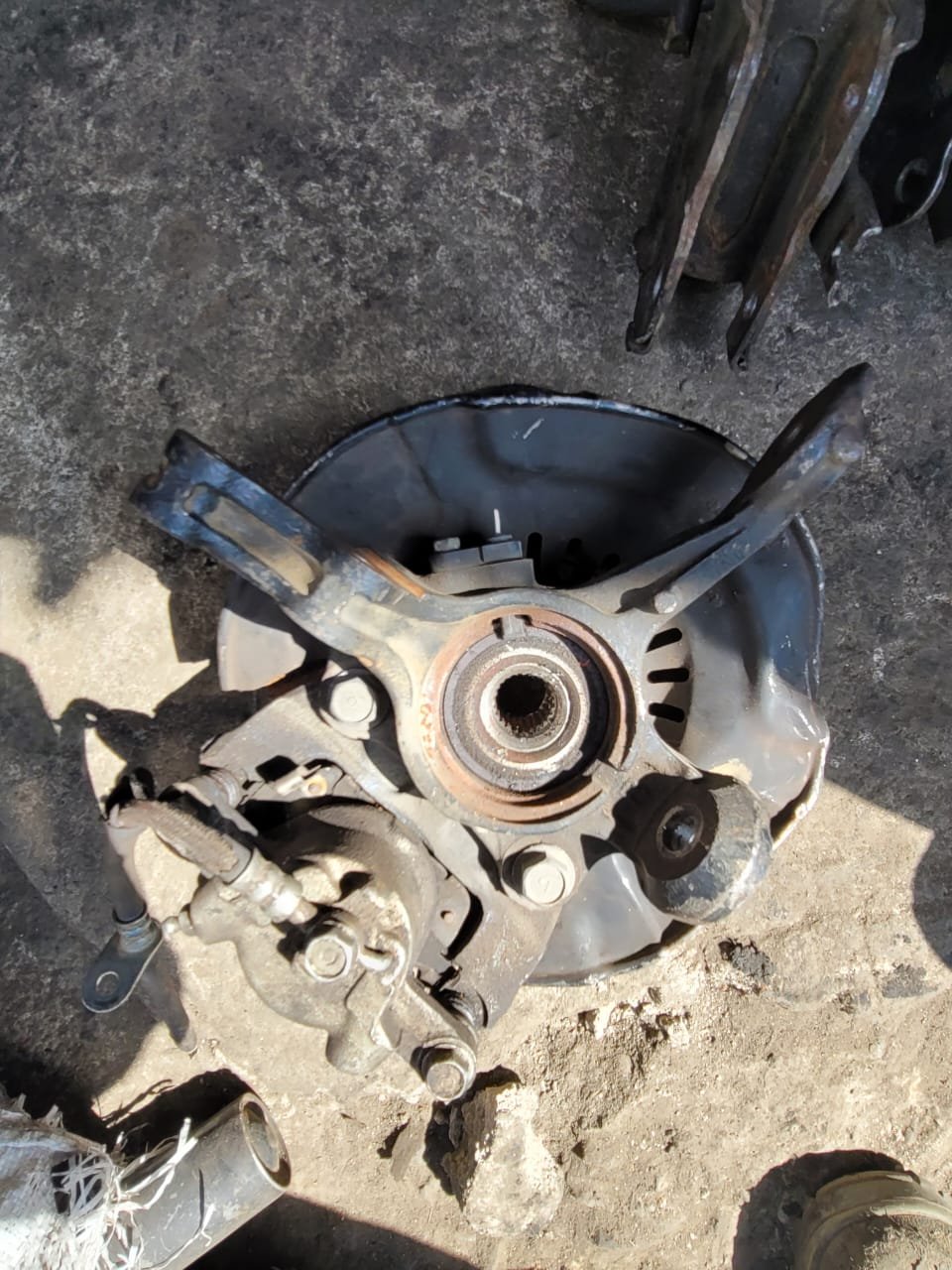
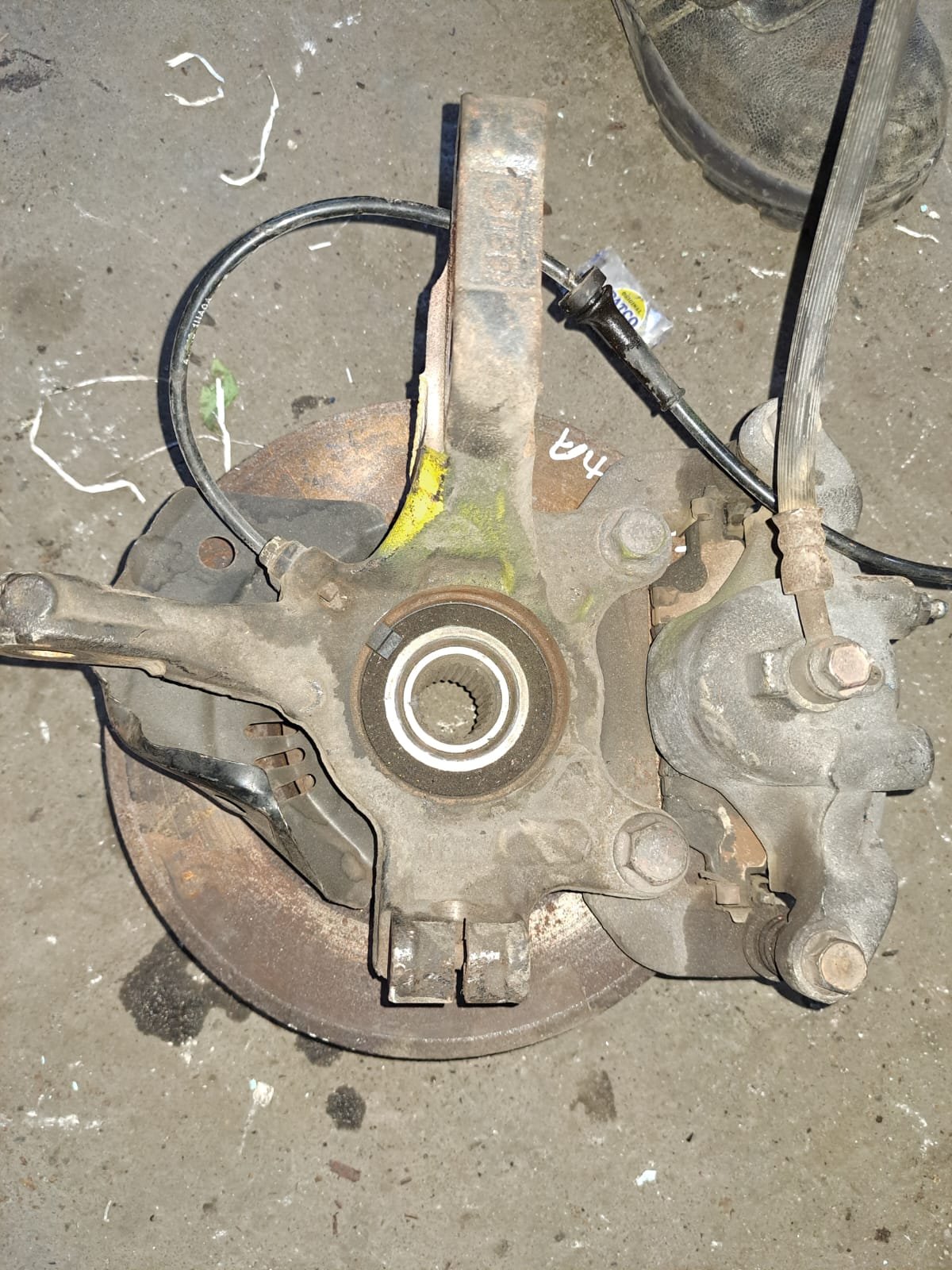
You’re cruising along the Thika Superhighway or the Southern Bypass, and as your speed climbs to 80km/h, you notice it—a low, persistent “hmmm” or a droning sound that seems to be coming from under the floorboards. You turn up the radio, but the sound just gets louder as you go faster.

In the Kenyan car community, this sound is often misdiagnosed as “road noise” or “old tires.” However, at Taleon Spares Kenya, we know that more often than not, that unhappy “bee” trapped in your wheel is actually a failing Wheel Hub Bearing.

In this guide, we’ll explain what a wheel hub bearing does, how to tell if yours is dying, and why ignoring that humming noise could lead to one of the most dangerous mechanical failures on the road.


1. What is a Wheel Hub Bearing?

The wheel hub bearing is the unsung hero of your car’s mobility. It is a set of steel balls (or rollers) held together by a metal ring, called a race. Its primary job is to allow your wheels to spin with zero friction while supporting the entire weight of your vehicle.

Most modern cars in Kenya, such as the Honda Fit (GE6/GK3), Toyota Vitz, and Mazda Demio, use a “sealed” hub assembly. This means the bearing is packed with high-temperature grease and sealed at the factory. It’s designed to be maintenance-free—until it isn’t.


2. Why do Hub Bearings Fail in Kenya?

While these parts are built for endurance, the Kenyan environment is a “perfect storm” for bearing failure:

  • Potholes & Speed Bumps: A heavy impact from a pothole can cause a “flat spot” on the steel balls inside the bearing. Once that smooth surface is damaged, it starts to grind.
  • Floodwaters: During the rainy season, driving through deep puddles can force water past the bearing seals. This washes away the grease and causes the metal to rust.
  • Dust & Grit: Nairobi’s fine red dust can act like an abrasive, gradually wearing down the seals and entering the bearing.
  • Overloading: Many cars like the Toyota Probox or Fielder carry loads beyond their design capacity, putting immense pressure on the rear hub bearings.

3. The 3 Tell-Tale Signs of a Bad Bearing

A. The “Speed-Sensitive” Hum

The most common symptom is a humming, growling, or roaring noise.

  • The Test: If the noise gets higher in pitch as you accelerate and lower as you slow down, it’s likely the bearing.
  • Tire Noise vs. Bearing Noise: Tire noise usually changes depending on the road surface (asphalt vs. concrete). Bearing noise stays the same regardless of the road material.

B. The “Sway Test” (Load Shifting)

This is the best way to confirm which side is failing. While driving at a safe speed on a clear road, gently sway the car left and right (like a boat).

  • If you sway left (putting weight on the right side) and the noise gets louder, your right bearing is bad.
  • If you sway right and the noise gets louder, the left bearing is the culprit.

C. Steering Wheel Vibration & “Play”

When a bearing is severely worn, it allows the wheel to “wobble” slightly on the axle. You will feel this as a vibration in the steering wheel or even through the seat. If you jack up the car and can move the wheel by hand (the 12 and 6 o’clock positions), the hub is dangerously loose.


4. The Hidden Danger: Why You Shouldn’t Wait

A humming bearing is a warning. If you ignore it, the friction will eventually generate enough heat to weld the bearing to the axle or, in extreme cases, cause the wheel to detach from the car entirely.

Additionally, many modern hubs (like the Honda Fit Rear Hub) have the ABS (Anti-lock Braking System) sensor integrated into them. A failing bearing will trigger your ABS warning light on the dashboard, potentially disabling your emergency braking system.


5. Why Choose Taleon Spares for Your Hub Replacement?

When it comes to bearings, quality is everything. A “cheap” bearing might last only 5,000km before the humming returns.

At Taleon Spares Kenya, we stock:

  • Genuine Ex-Japan Hubs: Sourced from low-mileage vehicles, offering original OEM durability.
  • Magnetic ABS-Ready Hubs: Specifically for the Honda Fit and Vezel, ensuring your dashboard lights stay off.
  • Heavy-Duty Bearings: For the Toyota Fielder and Probox to handle Kenyan loading needs.

Popular Items in Stock:

  • Honda Fit GE6/GP1 Rear Hub Bearing
  • Toyota Vitz/Passo Front Wheel Bearings
  • Mazda CX-5 Front Hub Assemblies
  • Nissan Note E12 Wheel Bearings

Conclusion: Quiet the Hum Today

Don’t let a small humming noise turn into a highway disaster. Replacing a wheel hub bearing is a straightforward job that restores your car’s silence and safety.

Understanding Your Car’s Strut Assembly: Components and Maintenance Tips

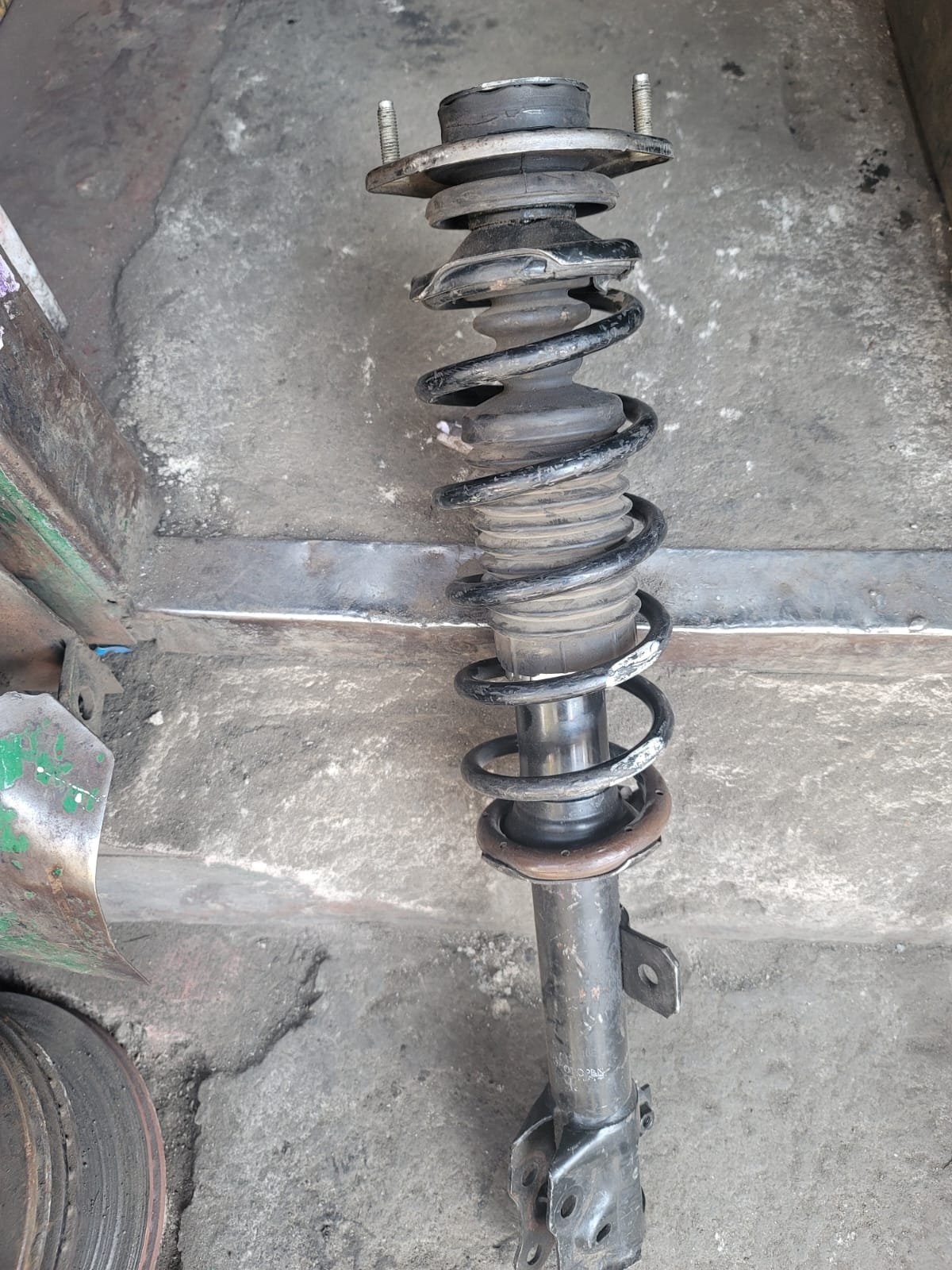
In the world of Kenyan car owners, the word “shock” is used for everything. But if you walk into Taleon Spares Kenya asking for a “shock” for your Toyota Fielder or Nissan Sylphy, you are likely looking for something much more complex: the Strut Assembly.

While a shock absorber is a simple part, a strut is a structural pillar of your car. It is a group of components working together to hold up your car’s weight and help you steer. If one part of this assembly fails, the whole car feels “off.”

In this guide, we’ll take the strut assembly apart (metaphorically) to show you what’s inside, why each piece matters, and how to maintain them to survive the rigors of Kenyan roads.


1. The Anatomy of a Strut: What’s Inside?

A strut assembly is like a multi-tool; it performs several jobs at once. Here are the key players:

A. The Strut Cartridge (The Damper)

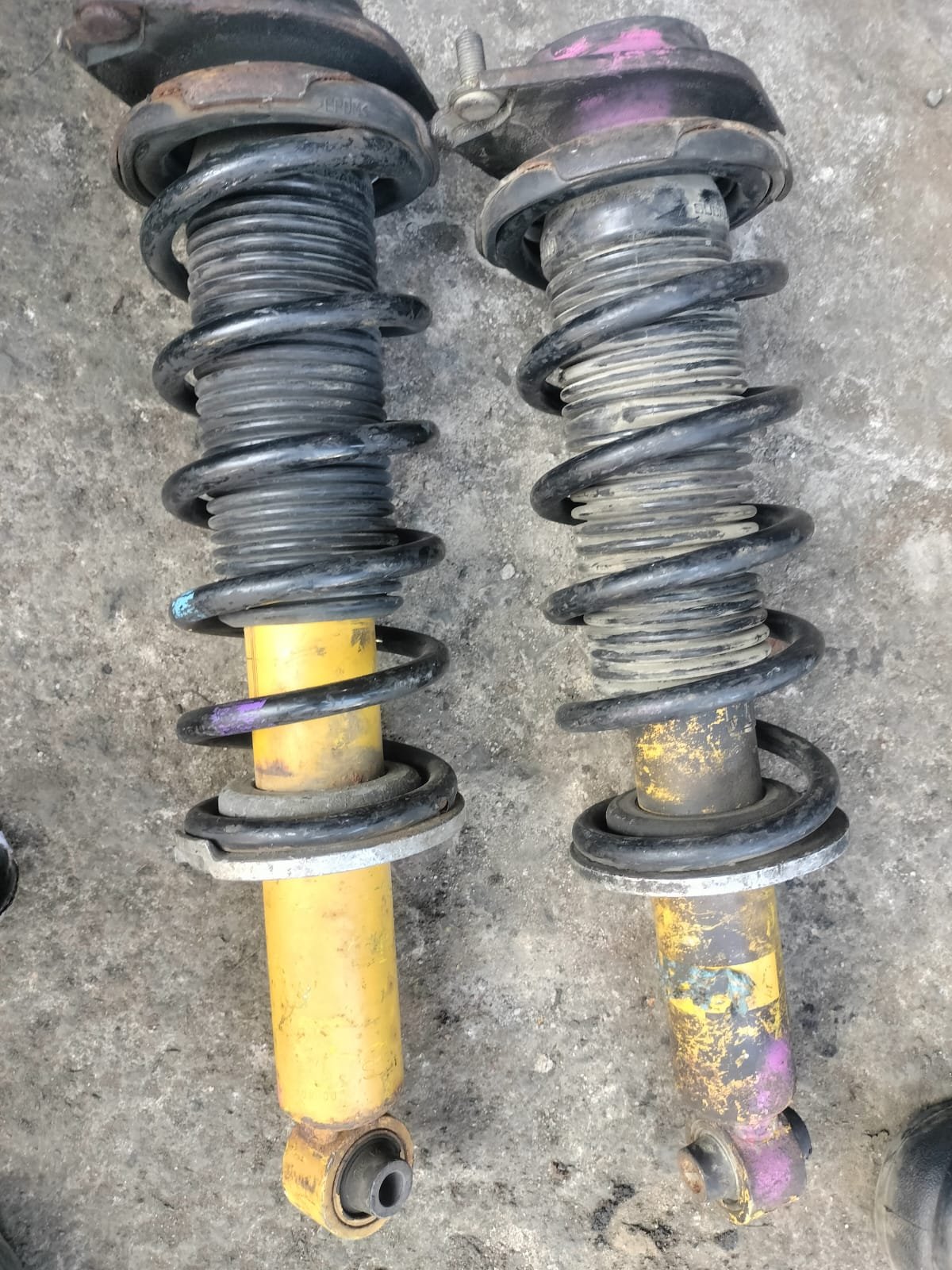
This is the “heart” of the assembly. It’s a cylinder filled with hydraulic oil (and sometimes nitrogen gas) that controls the bounce. When you hit a bump on the bypass, this cartridge slows down the spring’s movement.

B. The Coil Spring

The spring supports the 1,000+ kilograms of your car. It determines your ride height. At Taleon Spares, we often see springs that have “sagged” over time, making the car sit too low and scrape on speed bumps.

C. The Strut Mount and Bearing

This is the connection point between the strut and your car’s body. In the front of your car, the strut must rotate when you turn the steering wheel. The strut bearing allows this rotation to happen smoothly.

  • The Taleon Tip: If you hear a “boing” or “clunk” sound specifically when turning the steering wheel while parked, your strut bearing is likely seized.

D. The Protection Boot and Bumper

These are often ignored but are vital for Kenya. The dust boot protects the shiny piston rod from Nairobi’s red dust. The jounce bumper (bump stop) acts as a cushion to prevent metal-on-metal contact if you hit a massive pothole and the suspension “bottoms out.”


2. Why Struts are More Critical Than Simple Shocks

In many older cars or heavy SUVs, the spring and the shock are separate. But in modern Japanese cars (like the Mazda Demio or Honda Fit), the strut is a MacPherson design.

This means the strut actually replaces the upper control arm. It is a structural part of the steering system. If your strut is bent or the mount is worn, your wheel alignment will be impossible to fix. This is why a bad strut doesn’t just make the ride bumpy—it makes the car “pull” to one side and destroys your tires.


3. Maintenance Tips for the Kenyan Driver

Because struts are expensive to replace, maintenance is the key to saving money.

Keep it Clean

Nairobi dust and mud from up-country trips can get trapped under the dust boot. This grit acts like sandpaper, scratching the internal seals and causing oil leaks. Every time you go for a “high-pressure” car wash, ask them to spray the mud out from behind the wheels.

Inspect the “Rubber Parts”

Don’t wait for the metal to fail. Every 10,000km (or during your oil change), have your mechanic check the strut mount for cracks. A cracked mount allows the strut to move around, which eventually ruins the expensive internal cartridge.

Replace in Pairs

At Taleon Spares Kenya, we always recommend replacing struts in pairs (Front Left and Front Right). If you only replace one, the car will be “lopsided.” The new, stiff strut will handle differently than the old, soft one, which can cause the car to skid during emergency braking.


4. When to Choose a “Complete Strut Assembly”

Sometimes, instead of buying just the “cartridge,” it’s smarter to buy a Complete Strut Assembly (often called a “Quick Strut” or “Ex-Japan Complete”).

Why buy the complete unit from Taleon Spares?

  1. Safety: You get a fresh spring and a fresh mount.
  2. Labor Savings: Your mechanic just has to bolt it in (30 mins) rather than using a dangerous spring compressor to take the old one apart (2 hours).
  3. Performance: Everything is factory-balanced.

Conclusion: The Pillar of Your Car’s Safety

Your struts are doing a heavy job every single second you are on the road. By understanding how they work, you can spot the early signs of failure—like a torn dust boot or a noisy bearing—before they turn into a 50,000 KES repair bill.

Why Genuine Ex-Japan Suspension Parts are Better for Nairobi Roads

If you live in Nairobi, your car is constantly navigating a battlefield. Between the “hidden” speed bumps of estate roads, the deep potholes of the rainy season, and the high-speed vibrations of the Southern Bypass, your suspension never gets a day off.

When a shock absorber leaks or a control arm snaps, you face a dilemma: Do you buy a brand-new part from a local shop, or do you head to Taleon Spares Kenya for a genuine Ex-Japan part?

To the untrained eye, “new” sounds better. But experienced Kenyan drivers and top-tier mechanics know a secret: A high-quality Ex-Japan part often outlasts a cheap new aftermarket part by years. Here is why Ex-Japan is the smartest choice for Nairobi’s roads.


1. The “Zero-Defect” Origin: Japan’s Strict Inspections

In Japan, vehicles undergo a rigorous mandatory inspection called Shaken. This system is so strict that even a tiny hairline crack in a rubber bushing can cause a car to fail. Because of this, Japanese car owners maintain their vehicles to an impeccable standard using only OEM (Original Equipment Manufacturer) parts.

Many of the parts we stock at Taleon Spares Kenya come from vehicles with low mileage that were driven on smooth, mirror-like Japanese highways. When you buy an Ex-Japan strut or steering rack, you aren’t just buying a “used part”; you are buying a piece of high-precision Japanese engineering that has lived a very easy life—until it reaches the front lines of Nairobi.


2. Material Quality: Virgin Steel vs. Recycled Scraps

This is where the biggest difference lies. Genuine parts (the ones that come on a car from the factory) are made from high-grade virgin steel and high-density rubber compounds designed to last for a decade.

Many “new” aftermarket parts found in local shops are manufactured to a price point, not a quality point. They often use:

  • Thinner metal: Which can bend or snap when you hit a sharp pothole in Industrial Area.
  • Low-grade rubber: Which cracks under the intense Kenyan sun and heat.
  • Inferior seals: Which leak hydraulic fluid the moment they face a dusty road.

When you install an Ex-Japan Lower Control Arm from Taleon Spares, you are getting the original heavy-duty steel that was designed by Toyota, Nissan, or Mazda engineers specifically for that chassis.


3. Perfect Fitment: No “Jua Kali” Modifications

Have you ever bought a “new” part only for your mechanic to say, “Hii haishiki vizuri, wacha niongeze washer” (This doesn’t fit well, let me add a washer)?

Cheap aftermarket parts often have slight measurement errors. Even a 1mm difference in a bolt hole can lead to:

  • Persistent rattling noises.
  • Wheel alignment issues that eat your tires.
  • Stress on other suspension components.

Ex-Japan parts are original. They were born with the car. They bolt on perfectly, ensuring your car’s geometry remains exactly as the manufacturer intended. At Taleon Spares, we match parts to your specific chassis number to ensure a “plug-and-play” experience.


4. The “Kenyan Dust” Factor

Nairobi is a dusty city. That fine volcanic dust is the enemy of suspension seals. Genuine Japanese parts use multi-lip seals and specialized dust boots designed to keep contaminants out of the hydraulic chambers.

In our experience at Taleon Spares, we’ve seen “new” budget shocks fail within three months because dust entered the seal and scratched the piston. Meanwhile, a Genuine Ex-Japan KYB or Showa shock can run for years in the same conditions because the seal quality is vastly superior.


5. Better Value for Money (Total Cost of Ownership)

Let’s look at the math.

  • Option A: A “new” low-quality shock costs KSh 3,500. It lasts 6 months. Labor to replace it twice a year is KSh 2,000. Total: KSh 9,000/year.
  • Option B: A Genuine Ex-Japan shock from Taleon Spares costs KSh 5,000. It lasts 3 years. Total: KSh 5,000 (plus one-time labor).

Ex-Japan isn’t just about the parts; it’s about reducing the number of times your car sits in a garage instead of being on the road.


Conclusion: Get the “Gold Standard” at Taleon Spares

At Taleon Spares Kenya, we specialize in sourcing the best Ex-Japan suspension and steering components. We don’t just “sell junk”; we curate our inventory to ensure every part—from a Mazda CX-5 “Up Mountain” suspension to a Toyota Fielder hub bearing—is ready for the rigors of Kenyan driving.

Don’t gamble with your safety. Choose the durability of Japanese engineering.

  • View our Ex-Japan Arrivals: [Link to Shop]
  • Get a Quote for Your Model: [WhatsApp Link]
  • Visit Us: Kirinyaga Road, Nairobi (Near Shell Petrol Station).

Taleon Spares Kenya: Providing the backbone for Kenya’s cars.

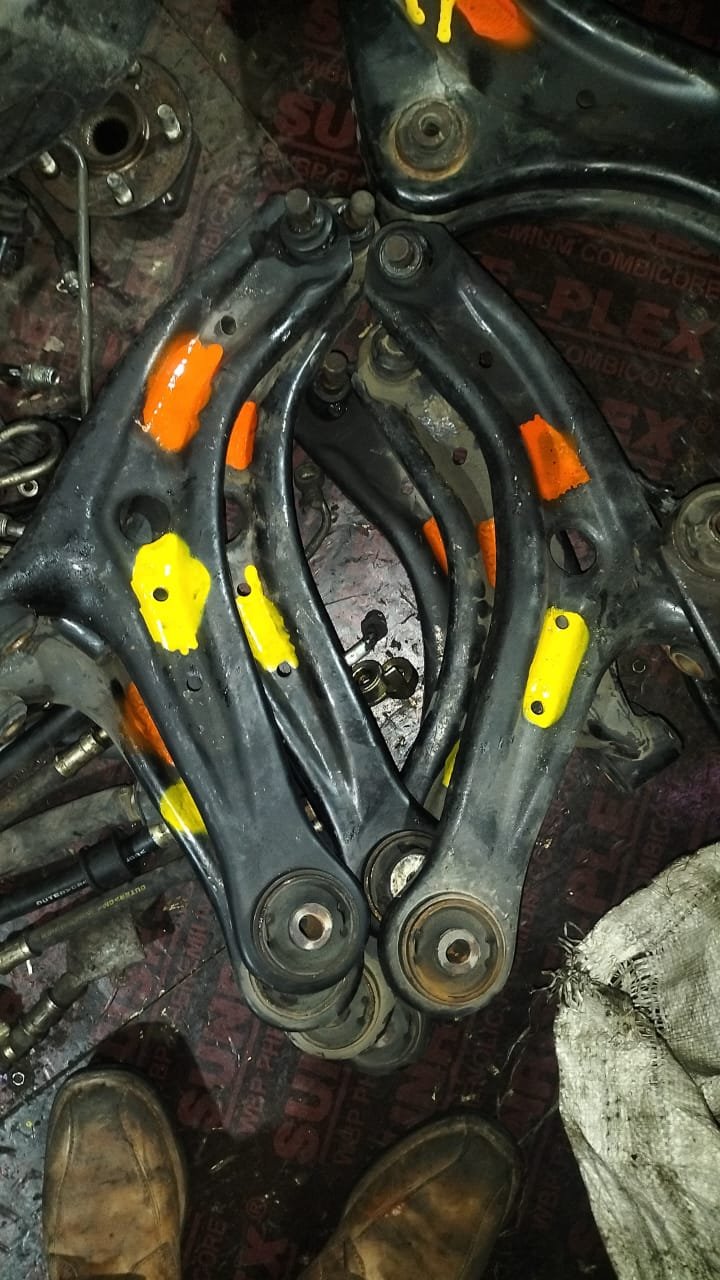
The Ultimate Guide to Lower Control Arms: When to Replace vs. Repair

If you’ve ever felt your steering wheel “pull” to one side, or heard a mysterious clunk when you hit a pothole in Nairobi, you’ve likely encountered a problem with your Lower Control Arms.

For many Kenyan drivers, the suspension system is a bit of a mystery. We know about shocks and tires, but the control arms are the “skeleton” that holds everything together. At Taleon Spares Kenya, we get asked every day: “Do I need to buy the whole arm, or can I just change the rubber bushes?”

In this comprehensive guide, we break down everything you need to know about lower control arms, the dangers of “pressing” new bushes, and why Ex-Japan complete arms are often the smartest investment for your car’s longevity.


1. What Exactly is a Lower Control Arm?

Think of the control arm as the “hinge” that connects your car’s wheels to its frame.

  • The Job: It allows the wheels to move up and down (when you hit a bump) while preventing them from moving forward or backward.
  • The Components: A standard control arm has three critical points:
    1. The Inner Bushings: Rubber mounts that attach to the car’s chassis.
    2. The Ball Joint: A pivot point that attaches to the wheel hub (allowing the wheel to turn).
    3. The Metal Body: The solid “A-frame” or “L-frame” that holds it all together.

When any of these three parts fail, your steering becomes “loose,” your tires wear out prematurely, and your car becomes dangerous to drive at high speeds on the highway.


2. Signs Your Control Arms are Failing

How do you know it’s time to visit the Taleon Spares shop? Watch out for these four red flags:

A. The “Clunk” on Take-off or Braking

When you shift from ‘Park’ to ‘Drive’ and press the gas, do you hear a single thud? Or when you brake suddenly, does it feel like the wheel “shifts” forward? This is usually because the control arm bushings are torn, allowing the metal arm to hit the frame.

B. Steering Wheel Vibration

If your steering wheel shakes at 80km/h (but your wheels are balanced), your control arm bushings might be so worn that they are no longer absorbing road vibrations.

C. Wandering Steering

Does your car feel “darty”? If you’re driving straight but the car keeps pulling left or right—requiring constant correction—your control arms are likely out of alignment due to wear.

D. Uneven Tire Wear

Check the inner edge of your front tires. If the inside is wearing down faster than the outside, your control arm is likely “sagging,” which throws off your wheel’s camber.


3. The Big Debate: Replace the Bushings or the Whole Arm?

This is the most common question at our Kirinyaga Road shop. In Kenya, many roadside “fundis” will suggest just buying new rubber bushes and “pressing” them into your old metal arms using a hydraulic press.

Here is why Taleon Spares usually recommends replacing the COMPLETE arm:

FeatureReplacing Only BushingsReplacing Complete Arm (Ex-Japan/New)
CostCheaper upfront.Higher initial cost.
LaborHigh (requires pressing/fitting).Low (simple bolt-on).
SafetyBall joint remains old/used.New/Healthy Ball Joint included.
Longevity3–6 months on Kenyan roads.2+ years of reliability.
IntegrityPressing can weaken the metal eyelet.Factory-sealed integrity.

The Risk of the Ball Joint: Even if you replace the rubber bushes, your Ball Joint (which is permanently attached to the arm in many models like the Mazda Demio or Toyota Vitz) might be ready to fail. If a ball joint snaps while you are driving, the wheel will literally fold under the car.


4. Why Ex-Japan Control Arms are a “Sweet Spot” for Value

At Taleon Spares Kenya, we specialize in Ex-Japan Lower Control Arms. These are original equipment (OEM) parts salvaged from vehicles in Japan.

  • Better Metal: Original Toyota or Mazda metal is much stronger than cheap “aftermarket” arms made of thin steel.
  • Factory-Pressed Bushes: The rubber in an Ex-Japan arm was installed by a robot in a factory, not by a hand-press in a local garage. This means it will last much longer under the stress of Nairobi potholes.
  • Cost-Effective: You get the quality of a 40,000 KES “New Original” arm for a fraction of the price.

5. Specific Advice for Popular Kenyan Models

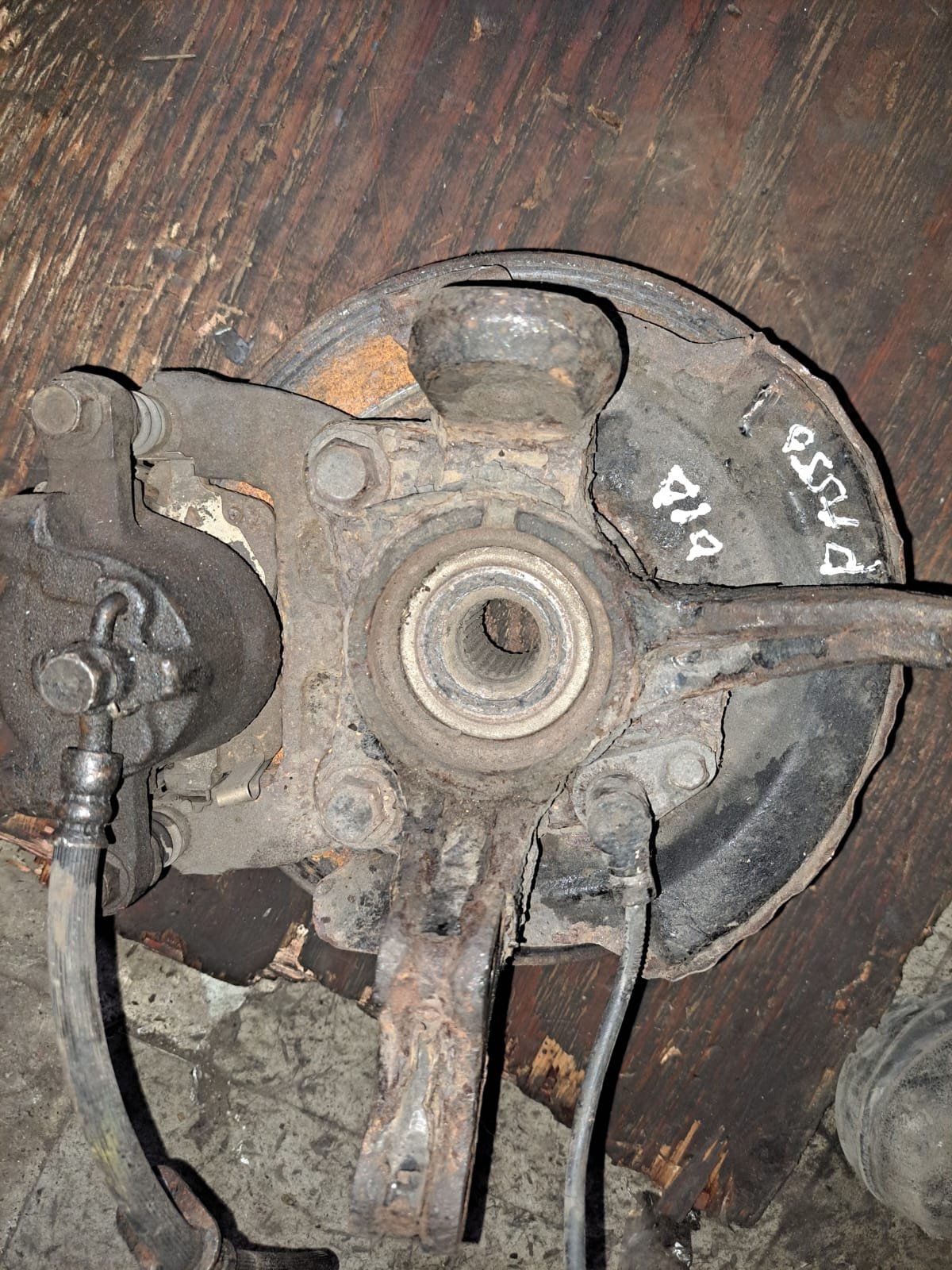
Toyota Allion / Premio / Fielder (ZRT260/ZRE142)

These cars are the kings of the road, but they are heavy. The rear bushing on the front control arm is a famous “weak point.” If you feel a “jerk” when you brake, it’s time to check these.

Mazda Demio (DE/DJ)

The Demio has a very lightweight suspension. Using heavy, poor-quality aftermarket arms can make the ride feel harsh. We recommend our Ex-Japan Mazda Arms to keep that “zoom-zoom” handling smooth.

Nissan Note (E11/E12)

Nissan suspension components are sensitive. If you replace the arm, always ensure you check the Stabilizer Links at the same time, as they usually wear out together.


6. Maintenance Tip: The “Post-Replacement” Alignment

Never—and we mean never—replace a control arm without going for 3D Wheel Alignment immediately after.

Because the control arm sets the position of the wheel, a new arm will slightly change your “Toe” and “Camber” settings. If you skip alignment, you will ruin a brand-new set of tires in less than a month.


Conclusion: Don’t Compromise on Steering

Your control arms are what keep you connected to the road. If you suspect yours are failing, don’t wait for a “wheel-off” accident.

Visit Taleon Spares Kenya today. We have a massive stock of Lower Control Arms for all Japanese models, including:

  • Toyota (Vitz, Passo, IST, Wish, Noah)
  • Nissan (Tiida, Sylphy, Serena, Dualis)
  • Honda (Fit, Stream, Airwave)

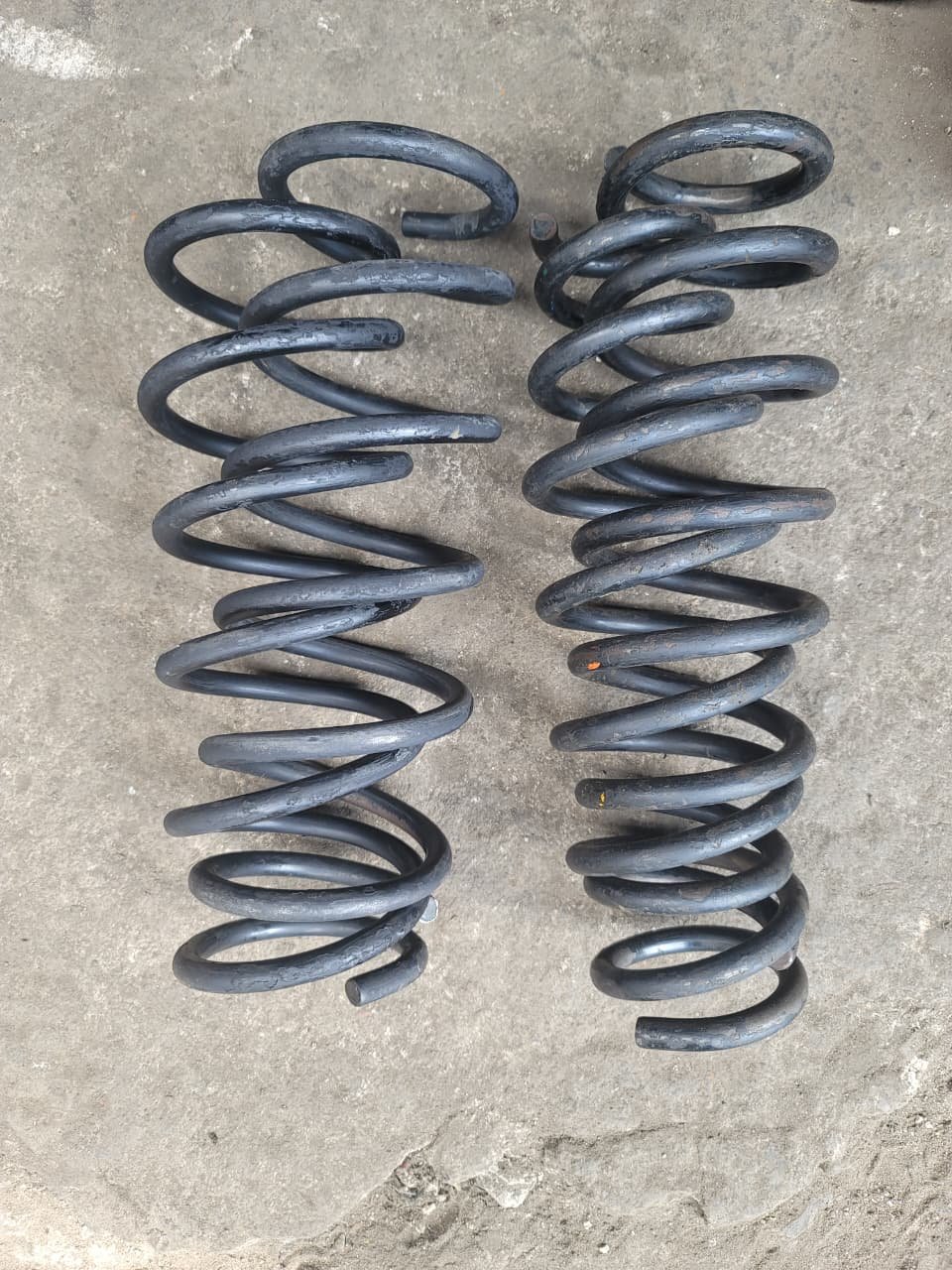
Why Your Car Bounces on Speed Bumps: The Role of Heavy-Duty Coil Springs

If you drive a Toyota Fielder, Wish, or Nissan Note in Kenya, you know the “thud” all too well. You’re driving home with a few bags of maize in the boot or five passengers in the car, and suddenly, every speed bump feels like a mountain. The car “bottoms out,” the mudguards scrape the ground, and the back of the car bounces uncontrollably for several meters after the bump.

Most drivers blame their shock absorbers immediately. But at Taleon Spares Kenya, we know the secret: It’s often not the shocks—it’s your coil springs.

In this guide, we dive deep into why your car bounces, why standard Japanese springs often fail on Kenyan roads, and how Heavy-Duty (HD) Coil Springs are the ultimate solution for stability and ride height.


1. The Physics of the Bounce: Springs vs. Shocks

To solve the bouncing problem, you first need to understand the difference between these two components.

  • The Coil Spring: This supports the entire weight of the vehicle. Its job is to compress when you hit a bump and then push the car back up.
  • The Shock Absorber: Its job is to dampen the spring. Without a shock, the spring would bounce up and down forever.

When your car “bounces” excessively, it means the spring is too weak to support the weight, or the shock is too weak to stop the spring’s movement. On Kenyan roads, many cars are “sagging” at the rear because the original springs have lost their tension (fatigue). When the spring is weak, it forces the shock absorber to do all the work, causing the shock to overheat and fail prematurely.


2. Why “Standard” Springs Struggle in Kenya

Most cars imported to Kenya are Ex-Japan. In Japan, roads are nearly perfect, and cars rarely carry heavy loads. Consequently, Japanese manufacturers tune the suspension for comfort, using “soft” coil springs.

However, once that car arrives in Mombasa and starts its life in Kenya, the environment changes:

  1. Station Wagon Culture: Cars like the Toyota Probox and Fielder are often used as “workhorses,” carrying heavy cargo or full families.
  2. The “Mountain” Speed Bumps: Unlike the standard bumps in Japan, Kenyan bumps are often high and sharp, forcing the spring to compress to its maximum limit (bottoming out).
  3. Corrugated Roads: Constant vibration on “murram” roads causes the steel in standard springs to fatigue faster, leading to a visible “sag” in the rear of the car even when it’s empty.

3. What are Heavy-Duty (HD) Coil Springs?

At Taleon Spares Kenya, we often recommend an upgrade to Heavy-Duty Coil Springs. But what makes them different?

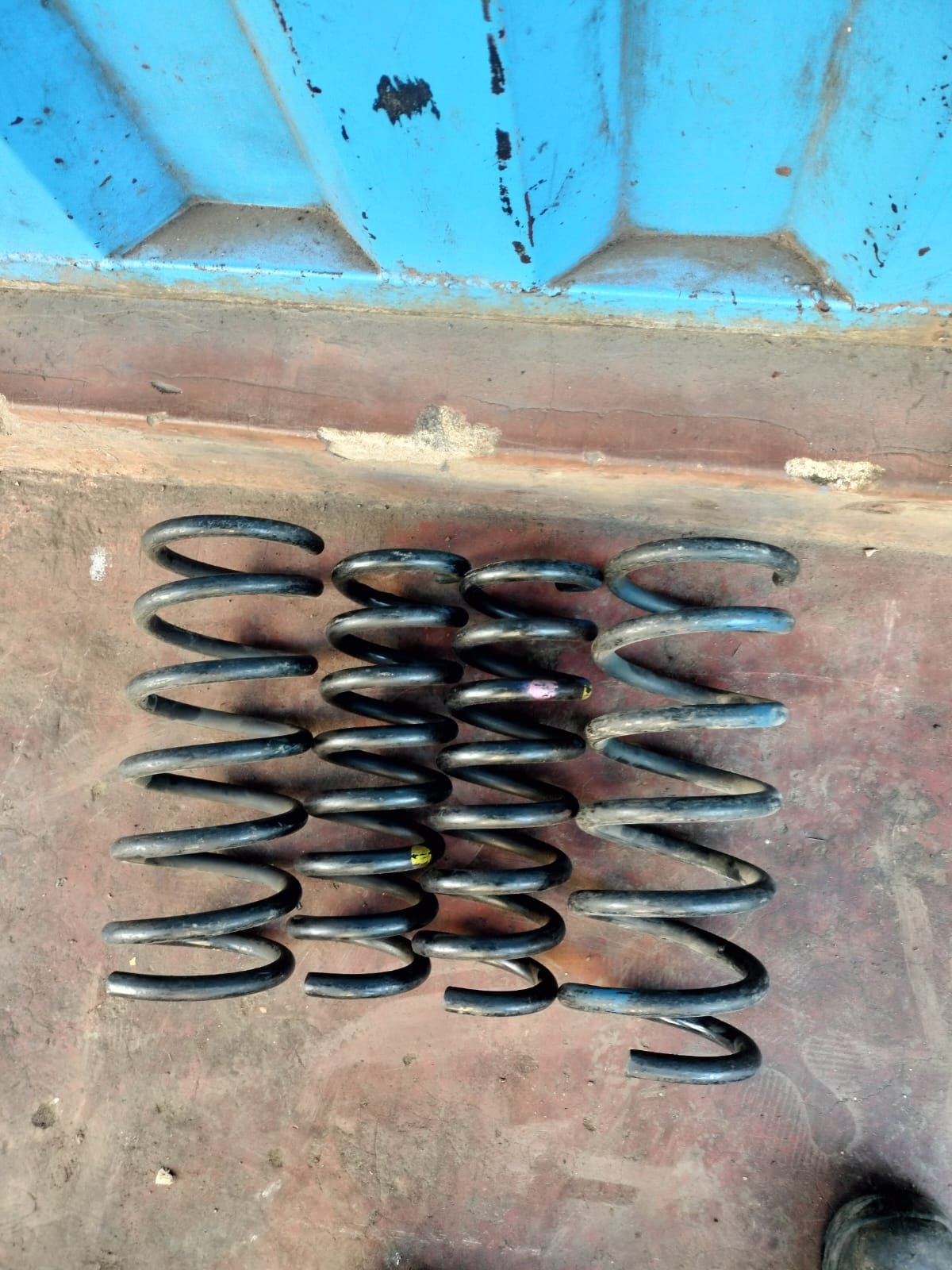
  • Wire Thickness: HD springs are made from thicker steel wire. This increases the “spring rate,” meaning it takes more force to compress the spring.
  • Increased Ride Height: HD springs are designed to restore (and sometimes slightly increase) the factory ride height. This gives you better ground clearance for those rough estate roads.
  • Better Load Carrying: With HD springs, your car won’t “sag” even when the boot is full. The car remains level, which is crucial for steering and braking safety.

4. The Hidden Dangers of a “Saggy” Rear End

Ignoring the bounce and the sag isn’t just about comfort; it affects your wallet and your safety:

  • Headlight Aim: When the back of your car sags, the front points upward. At night, your headlights will blind oncoming drivers instead of lighting up the road.
  • Braking Distance: If the rear springs are weak, the weight of the car shifts too violently to the front during braking, making the car unstable.
  • Tire Wear: A sagging suspension changes the “camber” of your wheels, causing the inside of your tires to wear out in weeks.

5. Why Taleon Spares Kenya is the Leader in Suspension Solutions

We don’t just sell parts; we provide solutions. When you visit our shop or order online, we ensure you get the right fit for your specific model.

Our Specialized Inventory Includes:

  • Toyota Fielder/Axio HD Springs: Perfect for those using their cars for long-distance travel.
  • Mazda Demio/Vitz Upgrades: To prevent these low-profile cars from scraping on speed bumps.
  • Nissan Note E12 Coil Springs: Designed to handle the unique weight distribution of the Note.
  • Subaru Forester Self-Leveling Replacements: A cost-effective way to fix the common “sagging Subaru” issue.

6. DIY Check: Do You Need New Springs?

  1. The Visual Test: Park your car on a level surface. Does the rear look lower than the front? Is there a gap between the tire and the wheel arch?
  2. The Load Test: Put two adults in the backseat. If the car sinks significantly, your springs are fatigued.
  3. The “Scrape” Test: Do you hear your exhaust or mudguards scraping when you go over a standard bump? If yes, your springs have lost their “memory” and are no longer holding the car up.

Conclusion: Upgrade Your Ride Today

Don’t let your car suffer on Kenyan roads. Upgrading to Heavy-Duty Coil Springs from Taleon Spares Kenya is one of the most affordable ways to improve your car’s handling, safety, and look. It’s an investment that pays for itself by protecting your shocks and tires from unnecessary wear.

Signs Your Car Suspension is Failing and How to Fix It

In Kenya, your car’s suspension system isn’t just a comfort feature; it’s a survival tool. Whether you are navigating the deep potholes of Nairobi’s industrial area or the high speed bumps of the Southern Bypass, your shocks, struts, and springs are constantly under attack.

At Taleon Autospares, we see many drivers ignore the early warning signs of suspension failure, only to face much higher repair bills later. In this guide, we’ll show you how to identify a failing suspension and, more importantly, how to fix it correctly using quality parts like our Toyota Axio 161 Heavy Duty Springs.


1. The Most Common Warning Signs

Your car usually tells you when something is wrong. You just need to know how to listen and look.

A. The “Rough Ride” (Feeling Every Pebble)

If your car has started feeling like a “mkokoteni” (handcart), where you feel every tiny bump on the road, your shock absorbers or struts are likely worn out. Their job is to dampen the impact; when they fail, the energy goes directly into the car’s chassis—and your back.

B. Drifting or Pulling During Turns

When your suspension system is failing, you’ll feel the car “sway” or pull to one side during cornering. This is dangerous because it increases the risk of a rollover, especially in higher-profile vehicles. It usually indicates that a shock absorber is no longer keeping the vehicle stable against centrifugal force.

C. The “Nose Dive” When Braking

Do you notice the front of your car dipping sharply toward the ground when you apply the brakes? This is known as “nose-diving.” It’s a classic sign of blown front shocks. Not only does this feel unstable, but it can actually increase your stopping distance by up to 20%.

D. Uneven Tire Wear

Check your tires. If you see bald spots or if one side of the tread is wearing down faster than the other, your suspension isn’t holding the car evenly. This is often caused by sagging springs or worn control arm bushings that have thrown your wheel alignment out of balance.


2. The “Bounce Test”: How to Check at Home

You don’t need a mechanic to do a basic health check.

  1. With the car parked on flat ground, go to the front corner and push down on the hood with all your weight.
  2. Release it and watch.
  3. If the car bounces more than 2 or 3 times before settling, your shocks are “shot” and need replacement.

3. The “Kenyan Fix”: Why Heavy-Duty is the Answer

Many Kenyan drivers make the mistake of replacing worn parts with standard-spec replacements. While these work in Japan, they often fail quickly on Kenyan roads.

The Heavy-Duty Advantage

At Taleon Autospares, we recommend Heavy-Duty Coil Springs (especially for the Toyota Axio 161).

  • Ground Clearance: Standard springs sag over time. Our HD springs (KSh 10,000) restore your ride height so you can clear those “Mount Kenya” speed bumps without scraping.
  • Better Load Carrying: If you frequently carry passengers or goods, heavy-duty springs prevent the car from “bottoming out” (metal hitting metal), which protects your axle and shocks.

4. How to Fix Your Suspension (The Right Way)

Fixing a suspension isn’t just about replacing one part; it’s about restoring the “geometry” of the car.

Step 1: Replace in Pairs

Never replace just one shock or one spring. If the left one is worn, the right one isn’t far behind. Replacing them in pairs ensures balanced handling and even tire wear.

Step 2: Check the “Small” Parts

While changing springs, always inspect your Stabilizer Links, Ball Joints, and Bushings. These small rubber and metal parts are often the source of those annoying “clunking” noises.

Step 3: Get an Alignment

Any time you touch the suspension—especially when installing our Toyota Axio Heavy Duty Springs—you MUST get a professional wheel alignment. This ensures your steering is straight and your new tires don’t wear out in a month.


5. Why Trust Taleon Autospares for Your Suspension?

We are Nairobi’s suspension specialists.

  • Model Specific: We have dedicated kits for the Nissan Note E11 and Toyota Axio 161.
  • Price Transparency: We offer the best value in Kenya, with Axio HD springs at KSh 10,000 and Nissan Note discs at KSh 3,000.
  • Expertise: We don’t just sell you a part; we give you the “Ex-Japan” quality that lasts.

Conclusion: Safety First

A bad suspension is more than an uncomfortable ride—it’s a safety hazard. It affects your braking, your steering, and your tire life. Don’t wait until you’re stranded on the highway.

Where to Find Reliable Nissan X-Trail T31 Parts in Nairobi

The Nissan X-Trail T31 (2007–2013) is a legend of the Kenyan landscape. Whether it’s tackling the muddy tracks of Maasai Mara or cruising the highways to Kisumu, the T31 offers a blend of comfort and 4WD capability that few cars in its class can match.

However, as the T31 ages, its sophisticated systems—from the CVT transmission to the all-mode 4×4-i system—demand high-quality parts. Using “jua kali” spares on a T31 isn’t just a bad idea; it’s a recipe for a breakdown in the middle of nowhere.

At Taleon Autospares, we have become the go-to destination for T31 owners. Here is your guide to finding the most reliable parts in Nairobi.


1. Suspension: The T31’s “Heel”

The T31 is a heavy car, and Kenyan potholes are unforgiving. The most common mechanical complaint for T31 owners is a “knocking” sound from the front end.

  • The Culprits: Usually Anti-Roll Bar Links or Stabilizer Bushings.
  • The Taleon Solution: We stock genuine KYB Front Shocks (approx. KSh 12,500) and Heavy-Duty Stabilizer Links that are built to handle the extra weight of an SUV.
  • Expert Tip: If you feel a vibration at high speeds, check your Front Control Arm Bushings. We provide reinforced rubber bushes that last twice as long as generic plastic alternatives.

2. Braking Power for a Heavy SUV

Stopping a fully-loaded X-Trail requires significant friction. Cheap brake pads will fade (lose grip) halfway down the Mai Mahiu escarpment.

  • The Part: Vented Front Brake Discs and High-Temperature Pads.
  • Availability: We carry T31-specific front brake pads starting from KSh 3,500.
  • Check the Hubs: T31s are known for front wheel bearing wear. If you hear a “humming” sound that gets louder with speed, it’s time to visit Taleon for a new Wheel Hub Assembly.

3. The CVT Transmission: Non-Negotiable Quality

The T31 uses a Continuously Variable Transmission (CVT) that is world-class if maintained correctly.

  • The Fluid: You MUST use Nissan NS-2 or NS-3 CVT Fluid. Using standard ATF will destroy the metal belt inside the gearbox, leading to a KSh 150,000 replacement bill.
  • The Filter: We stock the Internal Gearbox Filter (Strainer). Most mechanics forget this, but at Taleon, we ensure you have the full kit to keep your transmission smooth.

4. Engine Health: Sensors and Cooling

The T31 (especially the MR20DE and QR25DE engines) relies on precise electronic signals.

  • The Sensors: Camshaft and Crankshaft sensors are common failure points that cause the car to stall. We recommend Ex-Japan Genuine Sensors for 100% reliability.
  • Cooling: Don’t let your X-Trail overheat. We stock T31-specific Radiators (KSh 12,000) and genuine Nissan Radiator Caps to keep your engine running cool in the Kenyan sun.

5. Body Parts and Aesthetics

Being an SUV, the T31 often sees some “rough and tumble.”

  • Headlights: We stock Ex-Japan Xenon and Halogen Headlights (starting from KSh 35,000 for Xenon units) that are much clearer than faded local ones.
  • Mirrors: T31 side mirrors are large and often get clipped by boda-bodas. We have clean Ex-Japan Side Mirrors in various colors ready for a direct swap.

Why Buy T31 Parts from Taleon Autospares?

We are located on Kirinyaga Road, Nairobi, right in the heart of the auto-parts hub.

  • Specialized Knowledge: We know the T31 inside out—from the sunroof seals to the rear diff mounts.
  • Ex-Japan Advantage: For major components like Driveshafts (KSh 15,000) or Alternators, our Ex-Japan stock offers the best balance of quality and price.
  • Trust: Our customers call us “the efficient and reliable plug” because we verify every part number before you pay.

Conclusion: Keep Your Adventure Alive

Your Nissan X-Trail T31 was built for adventure. Don’t let substandard parts keep it in the garage. By sourcing your spares from a trusted specialist like Taleon Autospares Kenya, you ensure that your car remains as capable as the day it arrived from Japan.

Your Checklist for Buying Genuine Replacement Parts for the Toyota Axio 161

The Toyota Axio 161 is a marvel of Japanese engineering—efficient, reliable, and surprisingly spacious. Since its introduction in 2012, it has become a staple for Kenyan professionals and ride-share partners alike. However, because the 161 is so popular, the market is flooded with parts of varying quality.

Buying the wrong part for your Axio 161 doesn’t just waste money; it can compromise the safety features of this modern sedan. At Taleon Autospares, we’ve compiled the ultimate buyer’s checklist to ensure you get the right part, the first time.


1. Verify Your Engine and Chassis Code

Before you call any spare parts shop, you must know your specific 161 sub-model. The parts for a Hybrid Axio are often different from the standard petrol version.

  • DBA-NZE161: The standard 1.5L petrol (1NZ-FE engine).
  • DAA-NKE165: The Hybrid version.
  • DBA-NRE161: The 1.3L petrol version.
  • Taleon Tip: Always have your Chassis Number (VIN) ready. It’s located on the silver plate under the hood or on the door pillar. This ensures we give you the exact sensor or suspension bush for your specific year.

2. Suspension: Don’t Settle for “Universal” Fits

The Axio 161 has a sensitive electric power steering system and MacPherson strut front suspension.

  • Check for: Specific part numbers for the 161 series. Many sellers try to push Axio 141 shocks onto 161 owners. While they might “bolt on,” the damping rates are different, leading to a bouncy ride.
  • The “Heavy-Duty” Must: If you’re tired of your Axio scraping its belly on speed bumps, your checklist should include Heavy-Duty Coil Springs. At Taleon, our KSh 10,000 sets are a top seller for 161 owners looking for that extra ground clearance.

3. Braking System: Inspect the Rotors

Modern Axios use high-efficiency braking systems. When buying replacement discs:

  • Check the Diameter: Ensure the rotor diameter matches your OEM specs.
  • Look for Vented Discs: The 161 front discs should be vented to prevent overheating during heavy traffic or long descents.
  • Price Guide: Expect to pay around KSh 3,000 – KSh 4,500 for quality front discs at Taleon Autospares.

4. Electronics and Sensors

The 161 is a “smart” car. It uses a range of sensors (MAF, Oxygen, ABS) that communicate with the ECU.

  • Avoid Generic Sensors: Cheap, unbranded sensors often send “lazy” signals, causing your Axio to consume more fuel or show a persistent “Check Engine” light.
  • Ex-Japan Advantage: For electricals like Pedal Sensors (approx. KSh 4,000) or Side Mirrors, we recommend Genuine Ex-Japan parts. They are original Toyota components that sync perfectly with your car’s wiring.

5. Filtration: The 1NZ-FE Engine’s Best Friend

Your Axio’s engine thrives on clean air and oil.

  • Oil Filter: Must have a high-quality bypass valve.
  • Air Filter: Don’t just buy the cheapest KSh 500 filter. A poor filter lets micro-dust into the cylinders, leading to “oil burning” over time.
  • Cabin Filter: Located behind the glovebox, this is essential for keeping the Nairobi dust out of your A/C system.

6. Body Parts: The Fitment Test

If you’ve been in a fender-bender, you’ll need body panels.

  • Check the Gaps: Cheap “copy” bumpers often leave wide gaps near the headlights.
  • Taleon Solution: We stock Ex-Japan Axio 161 Nosecuts and Headlights (starting from KSh 30,000 for non-xenon). These fit perfectly because they are original Toyota panels.

Buyer’s Summary Table

ComponentWhat to Look ForTaleon Recommendation
BrakesVented, High-Carbon SteelNew Premium Discs (KSh 3,000+)
SuspensionReinforced for 161 ChassisHeavy-Duty Springs (KSh 10,000)
SensorsOEM Denso/Toyota BrandingGenuine Ex-Japan
Body PartsCorrect Year/Facelift ModelEx-Japan Nosecuts

Conclusion: Shop with Confidence at Taleon

The Toyota Axio 161 is an investment. Don’t ruin it by playing “guessing games” with your spare parts. Use this checklist every time you visit a shop, or better yet, come straight to the experts.

At Taleon Autospares, we don’t just sell parts; we provide the exact match for your 161, ensuring your car stays on the road longer and holds its resale value.

Nissan vs. Toyota: Which Brand Has the Most Affordable Spares in Kenya?

If you stand on Kirinyaga Road for five minutes, you will see a never-ending stream of Toyota Axios and Nissan Notes. These two brands own the Kenyan road. But when that “Check Engine” light comes on or your suspension starts rattling, which one will be easier on your wallet?

At Taleon Autospares, we sell thousands of parts for both brands every year. Today, we’re settling the debate. We will compare the cost, availability, and durability of spares for Nissan and Toyota to help you decide which brand really offers the best value for your money.


1. The Availability Battle: Who is King of the Shelf?

In Kenya, “availability” is everything. If your car breaks down in Narok or Maua, can the local mechanic find a part?

  • Toyota: Toyota is the undisputed king of availability. Because the Toyota Corolla (Axio/Fielder) platform is used in so many models, parts are found in nearly every town in Kenya. You can practically buy a Toyota oil filter at a local hardware store.
  • Nissan: While Nissan parts used to be harder to find 10 years ago, that has changed. For popular models like the Nissan Note E11 or Tiida, parts are now widely available in all major Kenyan cities.

The Verdict: Toyota wins on sheer geographical reach, but for urban drivers, Nissan is just as easy to service.


2. Cost Comparison: The “Nuptial” Price Tag

Let’s look at the numbers. At Taleon Autospares, we track the market prices daily.

Part ExampleToyota Axio 161 (Avg. Price)Nissan Note E11 (Avg. Price)
Front Brake DiscsKSh 3,500 – 4,500KSh 3,000
Heavy Duty SpringsKSh 10,000 (Set)KSh 11,500 (Set)
Oil Filter (Genuine)KSh 800 – 1,200KSh 700 – 1,000
Side Mirror (Ex-Japan)KSh 5,000 – 7,000KSh 4,000 – 6,000

The Reality: Contrary to popular belief, Nissan spares are often slightly cheaper than Toyota spares for similar models. Because Toyota has a higher “prestige” and resale value in Kenya, the demand for its parts drives the price up.


3. Durability: “Buy Once” vs. “Buy Twice”

This is where the debate gets heated.

  • Toyota Spares: There is a reason Toyota parts are more expensive. They are built for abuse. A genuine Toyota suspension bushing often lasts 20% longer on rough Kenyan roads than its Nissan equivalent.
  • Nissan Spares: Nissan parts are precise and high-tech, but they require a “gentler” touch. If you skip a service or use “jua kali” oil, a Nissan engine or gearbox will complain much sooner than a Toyota.

The Taleon Tip: If you drive on rough, rural roads, the extra cost of Toyota spares is worth it. If you are a city driver in Nairobi, Nissan’s affordable parts offer better daily value.


4. The “Ex-Japan” Factor

In Kenya, the Ex-Japan market is the great equalizer.

  • For Toyota Axio owners, Ex-Japan body parts (doors, bumpers, lights) are plentiful but expensive because of high demand.
  • For Nissan Note owners, Ex-Japan parts are often incredibly clean and very affordable because there is less “bidding war” for them in the scrap yards.

At Taleon Autospares, we specialize in Ex-Japan units for both. We ensure that whether you choose Nissan or Toyota, you’re getting a genuine Japanese-spec part that hasn’t been “beaten” by Kenyan potholes yet.


5. Maintenance Complexity

  • Toyota: Most Toyotas are mechanically simple. Any “fundi” under a tree can fix a basic suspension issue on an Axio. This keeps labor costs low.
  • Nissan: Modern Nissans (like the E11 and E12) have more advanced electronics and sensors. You need a mechanic with a good diagnostic scanner. While the parts are cheap, you might spend a bit more on specialized labor.

Final Conclusion: Which One Should You Choose?

  • Choose Toyota if: You prioritize resale value, drive in rural areas, and want parts that “last forever” even if they cost a bit more upfront.
  • Choose Nissan if: You want a modern, comfortable car with lower initial purchase and spare parts costs, and you mostly drive on paved city roads.

Why Shop at Taleon Autospares Regardless of Your Choice?

Whether you are a “Toyota Person” or a “Nissan Person,” your car deserves the best.

  • We stock Nissan Note E11 Brake Discs at the best price in Nairobi (KSh 3,000).
  • We are the home of Toyota Axio 161 Heavy Duty Springs (KSh 10,000).

We don’t take sides—we just provide the quality that keeps you on the move.

Search products
Back to Top
Please select your product
Product has been added to your cart
Compare (0)