
How to Choose the Right Spare Parts for Japanese vs. European Cars in Kenya
For the average Kenyan motorist, the debate between “Japanese Reliability” and “European Luxury” is more than just a matter of taste—it is a matter of long-term financial planning. Whether you are navigating the bumper-to-bumper traffic of Mombasa Road or cruising the highlands of Limuru, the parts you put into your vehicle determine its lifespan.
At Taleon Spares Kenya, we understand that the Kenyan automotive landscape is unique. Our roads, our climate, and our fuel quality all play a role in how parts perform. In this ultimate guide, we break down everything you need to know about selecting the right spares for the two most dominant car categories in the country.
1. The Landscape: Japanese vs. European Cars in Kenya
Before we dive into the nuts and bolts, let’s look at why these two categories are so different.
The Japanese Dominance (Toyota, Nissan, Mazda, Honda, Mitsubishi)
Japanese cars are the backbone of the Kenyan economy. From the ubiquitous Toyota Probox to the sleek Mazda CX-5, these vehicles are designed with a philosophy of “Kaizen” (continuous improvement) and simplicity.
- Why they are popular: Parts are widely available, mechanics are familiar with the engineering, and they generally tolerate the dust and heat of the Rift Valley well.
The European Prestige (Mercedes-Benz, BMW, Volkswagen, Audi, Land Rover)
European cars offer a level of safety, performance, and comfort that is hard to match. However, they are “precision-engineered.” A German car expects every sensor and bolt to meet exact specifications.
- Why they are popular: Superior driving dynamics, safety ratings, and status. However, they require a more disciplined approach to spare parts selection.
2. Key Differences in Spare Parts Engineering
Choosing parts isn’t just about what fits; it’s about how the part interacts with the rest of the machine.
Tolerance Levels
European parts typically have tighter tolerances. If a BMW engine calls for a specific grade of oil filter, using a “generic” version can trigger a dashboard warning light within kilometers. Japanese cars, while still requiring quality, are often designed with slightly higher tolerances, making them more resilient to varied part brands—though this shouldn’t be an excuse for poor quality.
Material Composition
European manufacturers often use specialized plastics and alloys to reduce weight and improve performance. Over time, these can become brittle in the Kenyan sun. Japanese manufacturers tend to stick to tried-and-tested steels and heavy-duty plastics that are often easier to source as “aftermarket” versions.
3. Sourcing Strategy for Japanese Spare Parts
If you own a Toyota, Nissan, or Mazda, you have the widest variety of choices in Kenya. But variety brings the risk of counterfeits.
Genuine (OEM) vs. Aftermarket
- Genuine Parts: These come in the manufacturer’s packaging (e.g., the red and white Toyota box). These are best for critical components like timing belts and engine sensors.
- Reputable Aftermarket Brands: For Japanese cars, brands like KYB (shocks), Denso (spark plugs), and 555 (suspension) are often the same companies that manufacture the “genuine” parts. Buying these saves you money without sacrificing quality.
The “Ex-Japan” Factor
In Kenya, “Ex-Japan” or “second-hand” parts are a staple.
- When to buy Ex-Japan: Body panels, doors, and some mechanical components like gearboxes can be great value if sourced from a reputable dealer.
- When to avoid: Never buy second-hand “wear and tear” items like brake pads, filters, or rubber bushings.
4. Sourcing Strategy for European Spare Parts
European car owners in Kenya often face the “Parts Panic”—the fear that a repair will cost half the car’s value. The secret is knowing where the parts come from.
OEM Alternatives (The German Secret)
Companies like Bosch, Lemförder, Mann-Filter, and Bilstein are the Original Equipment Manufacturers (OEM) for brands like BMW and Mercedes.
- Pro Tip: A “Genuine BMW” brake pad is often a Jurid or Textar pad inside a BMW box. By buying the Jurid brand directly from Taleon Spares, you get the exact same performance at 40% less cost.
Avoiding “Universal” Parts
European cars rely heavily on complex electrical systems (CAN bus). Avoid using “universal” sensors or bulbs. European vehicles are notorious for rejecting parts that don’t have the exact electrical resistance required by the car’s computer (ECU).
5. Common Parts Comparison Table
| Part Category | Japanese Recommendation | European Recommendation |
| Brake Pads | Akebono or Nisshinbo (Consistent & Quiet) | Textar or Brembo (High Heat Resistance) |
| Filters | Vic or Sakura (Cost-effective & reliable) | Mann, Hengst, or Mahle (Precision filtration) |
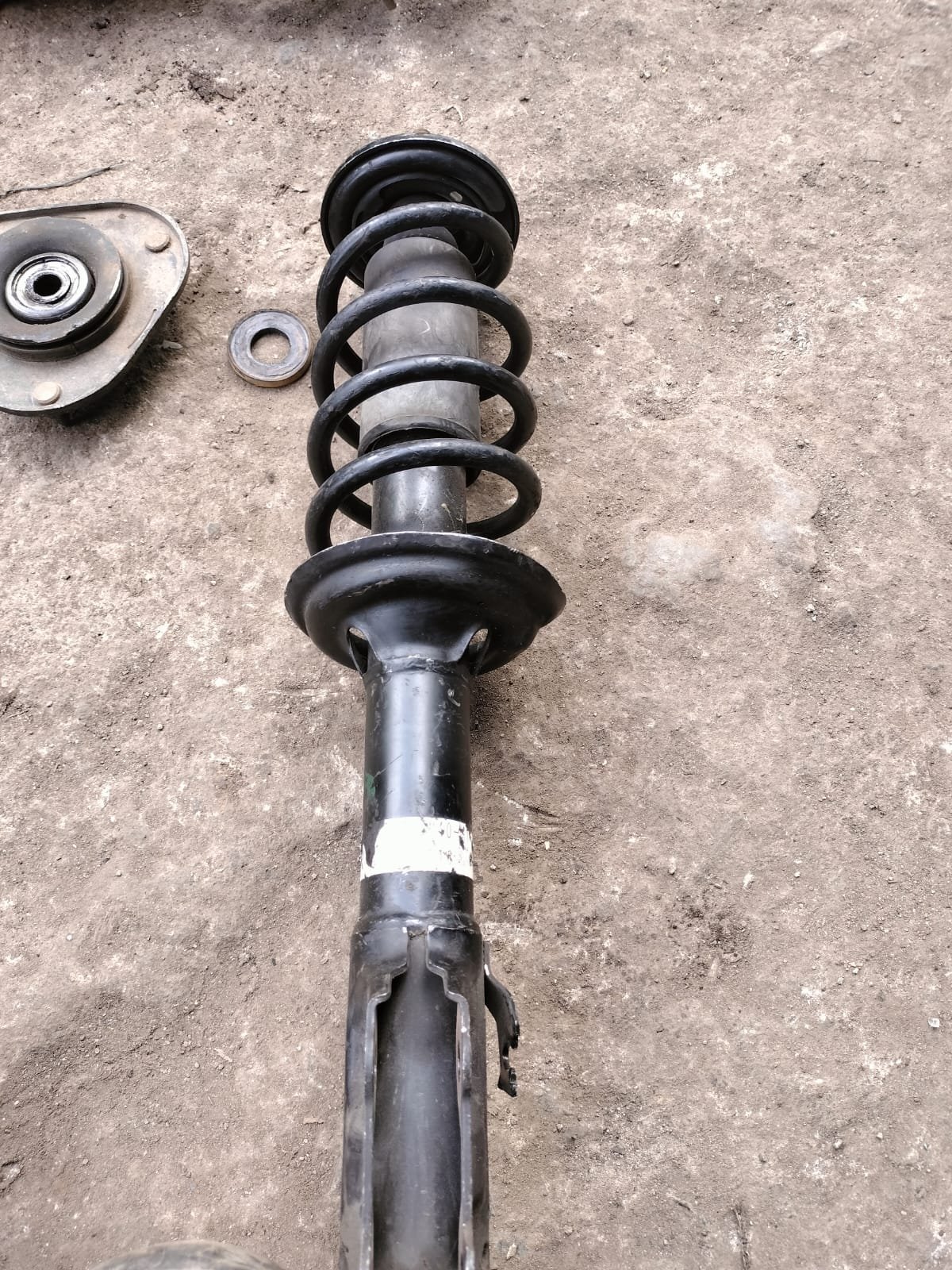
| Suspension | KYB or Tokico (Built for rough roads) | Lemförder or Bilstein (Maintains handling) |
| Spark Plugs | NGK or Denso (Long-lasting) | Bosch or NGK (Specific heat ranges) |
6. The “Kenyan Condition” Factor
Regardless of where your car was engineered, it is now driving in Kenya. This means you must adjust your part selection based on:
- Dust Levels: Our air filters clog faster. Whether you drive a VW or a Subaru, check your filters every 5,000km, not the 15,000km recommended in European manuals.
- Fuel Quality: Some European engines (especially GDI or TSI) are sensitive to fuel impurities. High-quality fuel filters and occasional genuine injectors are non-negotiable.
- Road Surface: If you live in an area with many potholes, invest in heavy-duty suspension bushings. For Japanese cars, “Polyurethane” bushings are a popular local upgrade for durability.
7. How to Spot Counterfeits in the Kenyan Market
The biggest threat to your car isn’t the brand—it’s the “fake” part. Here is how to protect yourself:
- Price is a Red Flag: If a genuine Land Rover water pump is selling for Ksh 5,000 when the market price is Ksh 15,000, it is almost certainly a counterfeit.
- Packaging Details: Look for holographic stickers, clear printing, and correct spelling. Many fakes have slightly blurred logos.
- The Source: Only buy from established entities like Taleon Spares Kenya that offer warranties and have a traceable physical and online presence.
8. Conclusion: The Winner?
There is no “better” car, only a “better-maintained” car.
- Japanese cars offer the path of least resistance. Parts are everywhere, and mistakes in part selection are less likely to result in a total breakdown.
- European cars offer a superior experience but demand respect. You cannot cut corners. Use OEM-equivalent brands and follow a strict maintenance schedule.
Ready to give your car the best?
Don’t gamble with your safety or your wallet. At Taleon Spares Kenya, we stock a curated selection of genuine and high-quality aftermarket parts for both Japanese and European models.
Add a review
Your email address will not be published. Required fields are marked *