
How to Spot Counterfeit Brake Pads in the Nairobi Market: A Guide by Taleon Autospares Kenya
Your brakes are the most critical safety feature of your vehicle. In a market as large as Nairobi’s, especially along busy hubs like Kirinyaga Road, the influx of counterfeit spare parts has reached an all-time high. Using “fake” brake pads doesn’t just cost you money in the long run—it puts your life at risk.
At Taleon Autospares Kenya, we believe an informed driver is a safe driver. Here is our expert guide on how to distinguish genuine brake pads from dangerous counterfeits.
1. The Price Red Flag
If the deal feels too good to be true, it almost certainly is. Authentic brands like Akebono, Bosch, and Asimco invest heavily in research, high-grade materials, and safety testing.
- The Taleon Tip: Research the average market price. If a vendor is offering “Genuine Toyota” pads at 50% less than reputable shops like ours, they are likely selling a counterfeit that will fail under the heat of Nairobi traffic.
2. Scrutinize the Packaging
Counterfeiters often focus on the part and get lazy with the box. Look for these subtle errors:
- Spelling Mistakes: Look for typos in brand names or instructions (e.g., “Toyata” instead of Toyota).
- Printing Quality: Genuine packaging has sharp, high-resolution logos and vibrant colors. Fakes often have blurred images, faded ink, or pixelated logos.
- Security Features: Genuine Asimco pads, for example, come with a tamper-proof QR code and a scratch-off label for PIN verification. If the seal is broken or missing, do not buy it.
3. Inspect the “Physical Finish”
Once you open the box, the part itself tells a story. Genuine brake pads have a high-quality finish that fakes cannot replicate:
- Rough Edges: Counterfeits often have “burrs” or rough, unfinished metal edges. Genuine pads are smooth and precision-cut to fit your caliper perfectly.
- The Friction Material: Look closely at the pad surface. Genuine pads have a consistent texture. If you see large chunks of metal or uneven “pockmarks,” the material is inferior and liable to ignite or crack under pressure.
- Weight: Fakes are often significantly lighter because they use cheap filler materials instead of high-density metallic or ceramic compounds.
4. Verification via Technology
Modern manufacturers are fighting back with digital tools.
- QR Codes & Holograms: Use your smartphone to scan QR codes on the box. Legitimate codes will take you to the manufacturer’s official verification page.
- Serial Numbers: Many genuine pads have a unique serial number etched onto the metal backing. Cross-reference this number on the brand’s official website.
5. The “Smell and Rub” Test
It sounds strange, but your senses can help:
- The Smell: Cheap, counterfeit pads often use low-grade resins that smell strongly of chemicals or burnt rubber even before they are used.
- The Rub: Rub your finger across the friction material. If a significant amount of dark, dusty residue comes off immediately, the pad is too soft and will wear out in weeks, not months.
The Dangers of Fake Brake Pads
- Brake Fade: Fake pads can’t handle the heat. On a long descent or in heavy traffic, they lose their “grip,” making the pedal feel soft and unresponsive.
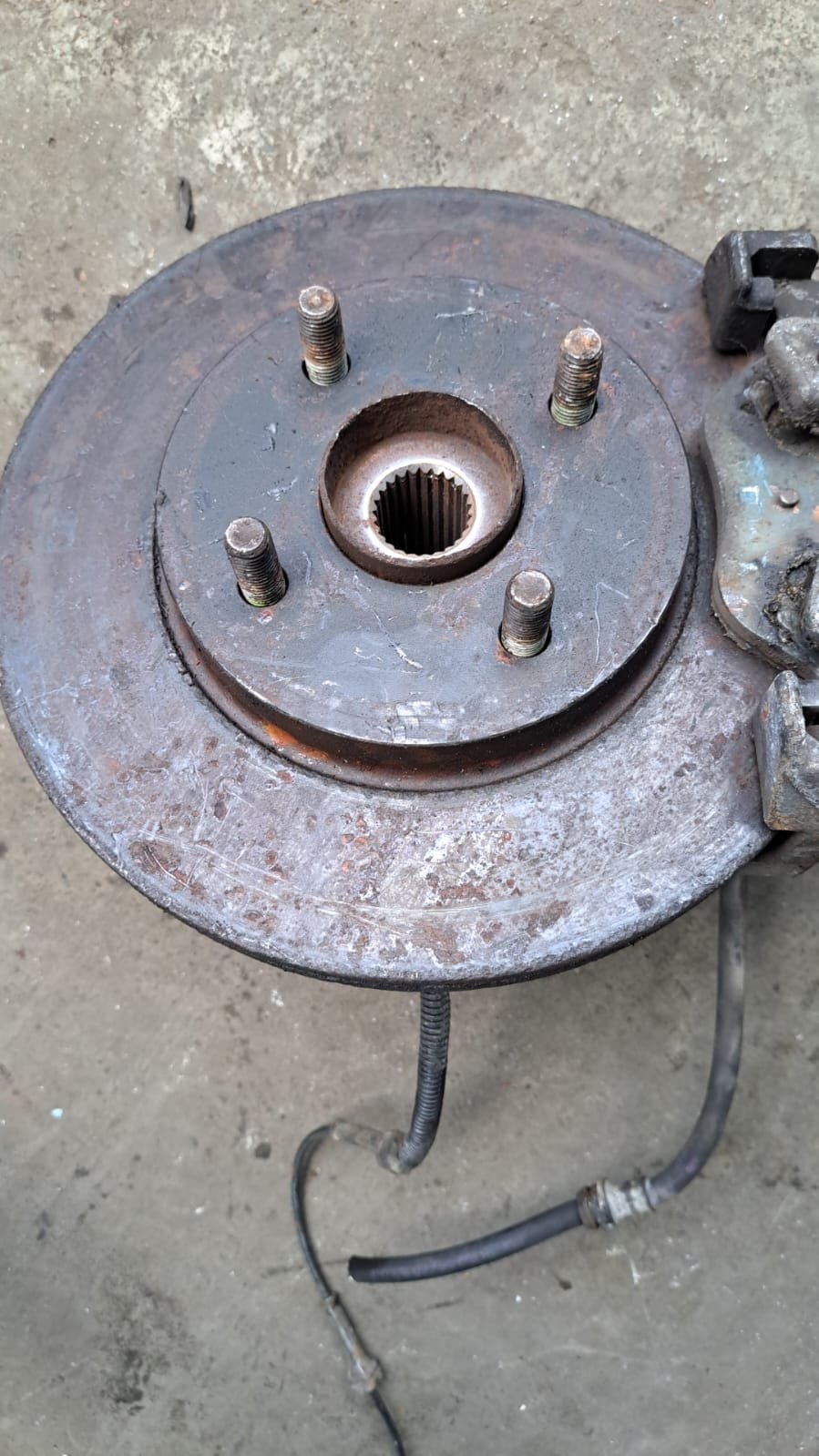
- Rotor Damage: Inferior materials can be too hard or abrasive, “scoring” your expensive brake discs and forcing you into a costly replacement.
- Sudden Failure: In extreme cases, the friction material can literally detach from the metal backing plate, leading to total brake failure.
Conclusion: Trust the Source
The easiest way to avoid counterfeits is to buy from a supplier with a reputation to protect. At Taleon Autospares Kenya, we only source from verified manufacturers and authorized distributors. Every part we sell is a promise of safety.
Add a review
Your email address will not be published. Required fields are marked *