

How to Spot Fake Toyota Spares Before They Ruin Your Engine
In the Kenyan automotive market, the Toyota Axio, Fielder, and Premio are legends of the road. But their popularity has a dark side: it has made Toyota the most targeted brand for counterfeiters. Today, River Road and various online marketplaces are flooded with “look-alike” parts that promise the Toyota logo but deliver catastrophic engine failure.
At Taleon Autospares, we believe an informed driver is a safe driver. In this guide, we reveal the industry secrets to identifying counterfeit parts so you can protect your investment and your family.
1. The Packaging: The First Line of Truth
Counterfeiters have become experts at mimicking boxes, but they almost always fail at the details. Toyota spends millions on high-quality packaging to ensure parts arrive in perfect condition.
Red Flags on the Box:
- The Printing Test: Genuine Toyota boxes have crisp, dark red ink. Fakes often have a “faded” look, blurry edges on the logo, or ink that smears if you rub it with a damp finger.
- Spelling Mistakes: It sounds simple, but look closely. We’ve seen boxes labeled “Toyotta” or “Genunine Parts.” * Label Alignment: On an original part from Taleon, the white part-number sticker is perfectly centered and machine-applied. If the sticker is crooked or has air bubbles, it’s likely a manual “re-label” of a fake part.
2. The 2026 Verification Tech: QR Codes & Holograms
As we move into 2026, Toyota has upgraded its security features. Modern genuine parts now come with dynamic holograms.
- The Color Shift: When you tilt a genuine Toyota security sticker, the colors should shift smoothly. Fake holograms often look “flat” or are just shiny stickers that don’t change when moved.
- QR Code Scanning: Most new-gen Toyota spares feature a QR code. Use your smartphone to scan it; it should lead you directly to a verification page or a Toyota parts database. If the link looks suspicious or doesn’t load, put the part back.
3. Physical Inspection: The “Feel and Weight” Test
If the part is out of the box, use your hands. Counterfeiters save money by using thinner metals and cheaper plastics.
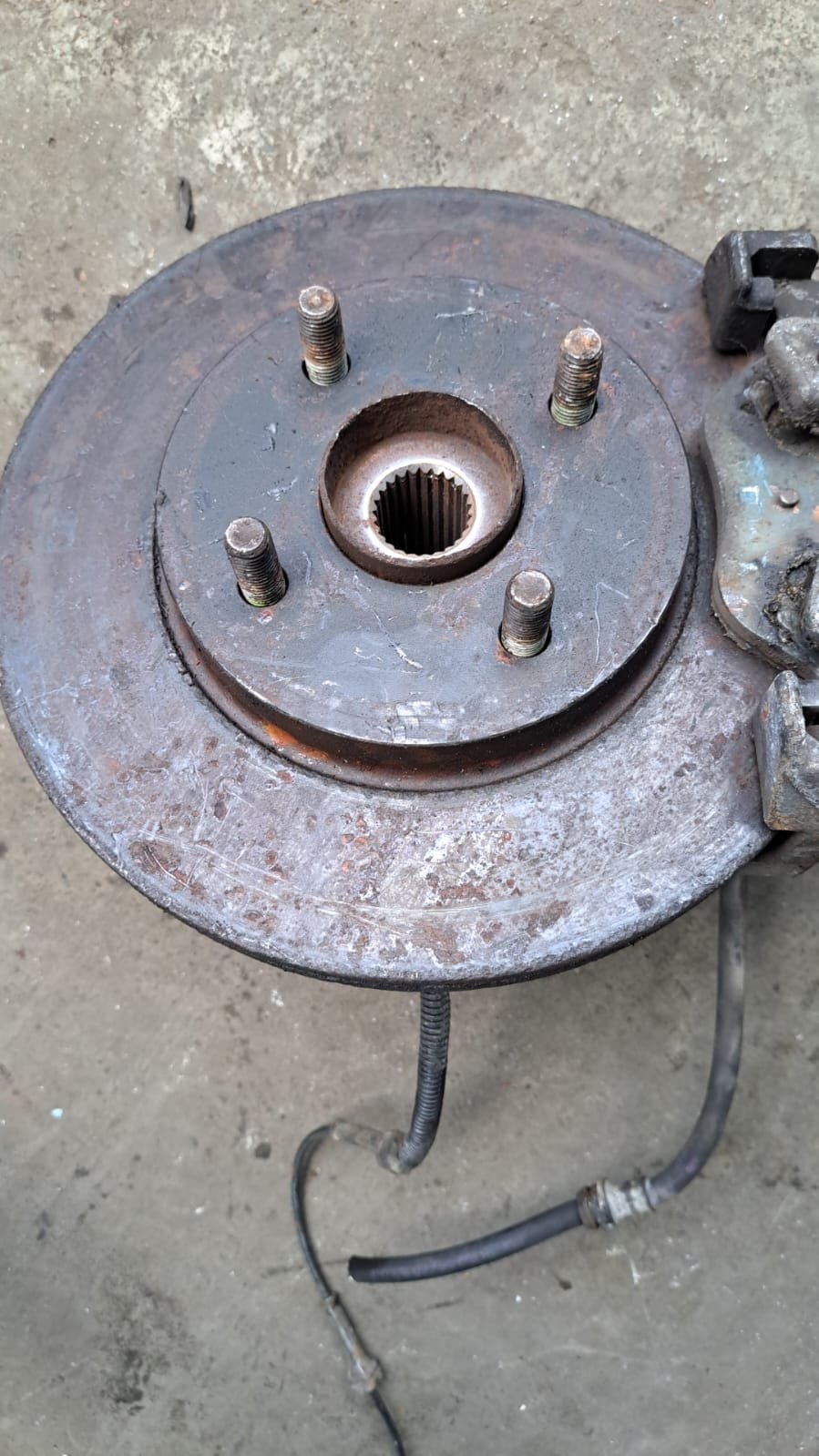
- Weight Comparison: If you are replacing a Toyota Axio 161 Brake Disc, compare the weight of the new one to your old one. Genuine discs are made of high-density cast iron. If the new one feels significantly lighter, it’s made of scrap metal and will warp under heat.
- The Finish: Look for “burrs” or rough edges. Genuine Toyota parts are precision-machined. Surfaces should be smooth, and bolt holes should be perfectly round with clean threading.
- The Smell Test: Believe it or not, genuine rubber bushings and belts have a specific “new rubber” smell. Counterfeits often smell like strong chemicals or burnt plastic because they use low-grade recycled materials.
4. The Price Trap: “Too Good to be True”
We all love a bargain, especially in these tough economic times. But in the world of spares, cheap is expensive.
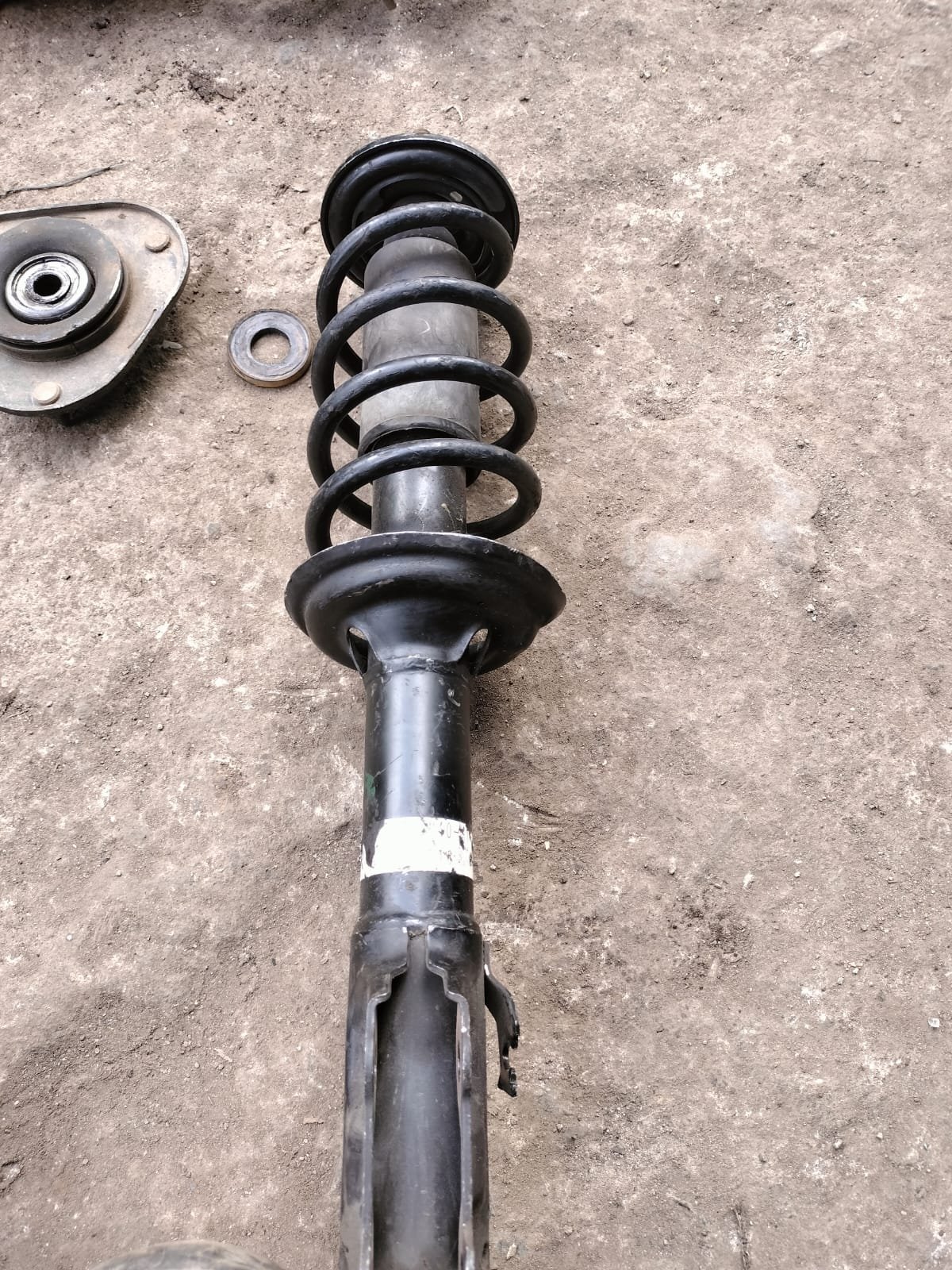
At Taleon Autospares, we sell our Toyota Axio 161 Heavy Duty Coil Springs for KSh 10,000. If you find someone selling “Original” springs for KSh 4,000, they are not original. They are either:
- Used parts painted to look new.
- Weak local counterfeits that will sag within a month.
5. The Dangerous “Fakes”: What to Avoid at All Costs
While a fake door handle is annoying, fake mechanical parts are deadly.
Fake Oil Filters
A fake filter has poor-quality paper inside that can collapse and block oil flow. This will seize your engine in minutes, turning a KSh 1,000 saving into a KSh 150,000 engine overhaul.
Fake Brake Pads & Discs
Counterfeit pads use “filler” materials like grass or compressed wood shavings mixed with metal. On a long descent—like the road to Nakuru—these pads will catch fire or crumble, leaving you with no brakes.
6. Why “Ex-Japan” is Your Safest Bet for Value
If brand-new showroom parts are out of your budget, the smartest move in Kenya is buying Genuine Ex-Japan Parts from a trusted dealer like Taleon.
- They are original parts made by Toyota.
- They have been tested by the rigorous Japanese road standards (Shaken).
- They offer the same fitment and safety as a new part at 50% of the cost.
Conclusion: Trust Your Source
The best way to avoid fakes is to stop buying from “briefcase” sellers or unauthorized street vendors. Build a relationship with a reputable dealer who stands by their stock.
At Taleon Autospares Kenya, we pride ourselves on transparency. If a part is Ex-Japan, we tell you. If it’s high-quality aftermarket, we tell you. We never disguise a fake as a genuine.
Keep your Toyota a Toyota. Visit us today for a free inspection of your suspension or braking system!
Add a review
Your email address will not be published. Required fields are marked *