


Description
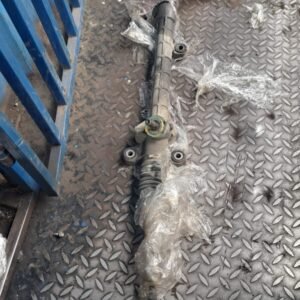
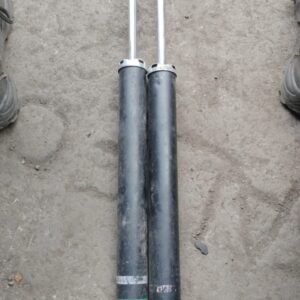
The W203 C-Class uses a sophisticated suspension system designed for the German Autobahn, getting an Ex-Japan original is often preferred by Mercedes purists over cheap brand-new aftermarket parts. These original units (often manufactured by Sachs or Bilstein) feature “degressive valving,” which means they are soft and comfortable at low speeds but become firm and stable at high speeds.
Why Ex-Japan
-
Gas-Pressure Tech: These are nitrogen-gas-charged monotube or twin-tube designs. Unlike basic oil shocks, they don’t “fade” or lose performance during long trips on hot Kenyan roads.
-
Low Fatigue Life: Japanese roads are exceptionally smooth. A shock from Japan has usually suffered far less internal “piston wear” than a locally used unit, even if the mileage is similar.
-
Original Bushings: Ex-Japan units often come with their original factory-molded rubber bushings. These are superior to the cheap replacement bushes found in local shops, which tend to crack or squeak after a few months.
What to Watch Out For
-
Sedan vs. Sport Suspension: If your C-Class has the “Sport” package (Evolution or Avantgarde trim), it may have shorter, stiffer shocks. While a standard shock will fit, it may slightly increase your ride height.
-
The “Sweat” Test: On a 6,000/- unit, check the top seal. If there is a thin film of oil (sweating), it means the seal is starting to fail. It should be completely dry.
-
Bushing Integrity: Ensure the bottom mounting “eye” is perfectly round and the rubber hasn’t perished.
Performance Benefits
-
Steering Precision: Even though these are rear shocks, they affect steering. Healthy rear dampers prevent “rear-end steering,” where the back of the car feels like it’s swaying out during sharp turns.
-
Braking Distance: New shocks keep the car level under heavy braking, preventing the weight from shifting too far forward and keeping the rear tires in contact with the road.
There are no reviews yet.