Nissan vs. Toyota: Which Brand Has the Most Affordable Spares in Kenya?

If you stand on Kirinyaga Road for five minutes, you will see a never-ending stream of Toyota Axios and Nissan Notes. These two brands own the Kenyan road. But when that “Check Engine” light comes on or your suspension starts rattling, which one will be easier on your wallet?

At Taleon Autospares, we sell thousands of parts for both brands every year. Today, we’re settling the debate. We will compare the cost, availability, and durability of spares for Nissan and Toyota to help you decide which brand really offers the best value for your money.


1. The Availability Battle: Who is King of the Shelf?

In Kenya, “availability” is everything. If your car breaks down in Narok or Maua, can the local mechanic find a part?

  • Toyota: Toyota is the undisputed king of availability. Because the Toyota Corolla (Axio/Fielder) platform is used in so many models, parts are found in nearly every town in Kenya. You can practically buy a Toyota oil filter at a local hardware store.
  • Nissan: While Nissan parts used to be harder to find 10 years ago, that has changed. For popular models like the Nissan Note E11 or Tiida, parts are now widely available in all major Kenyan cities.

The Verdict: Toyota wins on sheer geographical reach, but for urban drivers, Nissan is just as easy to service.


2. Cost Comparison: The “Nuptial” Price Tag

Let’s look at the numbers. At Taleon Autospares, we track the market prices daily.

Part ExampleToyota Axio 161 (Avg. Price)Nissan Note E11 (Avg. Price)
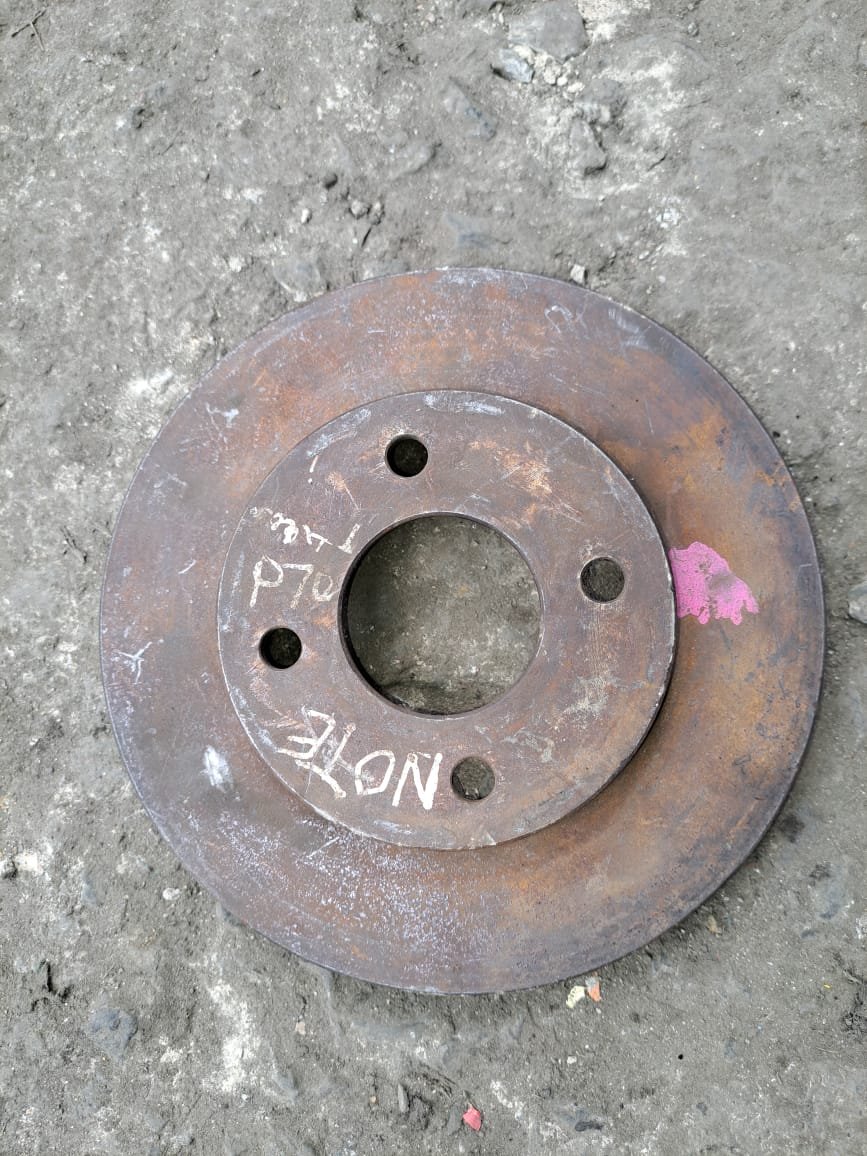
Front Brake DiscsKSh 3,500 – 4,500KSh 3,000
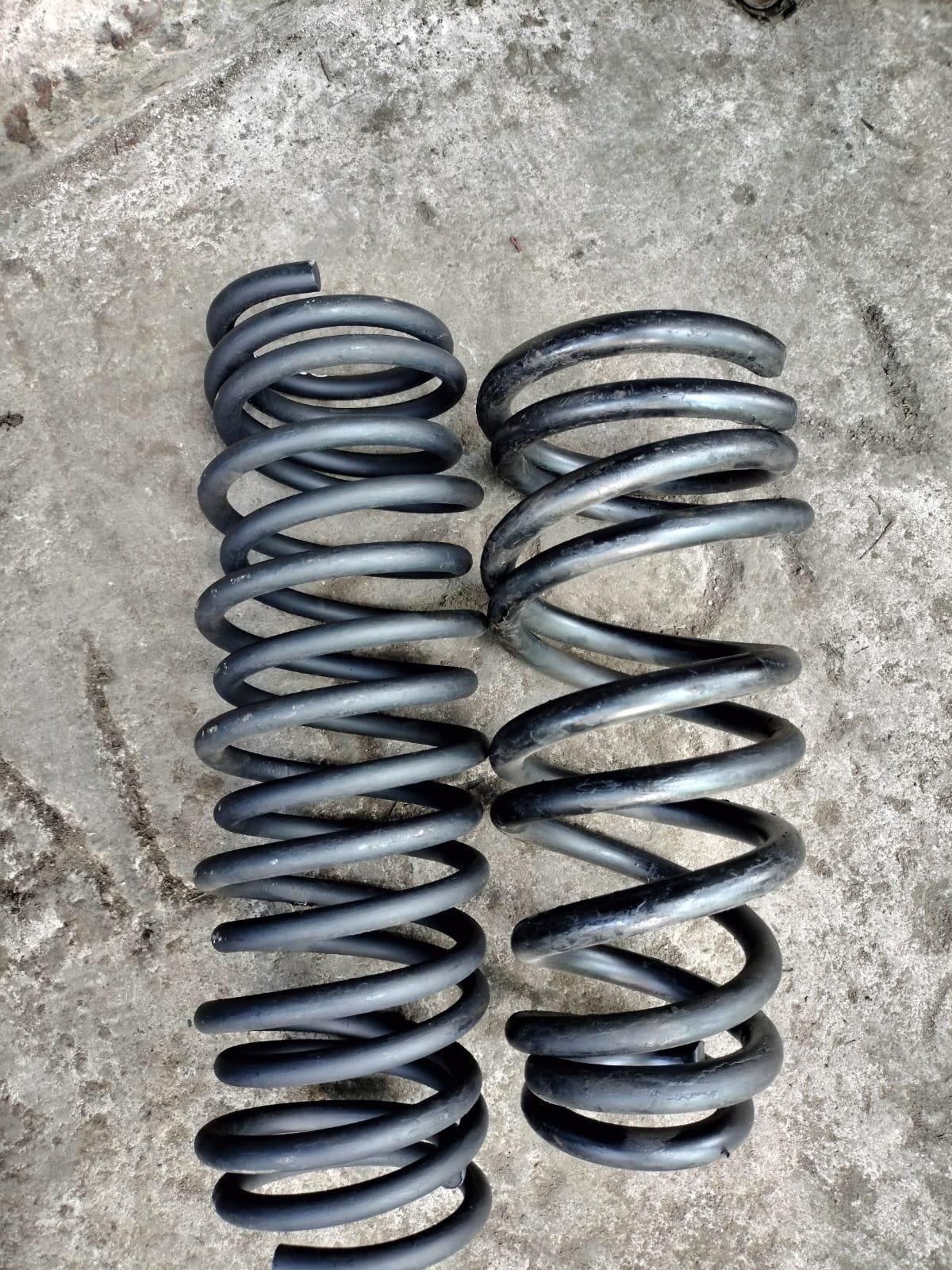
Heavy Duty SpringsKSh 10,000 (Set)KSh 11,500 (Set)
Oil Filter (Genuine)KSh 800 – 1,200KSh 700 – 1,000
Side Mirror (Ex-Japan)KSh 5,000 – 7,000KSh 4,000 – 6,000

The Reality: Contrary to popular belief, Nissan spares are often slightly cheaper than Toyota spares for similar models. Because Toyota has a higher “prestige” and resale value in Kenya, the demand for its parts drives the price up.


3. Durability: “Buy Once” vs. “Buy Twice”

This is where the debate gets heated.

  • Toyota Spares: There is a reason Toyota parts are more expensive. They are built for abuse. A genuine Toyota suspension bushing often lasts 20% longer on rough Kenyan roads than its Nissan equivalent.
  • Nissan Spares: Nissan parts are precise and high-tech, but they require a “gentler” touch. If you skip a service or use “jua kali” oil, a Nissan engine or gearbox will complain much sooner than a Toyota.

The Taleon Tip: If you drive on rough, rural roads, the extra cost of Toyota spares is worth it. If you are a city driver in Nairobi, Nissan’s affordable parts offer better daily value.


4. The “Ex-Japan” Factor

In Kenya, the Ex-Japan market is the great equalizer.

  • For Toyota Axio owners, Ex-Japan body parts (doors, bumpers, lights) are plentiful but expensive because of high demand.
  • For Nissan Note owners, Ex-Japan parts are often incredibly clean and very affordable because there is less “bidding war” for them in the scrap yards.

At Taleon Autospares, we specialize in Ex-Japan units for both. We ensure that whether you choose Nissan or Toyota, you’re getting a genuine Japanese-spec part that hasn’t been “beaten” by Kenyan potholes yet.


5. Maintenance Complexity

  • Toyota: Most Toyotas are mechanically simple. Any “fundi” under a tree can fix a basic suspension issue on an Axio. This keeps labor costs low.
  • Nissan: Modern Nissans (like the E11 and E12) have more advanced electronics and sensors. You need a mechanic with a good diagnostic scanner. While the parts are cheap, you might spend a bit more on specialized labor.

Final Conclusion: Which One Should You Choose?

  • Choose Toyota if: You prioritize resale value, drive in rural areas, and want parts that “last forever” even if they cost a bit more upfront.
  • Choose Nissan if: You want a modern, comfortable car with lower initial purchase and spare parts costs, and you mostly drive on paved city roads.

Why Shop at Taleon Autospares Regardless of Your Choice?

Whether you are a “Toyota Person” or a “Nissan Person,” your car deserves the best.

  • We stock Nissan Note E11 Brake Discs at the best price in Nairobi (KSh 3,000).
  • We are the home of Toyota Axio 161 Heavy Duty Springs (KSh 10,000).

We don’t take sides—we just provide the quality that keeps you on the move.
The Cost of Cheap Spares: Why Genuine Nissan Parts Save You Money

In the world of Nairobi’s spare parts markets, there is a phrase every driver hears: “iko na bei ya chini” (it has a low price). For a Nissan Note E11 owner, the temptation to save KSh 1,500 on a set of brake pads or KSh 2,000 on a fuel pump is high. But at Taleon Autospares, we’ve seen these “savings” turn into expensive mechanical nightmares just weeks later.

There is a famous saying: “I am too poor to buy cheap things.” In this guide, we break down the true cost of cheap spares and why investing in genuine or high-quality Ex-Japan parts is the only way to actually save money in Kenya.


1. The “False Economy” of Initial Savings

Let’s look at a real-world example we see every day at our shop on Kirinyaga Road.

  • The Cheap Option: You buy a “no-name” generic brake disc for KSh 1,800. It looks identical to the original. You feel like a genius for saving money.
  • The Reality: Within three months of driving in Nairobi’s heat and dust, that cheap metal warps. Now your steering wheel vibrates every time you touch the brakes. Even worse, the poor-quality metal has ground down your brake pads 50% faster than normal.
  • The Taleon Option: You buy a high-quality Nissan Note E11 Brake Disc from Taleon for KSh 3,000. It lasts for years, preserves your brake pads, and provides a smooth, safe stop every time.

The Result: You end up buying the cheap part twice plus paying the mechanic twice. The “expensive” part was actually cheaper.


2. The Chain Reaction of Failure

Cars are complex systems. One low-quality part doesn’t just fail on its own; it often takes down more expensive components with it.

  • Cooling System: A cheap, non-genuine radiator cap might fail to release pressure correctly. This small, KSh 500 part can cause your radiator to burst or, worse, lead to a blown head gasket. Now, your KSh 500 “saving” has led to a KSh 70,000 engine overhaul.
  • Suspension: Using low-grade bushings or weak coil springs puts extra stress on your shock absorbers and tires. You might save money on the spring, but you’ll be buying new tires much sooner because of uneven wear.

3. Fuel Efficiency: The Hidden Daily Cost

Did you know that “cheap” engine parts can actually increase your weekly petrol bill?

  • Filters: A genuine Nissan air filter is designed for a specific airflow. Cheap filters are often too restrictive or let in too much dust. This confuses the engine’s sensors, leading to a “rich” fuel mixture.
  • Spark Plugs: Using standard plugs when your Nissan Note requires Iridium/Platinum plugs results in poor combustion. You might save KSh 2,000 at the shop, but you’ll spend an extra KSh 500 every time you go to the petrol station.

4. Resale Value: Protecting Your Investment

The Kenyan used car market is very savvy. When it comes time to sell your Nissan Note or Toyota Axio, a potential buyer will bring a mechanic.

  • If that mechanic sees a “jua kali” (improvised) repair or poor-quality aftermarket parts, the buyer will use it as a reason to slash your price by KSh 50,000 or more.
  • A car maintained with parts from Taleon Autospares—where we prioritize genuine and clean Ex-Japan quality—retains its value because the buyer knows the car is reliable.

5. Safety: The Price You Can’t Calculate

You can replace an engine, but you can’t replace a life. Cheap brake pads and discs have a much higher “brake fade” rate. This means that during an emergency stop on the highway, a cheap part might need an extra 5 meters to stop the car. In an accident, those 5 meters are the difference between a close call and a tragedy.


6. Why Taleon Autospares is the “Value King”

At Taleon, we don’t believe “Genuine” has to mean “Unaffordable.” We bridge the gap for the Kenyan driver:

  • Verified Quality: We stock parts that we know work for our local climate and roads.
  • Clean Ex-Japan Stock: This is the ultimate “hack” for the budget-conscious driver. You get a genuine Japanese-made part for a fraction of the showroom price.
  • Honesty First: If you are on a tight budget, we will show you the best high-quality aftermarket option that is safe, rather than selling you a dangerous “fake” just to make a sale.

Conclusion: Stop Paying Twice

Next time you are offered a part that is “unbelievably cheap,” remember that you are likely paying for it in future repairs, higher fuel costs, and reduced safety.

Make the smart choice for your wallet and your car. Visit Taleon Autospares Kenya for parts that are built to last. Whether it’s E11 Brake Discs or Axio 161 Suspension, we provide the quality that saves you money in the long run.

Top 10 Most Common Nissan Note E11 Parts You’ll Need This Year

The Nissan Note E11 is one of the most practical cars on Kenyan roads today. It’s spacious, fuel-efficient, and easy to park. However, like any machine, the E11 has specific components that bear the brunt of our local driving conditions—from the dust of Mombasa Road to the steep hills of Kiambu.

If you own an E11, being proactive about these 10 parts won’t just keep you safe; it will save you from expensive “emergency” repairs. Here is your essential E11 parts checklist from Taleon Autospares.


1. Front Brake Discs (Rotors)

The E11 is a light car, but its braking system works hard in Nairobi’s stop-and-go traffic.

  • The Issue: Over time, heat causes the discs to thin or warp, leading to steering wheel vibration.
  • The Taleon Solution: We stock high-quality KSh 3,000 brake discs specifically vented for the E11 to ensure rapid cooling and noise-free braking.

2. Suspension Coil Springs

Kenyan speed bumps are the natural enemy of the Nissan Note. The E11 has a relatively soft factory suspension that tends to sag over time.

  • The Issue: A sagging rear or a “clunking” sound when hitting bumps.
  • Maintenance Tip: Upgrading to heavy-duty springs can give you that extra half-inch of clearance needed to stop scraping your undercarriage.

3. Control Arm Bushings

The rubber bushings in your front control arms absorb road vibrations. In Kenya, the heat and rough terrain cause this rubber to crack.

  • The Sign: Your car feels “loose” or pulls to one side when you brake.
  • Why buy original: Cheap plastic bushings will squeak within a week. Always go for high-grade rubber or Ex-Japan arms.

4. Spark Plugs (Iridium/Platinum)

The HR15DE engine in most Notes is sensitive to combustion quality.

  • The Issue: Rough idling or a sudden drop in fuel mileage.
  • The Fix: The E11 performs best with specific NGK or Denso plugs. At Taleon, we ensure you get the exact heat range required for your engine to prevent misfiring.

5. CV Boots and Joints

The “Click-Click-Click” sound when you make a sharp turn is a classic E11 cry for help.

  • The Cause: A torn rubber CV boot lets grease out and sand in.
  • Pro-Tip: Check your boots during every oil change. Replacing a KSh 1,500 boot today saves you from replacing a KSh 8,000 CV joint tomorrow.

6. Rear Engine Mount

Does your dashboard vibrate excessively when you’re idling at a red light?

  • The Part: The rear “dog-bone” engine mount.
  • The Detail: This part stabilizes the engine during acceleration. If it’s worn, it puts extra stress on your exhaust manifold and gear linkages.

7. Air and Cabin Filters

Kenya is a dusty environment. Your E11’s engine needs to breathe, and so do you.

  • The Impact: A clogged air filter can increase your fuel consumption by up to 10%.
  • Don’t Forget: The cabin filter (located behind the glovebox) keeps the Nairobi dust out of your A/C vents and your lungs.

8. Cooling System Thermostat & Radiator Cap

Nissans do not handle overheating well.

  • The Risk: A stuck thermostat can cause an engine to blow its head gasket in minutes.
  • The Fix: Replacing your radiator cap every 2 years is the cheapest insurance policy you can buy for your engine.

9. Alternator/Serpentine Belt

That high-pitched “screeching” sound when you start your car in the morning is your belt slipping.

  • The Danger: If this belt snaps, you lose your steering assist, your battery charging, and your water pump—effectively stranding you.

10. Fuel Pump & Strainer

With varying fuel quality at some petrol stations, the fuel strainer in the E11 can get clogged.

  • The Symptom: Your car struggles to start or “hesitates” when you try to overtake.
  • Availability: We stock genuine E11 fuel pump assemblies that are a direct fit for the 1.5L petrol models.

Why Buy These Parts from Taleon Autospares?

We don’t just sell boxes; we sell solutions. When you come to us for a Nissan Note E11 Brake Disc, we don’t just hand you a part—we make sure it’s the right fit for your specific year and trim.

  • Ex-Japan Reliability: We source clean, tested parts from Japan for those who want original quality without the showroom price tag.
  • Affordable Pricing: We keep our prices competitive (like our KSh 3,000 discs) because we believe safety should be accessible to every Kenyan driver.

How to Spot Fake Toyota Spares Before They Ruin Your Engine

In the Kenyan automotive market, the Toyota Axio, Fielder, and Premio are legends of the road. But their popularity has a dark side: it has made Toyota the most targeted brand for counterfeiters. Today, River Road and various online marketplaces are flooded with “look-alike” parts that promise the Toyota logo but deliver catastrophic engine failure.

At Taleon Autospares, we believe an informed driver is a safe driver. In this guide, we reveal the industry secrets to identifying counterfeit parts so you can protect your investment and your family.


1. The Packaging: The First Line of Truth

Counterfeiters have become experts at mimicking boxes, but they almost always fail at the details. Toyota spends millions on high-quality packaging to ensure parts arrive in perfect condition.

Red Flags on the Box:

  • The Printing Test: Genuine Toyota boxes have crisp, dark red ink. Fakes often have a “faded” look, blurry edges on the logo, or ink that smears if you rub it with a damp finger.
  • Spelling Mistakes: It sounds simple, but look closely. We’ve seen boxes labeled “Toyotta” or “Genunine Parts.” * Label Alignment: On an original part from Taleon, the white part-number sticker is perfectly centered and machine-applied. If the sticker is crooked or has air bubbles, it’s likely a manual “re-label” of a fake part.

2. The 2026 Verification Tech: QR Codes & Holograms

As we move into 2026, Toyota has upgraded its security features. Modern genuine parts now come with dynamic holograms.

  • The Color Shift: When you tilt a genuine Toyota security sticker, the colors should shift smoothly. Fake holograms often look “flat” or are just shiny stickers that don’t change when moved.
  • QR Code Scanning: Most new-gen Toyota spares feature a QR code. Use your smartphone to scan it; it should lead you directly to a verification page or a Toyota parts database. If the link looks suspicious or doesn’t load, put the part back.

3. Physical Inspection: The “Feel and Weight” Test

If the part is out of the box, use your hands. Counterfeiters save money by using thinner metals and cheaper plastics.

  • Weight Comparison: If you are replacing a Toyota Axio 161 Brake Disc, compare the weight of the new one to your old one. Genuine discs are made of high-density cast iron. If the new one feels significantly lighter, it’s made of scrap metal and will warp under heat.
  • The Finish: Look for “burrs” or rough edges. Genuine Toyota parts are precision-machined. Surfaces should be smooth, and bolt holes should be perfectly round with clean threading.
  • The Smell Test: Believe it or not, genuine rubber bushings and belts have a specific “new rubber” smell. Counterfeits often smell like strong chemicals or burnt plastic because they use low-grade recycled materials.

4. The Price Trap: “Too Good to be True”

We all love a bargain, especially in these tough economic times. But in the world of spares, cheap is expensive.

At Taleon Autospares, we sell our Toyota Axio 161 Heavy Duty Coil Springs for KSh 10,000. If you find someone selling “Original” springs for KSh 4,000, they are not original. They are either:

  1. Used parts painted to look new.
  2. Weak local counterfeits that will sag within a month.

5. The Dangerous “Fakes”: What to Avoid at All Costs

While a fake door handle is annoying, fake mechanical parts are deadly.

Fake Oil Filters

A fake filter has poor-quality paper inside that can collapse and block oil flow. This will seize your engine in minutes, turning a KSh 1,000 saving into a KSh 150,000 engine overhaul.

Fake Brake Pads & Discs

Counterfeit pads use “filler” materials like grass or compressed wood shavings mixed with metal. On a long descent—like the road to Nakuru—these pads will catch fire or crumble, leaving you with no brakes.


6. Why “Ex-Japan” is Your Safest Bet for Value

If brand-new showroom parts are out of your budget, the smartest move in Kenya is buying Genuine Ex-Japan Parts from a trusted dealer like Taleon.

  • They are original parts made by Toyota.
  • They have been tested by the rigorous Japanese road standards (Shaken).
  • They offer the same fitment and safety as a new part at 50% of the cost.

Conclusion: Trust Your Source

The best way to avoid fakes is to stop buying from “briefcase” sellers or unauthorized street vendors. Build a relationship with a reputable dealer who stands by their stock.

At Taleon Autospares Kenya, we pride ourselves on transparency. If a part is Ex-Japan, we tell you. If it’s high-quality aftermarket, we tell you. We never disguise a fake as a genuine.

Keep your Toyota a Toyota. Visit us today for a free inspection of your suspension or braking system!

The Ultimate Guide to Sourcing Original Nissan Spares in Nairobi

For the modern Kenyan driver, the Nissan Note E11 has become a symbol of efficiency and urban convenience. It’s the perfect car for navigating Nairobi’s traffic and the tight parking spots of Westlands. However, the longevity of this “pocket rocket” depends entirely on one factor: the quality of its replacement parts.

At Taleon Autospares, we specialize in keeping your Nissan in showroom condition. In this comprehensive guide, we’ll walk you through how to source original Nissan spares, what to look for, and why your choice of spare parts determines your car’s resale value and safety.


1. Understanding the Nissan Note E11 Ecosystem

The E11 model, produced between 2004 and 2012, is a masterpiece of compact engineering. Because it shares a platform with the Renault Modus, its mechanical needs are precise. Using generic “universal” parts often leads to premature failure because they don’t account for the specific torque and heat tolerances of the Nissan HR15DE or CR14DE engines.

Why Originality Matters for Nissan

Nissans are known for their sensitive electronics and cooling systems. A non-genuine water pump or a generic radiator cap can lead to overheating—a common issue that can warp the cylinder head and cost you over KSh 80,000 in repairs. Original spares are designed to maintain the exact thermal balance your engine requires.


2. The Braking System: Your First Line of Defense

One of the most requested parts at Taleon Autospares is the Nissan Note E11 Brake Disc.

Why We Charge KSh 3,000 for Quality Discs

You might find cheaper discs in downtown Nairobi, but at Taleon, we prioritize your safety. Our KSh 3,000 brake discs are:

  • High-Carbon Cast Iron: This prevents “warping,” which causes that annoying steering wheel vibration when you brake at high speeds.
  • Precision Vented: The E11 is a light car, but it generates significant heat during stop-and-go traffic on Thika Road. Vented discs dissipate this heat, preventing “brake fade.”
  • Quiet Operation: Original-spec discs are machined to a tolerance of microns, ensuring silence and smooth stopping.

3. Suspension: Navigating the Kenyan “Pothole” Challenge

The Nissan Note E11 has a relatively low ground clearance. Over time, the springs sag, leading to the undercarriage hitting speed bumps.

The Suspension Checklist:

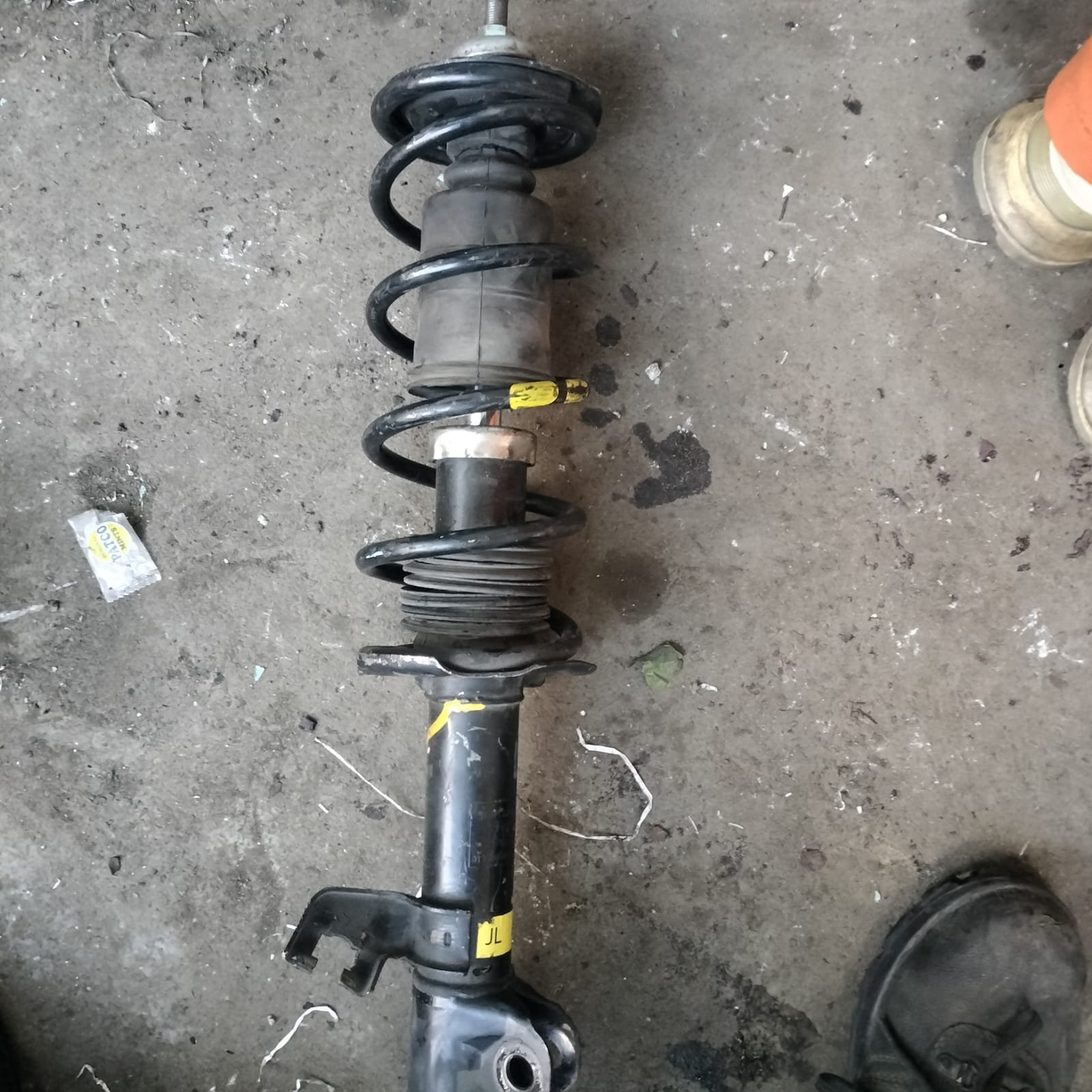
  1. Shock Absorbers: If your car “bounces” more than twice after a bump, your shocks are gone.
  2. Control Arm Bushings: Squeaking noises when turning? It’s time to visit Taleon for genuine rubber bushings.
  3. Coil Springs: Ensure you use the correct tension springs to maintain the car’s “stance” and prevent uneven tire wear.

4. The “Ex-Japan” Secret to Reliable Spares

In Kenya, “Ex-Japan” is often synonymous with “Better than New Aftermarket.” Why? Because an Ex-Japan part is a Genuine Nissan Part that was manufactured in Japan, for the Japanese market.

Benefits of Sourcing Ex-Japan from Taleon:

  • Tested Quality: We inspect every part for wear and tear.
  • Plug-and-Play: No modifications needed. The wiring harnesses and bolt holes align perfectly.
  • Eco-Friendly: Buying Ex-Japan is a form of recycling that gives you premium quality at a mid-range price.

5. Identifying Genuine vs. Counterfeit Nissan Parts

The market is flooded with “Grey” parts. Here is how to tell the difference:

  • The Logo: Genuine Nissan parts have a crisp, clear logo on the packaging. Counterfeits often have slightly blurred or off-center printing.
  • The Finish: Look at the metal. Genuine parts have a smooth, anti-corrosive coating. Fakes often look “painted” or have rough edges.
  • The Price: If a price seems too good to be true, it probably is. A KSh 500 oil filter for a Nissan is likely a paper-clogging disaster waiting to happen.

6. Essential Maintenance Tips for E11 Owners

To keep your Nissan Note running past 200,000 km, follow these Taleon Autospares rules:

  • Oil is Life: Use 5W-30 or 0W-20 synthetic oil. Original Nissan engines have narrow oil galleries that clog easily with heavy, cheap oil.
  • Coolant: Never use plain water. Use Genuine Nissan Blue or Green coolant to prevent internal rust.
  • CVT Fluid: If your Note has a CVT transmission, only use Nissan NS-2 or NS-3 fluid. Anything else will destroy your gearbox within 5,000 km.

7. Why Nairobi Drivers Choose Taleon Autospares

Located conveniently for quick delivery and pickup, Taleon Autospares has become the “Nissan Plug” for many.

  • Expertise: We don’t just sell; we advise. We know the E11 inside and out.
  • Availability: We stock the hard-to-find parts that other shops don’t carry.
  • Integrity: If a part isn’t right for your car, we tell you. We value your safety over a quick sale.

Conclusion: Invest in Your Nissan Today

The Nissan Note E11 is a reliable, fuel-efficient partner for your daily commute. Treat it with the respect it deserves by only fitting Original Nissan Spares. Whether you need brake discs, suspension parts, or engine components, Taleon Autospares Kenya is here to ensure your journey is smooth and safe.

Smooth Rides, Safer Roads: Why Taleon Autospares is the King of Ex-Japan Shocks in Kenya

Ex-Japan Shock Absorbers Kenya, Taleon Autospares Shocks, Toyota Fielder Shocks Price, Nissan X-Trail Front Shocks, Mazda CX-5 Rear Shock Absorber, Subaru Forester Suspension Kenya, Isuzu D-Max Heavy Duty Shocks, Best Shock Absorbers Nairobi, Genuine KYB Shocks Kenya, Toyota Prado J150 Shocks, Car Suspension Parts Nairobi, Affordable Shocks Kenya, Toyota Vitz Shock Absorber Price, Nissan Note Suspension Spares, Fast Delivery Auto Parts Kenya, Original Tokico Shocks Nairobi, Used Japanese Shocks Kenya, Toyota Probox Rear Shocks, Shock Absorber Replacement Nairobi, Taleon Autospares Suspension

Search products
Back to Top
Please select your product
Product has been added to your cart
Compare (0)