In Kenya, the automotive landscape is dominated by Japanese brands. Whether you are navigating the traffic of Nairobi or the rougher terrains of Machakos, your vehicle’s performance depends entirely on the quality of the parts you use.
Taleon Autospares Kenya has emerged as a trusted authority for car owners, specializing in Ex-Japan and genuine OEM parts. This guide breaks down the essential maintenance needs and common spare parts for the most popular models on Kenyan roads.
1. The Toyota Powerhouse: Reliability and Resilience
Toyota is the undisputed king of Kenyan roads. Models like the Fielder, Axio, Allion, Premio, and Corolla are prized for their resale value and mechanical simplicity. Meanwhile, the Probox, Hilux, Noah, and Voxy serve as the backbone of the country’s logistics and transport sectors.
Essential Spare Parts for Toyota
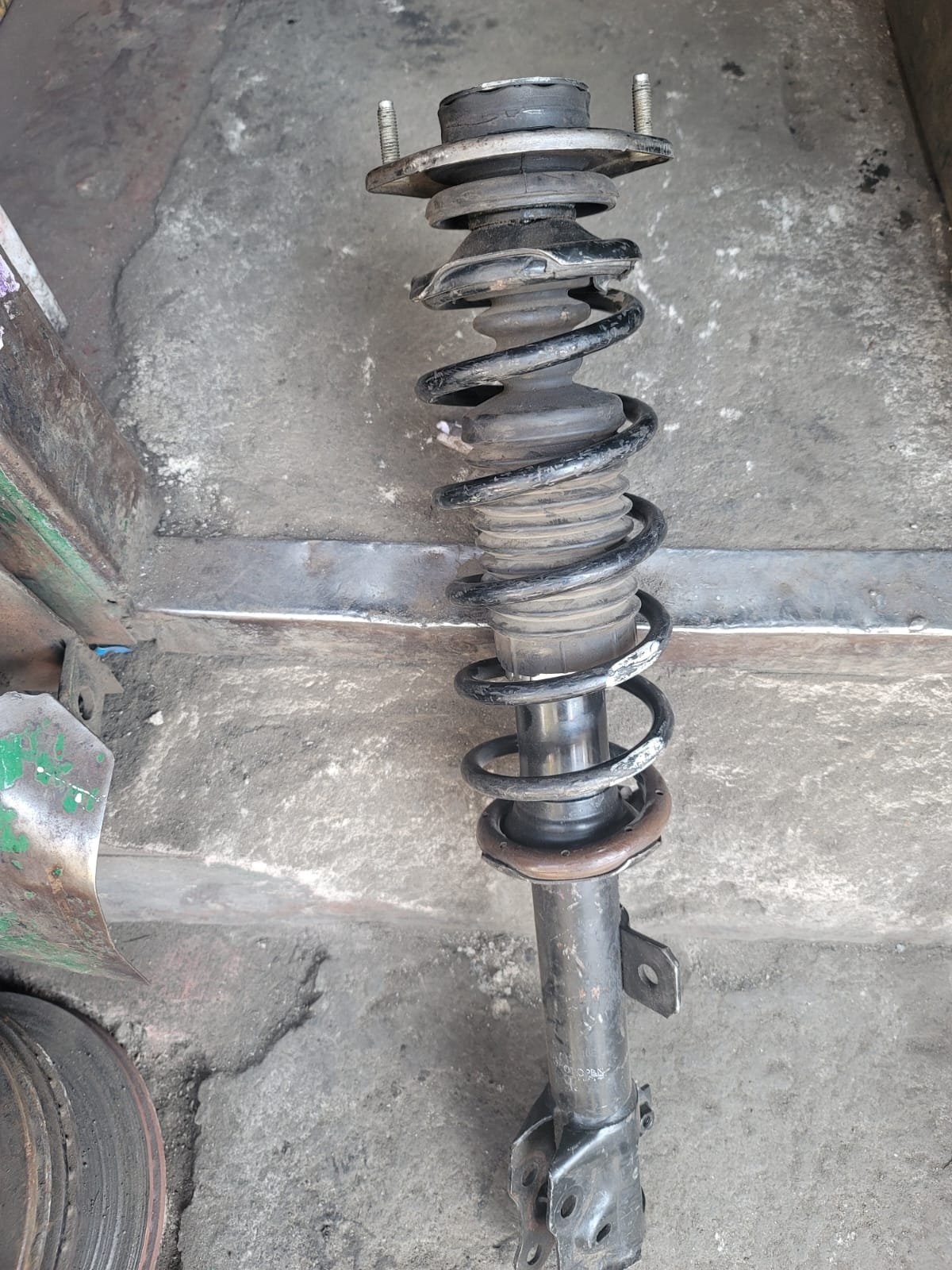
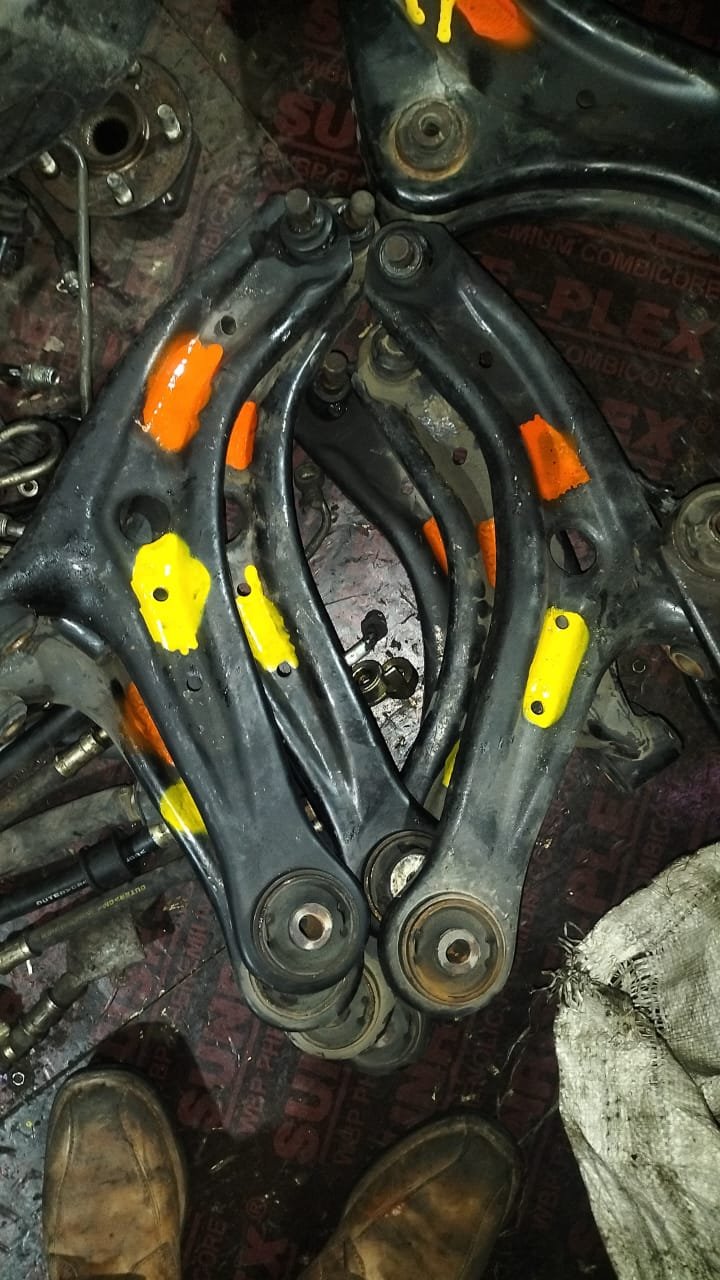
Suspension Systems: Given the nature of our roads, shock absorbers, control arms, and bushes are the most frequently replaced items.
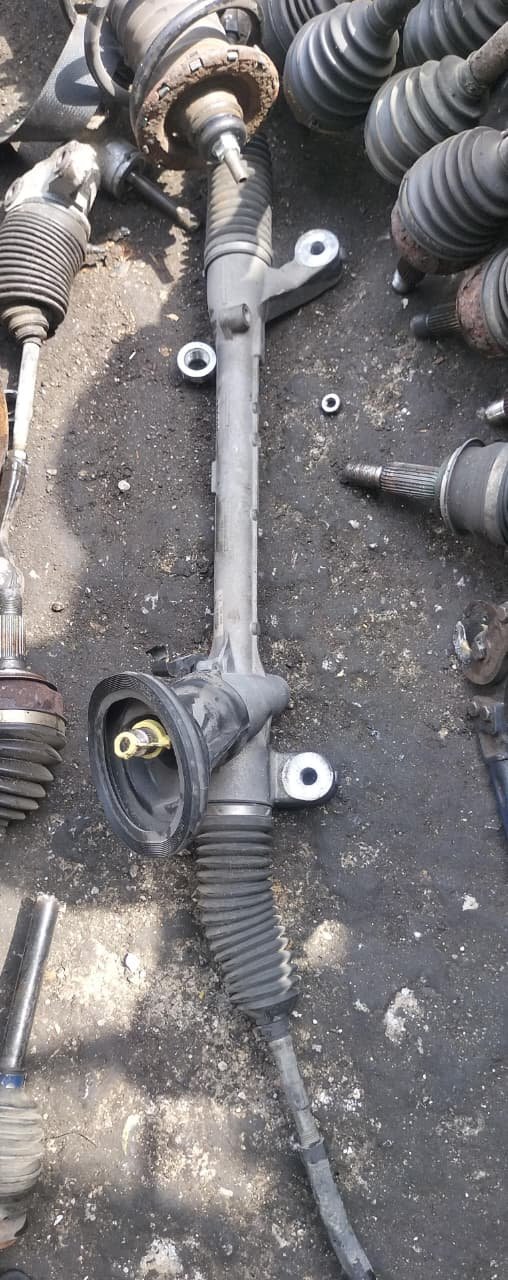
Steering Racks: A common issue in the Fielder and Axio models. Taleon specializes in providing high-quality Ex-Japan steering racks that restore that “new car” feel.
Engine Service Kits: Regular replacement of oil filters, air filters, and spark plugs (typically every 5,000–10,000 km) is non-negotiable for longevity.
2. The Mazda Evolution: Performance Meets Style
The CX-5 has become a status symbol in Kenya, while the Demio and Axela remain favorites for urban dwellers. Mazda vehicles are highly technical and require specialized parts to maintain their “SkyActiv” efficiency.
Common Issues & Maintenance
Electronic Sensors: Mazdas are sensitive to electrical glitches. Common replacements include oxygen sensors and ABS sensors.
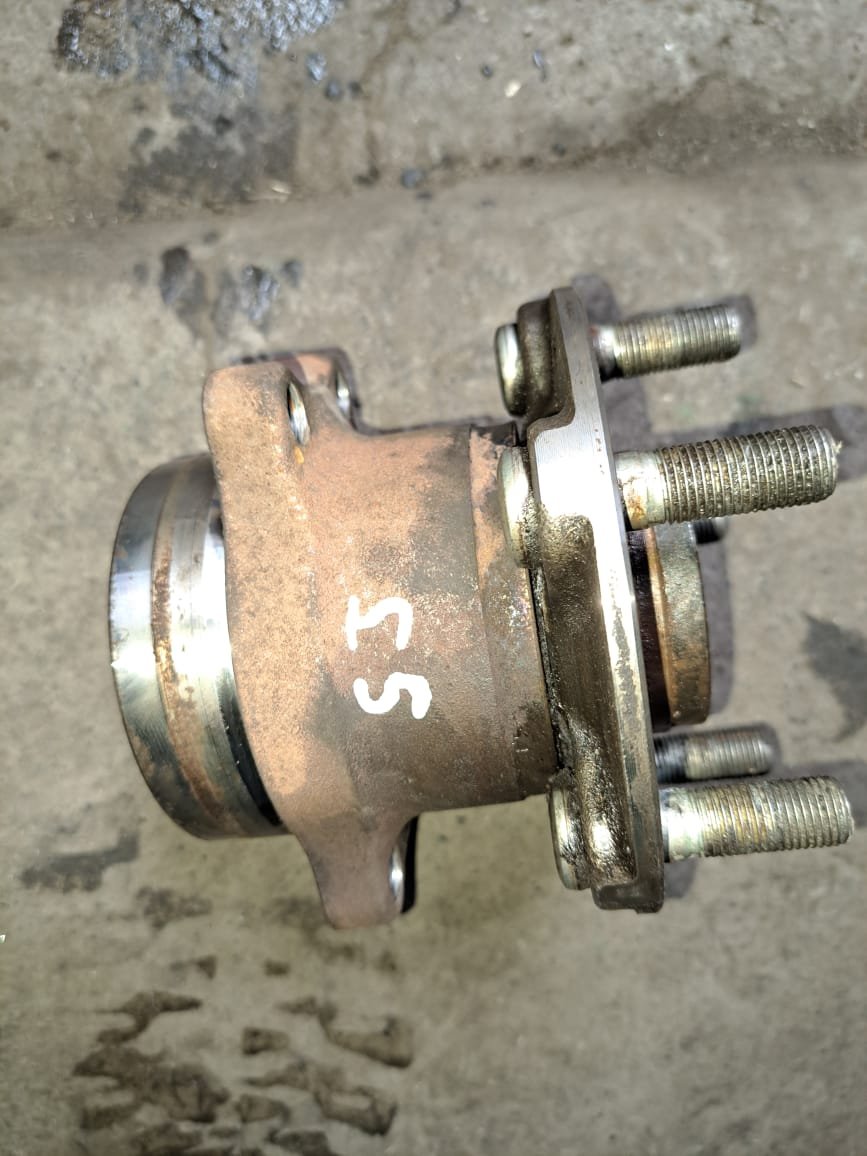
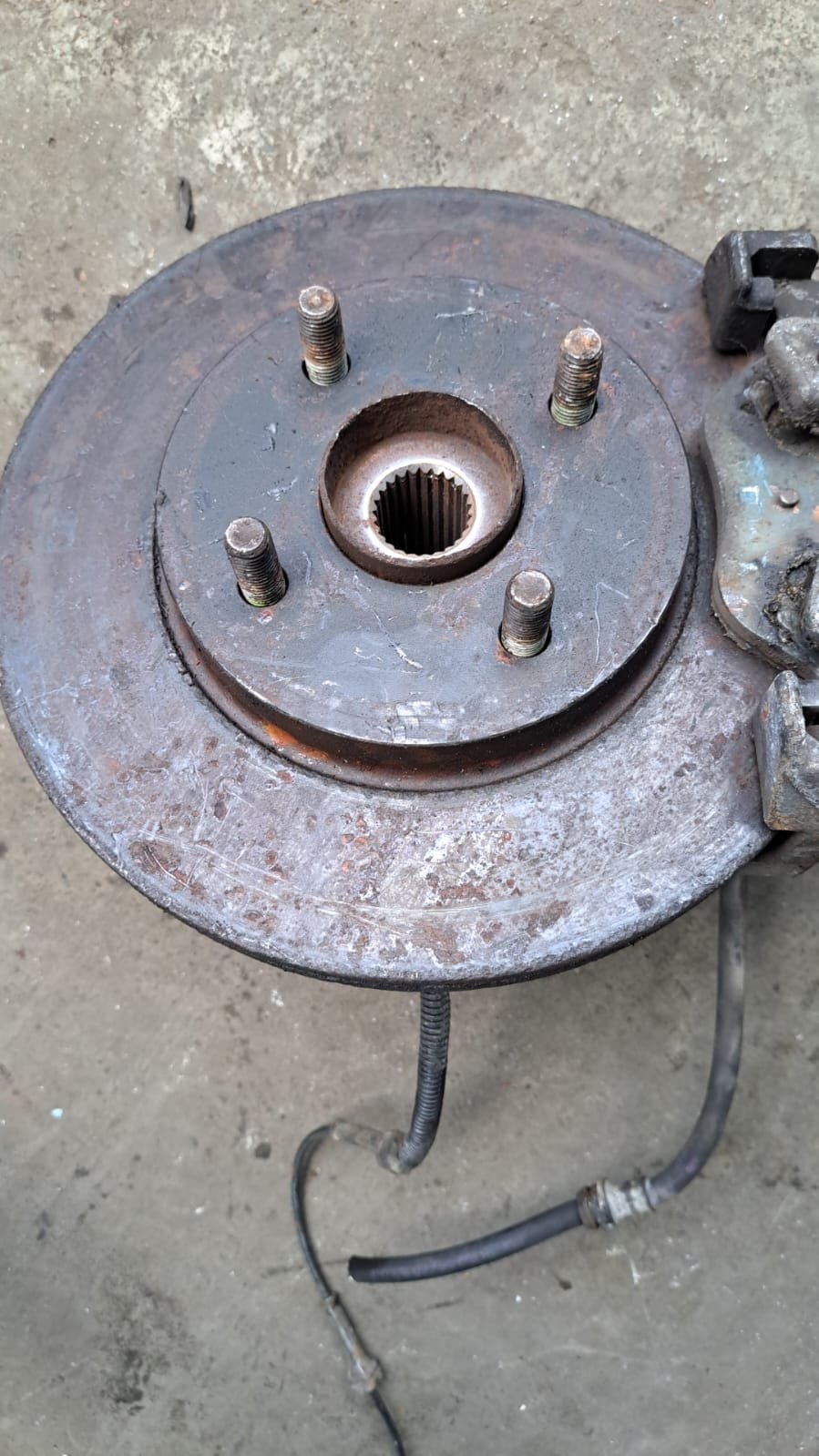
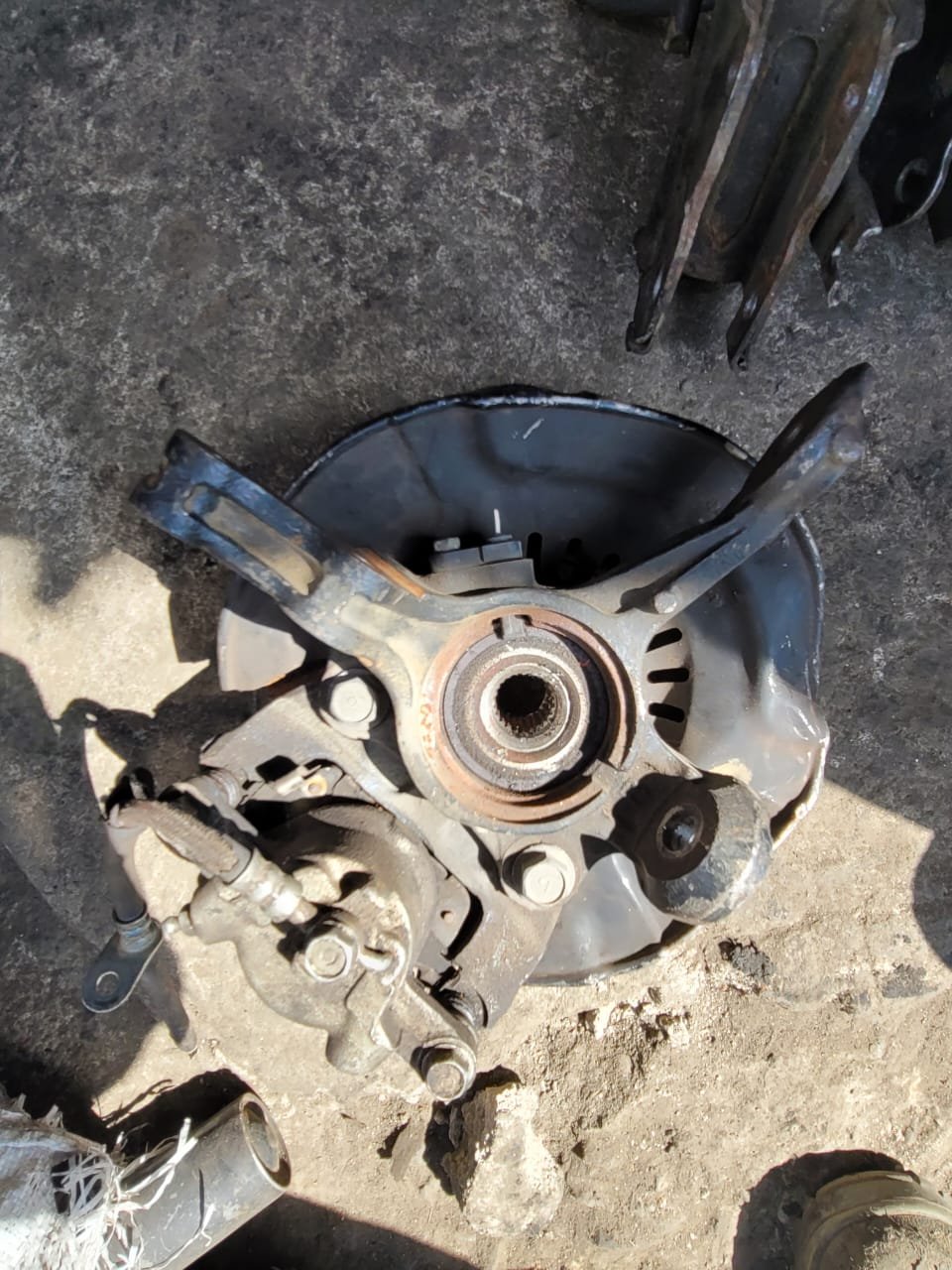
Wheel Hubs & Bearings: The Mazda Demio frequently requires wheel hub replacements (2005 and 2010 models particularly).
Mountings: To maintain a quiet cabin, engine and gearbox mountings should be inspected if you notice unusual vibrations.
3. The Subaru Legend: Built for the Bold
Subaru owners of the Forester, Impreza, and Legacy are known for their passion. These cars offer unmatched stability but demand strict adherence to maintenance schedules.
Key Focus Areas
Cooling System: Subaru engines are prone to overheating if the radiator or water pump fails. Always use high-quality coolant.
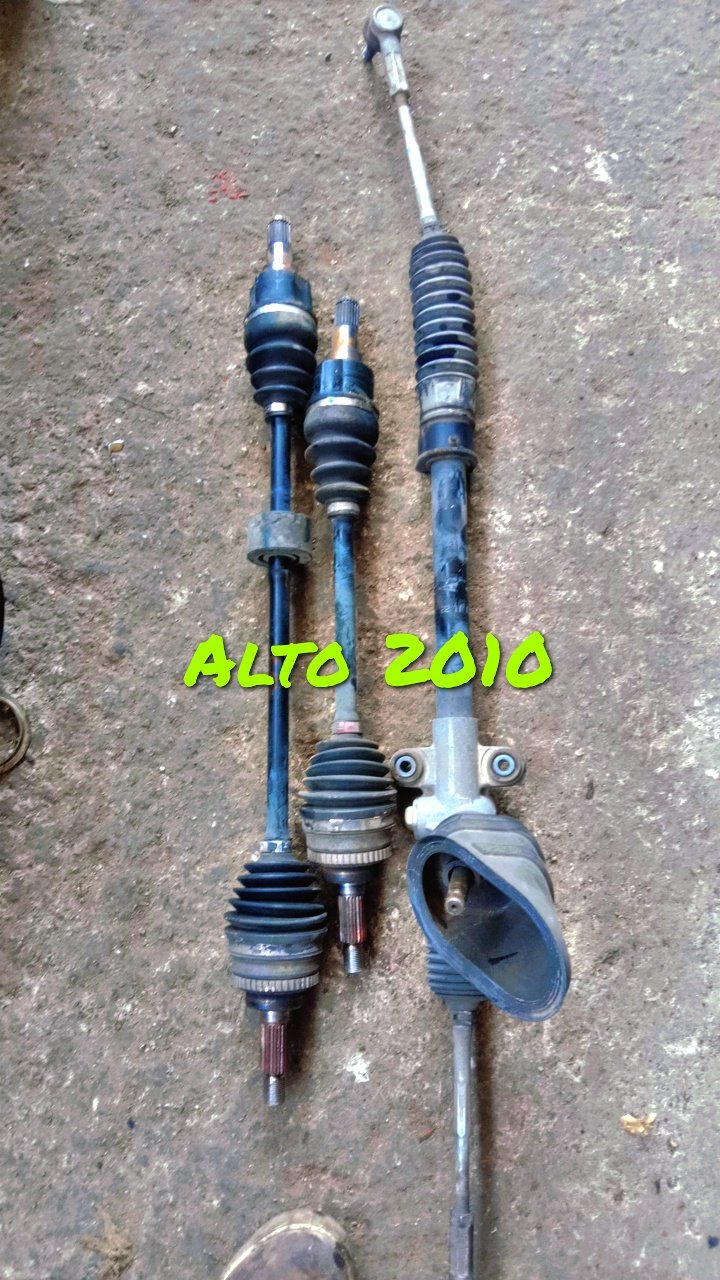
Drive Shafts: The Impreza and Legacy often require drive shaft replacements due to the high torque these vehicles produce.
Turbochargers: For the Forester and Impreza WRX, the turbo system requires clean oil and regular inspections to prevent expensive failures.
4. The Nissan Innovation: Practicality at Scale
The Nissan Note (E12) is a fuel-efficiency champion, while the Sylphy and the classic B15 remain reliable daily drivers.
Maintenance Tips
CVT Transmission Fluid: The most critical maintenance for the Nissan Note (E12). Using the wrong fluid can lead to catastrophic gearbox failure.
Ignition Coils: If your Sylphy is misfiring, the ignition coils are usually the culprit. Taleon stocks genuine replacements to restore smooth idling.
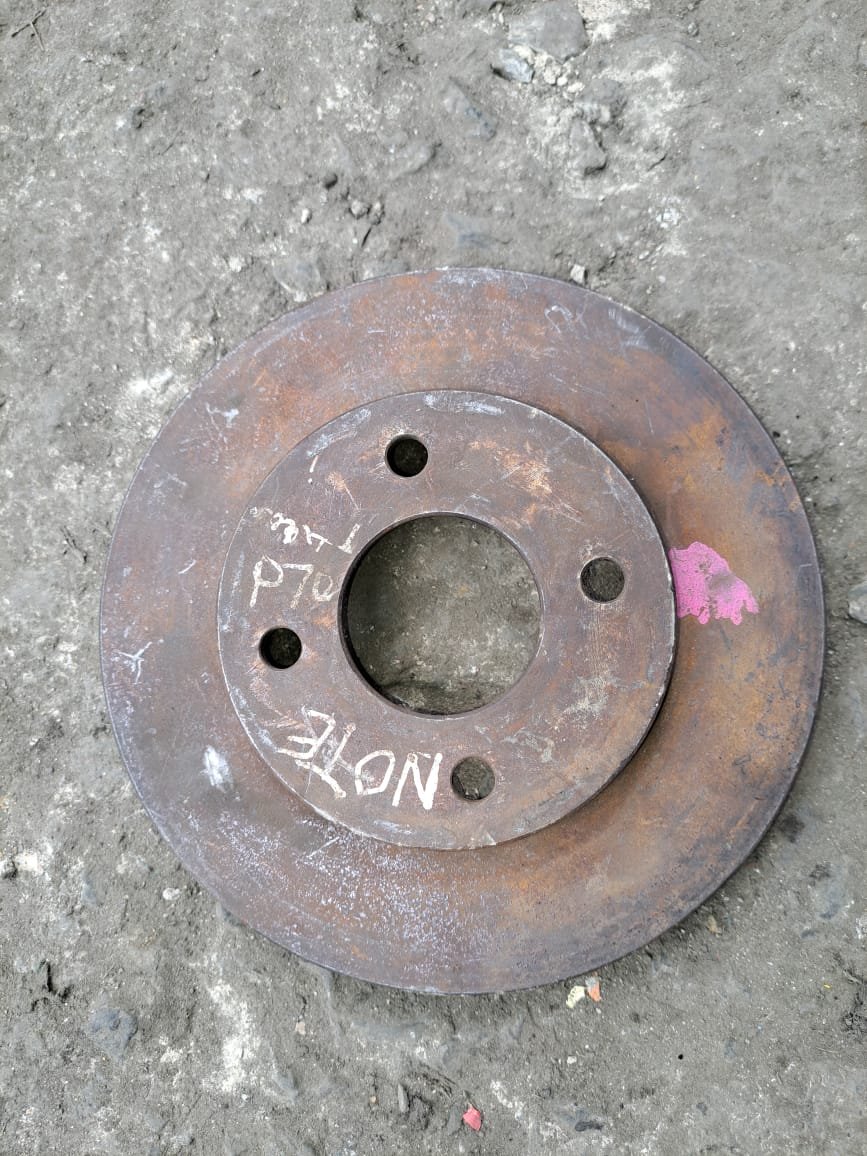
Brake Rotors: Ensuring your braking system uses high-carbon cast iron rotors prevents the “warping” often felt as steering vibration during braking.
5. The Suzuki Efficiency: Small but Mighty
The Swift, Wagon R, and Alto are the ultimate fuel-savers. Their compact nature makes them perfect for city driving, but their smaller components can wear out under heavy use.
Top Suzuki Parts
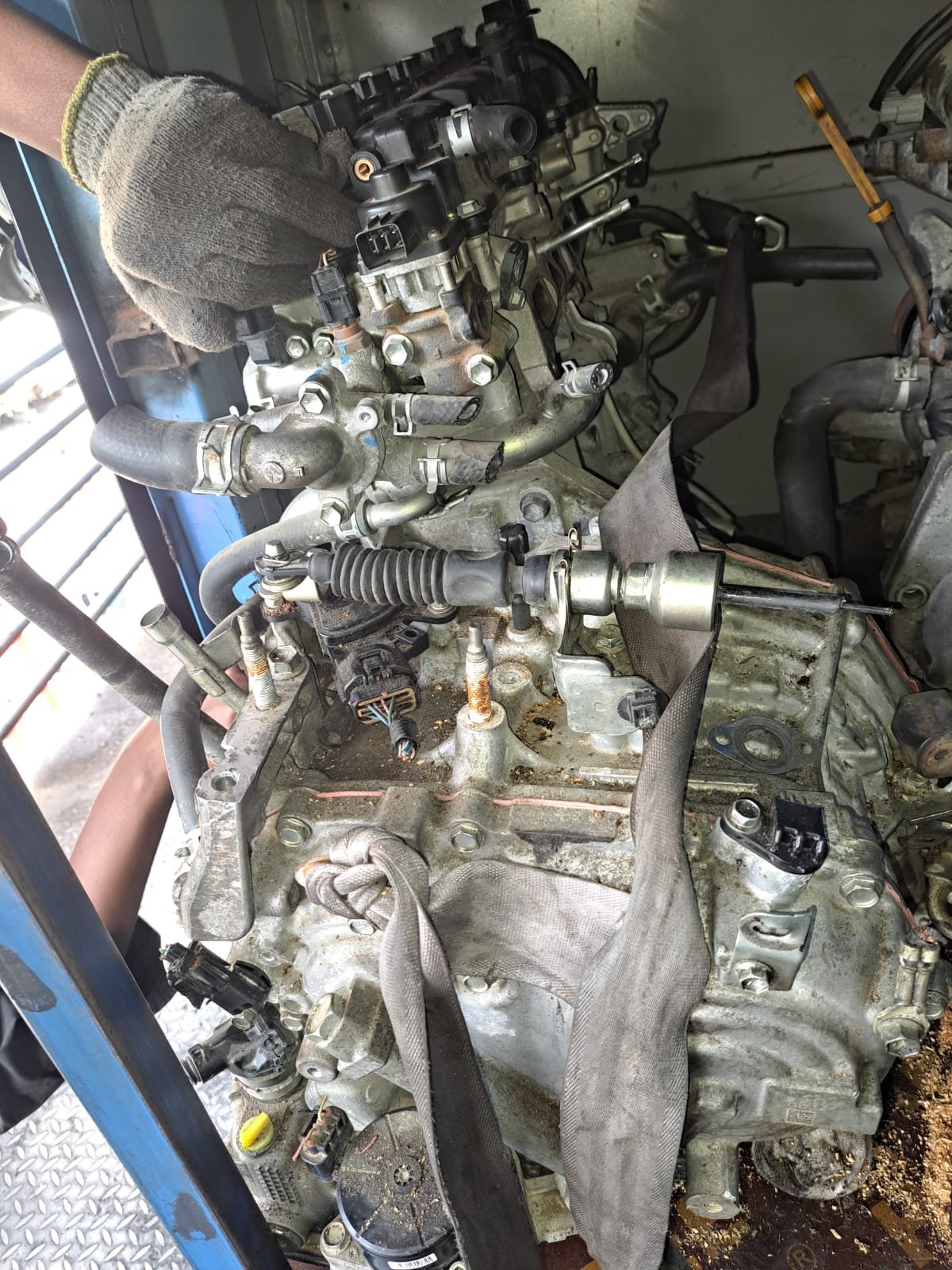
Gearboxes: The Suzuki Swift (2012 K12B model) is known for needing gearbox attention over time. Taleon provides tested automatic gearboxes for these models.
Lower Control Arms: Essential for maintaining alignment and tire life in the Wagon R and Alto.
ECUs & Control Units: As modern Suzukis become more computerized, having access to genuine control units is vital for resolving “Check Engine” lights.
Why Choose Taleon Autospares Kenya?
Choosing where to buy your spares is as important as the part itself. Taleon stands out for:
Ex-Japan Quality: Sourced from low-mileage vehicles in Japan, these parts offer OEM performance at a fraction of the price.
Testing & Verification: Every major component, like steering racks and gearboxes, is inspected before sale.
Nationwide Delivery: Whether you are in Nairobi or beyond, your parts can be shipped directly to your mechanic within 24–48 hours.
In the realm of automotive reliability, the engine is the undisputed heart of the vehicle. For Kenyan motorists, the phrase “Ex-Japan” is not just a label; it is a hallmark of durability, engineering excellence, and unmatched value. From the bustling streets of Nairobi to the long-haul routes connecting Mombasa to the hinterland, Japanese engines power the nation’s mobility.
At Taleon Autospares Kenya, we recognize that an engine replacement is one of the most significant decisions a vehicle owner can make. Whether you are breathing life back into a beloved saloon car or ensuring your fleet’s uptime, the choice of a replacement engine is critical. This comprehensive guide explores the world of Ex-Japan vehicle engines, delving into their market dominance, the secrets of their quality, the practicalities of selection and installation, and why they remain the gold standard for Kenyan roads.
Part 1: The Dominance of Japanese Engines in Kenya
The Kenyan automotive landscape is undeniably shaped by Japanese engineering. The numbers speak for themselves: trade data indicates that Japan is the leading source of engine imports for Kenya, with hundreds of shipments arriving annually . In 2023 alone, Kenya imported spark-ignition internal combustion piston engines worth over $3.09 million directly from Japan .
But why this overwhelming preference? The answer lies in a perfect alignment of factors:
Affordability & Accessibility: For a fraction of the cost of a new vehicle, a high-quality used Japanese engine can extend a car’s life by 5–10 years or more .
Proven Reliability: Japanese automakers like Toyota, Nissan, Honda, and Subaru have built a legacy in Kenya based on decades of consistent performance in challenging conditions .
Parts Availability: The sheer volume of Japanese vehicles on Kenyan roads means that spare parts for these engines are readily available in markets like Kirinyaga Road, making maintenance straightforward and cost-effective .
1.1 The Ex-Japan Advantage: A Closer Look at the Numbers
The trade data provides a clear picture of this dominance. Under the Harmonized System (HS) code for engines and parts, Japan consistently ranks as a top exporter to Kenya .
Crucial for commercial vehicles, trucks, and heavy machinery.
8409
Parts of Internal Combustion Piston Engines
$3.08M
Demonstrates a robust aftermarket for maintaining these engines.
These figures, tracked by international trade monitors, highlight not just a trend, but a deep-seated reliance on Japanese engineering to keep Kenya moving .
Part 2: The “JRS” Standard – Decoding the Quality of Ex-Japan Engines
One of the most frequent questions we receive at Taleon Autospares is, “What makes these engines so good?” The answer lies in a combination of Japanese culture, regulation, and a specific quality standard born from the export trade itself: JRS (Japan Reuse Standard) .
The JRS was developed specifically in response to concerns from importers, including those in Kenya, who wanted a clear, verifiable standard for the quality of used engines . When you purchase an engine from Taleon Autospares that adheres to JRS principles, you are getting a powerplant evaluated on six critical points :
Compression: Measuring the engine’s ability to build pressure in the cylinders, a direct indicator of internal health.
Mileage: Verifying the odometer reading to understand the engine’s workload.
Run: Testing the engine to ensure it starts, idles, and runs smoothly without unusual noises.
External: Inspecting for visible damage, rust, or leaks on the engine block and components.
Overheat: Checking for signs of past overheating, such as warped heads or discolored metal.
Internal: Where possible, inspecting internal components for wear and tear.
2.1 The Five Pillars of Japanese Engine Quality
Beyond the JRS tag, the inherent quality of Ex-Japan engines is built on five fundamental pillars :
Geographic Reality: Japan is a relatively small country, meaning vehicles typically accumulate lower mileage compared to those in larger nations .
Superior Infrastructure: Well-maintained roads reduce stress on engines and suspensions, preserving their mechanical integrity .
Rigorous Inspection System: The mandatory Shaken inspection in Japan ensures that vehicles are meticulously maintained. If a car fails or the cost of passing is too high, it is exported, but its service history guarantees it was well-cared for during its life in Japan .
Cultural Ethos of Care: There is a deep-seated cultural tendency to treat personal possessions, including cars, with great care and diligence .
Manufacturing Excellence: Fierce competition among 12 domestic automakers drives continuous innovation and a commitment to “over-engineering” components for longevity .
Part 3: The Taleon Autospares Range – Finding Your Perfect Match
At Taleon Autospares Kenya, we source a wide array of Ex-Japan engines to suit the diverse needs of Kenyan motorists. Understanding your vehicle and its requirements is the first step to a successful engine replacement.
3.1 By Vehicle Type
The choice of engine is often dictated by the vehicle’s intended use. The Japanese models popular in Kenya offer a range of engine options .
Vehicle Type
Common Japanese Models
Typical Engine Characteristics
Best For
Compact Cars
Toyota Vitz, Honda Fit, Suzuki Swift
Small displacement (1.0L–1.5L), petrol, exceptional fuel economy .
City commuting, first-time car buyers, small businesses.
Sedans
Toyota Corolla, Honda Civic, Nissan Sunny
Mid-range displacement (1.5L–2.0L), balance of performance and efficiency .
Corporate fleets, personal daily drivers, ride-hailing.
SUVs
Toyota RAV4, Nissan X-Trail, Subaru Forester
Larger displacement (2.0L–3.5L), available in petrol and diesel, high torque for rough terrain .
Family use, off-road adventures, tour operators.
Commercial Vehicles
Toyota Hilux, Nissan Navara, Canter trucks
Durable diesel engines, high torque, designed for heavy loads and long working hours .
Transport, logistics, farming, construction.
3.2 By Fuel Type
The choice between petrol, diesel, and the increasingly popular hybrid technology is a crucial consideration.
Petrol Engines: Offer smooth, quiet operation and lower upfront costs, making them ideal for personal vehicles and city driving .
Diesel Engines: Known for their fuel efficiency, exceptional torque, and long-lasting durability, they are the workhorses of Kenya’s transport and agricultural sectors .
Hybrid Engines: Combining a petrol engine with an electric motor, these units deliver outstanding fuel economy (especially in stop-and-go traffic) and reduced emissions. As fuel prices rise, the demand for Ex-Japan hybrid engines from models like the Toyota Prius and Aqua is soaring .
Part 4: The Engine Swap – Process, Practicalities, and Precautions
Installing a replacement Ex-Japan engine, often referred to as an “engine swap,” is a common and cost-effective practice in Kenya. However, it is a complex procedure that requires expertise .
4.1 The “Same-Make” vs. “Cross-Make” Decision
Same-Make Replacement: This is the safest and most straightforward option. Replacing a Toyota engine with another Toyota engine of the same series minimizes compatibility issues with engine mounts, wiring harnesses, and ECUs.
Cross-Make Swaps: Sometimes, mechanics opt to fit an engine from a different manufacturer (e.g., fitting a Toyota engine into a Nissan). While this can be a cost-saving measure due to the abundance of Toyota parts, it introduces significant complexity .Expert Insight: “A well-matched Toyota engine can sometimes outperform the original in terms of reliability, especially when replacing problematic designs.” However, it requires skilled fabrication of engine mounts and adaptation of electrical systems to be successful .
4.2 What You Need for a Successful Installation
A successful engine installation goes beyond simply dropping the unit into the bay. Key requirements include :
Compatible ECU and Wiring Harness: The engine’s brain must be able to communicate with the car’s body. Using the donor engine’s ECU and adapting the wiring harness is often necessary.
Professional Fabrication: Engine mounts may need to be professionally modified or custom-fabricated to ensure the engine sits correctly and securely.
Matching Transmission: The engine must be compatible with the existing gearbox, or an adapter plate may be required.
Cooling and Exhaust Systems: These may need upgrades to handle the new engine’s dynamics.
At Taleon Autospares Kenya, we not only provide the engine but can also connect you with trusted, experienced mechanics and auto-electricians who specialize in these installations.
Part 5: Legal and Compliance Considerations
Any engine replacement must be done within the bounds of Kenyan law. The National Transport and Safety Authority (NTSA) has clear regulations that must be followed .
Logbook Update: The most critical step is to have the new engine’s number formally updated in the vehicle’s logbook. Failure to do so can lead to fines, complications during inspection, or even vehicle impoundment .
Insurance Disclosure: You must inform your insurance company about the engine replacement. Failure to declare this major modification could void your insurance cover in the event of an accident or claim .
KEBS Compliance: Engines imported into Kenya must meet the standards set by the Kenya Bureau of Standards (KEBS) to ensure they are safe and roadworthy .
Taleon Autospares Kenya ensures that all our Ex-Japan engines are sourced with clear documentation, making the compliance process smoother for our customers.
Conclusion
The Ex-Japan vehicle engine is more than just a replacement part; it is a testament to engineering philosophy that values longevity, reliability, and efficiency. For Kenyan motorists, it represents the most viable and intelligent path to extending the life of a vehicle, ensuring safety, and maximizing return on investment.
At Taleon Autospares Kenya, we bridge the gap between Japan’s finest automotive engineering and Kenya’s demanding roads. We are committed to providing engines that meet the highest standards of quality, backed by expert advice and a dedication to your peace of mind.
Whether you are a first-time buyer looking for a reliable heart for your first car, or a fleet manager ensuring your trucks keep delivering, trust Taleon Autospares Kenya to provide the power that keeps you moving forward.
In the realm of automotive safety, no system is more critical than the brakes. While the brake pedal is the driver’s command, the true hero of deceleration is the brake disc (also known as a rotor). This seemingly simple metal component is an engineering marvel, responsible for converting the immense kinetic energy of a moving vehicle into thermal energy (heat) through friction, bringing your vehicle to a safe and controlled stop .
For motorists in Kenya, where driving conditions range from the stop-and-go traffic of Nairobi to the long-haul descents of the escarpment, the quality and condition of brake discs are paramount. At Taleon Spares Kenya, we understand that informed choices lead to safer roads. This comprehensive guide explores everything you need to know about brake discs, from their fundamental types and functions to maintenance, troubleshooting, and how to select the perfect set for your vehicle.
Part 1: The Fundamentals – How Brake Discs Work
Before diving into the various types, it’s essential to grasp the basic principle of a disc brake system. When you press the brake pedal, hydraulic pressure is generated in the brake lines, forcing the brake caliper to clamp a pair of brake pads against the spinning brake disc . The friction between the pads and the disc is what slows the wheel’s rotation.
The brake disc has three critical jobs:
Friction Surface: It provides a smooth, high-friction surface for the pads to grip.
Heat Dissipation: It acts as a heat sink, absorbing and dissipating the intense heat generated during braking. If the heat isn’t managed, it can lead to brake fade (loss of stopping power) or component damage .
Wear Indicator: As a serviceable part, its condition tells you about the health of your entire braking system.
Common Materials
Most vehicles on Kenyan roads use discs made from cast iron, which offers an excellent balance of durability, performance, and cost . High-performance or luxury vehicles may utilize carbon-ceramic composites, which are lighter and can withstand extreme temperatures, but at a significantly higher cost .
Part 2: A Closer Look at the Different Types of Brake Discs
Not all brake discs are created equal. They are designed to suit different vehicle types, weights, and driving styles. Understanding these variations is key to making the right choice. Below is a breakdown of the most common types available at Taleon Spares Kenya.
Disc Type
Design
Primary Advantages
Primary Disadvantages
Typical Application
Solid (Flat)
Single, solid metal casting.
Low cost, simple design, quiet operation.
Poor heat dissipation, prone to fade under heavy use.
Lightweight vehicles, rear axles of many cars .
Vented
Two discs with internal vanes for airflow.
Excellent heat dissipation, resists fade.
Slightly heavier and more expensive than solid discs.
Front axles of most passenger cars and SUVs .
Drilled
Holes drilled through the friction surface.
Improved cooling, water dispersion, gas evacuation, sporty look.
Can crack under extreme stress; faster pad wear.
Sporty road cars, motorcycles .
Slotted (Grooved)
Machined slots or grooves on the surface.
Excellent for cleaning pad debris and gas; very durable.
Can be noisier; increases pad wear rate.
High-performance vehicles, track days, towing .
Combination
Features both drilled holes and slots.
Balances benefits of both designs for performance & durability.
Compromises some attributes of pure slot/drill designs.
Solid Discs: These are the most basic and economical option, typically found on smaller, lighter vehicles or on the rear axle where braking forces are lower . While they provide adequate stopping power for gentle driving, they heat up quickly and are susceptible to brake fade during prolonged or aggressive braking .
Vented Discs: As vehicle weight and power increase, so does the need for cooling. Vented discs feature an internal channel of vanes that act like a centrifugal pump, drawing air through the disc to cool it from the inside out . This makes them the standard for front axles and heavier vehicles. As one industry expert notes, vented discs are critical for “improving both cooling capacity and resistance to cracking from thermal shock” .
Drilled Discs: The cross-drilled holes are not just for aesthetics. They serve a crucial purpose: in wet conditions, they wipe the surface clean, preventing a film of water from reducing friction . They also provide an escape route for the gases and dust created when brake pads overheat, a phenomenon that can create a “cushion” between the pad and disc, reducing braking efficiency . However, the holes create stress points, making them more prone to cracking under severe use .
Slotted Discs: For drivers who demand the ultimate in performance and consistency, slotted discs are the preferred choice. The machined grooves constantly “scour” the brake pad surface, removing debris and gas . This keeps the interface between the pad and disc clean and maintains a high, consistent coefficient of friction . This makes them ideal for sporty driving, mountainous terrain, or vehicles used for towing, where fade resistance is critical .
Part 3: The Kenyan Context and Market Dynamics
The demand for quality brake discs in Kenya is intrinsically linked to the country’s unique automotive landscape. As a supplier, Taleon Spares Kenya operates within a dynamic and essential market.
3.1 A Robust Aftermarket
Kenya’s vehicle population, characterized by a significant number of used imports from Japan, Europe, and elsewhere, creates a powerful aftermarket for replacement parts . These vehicles, often with high mileage, require regular maintenance, and the braking system is a top priority. The Kenya motor vehicle braking system parts market, which includes disc brakes, has been projected to witness healthy growth, driven by increasing safety awareness and government regulations on road safety .
3.2 Regional Trade Hub
Kenya serves as a gateway to the East African region. The export data for brake components shows active trade, with Kenyan suppliers exporting parts to neighboring countries like Uganda, Rwanda, and South Sudan . This underscores the reliance on Kenya as a source for quality automotive components, a role that Taleon Spares Kenya proudly fulfills.
3.3 The Challenge of Quality
With a high demand for parts comes the risk of substandard or counterfeit products. For a critical safety component like a brake disc, using a low-quality disc can have dire consequences. Poor metallurgy can lead to premature warping, cracking, and brake fade . Taleon Spares Kenya is committed to supplying discs that meet or exceed Original Equipment (OE) specifications, ensuring that customers receive parts that are safe, durable, and reliable.
Part 4: Choosing the Right Brake Disc with Taleon Spares
Selecting the correct brake disc for your vehicle can seem daunting, but by focusing on a few key factors, you can make an informed decision.
Vehicle Type and Weight: Heavier vehicles like SUVs, pickups, and commercial vans generate more heat and require the superior cooling of vented discs. A small compact car may be perfectly fine with solid discs on the rear .
Driving Style: Are you a daily commuter, or do you enjoy spirited driving on weekend roads? For normal city driving, high-quality vented or solid discs are sufficient. For enthusiastic drivers, slotted or high-quality drilled discs offer improved bite and fade resistance .
Operating Conditions: Do you frequently drive in hilly areas or carry heavy loads? If so, investing in a disc with better heat management, like a vented and possibly slotted disc, is a wise safety decision.
Quality and Source: Always choose discs from reputable manufacturers. At Taleon Spares Kenya, we stock discs that are precision-engineered from high-quality cast iron to ensure consistent performance and longevity.
Part 5: Maintenance, Wear, and Troubleshooting
Even the best brake discs require regular inspection and eventual replacement. Knowing the signs of wear can prevent costly damage and ensure your safety.
5.1 When to Replace Your Brake Discs
Thickness Check: Every disc has a minimum thickness specification, often stamped on the edge (“MIN TH”).If the disc thickness is below the minimum dimension shown, the disc must be replaced .
Physical Damage: Look for deep scoring (grooves deeper than 0.5mm), cracks, or significant rusting .Warning: Cracked discs must always be replaced. If not replaced, the cracks will gradually get worse .
Warping or Deformation: If you feel a pulsation in the brake pedal or vibration through the steering wheel when braking, the disc may be warped (out-of-true) . This can be caused by excessive heat or thermal shock (e.g., driving through a puddle with red-hot brakes) .
Visual Cues:
Blue Discs: Discoloration (bluing) indicates the disc has been subjected to extremely high temperatures .
Heat Checking: Fine radial cracks on the surface are often normal but can worsen over time .
5.2 Best Practices for Longevity and Safety
Always Replace Pads with Discs: When installing new brake discs, always fit new brake pads. Old pads have worn to match the old disc’s surface and will not properly bed in with a new disc, leading to reduced braking efficiency and uneven wear .
Replace in Axle Pairs: Brake discs should always be replaced on both wheels of the same axle (both front or both rear) to maintain balanced braking .
Proper Bedding-In: New brakes require a “bedding-in” period (typically the first 300-500 km). During this time, avoid hard braking to allow the pads and discs to mate perfectly .
Cleaning: For routine cleaning, a simple wash with neutral detergent and water during your regular car wash is effective. Avoid harsh chemicals that can contaminate the disc surface .
Common Brake Disc Problems and Solutions
Problem
Symptoms
Likely Cause
Recommended Action
Warping
Pedal pulsation, steering wheel vibration.
Overheating followed by rapid cooling (thermal shock).
Measure run-out; replace discs if warped. Check calipers .
Cracking
Visible radial cracks from edge of holes or slots.
Extreme heat cycles, often from a stuck caliper or heavy use.
Replace discs immediately. Inspect and repair brake system .
Grooving/Scoring
Deep lines worn into the disc face.
Worn-out brake pads (metal backing plate contact) or embedded debris.
Replace discs and pads.
Bluing
Blue discoloration on the disc surface.
Sustained, extremely high operating temperatures.
Check for brake drag or system imbalance. Disc may be usable if within spec .
Lining Transfer
Spotty deposits on disc, often causing vibration.
Overheating causing pad material to weld to the disc.
May be resurfaced if within thickness spec; otherwise replace .
Conclusion
Brake discs are the cornerstone of your vehicle’s safety system. They are a testament to the incredible forces at play every time you press the brake pedal. In the diverse and demanding driving environments of Kenya, from busy urban centers to challenging long-distance routes, the reliability of your brakes is non-negotiable.
At Taleon Spares Kenya, we are dedicated to providing our customers with premium-quality brake discs that deliver consistent, reliable stopping power. By understanding the different types of discs, recognizing the signs of wear, and adhering to proper maintenance practices, you can ensure that your vehicle remains safe and dependable for thousands of kilometers to come. Trust Taleon Spares Kenya to provide the components that bring your journey to a safe and controlled halt, every single time.
If you drive a Subaru Forester in Kenya—whether it’s the classic SG5, the rugged SH5, or the modern SJ—you know it’s more than just a car. It’s a lifestyle. With its Symmetrical All-Wheel Drive and the iconic growl of the Boxer engine, the Forester is built to handle everything from Nairobi’s traffic to the sandy tracks of Magadi.
However, a Subaru is a precision-engineered machine. Unlike a basic utility car, it does not tolerate “Jua Kali” maintenance or poor-quality parts. At Taleon Spares Kenya, we specialize in the specific components that keep Foresters performing at their peak.
In this guide, we’ll cover the two pillars of Forester health: maintaining that unique Boxer engine and solving the common “sagging rear” suspension issues.
1. The Heart of the Beast: The Boxer Engine
The Forester’s engine is “horizontal,” meaning the pistons move side-to-side rather than up and down. This gives you a lower center of gravity and better handling, but it also means gravity works differently on your engine oil.
The Oil Consumption Rule
Because the cylinders are horizontal, oil can pool at the bottom. Subaru engines are known to “consume” a little oil between services.
The Maintenance Tip: Check your oil dipstick every two weeks. If you notice a drop, top it up with high-quality 5W-30 or 0W-20 fully synthetic oil. Never let a Subaru run low on oil; it’s the quickest way to ruin the crankshaft bearings.
Cooling is Life
The Boxer engine is sensitive to heat. If your radiator is clogged or your fan fails, the head gaskets are the first to go.
The Taleon Tip: Inspect your radiator for “sweating” at the plastic tanks. We stock Ex-Japan Radiators and high-pressure caps to ensure your cooling system can handle a climb up the Limuru escarpment without breaking a sweat.
2. Solving the “Saggy Rear” Suspension
If your Forester looks like it’s “sitting on its tail” even when empty, you aren’t alone. Many Foresters (especially the SH and SJ models) came from Japan with Self-Leveling Shocks (SLS). These are great when new, but once they fail, they are incredibly expensive to replace with the same “original” units.
The Conversion Solution
At Taleon Spares Kenya, we provide the most popular fix for Kenyan Subaru owners: The SLS Delete.
Instead of buying one expensive self-leveling shock, we provide a kit consisting of:
Standard KYB Excel-G Shocks: Reliable and much more affordable.
Heavy-Duty Coil Springs: To compensate for the loss of the self-leveling feature.
This setup restores your ride height permanently and ensures your car doesn’t “bottom out” when you’re loaded for a road trip to Nanyuki.
3. The “Subie Humming” (Wheel Bearings)
Foresters are notorious for eating wheel bearings, especially if you have upgraded to larger, heavier off-road tires.
The Sound: A low-pitched drone that gets louder as you speed up.
The Fix: We stock Genuine Ex-Japan Hub Assemblies and NSK/NTN Bearings. Always ensure your mechanic uses a proper press to install these; hammering them in will shorten their life to just a few weeks.
4. Transmission & AWD Care
The Symmetrical AWD system requires all four tires to be the same size and have similar tread wear. If you drive with one “donut” spare or mismatched tires for too long, you will damage the center differential.
Maintenance: Change your Gearbox/Differential oil every 40,000km to keep the AWD transfer smooth.
Summary: The Forester “Must-Have” Spares List
Component
Why it matters
Taleon Spares Recommendation
Air Filter
Boxer engines need high airflow.
Use Teson or Genuine Subaru filters.
Spark Plugs
Hard to reach; need long life.
NGK Iridium (replace every 60k-100k km).
Rear Shocks
Prevents the “sinking” look.
KYB + HD Coil Spring Conversion.
Stabilizer Bushings
Stops the “clunking” on rough roads.
High-density rubber bushings.
Conclusion: Keep the Adventure Going
A well-maintained Subaru Forester is one of the most capable vehicles on Kenyan roads. By staying ahead of its unique needs—especially its suspension and oil levels—you ensure that your Subie remains a reliable partner for years to come.
If you’ve upgraded from the older Nissan Note (E11) to the newer E12 model, you’ve likely noticed a difference in how the car sits and handles. The E12 is sleeker and more aerodynamic, but it also features a more “refined” suspension setup that is highly sensitive to the parts you use.
At Taleon Spares Kenya, we often see E12 owners trying to “fit” parts from other Nissans or the older Note model to save money. This is a mistake. The E12 was designed with specific weight distributions and geometry that require exact-match components.
Here is why your Nissan Note E12 needs specific suspension parts and what you should look for during your next service.
1. The Shock Absorber Difference: Part #332148
The front struts of the Nissan Note E12 are unique. While they may look similar to those on a Nissan Tiida or an older Note, the valving (the internal pressure) is specifically tuned for the E12’s lighter chassis.
The Gold Standard: At Taleon Spares, we stock the KYB Excel-G (Part #332148 for Right / #332149 for Left). These are gas-pressured twin-tube shocks designed to handle the “floaty” feeling that E12s sometimes get at high speeds.
Why it Matters: Using the wrong shock absorber can lead to “bottoming out” on Kenyan speed bumps, which eventually damages your strut mounts and even your engine mounts.
2. Lower Control Arms: The “Vibration” Trap
The E12 uses a lightweight lower control arm design. One of the most common complaints we hear from owners is a rattling noise near the pedals when driving on rough murram roads.
The Culprit: This is almost always the rear bushing of the front lower control arm.
The Fix: While you can buy just the bush, the E12’s ball joint is also prone to early wear. We highly recommend our Ex-Japan Complete Control Arms. Because they are factory-balanced, they eliminate the vibrations that “pressed-in” bushes often fail to solve.
3. Rear Coil Springs: Solving the “Sag”
If you look at many Nissan Notes on Kenyan roads, the rear often looks lower than the front—especially if there are passengers in the back. This “sagging” ruins your aerodynamics and causes the car to scrape on every estate bump.
The Heavy-Duty Solution: We stock OBK Heavy-Duty Rear Coil Springs specifically for the E12. These are slightly thicker than the standard Japanese springs, allowing the car to maintain its height even when carrying a full load of shopping or family members.
4. Steering Rack: The EPS (Electric) Factor
Unlike older cars with hydraulic fluid, the Nissan Note E12 uses Electric Power Steering (EPS). This means the steering rack is connected to an electric motor.
Specific Faults: If your steering feels “jerky” or you see a steering wheel light on the dashboard, it’s an electronic issue.
Replacement Tip: If you need to replace the rack, you must ensure the part matches your E12’s specific ECU programming. At Taleon Spares, we provide Ex-Japan Electronic Steering Racks that are tested for electronic compatibility to ensure your “Lane Departure” and “Traction Control” systems keep working.
5. Wheel Hubs and the ABS Sensor
The E12 is packed with safety technology. Its wheel hub bearings come with an integrated magnetic sensor ring for the ABS.
The Mistake: Many owners buy a “cheap” bearing that doesn’t have the magnetic ring. The result? Your ABS, Cruise Control, and Brake lights will all turn on, and your car might go into “limp mode.”
The Taleon Promise: Our E12 hubs are guaranteed to be ABS-compatible, keeping your dashboard clear of warning lights.
Conclusion: Keep Your Note E12 “Note-Worthy”
The Nissan Note E12 is a fantastic, reliable car—if you treat its suspension with respect. Using specific, high-quality parts isn’t just about comfort; it’s about protecting the complex electronics and lightweight frame that make the E12 so efficient.
If you drive a Mazda CX-5 in Kenya, you’re part of a growing community that values style, “Jinba Ittai” handling, and premium interiors. Whether you have the first generation (KE) or the newer (KF) model, you know this car is a joy to drive—but it can be demanding when it comes to maintenance.
Unlike some rugged utility vehicles, the CX-5 is a precision machine. Its “SkyActiv” technology means that everything from the suspension to the engine sensors works in tight harmony. On our rough Kenyan roads, keeping that harmony requires proactive care.
At Taleon Spares Kenya, we’ve analyzed the most common requests from CX-5 owners. To help you keep your Mazda in showroom condition, we’ve put together the ultimate maintenance checklist of the essential spares you should keep an eye on.
1. Suspension: Protecting the “Zoom-Zoom” Feel
The CX-5 is famous for handling like a sedan despite being an SUV. However, its suspension is often the first thing to suffer from Nairobi’s potholes.
Front Struts & Rear Shocks: If you notice your Mazda “nose-diving” when you brake or feeling unstable on corners, your dampers are likely worn. At Taleon Spares, we stock KYB Excel-G and Genuine Ex-Japan shocks specifically for the CX-5 to restore that sharp handling.
Lower Control Arm Bushes: The large “big-end” bush on the CX-5 front arm is a known weak point. Instead of replacing the entire expensive arm, many owners visit us for Heavy-Duty Arm Bushes or Ex-Japan complete arms for a more durable fix.
Stabilizer (Anti-Roll Bar) Links: Are you hearing a light “rattle” on gravel roads? It’s almost certainly your stabilizer links. These are affordable parts that make a massive difference in ride quietness.
2. The Diesel-Specific Checklist (SkyActiv-D)
If you drive the 2.2L Diesel variant, your maintenance needs are much stricter than the petrol version.
Injector Seals: These should be inspected regularly. If they leak, carbon can build up in the oil sump and block the oil strainer, leading to catastrophic engine failure.
DPF (Diesel Particulate Filter) Care: Short city trips in Nairobi traffic can clog the DPF. Ensure you use the correct Low Ash Oil (DL-1 or ACEA C3) available at our shop to prevent expensive filter replacements.
Drive Belts & Tensioners: The CX-5 uses a serpentine belt that powers the alternator and water pump. If you hear a squealing sound on a cold start, your tensioner may be failing.
3. Braking System: Stopping the SUV
The CX-5 is a heavy car, and its brakes work hard.
Brake Pads: We recommend checking your pads every 10,000km. For the CX-5, we stock Akebono and Ex-Japan pads that offer high stopping power without the annoying “squeal” or excessive black dust on your rims.
Electric Parking Brake (EPB) Maintenance: Newer CX-5s have an electronic handbrake. Never let a “Jua Kali” mechanic force the rear calipers open during a pad change; they must be put into “Service Mode” to avoid damaging the expensive EPB motors.
4. Transmission & Drivetrain
SkyActiv-Drive Fluid: Mazda claims their transmission fluid is “lifetime,” but on Kenyan roads and in our heat, we recommend a “drain and fill” every 60,000km to prevent rough shifting.
Transfer Case & Differential Oil: If you have the AWD (All-Wheel Drive) version, don’t forget to change the rear diff oil, especially if you drive through water during the rainy season.
5. Body & Accessories: The Little Things
Sump Guards: Because the CX-5 has moderate ground clearance, many owners install a Heavy-Duty Steel Sump Guard from Taleon Spares to protect the engine oil pan from high speed bumps.
Mirror Motors: A common CX-5 “glitch” in Kenya is the side mirrors failing to fold. We stock replacement Mirror Folding Motors and Gears so you don’t have to buy a whole new mirror assembly.
Summary: The “Taleon Spares” Maintenance Schedule
Interval
Task
Essential Part
Every 5k-7k km
Basic Service
Oil Filter, Air Filter, Cabin Filter
Every 20,000 km
Suspension Check
Stabilizer Links, Bushings
Every 40,000 km
Major Service
Spark Plugs (Petrol) or Injector Check (Diesel)
Every 60,000 km
Drivetrain
ATF Fluid Change, Brake Fluid Flush
Conclusion: Don’t Wait for the Warning Light
The Mazda CX-5 is a rewarding car to own, but it doesn’t tolerate “cheap” fixes. Using the right parts ensures that your “Zoom-Zoom” experience lasts for hundreds of thousands of kilometers.
One morning, you move your car from your parking spot and notice a small, reddish puddle on the ground near the front tires. You dip your finger in it—it’s oily and has a distinct smell. Your heart sinks because you know what it is: Power Steering Fluid.
A leak in your power steering system is more than just a mess on your driveway; it’s a safety hazard. If the fluid runs too low, your steering will become “heavy,” your pump will start to whine, and eventually, you could lose control of the car entirely.
But before you panic and assume you need an expensive new steering rack from Taleon Spares Kenya, you need to play detective. Not all leaks are created equal. In this guide, we help you identify if your leak is a simple hose fix or a major rack replacement.
1. How to Identify Power Steering Fluid
Before diagnosing the leak, ensure it’s actually power steering fluid.
Color: Usually red or pink (if using ATF/Dexron III) or clear/amber (if using specific European fluids).
Smell: It has a distinct “burnt marshmallow” or chemical smell.
Location: Usually found under the front of the engine, often slightly to the side where the reservoir or pump is located.
2. The Simple Culprit: A Loose or Cracked Hose
The power steering system relies on two main hoses:
The High-Pressure Hose: This carries fluid from the pump to the steering rack. Because it’s under high pressure, it is the most common part to leak.
The Return Hose: This carries fluid back to the reservoir.
How to check: Open your hood and look for the power steering pump. Follow the rubber lines. Do you see “sweating” or wetness around the metal clamps? Often, the rubber becomes brittle due to the heat of the Kenyan sun and starts to crack.
The Fix: If it’s just a hose, you’re in luck! Replacing a hose or tightening a clamp is a quick and affordable repair.
3. The Serious Culprit: The Steering Rack Seals
If the hoses look dry but you see fluid dripping from the ends of the steering rack (inside the rubber bellows or “boots”), you have a bigger problem.
Inside the steering rack are hydraulic seals. Over time, these seals wear out—especially if you frequent dusty roads in areas like Kajiado or Machakos. Once the seals fail, the fluid leaks into the rubber boots. When the boots get full, the fluid eventually spills out onto your driveway.
How to check: Ask your mechanic to squeeze the steering rack bellows. If they feel like they are full of liquid or if fluid squirts out when squeezed, your internal seals are gone.
The Fix: In this case, the rack usually needs to be replaced. At Taleon Spares, we recommend Ex-Japan Steering Racks because they offer the best balance of “original factory seals” and “affordable pricing.”
4. Don’t Forget the Power Steering Pump
Sometimes the leak isn’t from the rack or the hoses, but the pump itself. The pump has an internal shaft seal that can fail.
The “Whining” Sign: If your car makes a loud whining or screeching sound when you turn the steering wheel, your pump is either leaking or “sucking air.” If you ignore a leaking pump, it will eventually seize, which could cause your drive belt to snap—leaving you stranded.
5. Why “Stop-Leak” Fluids are a Bad Idea
Many Kenyan drivers try to fix leaks by pouring “Stop-Leak” additives into the reservoir. We strongly advise against this. These chemicals work by causing the rubber seals to swell up. While it might stop a leak for a week, it eventually makes the rubber “mushy” and causes all the other seals in the system to fail. It’s a “Jua Kali” fix that leads to a much more expensive repair later.
6. How Taleon Spares Can Help
Whether it’s a minor hose issue or a total rack failure, we have the parts to get you back on the road.
Ex-Japan Steering Racks: For Toyota, Nissan, Mazda, and Honda.
Power Steering Pumps: Genuine replacements that don’t whine.
Expert Advice: If you aren’t sure where the leak is coming from, call us! We can recommend a trusted technician to help you diagnose it.
Conclusion: Catch the Leak Early
A small leak today is a cheap fix. A dry system tomorrow is an expensive disaster. If you see spots on your driveway, check your reservoir levels immediately and look for the source of the drip.
You’re cruising along the Thika Superhighway or the Southern Bypass, and as your speed climbs to 80km/h, you notice it—a low, persistent “hmmm” or a droning sound that seems to be coming from under the floorboards. You turn up the radio, but the sound just gets louder as you go faster.
In the Kenyan car community, this sound is often misdiagnosed as “road noise” or “old tires.” However, at Taleon Spares Kenya, we know that more often than not, that unhappy “bee” trapped in your wheel is actually a failing Wheel Hub Bearing.
In this guide, we’ll explain what a wheel hub bearing does, how to tell if yours is dying, and why ignoring that humming noise could lead to one of the most dangerous mechanical failures on the road.
1. What is a Wheel Hub Bearing?
The wheel hub bearing is the unsung hero of your car’s mobility. It is a set of steel balls (or rollers) held together by a metal ring, called a race. Its primary job is to allow your wheels to spin with zero friction while supporting the entire weight of your vehicle.
Most modern cars in Kenya, such as the Honda Fit (GE6/GK3), Toyota Vitz, and Mazda Demio, use a “sealed” hub assembly. This means the bearing is packed with high-temperature grease and sealed at the factory. It’s designed to be maintenance-free—until it isn’t.
2. Why do Hub Bearings Fail in Kenya?
While these parts are built for endurance, the Kenyan environment is a “perfect storm” for bearing failure:
Potholes & Speed Bumps: A heavy impact from a pothole can cause a “flat spot” on the steel balls inside the bearing. Once that smooth surface is damaged, it starts to grind.
Floodwaters: During the rainy season, driving through deep puddles can force water past the bearing seals. This washes away the grease and causes the metal to rust.
Dust & Grit: Nairobi’s fine red dust can act like an abrasive, gradually wearing down the seals and entering the bearing.
Overloading: Many cars like the Toyota Probox or Fielder carry loads beyond their design capacity, putting immense pressure on the rear hub bearings.
3. The 3 Tell-Tale Signs of a Bad Bearing
A. The “Speed-Sensitive” Hum
The most common symptom is a humming, growling, or roaring noise.
The Test: If the noise gets higher in pitch as you accelerate and lower as you slow down, it’s likely the bearing.
Tire Noise vs. Bearing Noise: Tire noise usually changes depending on the road surface (asphalt vs. concrete). Bearing noise stays the same regardless of the road material.
B. The “Sway Test” (Load Shifting)
This is the best way to confirm which side is failing. While driving at a safe speed on a clear road, gently sway the car left and right (like a boat).
If you sway left (putting weight on the right side) and the noise gets louder, your right bearing is bad.
If you sway right and the noise gets louder, the left bearing is the culprit.
C. Steering Wheel Vibration & “Play”
When a bearing is severely worn, it allows the wheel to “wobble” slightly on the axle. You will feel this as a vibration in the steering wheel or even through the seat. If you jack up the car and can move the wheel by hand (the 12 and 6 o’clock positions), the hub is dangerously loose.
4. The Hidden Danger: Why You Shouldn’t Wait
A humming bearing is a warning. If you ignore it, the friction will eventually generate enough heat to weld the bearing to the axle or, in extreme cases, cause the wheel to detach from the car entirely.
Additionally, many modern hubs (like the Honda Fit Rear Hub) have the ABS (Anti-lock Braking System) sensor integrated into them. A failing bearing will trigger your ABS warning light on the dashboard, potentially disabling your emergency braking system.
5. Why Choose Taleon Spares for Your Hub Replacement?
When it comes to bearings, quality is everything. A “cheap” bearing might last only 5,000km before the humming returns.
At Taleon Spares Kenya, we stock:
Genuine Ex-Japan Hubs: Sourced from low-mileage vehicles, offering original OEM durability.
Magnetic ABS-Ready Hubs: Specifically for the Honda Fit and Vezel, ensuring your dashboard lights stay off.
Heavy-Duty Bearings: For the Toyota Fielder and Probox to handle Kenyan loading needs.
Popular Items in Stock:
Honda Fit GE6/GP1 Rear Hub Bearing
Toyota Vitz/Passo Front Wheel Bearings
Mazda CX-5 Front Hub Assemblies
Nissan Note E12 Wheel Bearings
Conclusion: Quiet the Hum Today
Don’t let a small humming noise turn into a highway disaster. Replacing a wheel hub bearing is a straightforward job that restores your car’s silence and safety.
If you live in Nairobi, your car is constantly navigating a battlefield. Between the “hidden” speed bumps of estate roads, the deep potholes of the rainy season, and the high-speed vibrations of the Southern Bypass, your suspension never gets a day off.
When a shock absorber leaks or a control arm snaps, you face a dilemma: Do you buy a brand-new part from a local shop, or do you head to Taleon Spares Kenya for a genuine Ex-Japan part?
To the untrained eye, “new” sounds better. But experienced Kenyan drivers and top-tier mechanics know a secret: A high-quality Ex-Japan part often outlasts a cheap new aftermarket part by years. Here is why Ex-Japan is the smartest choice for Nairobi’s roads.
1. The “Zero-Defect” Origin: Japan’s Strict Inspections
In Japan, vehicles undergo a rigorous mandatory inspection called Shaken. This system is so strict that even a tiny hairline crack in a rubber bushing can cause a car to fail. Because of this, Japanese car owners maintain their vehicles to an impeccable standard using only OEM (Original Equipment Manufacturer) parts.
Many of the parts we stock at Taleon Spares Kenya come from vehicles with low mileage that were driven on smooth, mirror-like Japanese highways. When you buy an Ex-Japan strut or steering rack, you aren’t just buying a “used part”; you are buying a piece of high-precision Japanese engineering that has lived a very easy life—until it reaches the front lines of Nairobi.
2. Material Quality: Virgin Steel vs. Recycled Scraps
This is where the biggest difference lies. Genuine parts (the ones that come on a car from the factory) are made from high-grade virgin steel and high-density rubber compounds designed to last for a decade.
Many “new” aftermarket parts found in local shops are manufactured to a price point, not a quality point. They often use:
Thinner metal: Which can bend or snap when you hit a sharp pothole in Industrial Area.
Low-grade rubber: Which cracks under the intense Kenyan sun and heat.
Inferior seals: Which leak hydraulic fluid the moment they face a dusty road.
When you install an Ex-Japan Lower Control Arm from Taleon Spares, you are getting the original heavy-duty steel that was designed by Toyota, Nissan, or Mazda engineers specifically for that chassis.
3. Perfect Fitment: No “Jua Kali” Modifications
Have you ever bought a “new” part only for your mechanic to say, “Hii haishiki vizuri, wacha niongeze washer” (This doesn’t fit well, let me add a washer)?
Cheap aftermarket parts often have slight measurement errors. Even a 1mm difference in a bolt hole can lead to:
Persistent rattling noises.
Wheel alignment issues that eat your tires.
Stress on other suspension components.
Ex-Japan parts are original. They were born with the car. They bolt on perfectly, ensuring your car’s geometry remains exactly as the manufacturer intended. At Taleon Spares, we match parts to your specific chassis number to ensure a “plug-and-play” experience.
4. The “Kenyan Dust” Factor
Nairobi is a dusty city. That fine volcanic dust is the enemy of suspension seals. Genuine Japanese parts use multi-lip seals and specialized dust boots designed to keep contaminants out of the hydraulic chambers.
In our experience at Taleon Spares, we’ve seen “new” budget shocks fail within three months because dust entered the seal and scratched the piston. Meanwhile, a Genuine Ex-Japan KYB or Showa shock can run for years in the same conditions because the seal quality is vastly superior.
5. Better Value for Money (Total Cost of Ownership)
Let’s look at the math.
Option A: A “new” low-quality shock costs KSh 3,500. It lasts 6 months. Labor to replace it twice a year is KSh 2,000. Total: KSh 9,000/year.
Option B: A Genuine Ex-Japan shock from Taleon Spares costs KSh 5,000. It lasts 3 years. Total: KSh 5,000 (plus one-time labor).
Ex-Japan isn’t just about the parts; it’s about reducing the number of times your car sits in a garage instead of being on the road.
Conclusion: Get the “Gold Standard” at Taleon Spares
At Taleon Spares Kenya, we specialize in sourcing the best Ex-Japan suspension and steering components. We don’t just “sell junk”; we curate our inventory to ensure every part—from a Mazda CX-5 “Up Mountain” suspension to a Toyota Fielder hub bearing—is ready for the rigors of Kenyan driving.
Don’t gamble with your safety. Choose the durability of Japanese engineering.
View our Ex-Japan Arrivals: [Link to Shop]
Get a Quote for Your Model: [WhatsApp Link]
Visit Us: Kirinyaga Road, Nairobi (Near Shell Petrol Station).
Taleon Spares Kenya: Providing the backbone for Kenya’s cars.
If you’ve ever felt your steering wheel “pull” to one side, or heard a mysterious clunk when you hit a pothole in Nairobi, you’ve likely encountered a problem with your Lower Control Arms.
For many Kenyan drivers, the suspension system is a bit of a mystery. We know about shocks and tires, but the control arms are the “skeleton” that holds everything together. At Taleon Spares Kenya, we get asked every day: “Do I need to buy the whole arm, or can I just change the rubber bushes?”
In this comprehensive guide, we break down everything you need to know about lower control arms, the dangers of “pressing” new bushes, and why Ex-Japan complete arms are often the smartest investment for your car’s longevity.
1. What Exactly is a Lower Control Arm?
Think of the control arm as the “hinge” that connects your car’s wheels to its frame.
The Job: It allows the wheels to move up and down (when you hit a bump) while preventing them from moving forward or backward.
The Components: A standard control arm has three critical points:
The Inner Bushings: Rubber mounts that attach to the car’s chassis.
The Ball Joint: A pivot point that attaches to the wheel hub (allowing the wheel to turn).
The Metal Body: The solid “A-frame” or “L-frame” that holds it all together.
When any of these three parts fail, your steering becomes “loose,” your tires wear out prematurely, and your car becomes dangerous to drive at high speeds on the highway.
2. Signs Your Control Arms are Failing
How do you know it’s time to visit the Taleon Spares shop? Watch out for these four red flags:
A. The “Clunk” on Take-off or Braking
When you shift from ‘Park’ to ‘Drive’ and press the gas, do you hear a single thud? Or when you brake suddenly, does it feel like the wheel “shifts” forward? This is usually because the control arm bushings are torn, allowing the metal arm to hit the frame.
B. Steering Wheel Vibration
If your steering wheel shakes at 80km/h (but your wheels are balanced), your control arm bushings might be so worn that they are no longer absorbing road vibrations.
C. Wandering Steering
Does your car feel “darty”? If you’re driving straight but the car keeps pulling left or right—requiring constant correction—your control arms are likely out of alignment due to wear.
D. Uneven Tire Wear
Check the inner edge of your front tires. If the inside is wearing down faster than the outside, your control arm is likely “sagging,” which throws off your wheel’s camber.
3. The Big Debate: Replace the Bushings or the Whole Arm?
This is the most common question at our Kirinyaga Road shop. In Kenya, many roadside “fundis” will suggest just buying new rubber bushes and “pressing” them into your old metal arms using a hydraulic press.
Here is why Taleon Spares usually recommends replacing the COMPLETE arm:
Feature
Replacing Only Bushings
Replacing Complete Arm (Ex-Japan/New)
Cost
Cheaper upfront.
Higher initial cost.
Labor
High (requires pressing/fitting).
Low (simple bolt-on).
Safety
Ball joint remains old/used.
New/Healthy Ball Joint included.
Longevity
3–6 months on Kenyan roads.
2+ years of reliability.
Integrity
Pressing can weaken the metal eyelet.
Factory-sealed integrity.
The Risk of the Ball Joint: Even if you replace the rubber bushes, your Ball Joint (which is permanently attached to the arm in many models like the Mazda Demio or Toyota Vitz) might be ready to fail. If a ball joint snaps while you are driving, the wheel will literally fold under the car.
4. Why Ex-Japan Control Arms are a “Sweet Spot” for Value
At Taleon Spares Kenya, we specialize in Ex-Japan Lower Control Arms. These are original equipment (OEM) parts salvaged from vehicles in Japan.
Better Metal: Original Toyota or Mazda metal is much stronger than cheap “aftermarket” arms made of thin steel.
Factory-Pressed Bushes: The rubber in an Ex-Japan arm was installed by a robot in a factory, not by a hand-press in a local garage. This means it will last much longer under the stress of Nairobi potholes.
Cost-Effective: You get the quality of a 40,000 KES “New Original” arm for a fraction of the price.
5. Specific Advice for Popular Kenyan Models
Toyota Allion / Premio / Fielder (ZRT260/ZRE142)
These cars are the kings of the road, but they are heavy. The rear bushing on the front control arm is a famous “weak point.” If you feel a “jerk” when you brake, it’s time to check these.
Mazda Demio (DE/DJ)
The Demio has a very lightweight suspension. Using heavy, poor-quality aftermarket arms can make the ride feel harsh. We recommend our Ex-Japan Mazda Arms to keep that “zoom-zoom” handling smooth.
Nissan Note (E11/E12)
Nissan suspension components are sensitive. If you replace the arm, always ensure you check the Stabilizer Links at the same time, as they usually wear out together.
6. Maintenance Tip: The “Post-Replacement” Alignment
Never—and we mean never—replace a control arm without going for 3D Wheel Alignment immediately after.
Because the control arm sets the position of the wheel, a new arm will slightly change your “Toe” and “Camber” settings. If you skip alignment, you will ruin a brand-new set of tires in less than a month.
Conclusion: Don’t Compromise on Steering
Your control arms are what keep you connected to the road. If you suspect yours are failing, don’t wait for a “wheel-off” accident.
Visit Taleon Spares Kenya today. We have a massive stock of Lower Control Arms for all Japanese models, including: