Subaru Forester Maintenance: Keeping Your Boxer Engine and Suspension in Top Shape

If you drive a Subaru Forester in Kenya—whether it’s the classic SG5, the rugged SH5, or the modern SJ—you know it’s more than just a car. It’s a lifestyle. With its Symmetrical All-Wheel Drive and the iconic growl of the Boxer engine, the Forester is built to handle everything from Nairobi’s traffic to the sandy tracks of Magadi.

However, a Subaru is a precision-engineered machine. Unlike a basic utility car, it does not tolerate “Jua Kali” maintenance or poor-quality parts. At Taleon Spares Kenya, we specialize in the specific components that keep Foresters performing at their peak.

In this guide, we’ll cover the two pillars of Forester health: maintaining that unique Boxer engine and solving the common “sagging rear” suspension issues.


1. The Heart of the Beast: The Boxer Engine

The Forester’s engine is “horizontal,” meaning the pistons move side-to-side rather than up and down. This gives you a lower center of gravity and better handling, but it also means gravity works differently on your engine oil.

The Oil Consumption Rule

Because the cylinders are horizontal, oil can pool at the bottom. Subaru engines are known to “consume” a little oil between services.

  • The Maintenance Tip: Check your oil dipstick every two weeks. If you notice a drop, top it up with high-quality 5W-30 or 0W-20 fully synthetic oil. Never let a Subaru run low on oil; it’s the quickest way to ruin the crankshaft bearings.

Cooling is Life

The Boxer engine is sensitive to heat. If your radiator is clogged or your fan fails, the head gaskets are the first to go.

  • The Taleon Tip: Inspect your radiator for “sweating” at the plastic tanks. We stock Ex-Japan Radiators and high-pressure caps to ensure your cooling system can handle a climb up the Limuru escarpment without breaking a sweat.

2. Solving the “Saggy Rear” Suspension

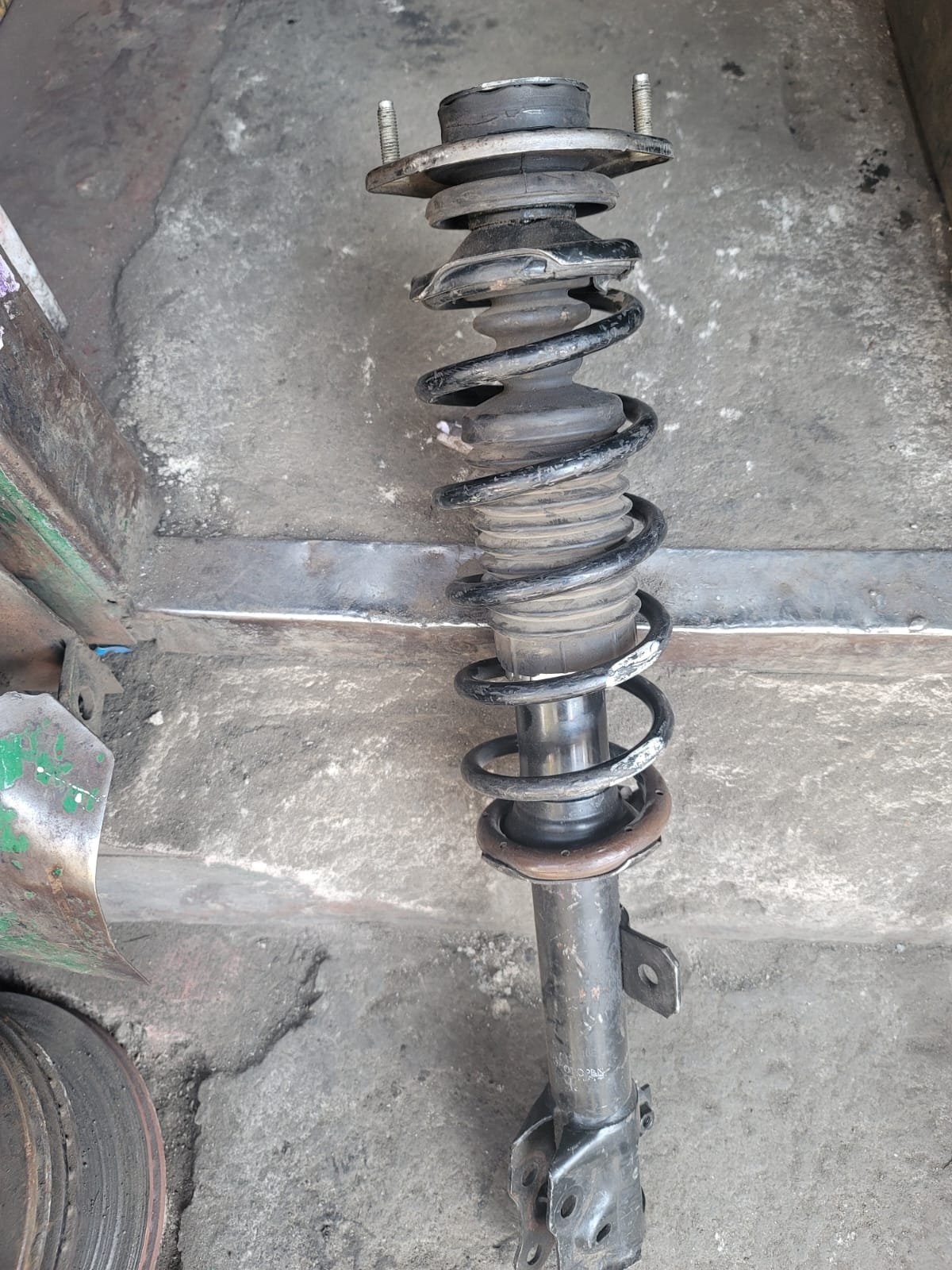
If your Forester looks like it’s “sitting on its tail” even when empty, you aren’t alone. Many Foresters (especially the SH and SJ models) came from Japan with Self-Leveling Shocks (SLS). These are great when new, but once they fail, they are incredibly expensive to replace with the same “original” units.

The Conversion Solution

At Taleon Spares Kenya, we provide the most popular fix for Kenyan Subaru owners: The SLS Delete.

Instead of buying one expensive self-leveling shock, we provide a kit consisting of:

  1. Standard KYB Excel-G Shocks: Reliable and much more affordable.
  2. Heavy-Duty Coil Springs: To compensate for the loss of the self-leveling feature.

This setup restores your ride height permanently and ensures your car doesn’t “bottom out” when you’re loaded for a road trip to Nanyuki.


3. The “Subie Humming” (Wheel Bearings)

Foresters are notorious for eating wheel bearings, especially if you have upgraded to larger, heavier off-road tires.

  • The Sound: A low-pitched drone that gets louder as you speed up.
  • The Fix: We stock Genuine Ex-Japan Hub Assemblies and NSK/NTN Bearings. Always ensure your mechanic uses a proper press to install these; hammering them in will shorten their life to just a few weeks.

4. Transmission & AWD Care

The Symmetrical AWD system requires all four tires to be the same size and have similar tread wear. If you drive with one “donut” spare or mismatched tires for too long, you will damage the center differential.

  • Maintenance: Change your Gearbox/Differential oil every 40,000km to keep the AWD transfer smooth.

Summary: The Forester “Must-Have” Spares List

ComponentWhy it mattersTaleon Spares Recommendation
Air FilterBoxer engines need high airflow.Use Teson or Genuine Subaru filters.
Spark PlugsHard to reach; need long life.NGK Iridium (replace every 60k-100k km).
Rear ShocksPrevents the “sinking” look.KYB + HD Coil Spring Conversion.
Stabilizer BushingsStops the “clunking” on rough roads.High-density rubber bushings.

Conclusion: Keep the Adventure Going

A well-maintained Subaru Forester is one of the most capable vehicles on Kenyan roads. By staying ahead of its unique needs—especially its suspension and oil levels—you ensure that your Subie remains a reliable partner for years to come.
Top 5 Most Demanded Spare Parts for the Toyota Probox in Kenya

In the streets of Nairobi and on the highways of rural Kenya, the Toyota Probox (and its twin, the Toyota Succeed) is the king of utility. It is the backbone of the Kenyan economy, moving everything from crates of soda to farm produce.

But because the Probox is often pushed to its absolute limit—carrying heavy loads over uneven terrain—certain parts wear out faster than others. At Taleon Spares Kenya, we’ve tracked the data from our shop to find out exactly what Probox owners are buying most frequently.

If you own a Probox, these are the top 5 parts you should keep on your radar to ensure your “workhorse” never stops working.


1. Heavy-Duty Coil Springs (The “Sag” Solution)

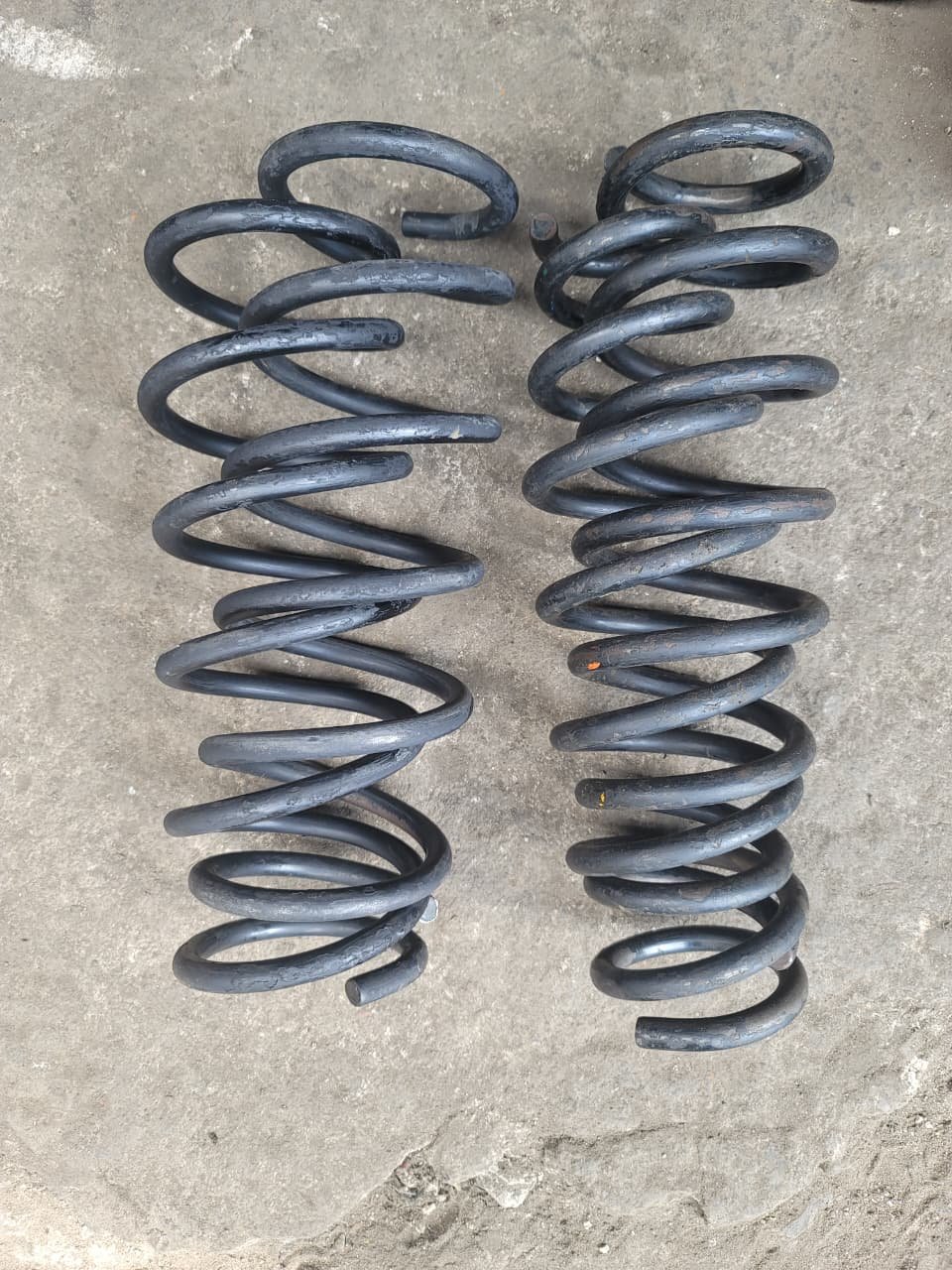
The standard Japanese coil springs on a Probox are designed for light city driving. However, in Kenya, the Probox is often used like a 1-ton pickup. After a few months of heavy loading, the rear of the car begins to “sag,” making it scrape on speed bumps.

  • Why it’s demanded: Probox owners need more ground clearance and better weight support.
  • The Taleon Solution: We stock Heavy-Duty Coil Springs (often in the signature black or red finishes) that are thicker than the original. They restore the ride height and prevent the car from “bottoming out” when fully loaded.

2. Front Big Arm Bushings (Part #48655-0D060)

The Probox suspension is simple but sturdy. However, the “Big Arm Bushing” (the rubber mount on the lower control arm) takes the brunt of every pothole impact.

  • The Symptom: If your Probox makes a thumping sound when you hit a bump or if the steering feels “loose” at high speeds, your bushings are likely torn.
  • The Demand: This is one of our fastest-moving items. At Taleon Spares, we provide both Genuine Toyota Bushings and high-quality Ex-Japan complete arms for those who want a long-lasting fix without the hassle of pressing in new rubber.

3. Shock Absorbers (The “Pothole Survivors”)

Running a Probox on Kenyan roads without healthy shocks is a recipe for disaster. Worn shocks lead to uneven tire wear and poor braking—a major safety risk for a loaded vehicle.

  • What owners look for: Reliability and value.
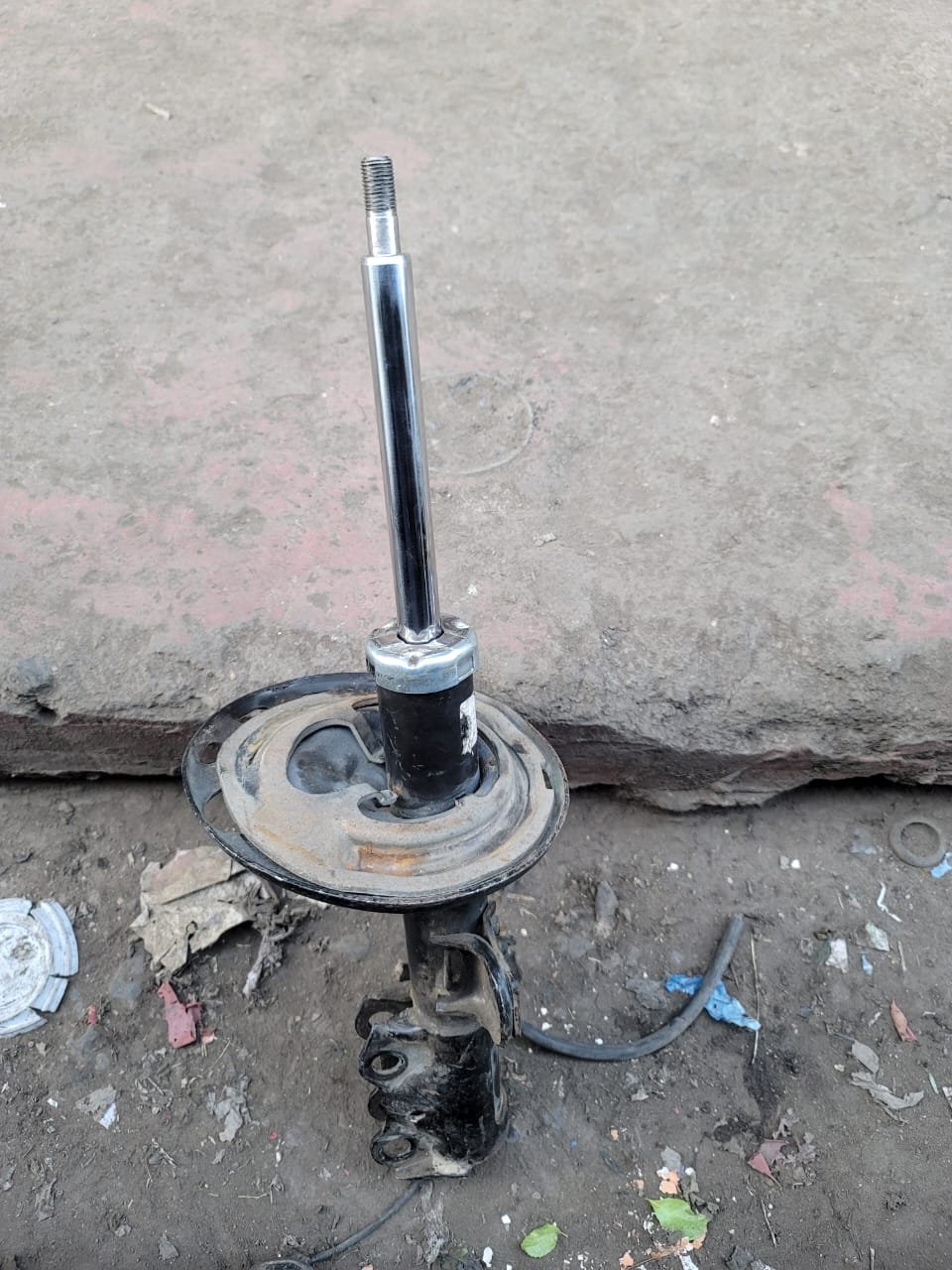
  • The Taleon Choice: Probox owners almost always ask for KYB (Part #3330107) or our Genuine Ex-Japan Strut Assemblies. Because we source directly from Japan, our shocks offer the original damping quality that “cheap” new aftermarket shocks simply can’t match.

4. Wheel Hub Bearings (The Silent Killers)

Do you hear a loud humming noise when driving above 60km/h? That’s the sound of a failing wheel bearing. Because the Probox is often driven for long hours, the grease in the bearings can dry out or be contaminated by dust and water.

  • The Part: Most Probox models (NCP50/NCP51/NSP160) use a sealed hub assembly.
  • Why it’s vital: A seized bearing can lock up a wheel while you are driving. We stock ABS-compatible hubs to ensure your braking system stays 100% functional.

5. Cooling System Parts (Radiators & Fans)

Overheating is the quickest way to kill a 1NZ-FE engine. Many Proboxes in Kenya have aged cooling systems where the plastic radiator tanks start to crack.

  • The High-Demand Spares: Probox Radiators, Thermostats, and Cooling Fan Motors.
  • The Tip: If you notice your temperature gauge rising even slightly while idling in Nairobi traffic, check your fan motor immediately. We carry Ex-Japan Radiators that are often much better than the thin, single-core “new” radiators sold elsewhere.

Summary: Probox Maintenance Checklist

Part NameRoleWhy it Fails in Kenya
HD Coil SpringsLoad SupportOverloading & High Speed Bumps
Arm BushingsStabilityConstant Pothole Impact
Shock AbsorbersSafety/ComfortHigh Mileage & Rough Roads
Wheel BearingsFrictionless RotationDust, Water, & Heavy Weight
RadiatorEngine CoolingPlastic Fatigue & Clogged Cores

Conclusion: Keep Your Business Moving

For a Probox owner, “Time is Money.” A day in the garage is a day of lost income. By using high-quality parts from Taleon Spares Kenya, you ensure that your repairs last longer and your car stays on the road.

Why the Nissan Note E12 Requires Specific Suspension Components

If you’ve upgraded from the older Nissan Note (E11) to the newer E12 model, you’ve likely noticed a difference in how the car sits and handles. The E12 is sleeker and more aerodynamic, but it also features a more “refined” suspension setup that is highly sensitive to the parts you use.

At Taleon Spares Kenya, we often see E12 owners trying to “fit” parts from other Nissans or the older Note model to save money. This is a mistake. The E12 was designed with specific weight distributions and geometry that require exact-match components.

Here is why your Nissan Note E12 needs specific suspension parts and what you should look for during your next service.


1. The Shock Absorber Difference: Part #332148

The front struts of the Nissan Note E12 are unique. While they may look similar to those on a Nissan Tiida or an older Note, the valving (the internal pressure) is specifically tuned for the E12’s lighter chassis.

  • The Gold Standard: At Taleon Spares, we stock the KYB Excel-G (Part #332148 for Right / #332149 for Left). These are gas-pressured twin-tube shocks designed to handle the “floaty” feeling that E12s sometimes get at high speeds.
  • Why it Matters: Using the wrong shock absorber can lead to “bottoming out” on Kenyan speed bumps, which eventually damages your strut mounts and even your engine mounts.

2. Lower Control Arms: The “Vibration” Trap

The E12 uses a lightweight lower control arm design. One of the most common complaints we hear from owners is a rattling noise near the pedals when driving on rough murram roads.

  • The Culprit: This is almost always the rear bushing of the front lower control arm.
  • The Fix: While you can buy just the bush, the E12’s ball joint is also prone to early wear. We highly recommend our Ex-Japan Complete Control Arms. Because they are factory-balanced, they eliminate the vibrations that “pressed-in” bushes often fail to solve.

3. Rear Coil Springs: Solving the “Sag”

If you look at many Nissan Notes on Kenyan roads, the rear often looks lower than the front—especially if there are passengers in the back. This “sagging” ruins your aerodynamics and causes the car to scrape on every estate bump.

  • The Heavy-Duty Solution: We stock OBK Heavy-Duty Rear Coil Springs specifically for the E12. These are slightly thicker than the standard Japanese springs, allowing the car to maintain its height even when carrying a full load of shopping or family members.

4. Steering Rack: The EPS (Electric) Factor

Unlike older cars with hydraulic fluid, the Nissan Note E12 uses Electric Power Steering (EPS). This means the steering rack is connected to an electric motor.

  • Specific Faults: If your steering feels “jerky” or you see a steering wheel light on the dashboard, it’s an electronic issue.
  • Replacement Tip: If you need to replace the rack, you must ensure the part matches your E12’s specific ECU programming. At Taleon Spares, we provide Ex-Japan Electronic Steering Racks that are tested for electronic compatibility to ensure your “Lane Departure” and “Traction Control” systems keep working.

5. Wheel Hubs and the ABS Sensor

The E12 is packed with safety technology. Its wheel hub bearings come with an integrated magnetic sensor ring for the ABS.

  • The Mistake: Many owners buy a “cheap” bearing that doesn’t have the magnetic ring. The result? Your ABS, Cruise Control, and Brake lights will all turn on, and your car might go into “limp mode.”
  • The Taleon Promise: Our E12 hubs are guaranteed to be ABS-compatible, keeping your dashboard clear of warning lights.

Conclusion: Keep Your Note E12 “Note-Worthy”

The Nissan Note E12 is a fantastic, reliable car—if you treat its suspension with respect. Using specific, high-quality parts isn’t just about comfort; it’s about protecting the complex electronics and lightweight frame that make the E12 so efficient.

The Mazda CX-5 Maintenance Checklist: Essential Spares Every Owner Needs

If you drive a Mazda CX-5 in Kenya, you’re part of a growing community that values style, “Jinba Ittai” handling, and premium interiors. Whether you have the first generation (KE) or the newer (KF) model, you know this car is a joy to drive—but it can be demanding when it comes to maintenance.

Unlike some rugged utility vehicles, the CX-5 is a precision machine. Its “SkyActiv” technology means that everything from the suspension to the engine sensors works in tight harmony. On our rough Kenyan roads, keeping that harmony requires proactive care.

At Taleon Spares Kenya, we’ve analyzed the most common requests from CX-5 owners. To help you keep your Mazda in showroom condition, we’ve put together the ultimate maintenance checklist of the essential spares you should keep an eye on.


1. Suspension: Protecting the “Zoom-Zoom” Feel

The CX-5 is famous for handling like a sedan despite being an SUV. However, its suspension is often the first thing to suffer from Nairobi’s potholes.

  • Front Struts & Rear Shocks: If you notice your Mazda “nose-diving” when you brake or feeling unstable on corners, your dampers are likely worn. At Taleon Spares, we stock KYB Excel-G and Genuine Ex-Japan shocks specifically for the CX-5 to restore that sharp handling.
  • Lower Control Arm Bushes: The large “big-end” bush on the CX-5 front arm is a known weak point. Instead of replacing the entire expensive arm, many owners visit us for Heavy-Duty Arm Bushes or Ex-Japan complete arms for a more durable fix.
  • Stabilizer (Anti-Roll Bar) Links: Are you hearing a light “rattle” on gravel roads? It’s almost certainly your stabilizer links. These are affordable parts that make a massive difference in ride quietness.

2. The Diesel-Specific Checklist (SkyActiv-D)

If you drive the 2.2L Diesel variant, your maintenance needs are much stricter than the petrol version.

  • Injector Seals: These should be inspected regularly. If they leak, carbon can build up in the oil sump and block the oil strainer, leading to catastrophic engine failure.
  • DPF (Diesel Particulate Filter) Care: Short city trips in Nairobi traffic can clog the DPF. Ensure you use the correct Low Ash Oil (DL-1 or ACEA C3) available at our shop to prevent expensive filter replacements.
  • Drive Belts & Tensioners: The CX-5 uses a serpentine belt that powers the alternator and water pump. If you hear a squealing sound on a cold start, your tensioner may be failing.

3. Braking System: Stopping the SUV

The CX-5 is a heavy car, and its brakes work hard.

  • Brake Pads: We recommend checking your pads every 10,000km. For the CX-5, we stock Akebono and Ex-Japan pads that offer high stopping power without the annoying “squeal” or excessive black dust on your rims.
  • Electric Parking Brake (EPB) Maintenance: Newer CX-5s have an electronic handbrake. Never let a “Jua Kali” mechanic force the rear calipers open during a pad change; they must be put into “Service Mode” to avoid damaging the expensive EPB motors.

4. Transmission & Drivetrain

  • SkyActiv-Drive Fluid: Mazda claims their transmission fluid is “lifetime,” but on Kenyan roads and in our heat, we recommend a “drain and fill” every 60,000km to prevent rough shifting.
  • Transfer Case & Differential Oil: If you have the AWD (All-Wheel Drive) version, don’t forget to change the rear diff oil, especially if you drive through water during the rainy season.

5. Body & Accessories: The Little Things

  • Sump Guards: Because the CX-5 has moderate ground clearance, many owners install a Heavy-Duty Steel Sump Guard from Taleon Spares to protect the engine oil pan from high speed bumps.
  • Mirror Motors: A common CX-5 “glitch” in Kenya is the side mirrors failing to fold. We stock replacement Mirror Folding Motors and Gears so you don’t have to buy a whole new mirror assembly.

Summary: The “Taleon Spares” Maintenance Schedule

IntervalTaskEssential Part
Every 5k-7k kmBasic ServiceOil Filter, Air Filter, Cabin Filter
Every 20,000 kmSuspension CheckStabilizer Links, Bushings
Every 40,000 kmMajor ServiceSpark Plugs (Petrol) or Injector Check (Diesel)
Every 60,000 kmDrivetrainATF Fluid Change, Brake Fluid Flush

Conclusion: Don’t Wait for the Warning Light

The Mazda CX-5 is a rewarding car to own, but it doesn’t tolerate “cheap” fixes. Using the right parts ensures that your “Zoom-Zoom” experience lasts for hundreds of thousands of kilometers.

The Importance of Proper Wheel Alignment After Replacing Steering Parts

You’ve just left the garage. You’ve replaced your Toyota Fielder’s shocks, or perhaps you’ve finally fixed that leaky steering rack on your Nissan Sylphy with a genuine Ex-Japan unit from Taleon Spares Kenya. The car feels tighter, the clunks are gone, and you’re ready to hit the road.

But then your mechanic says, “Bosi, lazima uende kwa alignment sasa.” (Boss, you must go for an alignment now.)

You might be tempted to ignore him. After all, you’ve already spent money on parts and labor. The car drives “straight enough,” right? Wrong. Skipping a wheel alignment after suspension or steering work is like buying an expensive suit and then wearing it without getting it tailored—it’s never going to fit right, and you’re going to ruin it quickly.

In this guide, we explain why wheel alignment is a non-negotiable final step and how it protects your investment in new spare parts.


1. What Exactly is Wheel Alignment?

Wheel alignment (sometimes called “tracking”) is not an adjustment of your tires or wheels. Instead, it is the process of adjusting the angles of the suspension components—the very parts you just bought from Taleon Spares—to ensure the tires make contact with the road at the correct angle.

When we talk about alignment, we are usually looking at three things:

  • Toe: Whether your tires are pointing toward each other (toe-in) or away from each other (toe-out) when viewed from above.
  • Camber: The inward or outward tilt of the tire when viewed from the front.
  • Caster: The angle of your steering axis, which helps your steering wheel return to the center after a turn.

2. Why Replacement “Resets” Your Geometry

Whenever you remove a strut, a control arm, or a steering rack, you are disturbing the delicate geometry of your car.

Even if your mechanic is an expert, it is impossible to bolt a new part back in the exact same position as the old, worn-out one. New bushings are stiffer, and new springs sit higher. These tiny differences—sometimes as small as a millimeter—are enough to throw your alignment out of sync.

The Taleon Warning: If you replace a part and skip the alignment, your car is effectively “fighting itself” as you drive. One wheel wants to go left while the other wants to go straight.


3. The High Cost of Skipping Alignment

If you decide to “wait a few weeks” before getting an alignment, here is what is happening to your car:

A. You Will “Eat” Your Tires

This is the most common consequence in Kenya. A misaligned car can scrub the tread off a brand-new set of tires in less than 500 kilometers. Instead of the tire rolling smoothly, it “drags” across the asphalt. You’ll see the inner or outer edges of your tires becoming bald while the middle looks new.

B. Decreased Fuel Efficiency

Because your wheels are dragging instead of rolling, your engine has to work harder to push the car forward. This increases your fuel consumption. In an era of rising petrol prices in Kenya, a 500 KSh alignment check can save you thousands at the pump.

C. Stress on Your Brand-New Parts

When the wheels are misaligned, it puts constant “pulling” pressure on your new ball joints, tie rod ends, and rack. You essentially shorten the lifespan of the high-quality Ex-Japan parts you just bought from us.


4. Signs Your Alignment is Off (Post-Repair)

If you’ve just replaced parts, watch out for these “Red Flags” on your first drive:

  1. Crooked Steering Wheel: You are driving perfectly straight, but the Toyota or Mazda logo on your steering wheel is tilted to the side.
  2. The “Pull”: The car feels like it wants to drift into the next lane if you let go of the wheel for a second.
  3. Squealing Tires: You hear a faint “chirp” or squeal when taking low-speed turns, like into a parking spot.
  4. Vibration: The steering wheel feels “nervous” or shaky at 80km/h.

5. 3D Alignment vs. Manual Alignment

In many estates in Nairobi, you’ll see “Jua Kali” alignment using strings or manual gauges. While this is better than nothing, we always recommend 3D Computerized Alignment.

Modern cars like the Honda Fit GP5 or Mazda CX-5 have very sensitive electronic sensors (like Steering Angle Sensors). A 3D alignment machine uses lasers to ensure your car is perfectly balanced to within a fraction of a degree, ensuring your safety systems (like ABS and Traction Control) work correctly.


Conclusion: Protect Your Investment

At Taleon Spares Kenya, we take pride in selling you the best suspension and steering parts in Nairobi. But we want those parts to last you for years, not months.

The Golden Rule: Every time a wrench touches your suspension or steering system, your next stop should be an alignment center. It is the cheapest “insurance policy” you can buy for your car.

Power Steering Fluid Leaks: Is it Your Rack or a Loose Hose?

One morning, you move your car from your parking spot and notice a small, reddish puddle on the ground near the front tires. You dip your finger in it—it’s oily and has a distinct smell. Your heart sinks because you know what it is: Power Steering Fluid.

A leak in your power steering system is more than just a mess on your driveway; it’s a safety hazard. If the fluid runs too low, your steering will become “heavy,” your pump will start to whine, and eventually, you could lose control of the car entirely.

But before you panic and assume you need an expensive new steering rack from Taleon Spares Kenya, you need to play detective. Not all leaks are created equal. In this guide, we help you identify if your leak is a simple hose fix or a major rack replacement.


1. How to Identify Power Steering Fluid

Before diagnosing the leak, ensure it’s actually power steering fluid.

  • Color: Usually red or pink (if using ATF/Dexron III) or clear/amber (if using specific European fluids).
  • Smell: It has a distinct “burnt marshmallow” or chemical smell.
  • Location: Usually found under the front of the engine, often slightly to the side where the reservoir or pump is located.

2. The Simple Culprit: A Loose or Cracked Hose

The power steering system relies on two main hoses:

  1. The High-Pressure Hose: This carries fluid from the pump to the steering rack. Because it’s under high pressure, it is the most common part to leak.
  2. The Return Hose: This carries fluid back to the reservoir.

How to check: Open your hood and look for the power steering pump. Follow the rubber lines. Do you see “sweating” or wetness around the metal clamps? Often, the rubber becomes brittle due to the heat of the Kenyan sun and starts to crack.

  • The Fix: If it’s just a hose, you’re in luck! Replacing a hose or tightening a clamp is a quick and affordable repair.

3. The Serious Culprit: The Steering Rack Seals

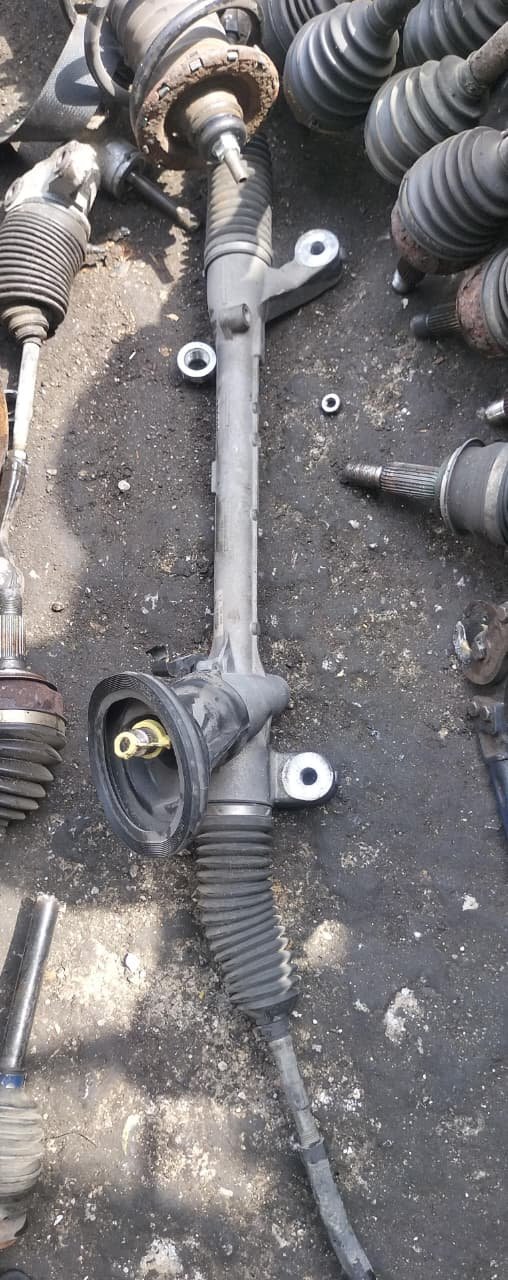
If the hoses look dry but you see fluid dripping from the ends of the steering rack (inside the rubber bellows or “boots”), you have a bigger problem.

Inside the steering rack are hydraulic seals. Over time, these seals wear out—especially if you frequent dusty roads in areas like Kajiado or Machakos. Once the seals fail, the fluid leaks into the rubber boots. When the boots get full, the fluid eventually spills out onto your driveway.

How to check: Ask your mechanic to squeeze the steering rack bellows. If they feel like they are full of liquid or if fluid squirts out when squeezed, your internal seals are gone.

  • The Fix: In this case, the rack usually needs to be replaced. At Taleon Spares, we recommend Ex-Japan Steering Racks because they offer the best balance of “original factory seals” and “affordable pricing.”

4. Don’t Forget the Power Steering Pump

Sometimes the leak isn’t from the rack or the hoses, but the pump itself. The pump has an internal shaft seal that can fail.

The “Whining” Sign: If your car makes a loud whining or screeching sound when you turn the steering wheel, your pump is either leaking or “sucking air.” If you ignore a leaking pump, it will eventually seize, which could cause your drive belt to snap—leaving you stranded.


5. Why “Stop-Leak” Fluids are a Bad Idea

Many Kenyan drivers try to fix leaks by pouring “Stop-Leak” additives into the reservoir. We strongly advise against this. These chemicals work by causing the rubber seals to swell up. While it might stop a leak for a week, it eventually makes the rubber “mushy” and causes all the other seals in the system to fail. It’s a “Jua Kali” fix that leads to a much more expensive repair later.


6. How Taleon Spares Can Help

Whether it’s a minor hose issue or a total rack failure, we have the parts to get you back on the road.

  • Ex-Japan Steering Racks: For Toyota, Nissan, Mazda, and Honda.
  • Power Steering Pumps: Genuine replacements that don’t whine.
  • Expert Advice: If you aren’t sure where the leak is coming from, call us! We can recommend a trusted technician to help you diagnose it.

Conclusion: Catch the Leak Early

A small leak today is a cheap fix. A dry system tomorrow is an expensive disaster. If you see spots on your driveway, check your reservoir levels immediately and look for the source of the drip.

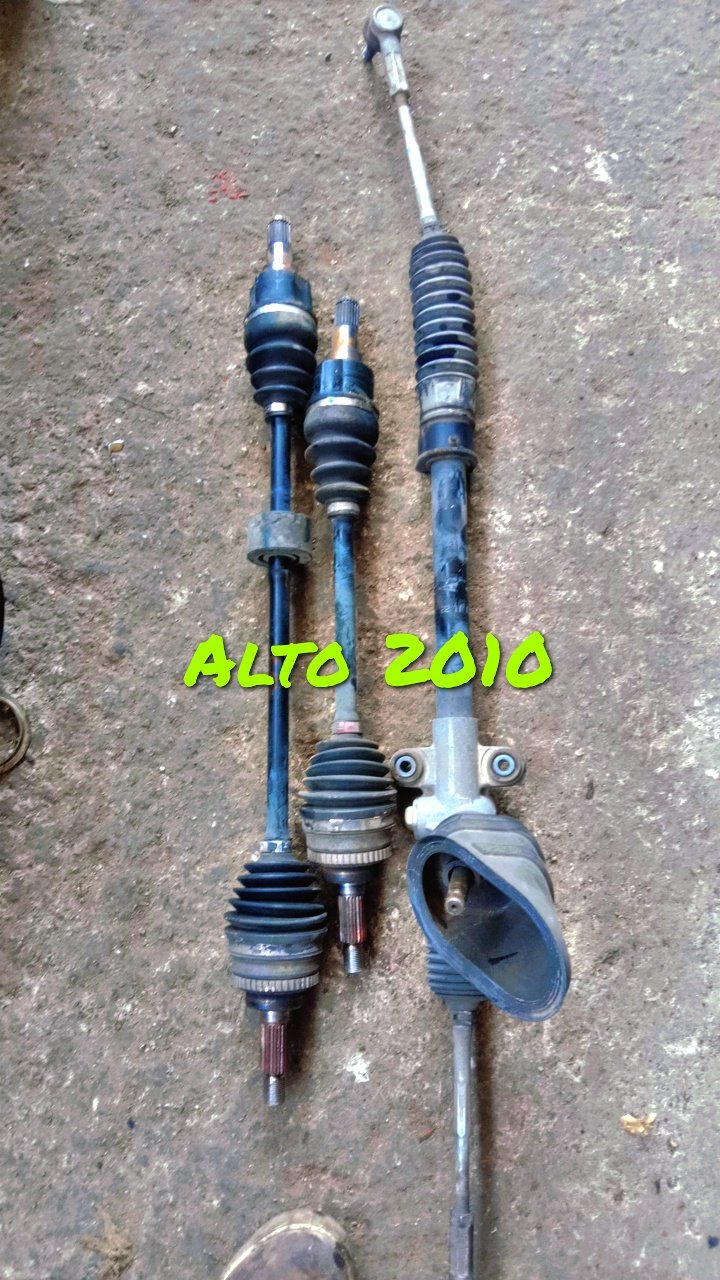
Common Steering Rack Problems in the Toyota Premio and How to Fix Them

The Toyota Premio is a Kenyan favorite for a reason: it’s reliable, fuel-efficient, and retains its value. However, as these cars age—especially those imported from Japan as used units—one common mechanical headache begins to emerge: Steering Rack Failure.

Because the Premio is often driven in urban stop-and-go traffic and over plenty of speed bumps, the steering system takes a lot of punishment. At Taleon Spares Kenya, we see many Premio owners who have been told they need a “new rack” but don’t know why.

In this guide, we’ll look at the symptoms of a failing Premio steering rack, the difference between hydraulic and electric systems, and the most cost-effective ways to fix them.


1. Hydraulic vs. Electric: Know Your Premio

Before you can fix the problem, you need to know which system your Premio uses.

  • Hydraulic Power Steering (Pre-2010 Models): These use a pump and fluid. If you see a reservoir with “Power Steering Fluid” under your hood, you have a hydraulic system.
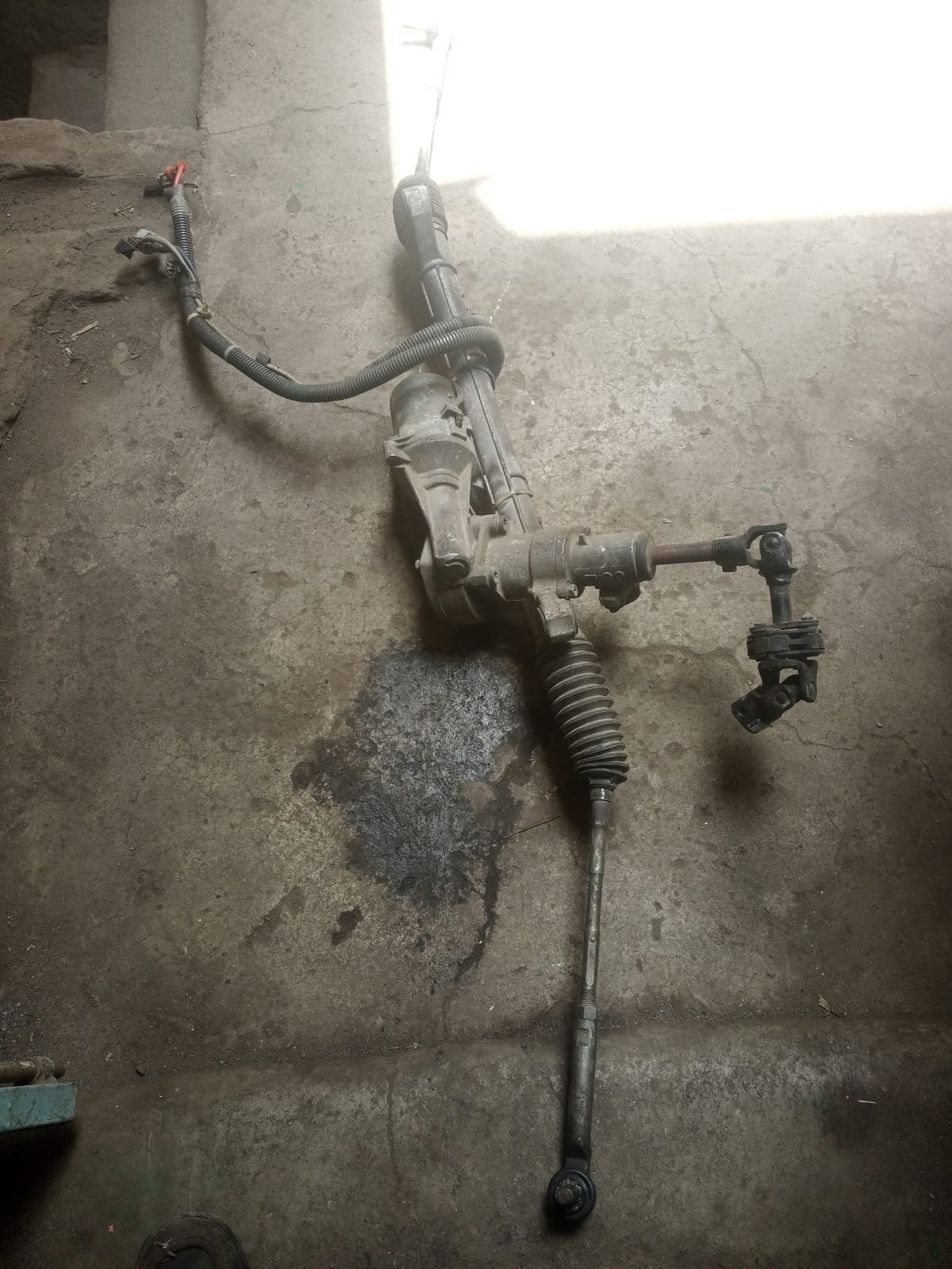
  • Electric Power Steering (EPS) (Post-2010/ZRT260 Models): Most modern Premios use an electric motor attached to the steering column or the rack itself. There is no fluid to check here; everything is electronic.

2. Common Symptoms of Premio Steering Failure

A. The “Morning Stiffness”

If you start your Premio in the morning and the steering wheel feels incredibly heavy or “stiff” until the car warms up, you likely have a hydraulic fluid issue or a failing EPS motor.

B. Persistent Leaks (Hydraulic Only)

Check the ground where you park. If you see red or pinkish fluid near the front wheels, your steering rack seals have failed. In Kenya’s hot climate, these rubber seals can dry out and crack, leading to a loss of pressure.

C. The “Clunk” or “Knock”

When you turn the wheel quickly while parking, do you hear a clunk-clunk sound? This often indicates that the internal gears of the rack (the rack and pinion) have developed “play” or that the mounting bushings have worn out.

D. The Dashboard “Warning Light”

For newer Premios (ZRT260), an illuminated steering wheel icon with an exclamation mark (!) means your EPS system has a fault. This could be a blown fuse, a faulty sensor, or a dead electric motor.


3. Why Premio Steering Racks Fail in Kenya

  • Pothole Impact: Hitting a deep pothole at speed sends a shockwave directly into the steering gears, which can bend the internal rack.
  • Fluid Contamination: Using the wrong power steering fluid (or never changing it) causes the pump and rack to wear out from the inside.
  • Nairobi Dust: Dust can tear the “bellows” (the rubber boots) on the rack. Once the boots are torn, sand gets into the gears and grinds them down like sandpaper.

4. How to Fix It: Repair vs. Replacement

Option 1: Seal Kits (The Cheap Fix)

If you have a minor leak in a hydraulic rack, some mechanics suggest a “seal kit.” However, at Taleon Spares Kenya, we advise caution. If the internal metal rod is scratched, new seals will fail again in a few weeks.

Option 2: New Aftermarket Racks

These are shiny and new but often lack the heavy-duty metal quality of original Toyota parts. They may feel “too light” or fail again within a year.

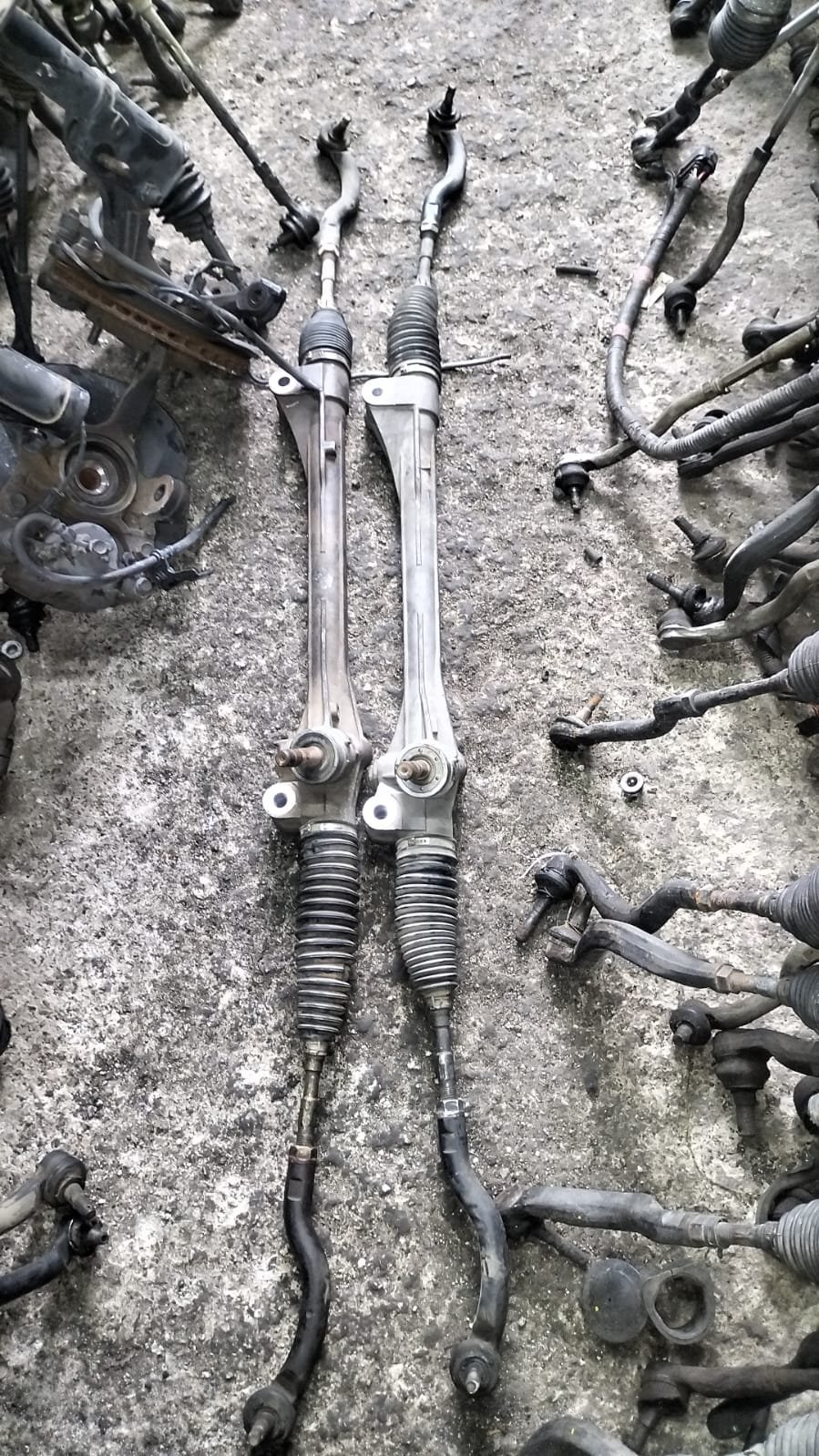
Option 3: Ex-Japan Genuine Racks (The Pro Choice)

This is our specialty. An Ex-Japan Toyota Premio Steering Rack comes from a low-mileage car in Japan. It features original Japanese steel and factory-fitted seals. It’s a “bolt-on” solution that restores that original “showroom” steering feel for a fraction of the price of a new OEM unit.


5. Prevention: How to Make Your Steering Last

  1. Check your Boots: Ensure the rubber bellows on your rack aren’t torn. If they are, replace them immediately!
  2. Fluid Flushes: If you have a hydraulic system, change your fluid every 40,000km.
  3. Avoid “Full Lock”: Don’t hold your steering wheel at the maximum left or right position for more than a few seconds; this puts maximum pressure on the seals.

Conclusion: Drive with Precision Again

A faulty steering rack makes a great car like the Toyota Premio feel old and dangerous. Whether you need a hydraulic rack for an older model or an EPS unit for a newer ZRT260, we’ve got you covered.

Why Genuine Ex-Japan Suspension Parts are Better for Nairobi Roads

If you live in Nairobi, your car is constantly navigating a battlefield. Between the “hidden” speed bumps of estate roads, the deep potholes of the rainy season, and the high-speed vibrations of the Southern Bypass, your suspension never gets a day off.

When a shock absorber leaks or a control arm snaps, you face a dilemma: Do you buy a brand-new part from a local shop, or do you head to Taleon Spares Kenya for a genuine Ex-Japan part?

To the untrained eye, “new” sounds better. But experienced Kenyan drivers and top-tier mechanics know a secret: A high-quality Ex-Japan part often outlasts a cheap new aftermarket part by years. Here is why Ex-Japan is the smartest choice for Nairobi’s roads.


1. The “Zero-Defect” Origin: Japan’s Strict Inspections

In Japan, vehicles undergo a rigorous mandatory inspection called Shaken. This system is so strict that even a tiny hairline crack in a rubber bushing can cause a car to fail. Because of this, Japanese car owners maintain their vehicles to an impeccable standard using only OEM (Original Equipment Manufacturer) parts.

Many of the parts we stock at Taleon Spares Kenya come from vehicles with low mileage that were driven on smooth, mirror-like Japanese highways. When you buy an Ex-Japan strut or steering rack, you aren’t just buying a “used part”; you are buying a piece of high-precision Japanese engineering that has lived a very easy life—until it reaches the front lines of Nairobi.


2. Material Quality: Virgin Steel vs. Recycled Scraps

This is where the biggest difference lies. Genuine parts (the ones that come on a car from the factory) are made from high-grade virgin steel and high-density rubber compounds designed to last for a decade.

Many “new” aftermarket parts found in local shops are manufactured to a price point, not a quality point. They often use:

  • Thinner metal: Which can bend or snap when you hit a sharp pothole in Industrial Area.
  • Low-grade rubber: Which cracks under the intense Kenyan sun and heat.
  • Inferior seals: Which leak hydraulic fluid the moment they face a dusty road.

When you install an Ex-Japan Lower Control Arm from Taleon Spares, you are getting the original heavy-duty steel that was designed by Toyota, Nissan, or Mazda engineers specifically for that chassis.


3. Perfect Fitment: No “Jua Kali” Modifications

Have you ever bought a “new” part only for your mechanic to say, “Hii haishiki vizuri, wacha niongeze washer” (This doesn’t fit well, let me add a washer)?

Cheap aftermarket parts often have slight measurement errors. Even a 1mm difference in a bolt hole can lead to:

  • Persistent rattling noises.
  • Wheel alignment issues that eat your tires.
  • Stress on other suspension components.

Ex-Japan parts are original. They were born with the car. They bolt on perfectly, ensuring your car’s geometry remains exactly as the manufacturer intended. At Taleon Spares, we match parts to your specific chassis number to ensure a “plug-and-play” experience.


4. The “Kenyan Dust” Factor

Nairobi is a dusty city. That fine volcanic dust is the enemy of suspension seals. Genuine Japanese parts use multi-lip seals and specialized dust boots designed to keep contaminants out of the hydraulic chambers.

In our experience at Taleon Spares, we’ve seen “new” budget shocks fail within three months because dust entered the seal and scratched the piston. Meanwhile, a Genuine Ex-Japan KYB or Showa shock can run for years in the same conditions because the seal quality is vastly superior.


5. Better Value for Money (Total Cost of Ownership)

Let’s look at the math.

  • Option A: A “new” low-quality shock costs KSh 3,500. It lasts 6 months. Labor to replace it twice a year is KSh 2,000. Total: KSh 9,000/year.
  • Option B: A Genuine Ex-Japan shock from Taleon Spares costs KSh 5,000. It lasts 3 years. Total: KSh 5,000 (plus one-time labor).

Ex-Japan isn’t just about the parts; it’s about reducing the number of times your car sits in a garage instead of being on the road.


Conclusion: Get the “Gold Standard” at Taleon Spares

At Taleon Spares Kenya, we specialize in sourcing the best Ex-Japan suspension and steering components. We don’t just “sell junk”; we curate our inventory to ensure every part—from a Mazda CX-5 “Up Mountain” suspension to a Toyota Fielder hub bearing—is ready for the rigors of Kenyan driving.

Don’t gamble with your safety. Choose the durability of Japanese engineering.

  • View our Ex-Japan Arrivals: [Link to Shop]
  • Get a Quote for Your Model: [WhatsApp Link]
  • Visit Us: Kirinyaga Road, Nairobi (Near Shell Petrol Station).

Taleon Spares Kenya: Providing the backbone for Kenya’s cars.

The Ultimate Guide to Lower Control Arms: When to Replace vs. Repair

If you’ve ever felt your steering wheel “pull” to one side, or heard a mysterious clunk when you hit a pothole in Nairobi, you’ve likely encountered a problem with your Lower Control Arms.

For many Kenyan drivers, the suspension system is a bit of a mystery. We know about shocks and tires, but the control arms are the “skeleton” that holds everything together. At Taleon Spares Kenya, we get asked every day: “Do I need to buy the whole arm, or can I just change the rubber bushes?”

In this comprehensive guide, we break down everything you need to know about lower control arms, the dangers of “pressing” new bushes, and why Ex-Japan complete arms are often the smartest investment for your car’s longevity.


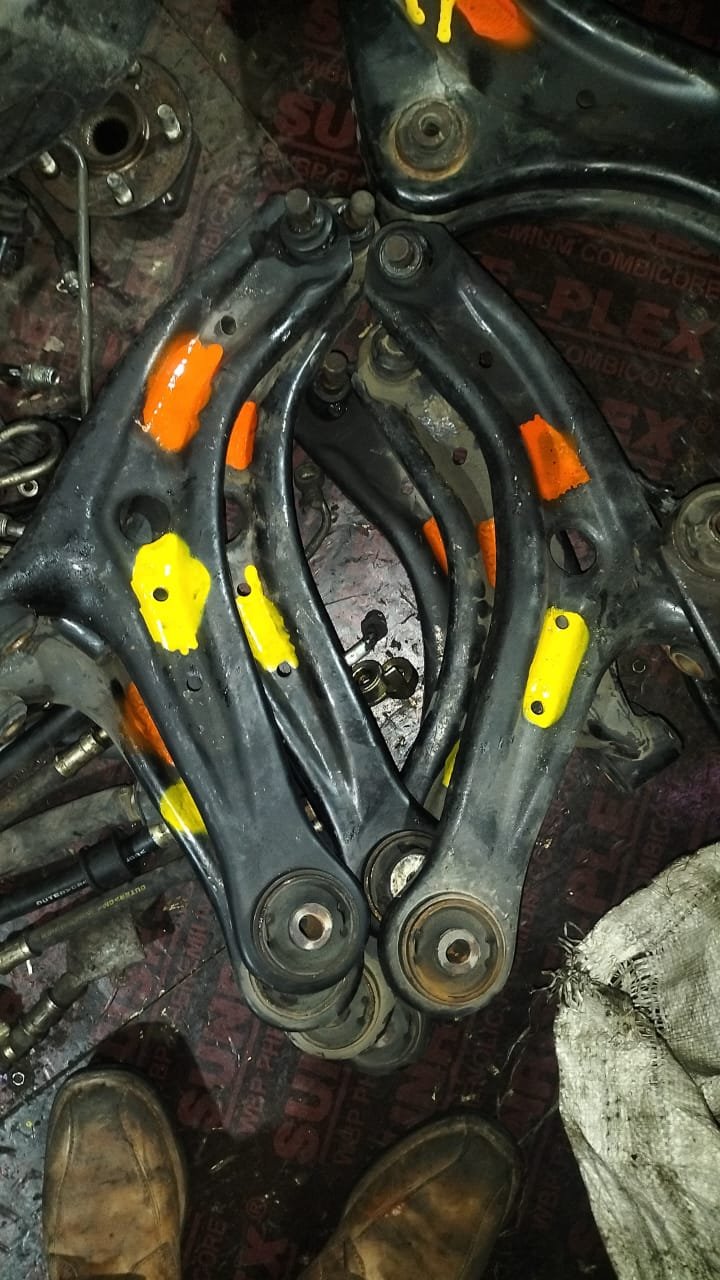
1. What Exactly is a Lower Control Arm?

Think of the control arm as the “hinge” that connects your car’s wheels to its frame.

  • The Job: It allows the wheels to move up and down (when you hit a bump) while preventing them from moving forward or backward.
  • The Components: A standard control arm has three critical points:
    1. The Inner Bushings: Rubber mounts that attach to the car’s chassis.
    2. The Ball Joint: A pivot point that attaches to the wheel hub (allowing the wheel to turn).
    3. The Metal Body: The solid “A-frame” or “L-frame” that holds it all together.

When any of these three parts fail, your steering becomes “loose,” your tires wear out prematurely, and your car becomes dangerous to drive at high speeds on the highway.


2. Signs Your Control Arms are Failing

How do you know it’s time to visit the Taleon Spares shop? Watch out for these four red flags:

A. The “Clunk” on Take-off or Braking

When you shift from ‘Park’ to ‘Drive’ and press the gas, do you hear a single thud? Or when you brake suddenly, does it feel like the wheel “shifts” forward? This is usually because the control arm bushings are torn, allowing the metal arm to hit the frame.

B. Steering Wheel Vibration

If your steering wheel shakes at 80km/h (but your wheels are balanced), your control arm bushings might be so worn that they are no longer absorbing road vibrations.

C. Wandering Steering

Does your car feel “darty”? If you’re driving straight but the car keeps pulling left or right—requiring constant correction—your control arms are likely out of alignment due to wear.

D. Uneven Tire Wear

Check the inner edge of your front tires. If the inside is wearing down faster than the outside, your control arm is likely “sagging,” which throws off your wheel’s camber.


3. The Big Debate: Replace the Bushings or the Whole Arm?

This is the most common question at our Kirinyaga Road shop. In Kenya, many roadside “fundis” will suggest just buying new rubber bushes and “pressing” them into your old metal arms using a hydraulic press.

Here is why Taleon Spares usually recommends replacing the COMPLETE arm:

FeatureReplacing Only BushingsReplacing Complete Arm (Ex-Japan/New)
CostCheaper upfront.Higher initial cost.
LaborHigh (requires pressing/fitting).Low (simple bolt-on).
SafetyBall joint remains old/used.New/Healthy Ball Joint included.
Longevity3–6 months on Kenyan roads.2+ years of reliability.
IntegrityPressing can weaken the metal eyelet.Factory-sealed integrity.

The Risk of the Ball Joint: Even if you replace the rubber bushes, your Ball Joint (which is permanently attached to the arm in many models like the Mazda Demio or Toyota Vitz) might be ready to fail. If a ball joint snaps while you are driving, the wheel will literally fold under the car.


4. Why Ex-Japan Control Arms are a “Sweet Spot” for Value

At Taleon Spares Kenya, we specialize in Ex-Japan Lower Control Arms. These are original equipment (OEM) parts salvaged from vehicles in Japan.

  • Better Metal: Original Toyota or Mazda metal is much stronger than cheap “aftermarket” arms made of thin steel.
  • Factory-Pressed Bushes: The rubber in an Ex-Japan arm was installed by a robot in a factory, not by a hand-press in a local garage. This means it will last much longer under the stress of Nairobi potholes.
  • Cost-Effective: You get the quality of a 40,000 KES “New Original” arm for a fraction of the price.

5. Specific Advice for Popular Kenyan Models

Toyota Allion / Premio / Fielder (ZRT260/ZRE142)

These cars are the kings of the road, but they are heavy. The rear bushing on the front control arm is a famous “weak point.” If you feel a “jerk” when you brake, it’s time to check these.

Mazda Demio (DE/DJ)

The Demio has a very lightweight suspension. Using heavy, poor-quality aftermarket arms can make the ride feel harsh. We recommend our Ex-Japan Mazda Arms to keep that “zoom-zoom” handling smooth.

Nissan Note (E11/E12)

Nissan suspension components are sensitive. If you replace the arm, always ensure you check the Stabilizer Links at the same time, as they usually wear out together.


6. Maintenance Tip: The “Post-Replacement” Alignment

Never—and we mean never—replace a control arm without going for 3D Wheel Alignment immediately after.

Because the control arm sets the position of the wheel, a new arm will slightly change your “Toe” and “Camber” settings. If you skip alignment, you will ruin a brand-new set of tires in less than a month.


Conclusion: Don’t Compromise on Steering

Your control arms are what keep you connected to the road. If you suspect yours are failing, don’t wait for a “wheel-off” accident.

Visit Taleon Spares Kenya today. We have a massive stock of Lower Control Arms for all Japanese models, including:

  • Toyota (Vitz, Passo, IST, Wish, Noah)
  • Nissan (Tiida, Sylphy, Serena, Dualis)
  • Honda (Fit, Stream, Airwave)

Why Your Car Bounces on Speed Bumps: The Role of Heavy-Duty Coil Springs

If you drive a Toyota Fielder, Wish, or Nissan Note in Kenya, you know the “thud” all too well. You’re driving home with a few bags of maize in the boot or five passengers in the car, and suddenly, every speed bump feels like a mountain. The car “bottoms out,” the mudguards scrape the ground, and the back of the car bounces uncontrollably for several meters after the bump.

Most drivers blame their shock absorbers immediately. But at Taleon Spares Kenya, we know the secret: It’s often not the shocks—it’s your coil springs.

In this guide, we dive deep into why your car bounces, why standard Japanese springs often fail on Kenyan roads, and how Heavy-Duty (HD) Coil Springs are the ultimate solution for stability and ride height.


1. The Physics of the Bounce: Springs vs. Shocks

To solve the bouncing problem, you first need to understand the difference between these two components.

  • The Coil Spring: This supports the entire weight of the vehicle. Its job is to compress when you hit a bump and then push the car back up.
  • The Shock Absorber: Its job is to dampen the spring. Without a shock, the spring would bounce up and down forever.

When your car “bounces” excessively, it means the spring is too weak to support the weight, or the shock is too weak to stop the spring’s movement. On Kenyan roads, many cars are “sagging” at the rear because the original springs have lost their tension (fatigue). When the spring is weak, it forces the shock absorber to do all the work, causing the shock to overheat and fail prematurely.


2. Why “Standard” Springs Struggle in Kenya

Most cars imported to Kenya are Ex-Japan. In Japan, roads are nearly perfect, and cars rarely carry heavy loads. Consequently, Japanese manufacturers tune the suspension for comfort, using “soft” coil springs.

However, once that car arrives in Mombasa and starts its life in Kenya, the environment changes:

  1. Station Wagon Culture: Cars like the Toyota Probox and Fielder are often used as “workhorses,” carrying heavy cargo or full families.
  2. The “Mountain” Speed Bumps: Unlike the standard bumps in Japan, Kenyan bumps are often high and sharp, forcing the spring to compress to its maximum limit (bottoming out).
  3. Corrugated Roads: Constant vibration on “murram” roads causes the steel in standard springs to fatigue faster, leading to a visible “sag” in the rear of the car even when it’s empty.

3. What are Heavy-Duty (HD) Coil Springs?

At Taleon Spares Kenya, we often recommend an upgrade to Heavy-Duty Coil Springs. But what makes them different?

  • Wire Thickness: HD springs are made from thicker steel wire. This increases the “spring rate,” meaning it takes more force to compress the spring.
  • Increased Ride Height: HD springs are designed to restore (and sometimes slightly increase) the factory ride height. This gives you better ground clearance for those rough estate roads.
  • Better Load Carrying: With HD springs, your car won’t “sag” even when the boot is full. The car remains level, which is crucial for steering and braking safety.

4. The Hidden Dangers of a “Saggy” Rear End

Ignoring the bounce and the sag isn’t just about comfort; it affects your wallet and your safety:

  • Headlight Aim: When the back of your car sags, the front points upward. At night, your headlights will blind oncoming drivers instead of lighting up the road.
  • Braking Distance: If the rear springs are weak, the weight of the car shifts too violently to the front during braking, making the car unstable.
  • Tire Wear: A sagging suspension changes the “camber” of your wheels, causing the inside of your tires to wear out in weeks.

5. Why Taleon Spares Kenya is the Leader in Suspension Solutions

We don’t just sell parts; we provide solutions. When you visit our shop or order online, we ensure you get the right fit for your specific model.

Our Specialized Inventory Includes:

  • Toyota Fielder/Axio HD Springs: Perfect for those using their cars for long-distance travel.
  • Mazda Demio/Vitz Upgrades: To prevent these low-profile cars from scraping on speed bumps.
  • Nissan Note E12 Coil Springs: Designed to handle the unique weight distribution of the Note.
  • Subaru Forester Self-Leveling Replacements: A cost-effective way to fix the common “sagging Subaru” issue.

6. DIY Check: Do You Need New Springs?

  1. The Visual Test: Park your car on a level surface. Does the rear look lower than the front? Is there a gap between the tire and the wheel arch?
  2. The Load Test: Put two adults in the backseat. If the car sinks significantly, your springs are fatigued.
  3. The “Scrape” Test: Do you hear your exhaust or mudguards scraping when you go over a standard bump? If yes, your springs have lost their “memory” and are no longer holding the car up.

Conclusion: Upgrade Your Ride Today

Don’t let your car suffer on Kenyan roads. Upgrading to Heavy-Duty Coil Springs from Taleon Spares Kenya is one of the most affordable ways to improve your car’s handling, safety, and look. It’s an investment that pays for itself by protecting your shocks and tires from unnecessary wear.

Search products
Back to Top
Please select your product
Product has been added to your cart
Compare (0)