Subaru Forester Maintenance: Keeping Your Boxer Engine and Suspension in Top Shape

If you drive a Subaru Forester in Kenya—whether it’s the classic SG5, the rugged SH5, or the modern SJ—you know it’s more than just a car. It’s a lifestyle. With its Symmetrical All-Wheel Drive and the iconic growl of the Boxer engine, the Forester is built to handle everything from Nairobi’s traffic to the sandy tracks of Magadi.

However, a Subaru is a precision-engineered machine. Unlike a basic utility car, it does not tolerate “Jua Kali” maintenance or poor-quality parts. At Taleon Spares Kenya, we specialize in the specific components that keep Foresters performing at their peak.

In this guide, we’ll cover the two pillars of Forester health: maintaining that unique Boxer engine and solving the common “sagging rear” suspension issues.


1. The Heart of the Beast: The Boxer Engine

The Forester’s engine is “horizontal,” meaning the pistons move side-to-side rather than up and down. This gives you a lower center of gravity and better handling, but it also means gravity works differently on your engine oil.

The Oil Consumption Rule

Because the cylinders are horizontal, oil can pool at the bottom. Subaru engines are known to “consume” a little oil between services.

  • The Maintenance Tip: Check your oil dipstick every two weeks. If you notice a drop, top it up with high-quality 5W-30 or 0W-20 fully synthetic oil. Never let a Subaru run low on oil; it’s the quickest way to ruin the crankshaft bearings.

Cooling is Life

The Boxer engine is sensitive to heat. If your radiator is clogged or your fan fails, the head gaskets are the first to go.

  • The Taleon Tip: Inspect your radiator for “sweating” at the plastic tanks. We stock Ex-Japan Radiators and high-pressure caps to ensure your cooling system can handle a climb up the Limuru escarpment without breaking a sweat.

2. Solving the “Saggy Rear” Suspension

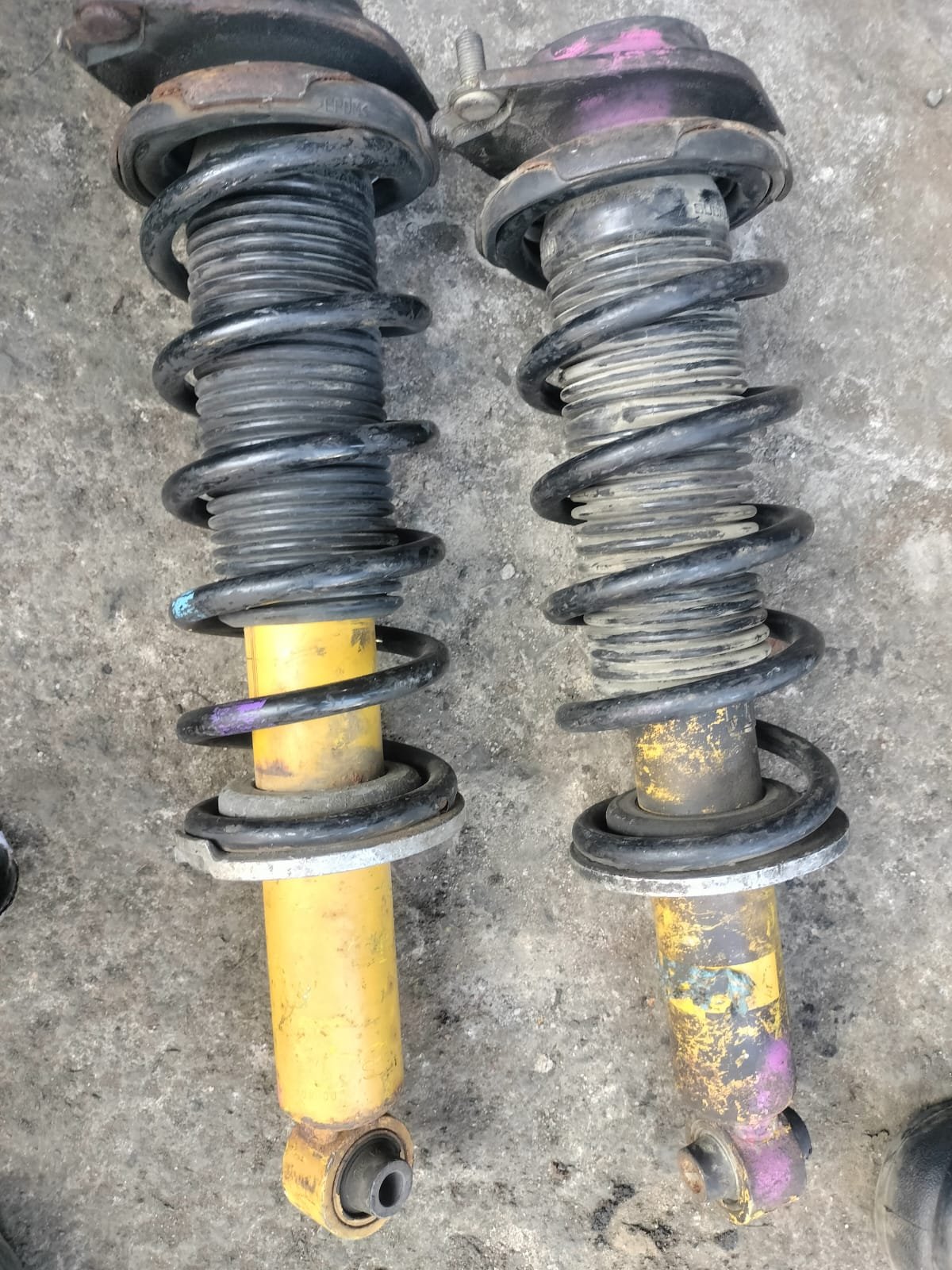
If your Forester looks like it’s “sitting on its tail” even when empty, you aren’t alone. Many Foresters (especially the SH and SJ models) came from Japan with Self-Leveling Shocks (SLS). These are great when new, but once they fail, they are incredibly expensive to replace with the same “original” units.

The Conversion Solution

At Taleon Spares Kenya, we provide the most popular fix for Kenyan Subaru owners: The SLS Delete.

Instead of buying one expensive self-leveling shock, we provide a kit consisting of:

  1. Standard KYB Excel-G Shocks: Reliable and much more affordable.
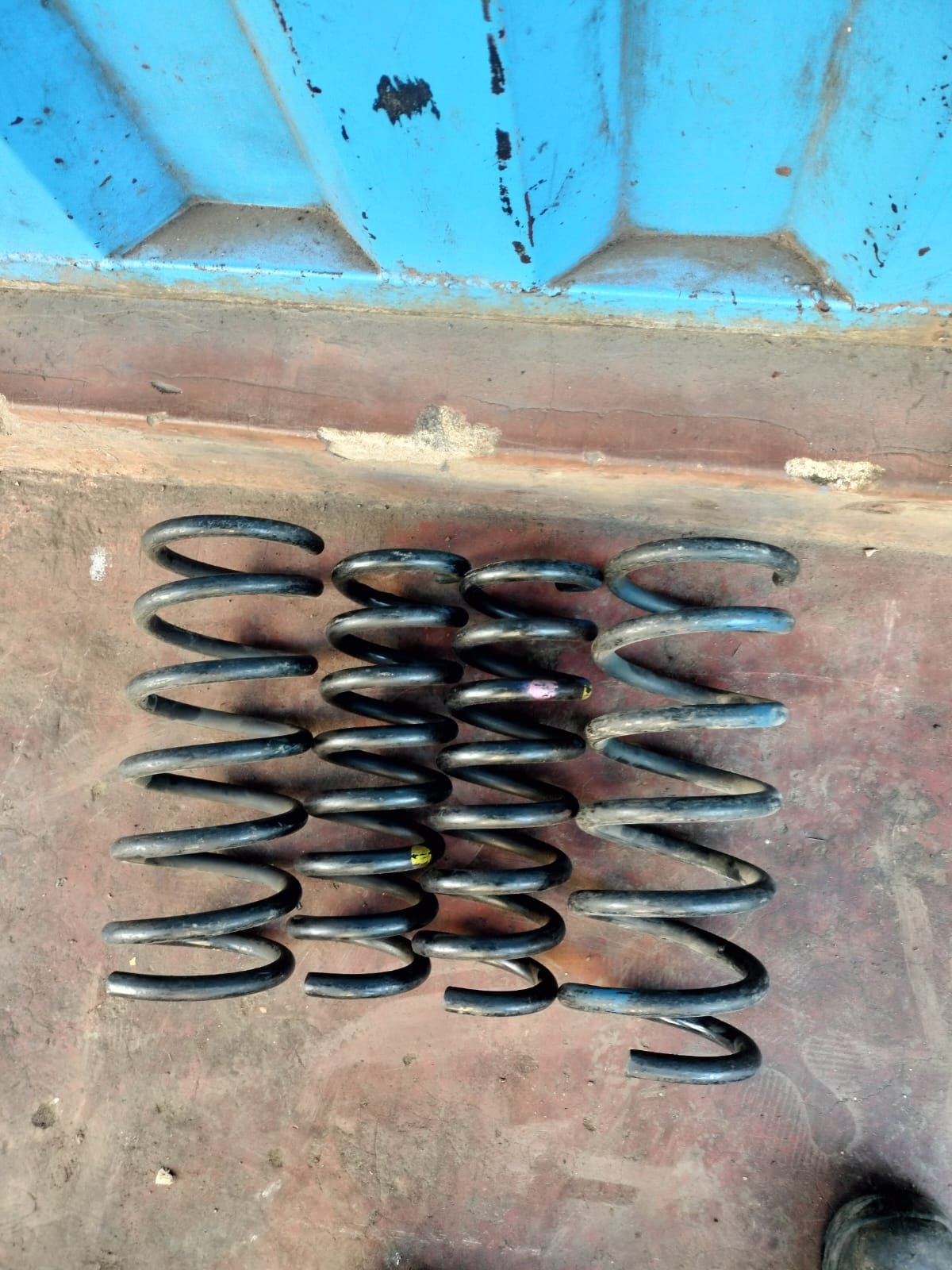
  2. Heavy-Duty Coil Springs: To compensate for the loss of the self-leveling feature.

This setup restores your ride height permanently and ensures your car doesn’t “bottom out” when you’re loaded for a road trip to Nanyuki.


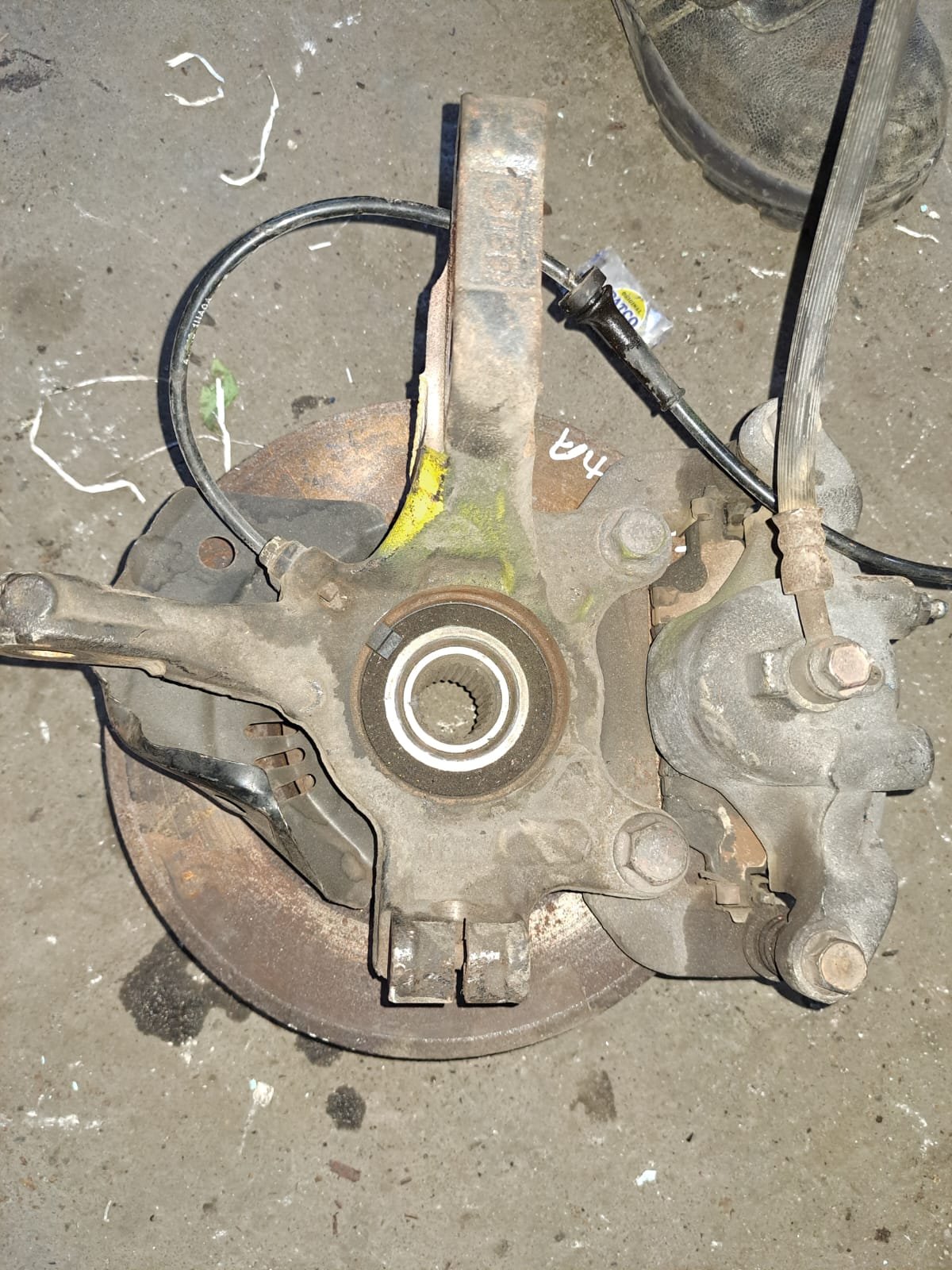
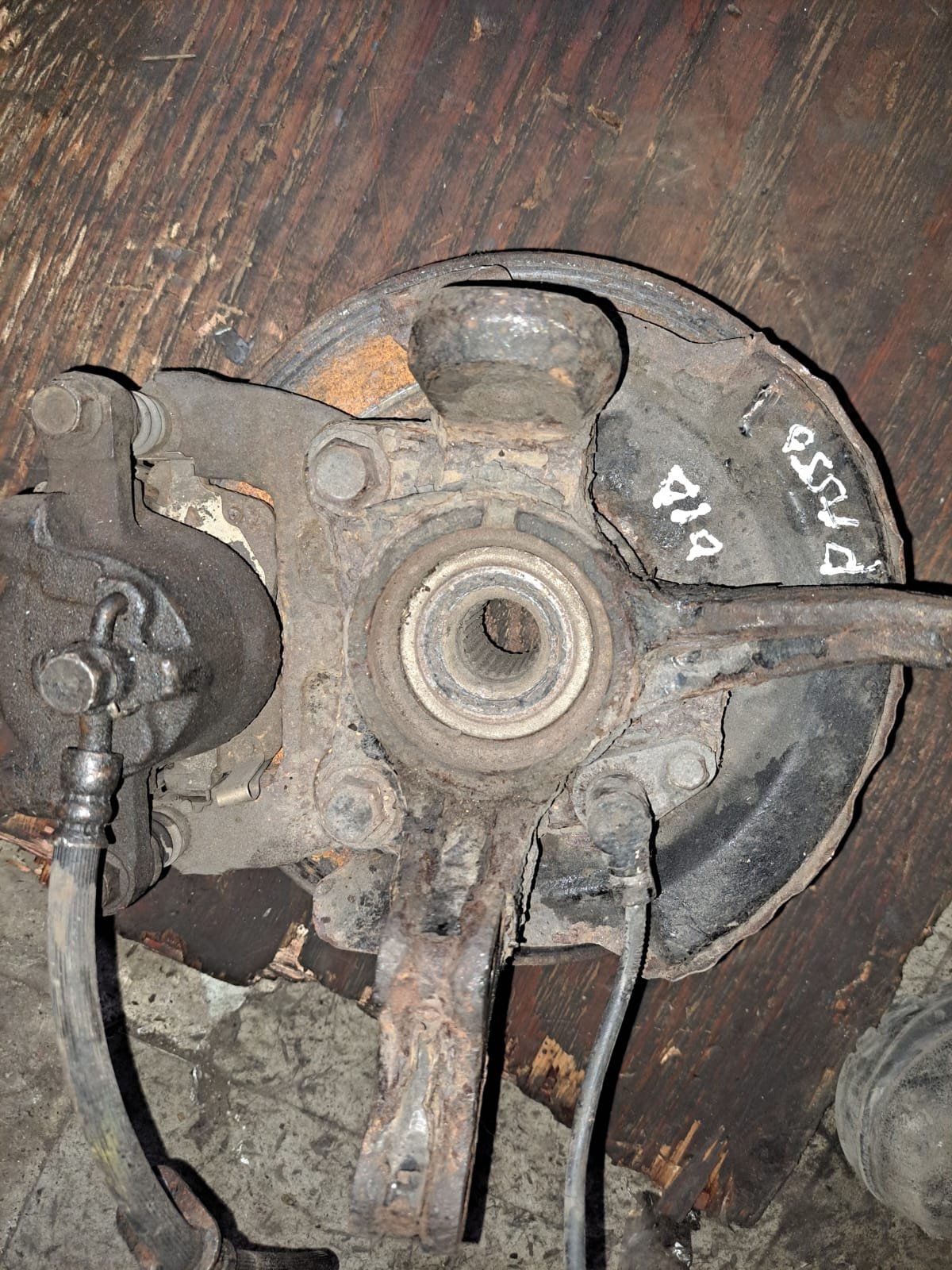
3. The “Subie Humming” (Wheel Bearings)

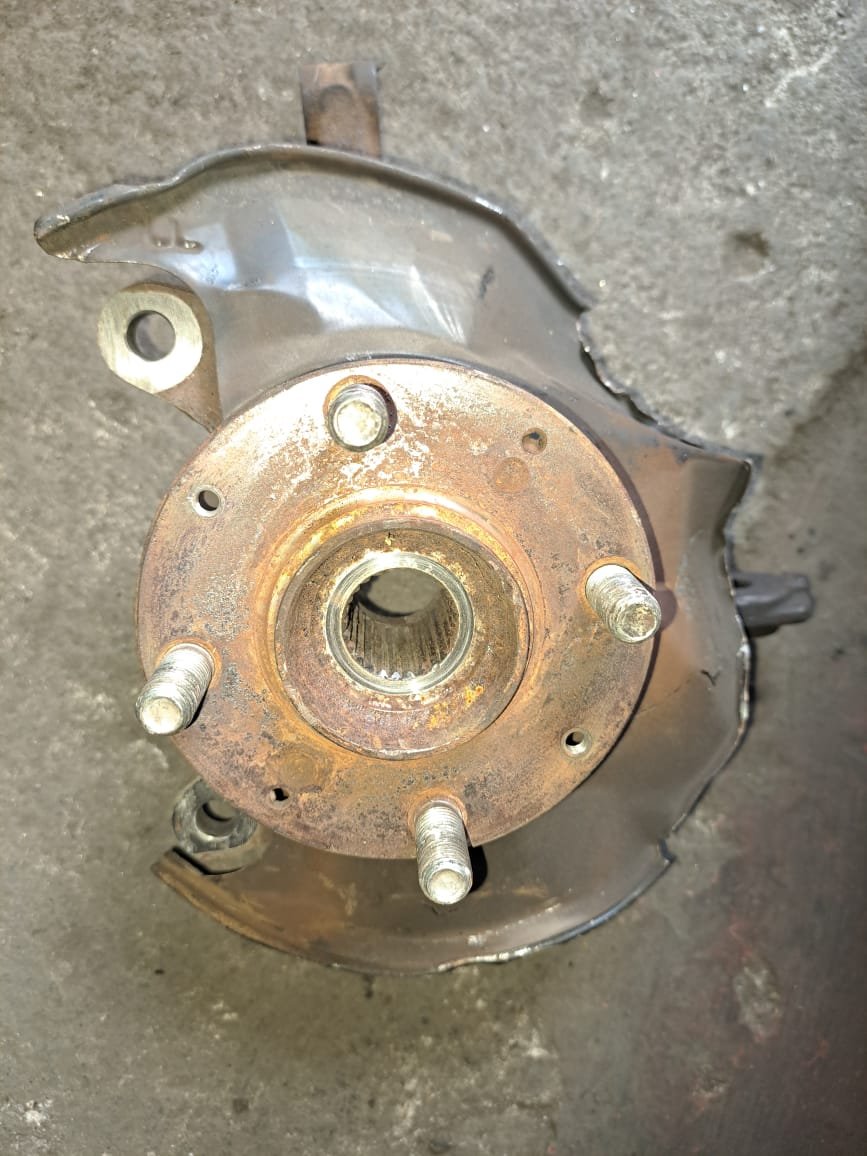
Foresters are notorious for eating wheel bearings, especially if you have upgraded to larger, heavier off-road tires.

  • The Sound: A low-pitched drone that gets louder as you speed up.
  • The Fix: We stock Genuine Ex-Japan Hub Assemblies and NSK/NTN Bearings. Always ensure your mechanic uses a proper press to install these; hammering them in will shorten their life to just a few weeks.

4. Transmission & AWD Care

The Symmetrical AWD system requires all four tires to be the same size and have similar tread wear. If you drive with one “donut” spare or mismatched tires for too long, you will damage the center differential.

  • Maintenance: Change your Gearbox/Differential oil every 40,000km to keep the AWD transfer smooth.

Summary: The Forester “Must-Have” Spares List

ComponentWhy it mattersTaleon Spares Recommendation
Air FilterBoxer engines need high airflow.Use Teson or Genuine Subaru filters.
Spark PlugsHard to reach; need long life.NGK Iridium (replace every 60k-100k km).
Rear ShocksPrevents the “sinking” look.KYB + HD Coil Spring Conversion.
Stabilizer BushingsStops the “clunking” on rough roads.High-density rubber bushings.

Conclusion: Keep the Adventure Going

A well-maintained Subaru Forester is one of the most capable vehicles on Kenyan roads. By staying ahead of its unique needs—especially its suspension and oil levels—you ensure that your Subie remains a reliable partner for years to come.
Top 5 Most Demanded Spare Parts for the Toyota Probox in Kenya

In the streets of Nairobi and on the highways of rural Kenya, the Toyota Probox (and its twin, the Toyota Succeed) is the king of utility. It is the backbone of the Kenyan economy, moving everything from crates of soda to farm produce.

But because the Probox is often pushed to its absolute limit—carrying heavy loads over uneven terrain—certain parts wear out faster than others. At Taleon Spares Kenya, we’ve tracked the data from our shop to find out exactly what Probox owners are buying most frequently.

If you own a Probox, these are the top 5 parts you should keep on your radar to ensure your “workhorse” never stops working.


1. Heavy-Duty Coil Springs (The “Sag” Solution)

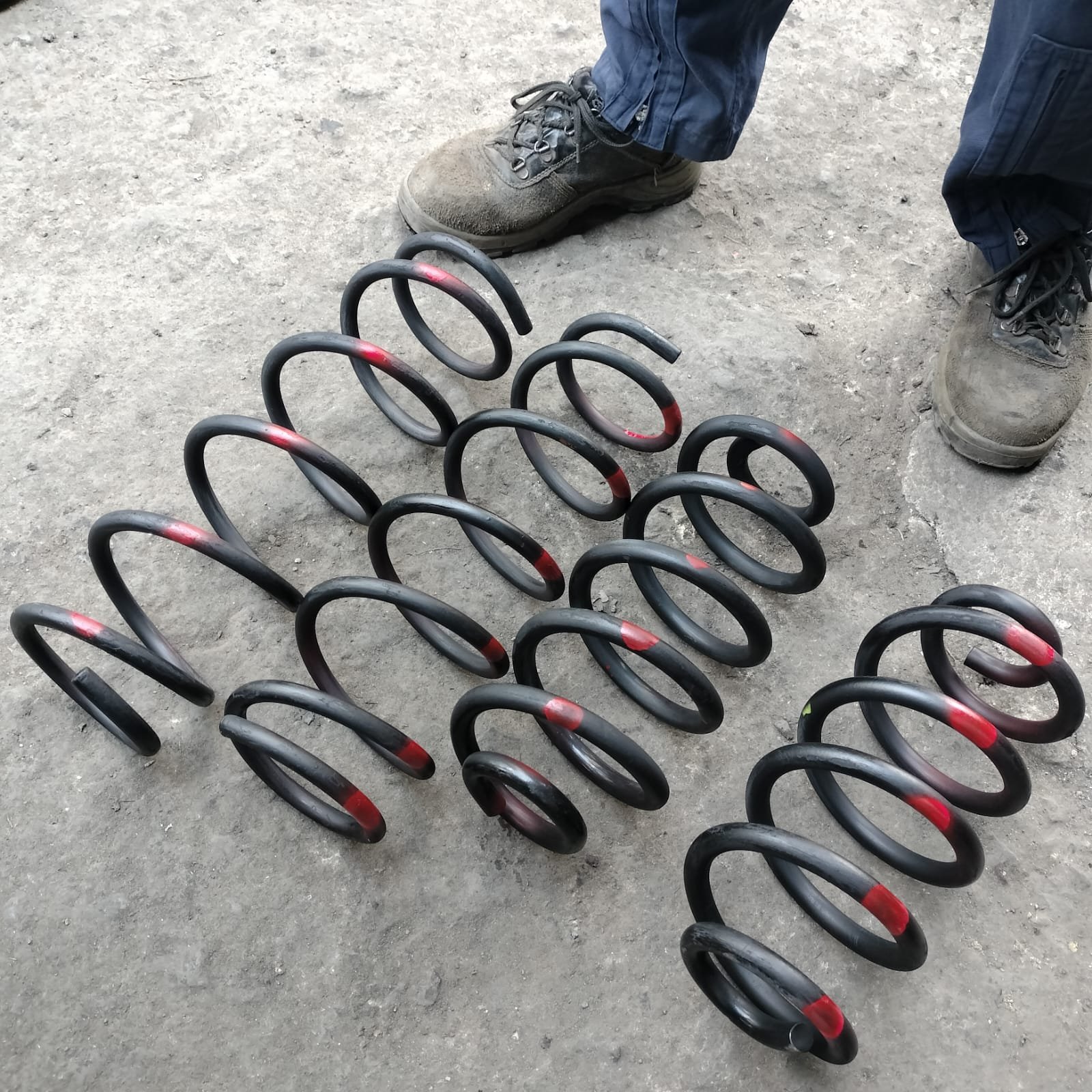
The standard Japanese coil springs on a Probox are designed for light city driving. However, in Kenya, the Probox is often used like a 1-ton pickup. After a few months of heavy loading, the rear of the car begins to “sag,” making it scrape on speed bumps.

  • Why it’s demanded: Probox owners need more ground clearance and better weight support.
  • The Taleon Solution: We stock Heavy-Duty Coil Springs (often in the signature black or red finishes) that are thicker than the original. They restore the ride height and prevent the car from “bottoming out” when fully loaded.

2. Front Big Arm Bushings (Part #48655-0D060)

The Probox suspension is simple but sturdy. However, the “Big Arm Bushing” (the rubber mount on the lower control arm) takes the brunt of every pothole impact.

  • The Symptom: If your Probox makes a thumping sound when you hit a bump or if the steering feels “loose” at high speeds, your bushings are likely torn.
  • The Demand: This is one of our fastest-moving items. At Taleon Spares, we provide both Genuine Toyota Bushings and high-quality Ex-Japan complete arms for those who want a long-lasting fix without the hassle of pressing in new rubber.

3. Shock Absorbers (The “Pothole Survivors”)

Running a Probox on Kenyan roads without healthy shocks is a recipe for disaster. Worn shocks lead to uneven tire wear and poor braking—a major safety risk for a loaded vehicle.

  • What owners look for: Reliability and value.
  • The Taleon Choice: Probox owners almost always ask for KYB (Part #3330107) or our Genuine Ex-Japan Strut Assemblies. Because we source directly from Japan, our shocks offer the original damping quality that “cheap” new aftermarket shocks simply can’t match.

4. Wheel Hub Bearings (The Silent Killers)

Do you hear a loud humming noise when driving above 60km/h? That’s the sound of a failing wheel bearing. Because the Probox is often driven for long hours, the grease in the bearings can dry out or be contaminated by dust and water.

  • The Part: Most Probox models (NCP50/NCP51/NSP160) use a sealed hub assembly.
  • Why it’s vital: A seized bearing can lock up a wheel while you are driving. We stock ABS-compatible hubs to ensure your braking system stays 100% functional.

5. Cooling System Parts (Radiators & Fans)

Overheating is the quickest way to kill a 1NZ-FE engine. Many Proboxes in Kenya have aged cooling systems where the plastic radiator tanks start to crack.

  • The High-Demand Spares: Probox Radiators, Thermostats, and Cooling Fan Motors.
  • The Tip: If you notice your temperature gauge rising even slightly while idling in Nairobi traffic, check your fan motor immediately. We carry Ex-Japan Radiators that are often much better than the thin, single-core “new” radiators sold elsewhere.

Summary: Probox Maintenance Checklist

Part NameRoleWhy it Fails in Kenya
HD Coil SpringsLoad SupportOverloading & High Speed Bumps
Arm BushingsStabilityConstant Pothole Impact
Shock AbsorbersSafety/ComfortHigh Mileage & Rough Roads
Wheel BearingsFrictionless RotationDust, Water, & Heavy Weight
RadiatorEngine CoolingPlastic Fatigue & Clogged Cores

Conclusion: Keep Your Business Moving

For a Probox owner, “Time is Money.” A day in the garage is a day of lost income. By using high-quality parts from Taleon Spares Kenya, you ensure that your repairs last longer and your car stays on the road.

Power Steering Fluid Leaks: Is it Your Rack or a Loose Hose?

One morning, you move your car from your parking spot and notice a small, reddish puddle on the ground near the front tires. You dip your finger in it—it’s oily and has a distinct smell. Your heart sinks because you know what it is: Power Steering Fluid.

A leak in your power steering system is more than just a mess on your driveway; it’s a safety hazard. If the fluid runs too low, your steering will become “heavy,” your pump will start to whine, and eventually, you could lose control of the car entirely.

But before you panic and assume you need an expensive new steering rack from Taleon Spares Kenya, you need to play detective. Not all leaks are created equal. In this guide, we help you identify if your leak is a simple hose fix or a major rack replacement.


1. How to Identify Power Steering Fluid

Before diagnosing the leak, ensure it’s actually power steering fluid.

  • Color: Usually red or pink (if using ATF/Dexron III) or clear/amber (if using specific European fluids).
  • Smell: It has a distinct “burnt marshmallow” or chemical smell.
  • Location: Usually found under the front of the engine, often slightly to the side where the reservoir or pump is located.

2. The Simple Culprit: A Loose or Cracked Hose

The power steering system relies on two main hoses:

  1. The High-Pressure Hose: This carries fluid from the pump to the steering rack. Because it’s under high pressure, it is the most common part to leak.
  2. The Return Hose: This carries fluid back to the reservoir.

How to check: Open your hood and look for the power steering pump. Follow the rubber lines. Do you see “sweating” or wetness around the metal clamps? Often, the rubber becomes brittle due to the heat of the Kenyan sun and starts to crack.

  • The Fix: If it’s just a hose, you’re in luck! Replacing a hose or tightening a clamp is a quick and affordable repair.

3. The Serious Culprit: The Steering Rack Seals

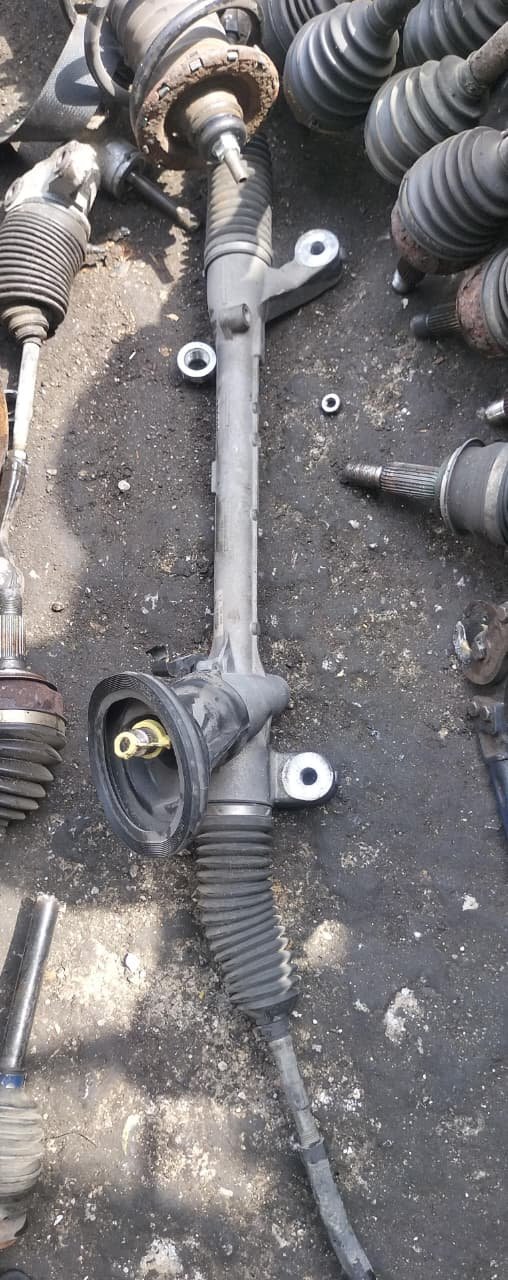
If the hoses look dry but you see fluid dripping from the ends of the steering rack (inside the rubber bellows or “boots”), you have a bigger problem.

Inside the steering rack are hydraulic seals. Over time, these seals wear out—especially if you frequent dusty roads in areas like Kajiado or Machakos. Once the seals fail, the fluid leaks into the rubber boots. When the boots get full, the fluid eventually spills out onto your driveway.

How to check: Ask your mechanic to squeeze the steering rack bellows. If they feel like they are full of liquid or if fluid squirts out when squeezed, your internal seals are gone.

  • The Fix: In this case, the rack usually needs to be replaced. At Taleon Spares, we recommend Ex-Japan Steering Racks because they offer the best balance of “original factory seals” and “affordable pricing.”

4. Don’t Forget the Power Steering Pump

Sometimes the leak isn’t from the rack or the hoses, but the pump itself. The pump has an internal shaft seal that can fail.

The “Whining” Sign: If your car makes a loud whining or screeching sound when you turn the steering wheel, your pump is either leaking or “sucking air.” If you ignore a leaking pump, it will eventually seize, which could cause your drive belt to snap—leaving you stranded.


5. Why “Stop-Leak” Fluids are a Bad Idea

Many Kenyan drivers try to fix leaks by pouring “Stop-Leak” additives into the reservoir. We strongly advise against this. These chemicals work by causing the rubber seals to swell up. While it might stop a leak for a week, it eventually makes the rubber “mushy” and causes all the other seals in the system to fail. It’s a “Jua Kali” fix that leads to a much more expensive repair later.


6. How Taleon Spares Can Help

Whether it’s a minor hose issue or a total rack failure, we have the parts to get you back on the road.

  • Ex-Japan Steering Racks: For Toyota, Nissan, Mazda, and Honda.
  • Power Steering Pumps: Genuine replacements that don’t whine.
  • Expert Advice: If you aren’t sure where the leak is coming from, call us! We can recommend a trusted technician to help you diagnose it.

Conclusion: Catch the Leak Early

A small leak today is a cheap fix. A dry system tomorrow is an expensive disaster. If you see spots on your driveway, check your reservoir levels immediately and look for the source of the drip.

Understanding Your Car’s Strut Assembly: Components and Maintenance Tips

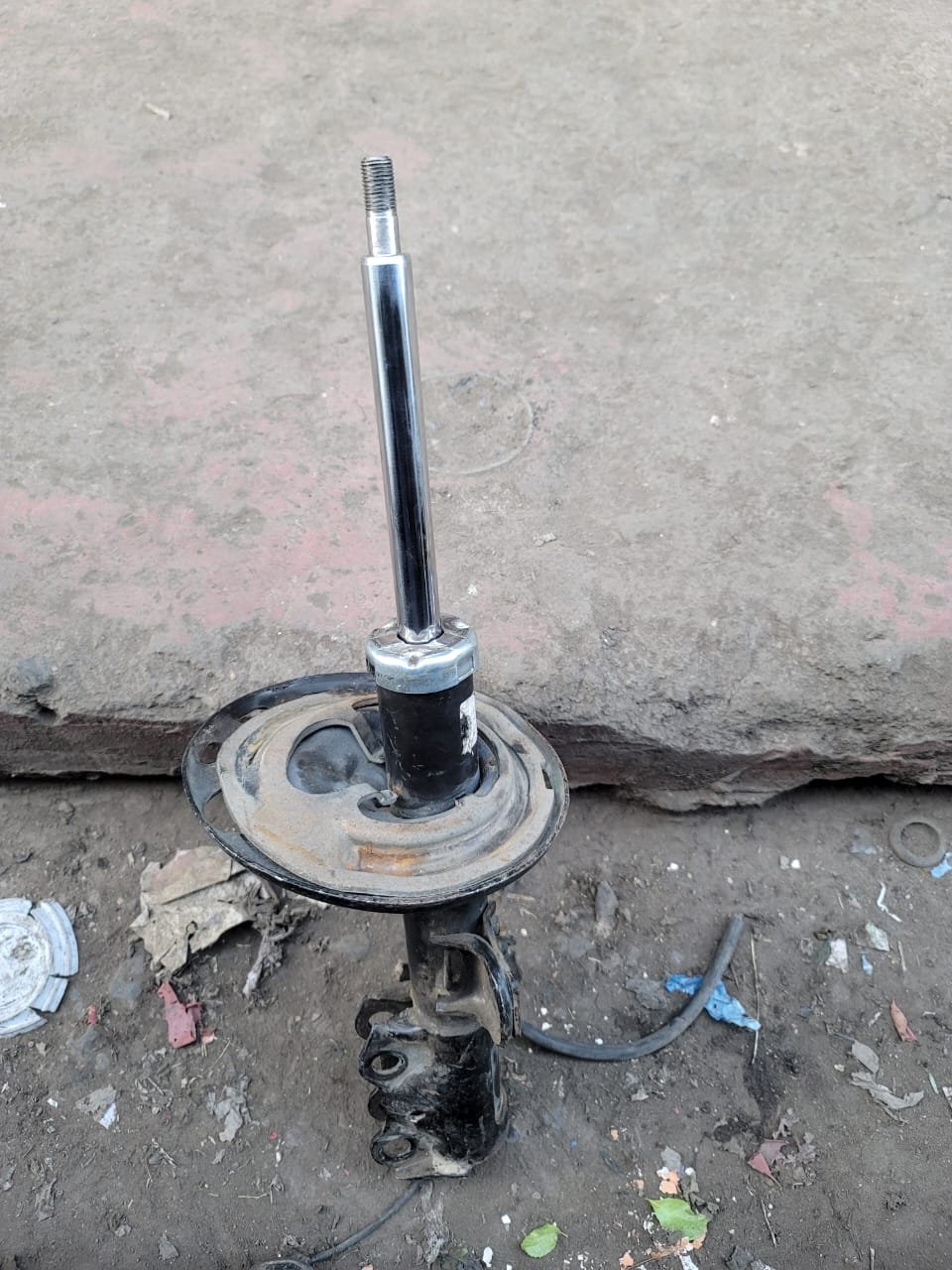
In the world of Kenyan car owners, the word “shock” is used for everything. But if you walk into Taleon Spares Kenya asking for a “shock” for your Toyota Fielder or Nissan Sylphy, you are likely looking for something much more complex: the Strut Assembly.

While a shock absorber is a simple part, a strut is a structural pillar of your car. It is a group of components working together to hold up your car’s weight and help you steer. If one part of this assembly fails, the whole car feels “off.”

In this guide, we’ll take the strut assembly apart (metaphorically) to show you what’s inside, why each piece matters, and how to maintain them to survive the rigors of Kenyan roads.


1. The Anatomy of a Strut: What’s Inside?

A strut assembly is like a multi-tool; it performs several jobs at once. Here are the key players:

A. The Strut Cartridge (The Damper)

This is the “heart” of the assembly. It’s a cylinder filled with hydraulic oil (and sometimes nitrogen gas) that controls the bounce. When you hit a bump on the bypass, this cartridge slows down the spring’s movement.

B. The Coil Spring

The spring supports the 1,000+ kilograms of your car. It determines your ride height. At Taleon Spares, we often see springs that have “sagged” over time, making the car sit too low and scrape on speed bumps.

C. The Strut Mount and Bearing

This is the connection point between the strut and your car’s body. In the front of your car, the strut must rotate when you turn the steering wheel. The strut bearing allows this rotation to happen smoothly.

  • The Taleon Tip: If you hear a “boing” or “clunk” sound specifically when turning the steering wheel while parked, your strut bearing is likely seized.

D. The Protection Boot and Bumper

These are often ignored but are vital for Kenya. The dust boot protects the shiny piston rod from Nairobi’s red dust. The jounce bumper (bump stop) acts as a cushion to prevent metal-on-metal contact if you hit a massive pothole and the suspension “bottoms out.”


2. Why Struts are More Critical Than Simple Shocks

In many older cars or heavy SUVs, the spring and the shock are separate. But in modern Japanese cars (like the Mazda Demio or Honda Fit), the strut is a MacPherson design.

This means the strut actually replaces the upper control arm. It is a structural part of the steering system. If your strut is bent or the mount is worn, your wheel alignment will be impossible to fix. This is why a bad strut doesn’t just make the ride bumpy—it makes the car “pull” to one side and destroys your tires.


3. Maintenance Tips for the Kenyan Driver

Because struts are expensive to replace, maintenance is the key to saving money.

Keep it Clean

Nairobi dust and mud from up-country trips can get trapped under the dust boot. This grit acts like sandpaper, scratching the internal seals and causing oil leaks. Every time you go for a “high-pressure” car wash, ask them to spray the mud out from behind the wheels.

Inspect the “Rubber Parts”

Don’t wait for the metal to fail. Every 10,000km (or during your oil change), have your mechanic check the strut mount for cracks. A cracked mount allows the strut to move around, which eventually ruins the expensive internal cartridge.

Replace in Pairs

At Taleon Spares Kenya, we always recommend replacing struts in pairs (Front Left and Front Right). If you only replace one, the car will be “lopsided.” The new, stiff strut will handle differently than the old, soft one, which can cause the car to skid during emergency braking.


4. When to Choose a “Complete Strut Assembly”

Sometimes, instead of buying just the “cartridge,” it’s smarter to buy a Complete Strut Assembly (often called a “Quick Strut” or “Ex-Japan Complete”).

Why buy the complete unit from Taleon Spares?

  1. Safety: You get a fresh spring and a fresh mount.
  2. Labor Savings: Your mechanic just has to bolt it in (30 mins) rather than using a dangerous spring compressor to take the old one apart (2 hours).
  3. Performance: Everything is factory-balanced.

Conclusion: The Pillar of Your Car’s Safety

Your struts are doing a heavy job every single second you are on the road. By understanding how they work, you can spot the early signs of failure—like a torn dust boot or a noisy bearing—before they turn into a 50,000 KES repair bill.

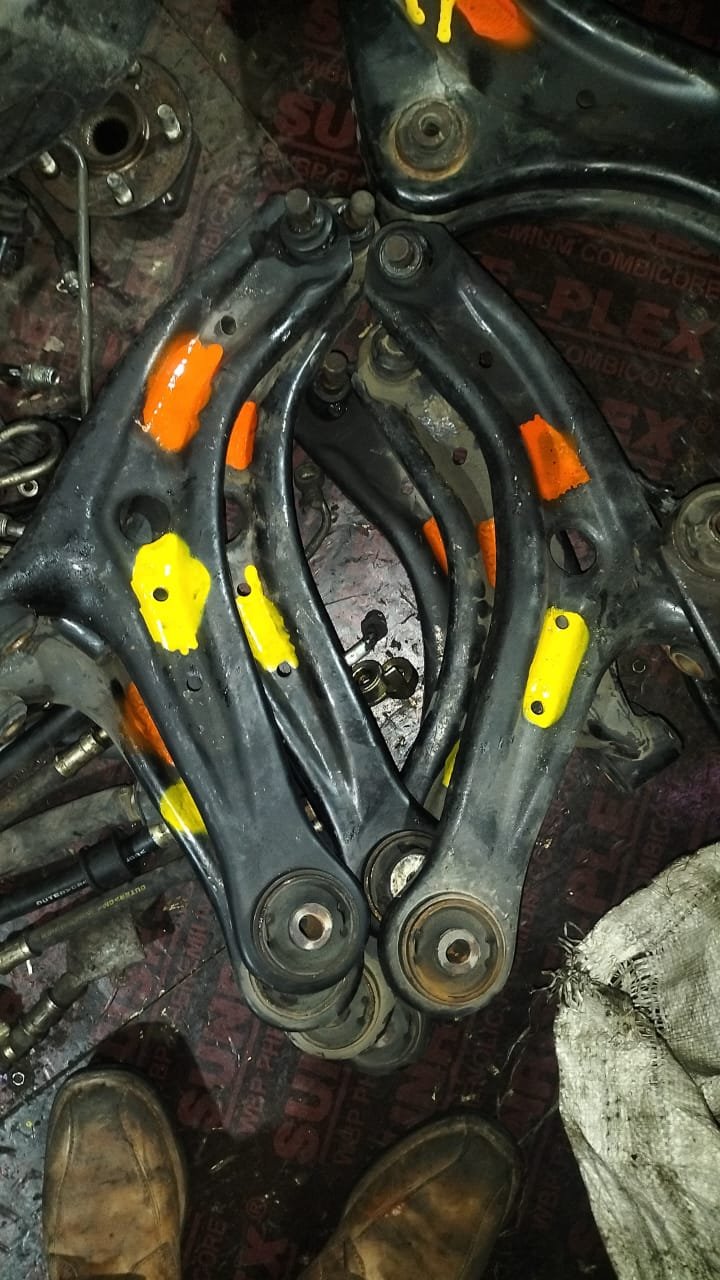
The Ultimate Guide to Lower Control Arms: When to Replace vs. Repair

If you’ve ever felt your steering wheel “pull” to one side, or heard a mysterious clunk when you hit a pothole in Nairobi, you’ve likely encountered a problem with your Lower Control Arms.

For many Kenyan drivers, the suspension system is a bit of a mystery. We know about shocks and tires, but the control arms are the “skeleton” that holds everything together. At Taleon Spares Kenya, we get asked every day: “Do I need to buy the whole arm, or can I just change the rubber bushes?”

In this comprehensive guide, we break down everything you need to know about lower control arms, the dangers of “pressing” new bushes, and why Ex-Japan complete arms are often the smartest investment for your car’s longevity.


1. What Exactly is a Lower Control Arm?

Think of the control arm as the “hinge” that connects your car’s wheels to its frame.

  • The Job: It allows the wheels to move up and down (when you hit a bump) while preventing them from moving forward or backward.
  • The Components: A standard control arm has three critical points:
    1. The Inner Bushings: Rubber mounts that attach to the car’s chassis.
    2. The Ball Joint: A pivot point that attaches to the wheel hub (allowing the wheel to turn).
    3. The Metal Body: The solid “A-frame” or “L-frame” that holds it all together.

When any of these three parts fail, your steering becomes “loose,” your tires wear out prematurely, and your car becomes dangerous to drive at high speeds on the highway.


2. Signs Your Control Arms are Failing

How do you know it’s time to visit the Taleon Spares shop? Watch out for these four red flags:

A. The “Clunk” on Take-off or Braking

When you shift from ‘Park’ to ‘Drive’ and press the gas, do you hear a single thud? Or when you brake suddenly, does it feel like the wheel “shifts” forward? This is usually because the control arm bushings are torn, allowing the metal arm to hit the frame.

B. Steering Wheel Vibration

If your steering wheel shakes at 80km/h (but your wheels are balanced), your control arm bushings might be so worn that they are no longer absorbing road vibrations.

C. Wandering Steering

Does your car feel “darty”? If you’re driving straight but the car keeps pulling left or right—requiring constant correction—your control arms are likely out of alignment due to wear.

D. Uneven Tire Wear

Check the inner edge of your front tires. If the inside is wearing down faster than the outside, your control arm is likely “sagging,” which throws off your wheel’s camber.


3. The Big Debate: Replace the Bushings or the Whole Arm?

This is the most common question at our Kirinyaga Road shop. In Kenya, many roadside “fundis” will suggest just buying new rubber bushes and “pressing” them into your old metal arms using a hydraulic press.

Here is why Taleon Spares usually recommends replacing the COMPLETE arm:

FeatureReplacing Only BushingsReplacing Complete Arm (Ex-Japan/New)
CostCheaper upfront.Higher initial cost.
LaborHigh (requires pressing/fitting).Low (simple bolt-on).
SafetyBall joint remains old/used.New/Healthy Ball Joint included.
Longevity3–6 months on Kenyan roads.2+ years of reliability.
IntegrityPressing can weaken the metal eyelet.Factory-sealed integrity.

The Risk of the Ball Joint: Even if you replace the rubber bushes, your Ball Joint (which is permanently attached to the arm in many models like the Mazda Demio or Toyota Vitz) might be ready to fail. If a ball joint snaps while you are driving, the wheel will literally fold under the car.


4. Why Ex-Japan Control Arms are a “Sweet Spot” for Value

At Taleon Spares Kenya, we specialize in Ex-Japan Lower Control Arms. These are original equipment (OEM) parts salvaged from vehicles in Japan.

  • Better Metal: Original Toyota or Mazda metal is much stronger than cheap “aftermarket” arms made of thin steel.
  • Factory-Pressed Bushes: The rubber in an Ex-Japan arm was installed by a robot in a factory, not by a hand-press in a local garage. This means it will last much longer under the stress of Nairobi potholes.
  • Cost-Effective: You get the quality of a 40,000 KES “New Original” arm for a fraction of the price.

5. Specific Advice for Popular Kenyan Models

Toyota Allion / Premio / Fielder (ZRT260/ZRE142)

These cars are the kings of the road, but they are heavy. The rear bushing on the front control arm is a famous “weak point.” If you feel a “jerk” when you brake, it’s time to check these.

Mazda Demio (DE/DJ)

The Demio has a very lightweight suspension. Using heavy, poor-quality aftermarket arms can make the ride feel harsh. We recommend our Ex-Japan Mazda Arms to keep that “zoom-zoom” handling smooth.

Nissan Note (E11/E12)

Nissan suspension components are sensitive. If you replace the arm, always ensure you check the Stabilizer Links at the same time, as they usually wear out together.


6. Maintenance Tip: The “Post-Replacement” Alignment

Never—and we mean never—replace a control arm without going for 3D Wheel Alignment immediately after.

Because the control arm sets the position of the wheel, a new arm will slightly change your “Toe” and “Camber” settings. If you skip alignment, you will ruin a brand-new set of tires in less than a month.


Conclusion: Don’t Compromise on Steering

Your control arms are what keep you connected to the road. If you suspect yours are failing, don’t wait for a “wheel-off” accident.

Visit Taleon Spares Kenya today. We have a massive stock of Lower Control Arms for all Japanese models, including:

  • Toyota (Vitz, Passo, IST, Wish, Noah)
  • Nissan (Tiida, Sylphy, Serena, Dualis)
  • Honda (Fit, Stream, Airwave)

Signs Your Car Suspension is Failing and How to Fix It

In Kenya, your car’s suspension system isn’t just a comfort feature; it’s a survival tool. Whether you are navigating the deep potholes of Nairobi’s industrial area or the high speed bumps of the Southern Bypass, your shocks, struts, and springs are constantly under attack.

At Taleon Autospares, we see many drivers ignore the early warning signs of suspension failure, only to face much higher repair bills later. In this guide, we’ll show you how to identify a failing suspension and, more importantly, how to fix it correctly using quality parts like our Toyota Axio 161 Heavy Duty Springs.


1. The Most Common Warning Signs

Your car usually tells you when something is wrong. You just need to know how to listen and look.

A. The “Rough Ride” (Feeling Every Pebble)

If your car has started feeling like a “mkokoteni” (handcart), where you feel every tiny bump on the road, your shock absorbers or struts are likely worn out. Their job is to dampen the impact; when they fail, the energy goes directly into the car’s chassis—and your back.

B. Drifting or Pulling During Turns

When your suspension system is failing, you’ll feel the car “sway” or pull to one side during cornering. This is dangerous because it increases the risk of a rollover, especially in higher-profile vehicles. It usually indicates that a shock absorber is no longer keeping the vehicle stable against centrifugal force.

C. The “Nose Dive” When Braking

Do you notice the front of your car dipping sharply toward the ground when you apply the brakes? This is known as “nose-diving.” It’s a classic sign of blown front shocks. Not only does this feel unstable, but it can actually increase your stopping distance by up to 20%.

D. Uneven Tire Wear

Check your tires. If you see bald spots or if one side of the tread is wearing down faster than the other, your suspension isn’t holding the car evenly. This is often caused by sagging springs or worn control arm bushings that have thrown your wheel alignment out of balance.


2. The “Bounce Test”: How to Check at Home

You don’t need a mechanic to do a basic health check.

  1. With the car parked on flat ground, go to the front corner and push down on the hood with all your weight.
  2. Release it and watch.
  3. If the car bounces more than 2 or 3 times before settling, your shocks are “shot” and need replacement.

3. The “Kenyan Fix”: Why Heavy-Duty is the Answer

Many Kenyan drivers make the mistake of replacing worn parts with standard-spec replacements. While these work in Japan, they often fail quickly on Kenyan roads.

The Heavy-Duty Advantage

At Taleon Autospares, we recommend Heavy-Duty Coil Springs (especially for the Toyota Axio 161).

  • Ground Clearance: Standard springs sag over time. Our HD springs (KSh 10,000) restore your ride height so you can clear those “Mount Kenya” speed bumps without scraping.
  • Better Load Carrying: If you frequently carry passengers or goods, heavy-duty springs prevent the car from “bottoming out” (metal hitting metal), which protects your axle and shocks.

4. How to Fix Your Suspension (The Right Way)

Fixing a suspension isn’t just about replacing one part; it’s about restoring the “geometry” of the car.

Step 1: Replace in Pairs

Never replace just one shock or one spring. If the left one is worn, the right one isn’t far behind. Replacing them in pairs ensures balanced handling and even tire wear.

Step 2: Check the “Small” Parts

While changing springs, always inspect your Stabilizer Links, Ball Joints, and Bushings. These small rubber and metal parts are often the source of those annoying “clunking” noises.

Step 3: Get an Alignment

Any time you touch the suspension—especially when installing our Toyota Axio Heavy Duty Springs—you MUST get a professional wheel alignment. This ensures your steering is straight and your new tires don’t wear out in a month.


5. Why Trust Taleon Autospares for Your Suspension?

We are Nairobi’s suspension specialists.

  • Model Specific: We have dedicated kits for the Nissan Note E11 and Toyota Axio 161.
  • Price Transparency: We offer the best value in Kenya, with Axio HD springs at KSh 10,000 and Nissan Note discs at KSh 3,000.
  • Expertise: We don’t just sell you a part; we give you the “Ex-Japan” quality that lasts.

Conclusion: Safety First

A bad suspension is more than an uncomfortable ride—it’s a safety hazard. It affects your braking, your steering, and your tire life. Don’t wait until you’re stranded on the highway.

Where to Find Reliable Nissan X-Trail T31 Parts in Nairobi

The Nissan X-Trail T31 (2007–2013) is a legend of the Kenyan landscape. Whether it’s tackling the muddy tracks of Maasai Mara or cruising the highways to Kisumu, the T31 offers a blend of comfort and 4WD capability that few cars in its class can match.

However, as the T31 ages, its sophisticated systems—from the CVT transmission to the all-mode 4×4-i system—demand high-quality parts. Using “jua kali” spares on a T31 isn’t just a bad idea; it’s a recipe for a breakdown in the middle of nowhere.

At Taleon Autospares, we have become the go-to destination for T31 owners. Here is your guide to finding the most reliable parts in Nairobi.


1. Suspension: The T31’s “Heel”

The T31 is a heavy car, and Kenyan potholes are unforgiving. The most common mechanical complaint for T31 owners is a “knocking” sound from the front end.

  • The Culprits: Usually Anti-Roll Bar Links or Stabilizer Bushings.
  • The Taleon Solution: We stock genuine KYB Front Shocks (approx. KSh 12,500) and Heavy-Duty Stabilizer Links that are built to handle the extra weight of an SUV.
  • Expert Tip: If you feel a vibration at high speeds, check your Front Control Arm Bushings. We provide reinforced rubber bushes that last twice as long as generic plastic alternatives.

2. Braking Power for a Heavy SUV

Stopping a fully-loaded X-Trail requires significant friction. Cheap brake pads will fade (lose grip) halfway down the Mai Mahiu escarpment.

  • The Part: Vented Front Brake Discs and High-Temperature Pads.
  • Availability: We carry T31-specific front brake pads starting from KSh 3,500.
  • Check the Hubs: T31s are known for front wheel bearing wear. If you hear a “humming” sound that gets louder with speed, it’s time to visit Taleon for a new Wheel Hub Assembly.

3. The CVT Transmission: Non-Negotiable Quality

The T31 uses a Continuously Variable Transmission (CVT) that is world-class if maintained correctly.

  • The Fluid: You MUST use Nissan NS-2 or NS-3 CVT Fluid. Using standard ATF will destroy the metal belt inside the gearbox, leading to a KSh 150,000 replacement bill.
  • The Filter: We stock the Internal Gearbox Filter (Strainer). Most mechanics forget this, but at Taleon, we ensure you have the full kit to keep your transmission smooth.

4. Engine Health: Sensors and Cooling

The T31 (especially the MR20DE and QR25DE engines) relies on precise electronic signals.

  • The Sensors: Camshaft and Crankshaft sensors are common failure points that cause the car to stall. We recommend Ex-Japan Genuine Sensors for 100% reliability.
  • Cooling: Don’t let your X-Trail overheat. We stock T31-specific Radiators (KSh 12,000) and genuine Nissan Radiator Caps to keep your engine running cool in the Kenyan sun.

5. Body Parts and Aesthetics

Being an SUV, the T31 often sees some “rough and tumble.”

  • Headlights: We stock Ex-Japan Xenon and Halogen Headlights (starting from KSh 35,000 for Xenon units) that are much clearer than faded local ones.
  • Mirrors: T31 side mirrors are large and often get clipped by boda-bodas. We have clean Ex-Japan Side Mirrors in various colors ready for a direct swap.

Why Buy T31 Parts from Taleon Autospares?

We are located on Kirinyaga Road, Nairobi, right in the heart of the auto-parts hub.

  • Specialized Knowledge: We know the T31 inside out—from the sunroof seals to the rear diff mounts.
  • Ex-Japan Advantage: For major components like Driveshafts (KSh 15,000) or Alternators, our Ex-Japan stock offers the best balance of quality and price.
  • Trust: Our customers call us “the efficient and reliable plug” because we verify every part number before you pay.

Conclusion: Keep Your Adventure Alive

Your Nissan X-Trail T31 was built for adventure. Don’t let substandard parts keep it in the garage. By sourcing your spares from a trusted specialist like Taleon Autospares Kenya, you ensure that your car remains as capable as the day it arrived from Japan.

Your Checklist for Buying Genuine Replacement Parts for the Toyota Axio 161

The Toyota Axio 161 is a marvel of Japanese engineering—efficient, reliable, and surprisingly spacious. Since its introduction in 2012, it has become a staple for Kenyan professionals and ride-share partners alike. However, because the 161 is so popular, the market is flooded with parts of varying quality.

Buying the wrong part for your Axio 161 doesn’t just waste money; it can compromise the safety features of this modern sedan. At Taleon Autospares, we’ve compiled the ultimate buyer’s checklist to ensure you get the right part, the first time.


1. Verify Your Engine and Chassis Code

Before you call any spare parts shop, you must know your specific 161 sub-model. The parts for a Hybrid Axio are often different from the standard petrol version.

  • DBA-NZE161: The standard 1.5L petrol (1NZ-FE engine).
  • DAA-NKE165: The Hybrid version.
  • DBA-NRE161: The 1.3L petrol version.
  • Taleon Tip: Always have your Chassis Number (VIN) ready. It’s located on the silver plate under the hood or on the door pillar. This ensures we give you the exact sensor or suspension bush for your specific year.

2. Suspension: Don’t Settle for “Universal” Fits

The Axio 161 has a sensitive electric power steering system and MacPherson strut front suspension.

  • Check for: Specific part numbers for the 161 series. Many sellers try to push Axio 141 shocks onto 161 owners. While they might “bolt on,” the damping rates are different, leading to a bouncy ride.
  • The “Heavy-Duty” Must: If you’re tired of your Axio scraping its belly on speed bumps, your checklist should include Heavy-Duty Coil Springs. At Taleon, our KSh 10,000 sets are a top seller for 161 owners looking for that extra ground clearance.

3. Braking System: Inspect the Rotors

Modern Axios use high-efficiency braking systems. When buying replacement discs:

  • Check the Diameter: Ensure the rotor diameter matches your OEM specs.
  • Look for Vented Discs: The 161 front discs should be vented to prevent overheating during heavy traffic or long descents.
  • Price Guide: Expect to pay around KSh 3,000 – KSh 4,500 for quality front discs at Taleon Autospares.

4. Electronics and Sensors

The 161 is a “smart” car. It uses a range of sensors (MAF, Oxygen, ABS) that communicate with the ECU.

  • Avoid Generic Sensors: Cheap, unbranded sensors often send “lazy” signals, causing your Axio to consume more fuel or show a persistent “Check Engine” light.
  • Ex-Japan Advantage: For electricals like Pedal Sensors (approx. KSh 4,000) or Side Mirrors, we recommend Genuine Ex-Japan parts. They are original Toyota components that sync perfectly with your car’s wiring.

5. Filtration: The 1NZ-FE Engine’s Best Friend

Your Axio’s engine thrives on clean air and oil.

  • Oil Filter: Must have a high-quality bypass valve.
  • Air Filter: Don’t just buy the cheapest KSh 500 filter. A poor filter lets micro-dust into the cylinders, leading to “oil burning” over time.
  • Cabin Filter: Located behind the glovebox, this is essential for keeping the Nairobi dust out of your A/C system.

6. Body Parts: The Fitment Test

If you’ve been in a fender-bender, you’ll need body panels.

  • Check the Gaps: Cheap “copy” bumpers often leave wide gaps near the headlights.
  • Taleon Solution: We stock Ex-Japan Axio 161 Nosecuts and Headlights (starting from KSh 30,000 for non-xenon). These fit perfectly because they are original Toyota panels.

Buyer’s Summary Table

ComponentWhat to Look ForTaleon Recommendation
BrakesVented, High-Carbon SteelNew Premium Discs (KSh 3,000+)
SuspensionReinforced for 161 ChassisHeavy-Duty Springs (KSh 10,000)
SensorsOEM Denso/Toyota BrandingGenuine Ex-Japan
Body PartsCorrect Year/Facelift ModelEx-Japan Nosecuts

Conclusion: Shop with Confidence at Taleon

The Toyota Axio 161 is an investment. Don’t ruin it by playing “guessing games” with your spare parts. Use this checklist every time you visit a shop, or better yet, come straight to the experts.

At Taleon Autospares, we don’t just sell parts; we provide the exact match for your 161, ensuring your car stays on the road longer and holds its resale value.

The Cost of Cheap Spares: Why Genuine Nissan Parts Save You Money

In the world of Nairobi’s spare parts markets, there is a phrase every driver hears: “iko na bei ya chini” (it has a low price). For a Nissan Note E11 owner, the temptation to save KSh 1,500 on a set of brake pads or KSh 2,000 on a fuel pump is high. But at Taleon Autospares, we’ve seen these “savings” turn into expensive mechanical nightmares just weeks later.

There is a famous saying: “I am too poor to buy cheap things.” In this guide, we break down the true cost of cheap spares and why investing in genuine or high-quality Ex-Japan parts is the only way to actually save money in Kenya.


1. The “False Economy” of Initial Savings

Let’s look at a real-world example we see every day at our shop on Kirinyaga Road.

  • The Cheap Option: You buy a “no-name” generic brake disc for KSh 1,800. It looks identical to the original. You feel like a genius for saving money.
  • The Reality: Within three months of driving in Nairobi’s heat and dust, that cheap metal warps. Now your steering wheel vibrates every time you touch the brakes. Even worse, the poor-quality metal has ground down your brake pads 50% faster than normal.
  • The Taleon Option: You buy a high-quality Nissan Note E11 Brake Disc from Taleon for KSh 3,000. It lasts for years, preserves your brake pads, and provides a smooth, safe stop every time.

The Result: You end up buying the cheap part twice plus paying the mechanic twice. The “expensive” part was actually cheaper.


2. The Chain Reaction of Failure

Cars are complex systems. One low-quality part doesn’t just fail on its own; it often takes down more expensive components with it.

  • Cooling System: A cheap, non-genuine radiator cap might fail to release pressure correctly. This small, KSh 500 part can cause your radiator to burst or, worse, lead to a blown head gasket. Now, your KSh 500 “saving” has led to a KSh 70,000 engine overhaul.
  • Suspension: Using low-grade bushings or weak coil springs puts extra stress on your shock absorbers and tires. You might save money on the spring, but you’ll be buying new tires much sooner because of uneven wear.

3. Fuel Efficiency: The Hidden Daily Cost

Did you know that “cheap” engine parts can actually increase your weekly petrol bill?

  • Filters: A genuine Nissan air filter is designed for a specific airflow. Cheap filters are often too restrictive or let in too much dust. This confuses the engine’s sensors, leading to a “rich” fuel mixture.
  • Spark Plugs: Using standard plugs when your Nissan Note requires Iridium/Platinum plugs results in poor combustion. You might save KSh 2,000 at the shop, but you’ll spend an extra KSh 500 every time you go to the petrol station.

4. Resale Value: Protecting Your Investment

The Kenyan used car market is very savvy. When it comes time to sell your Nissan Note or Toyota Axio, a potential buyer will bring a mechanic.

  • If that mechanic sees a “jua kali” (improvised) repair or poor-quality aftermarket parts, the buyer will use it as a reason to slash your price by KSh 50,000 or more.
  • A car maintained with parts from Taleon Autospares—where we prioritize genuine and clean Ex-Japan quality—retains its value because the buyer knows the car is reliable.

5. Safety: The Price You Can’t Calculate

You can replace an engine, but you can’t replace a life. Cheap brake pads and discs have a much higher “brake fade” rate. This means that during an emergency stop on the highway, a cheap part might need an extra 5 meters to stop the car. In an accident, those 5 meters are the difference between a close call and a tragedy.


6. Why Taleon Autospares is the “Value King”

At Taleon, we don’t believe “Genuine” has to mean “Unaffordable.” We bridge the gap for the Kenyan driver:

  • Verified Quality: We stock parts that we know work for our local climate and roads.
  • Clean Ex-Japan Stock: This is the ultimate “hack” for the budget-conscious driver. You get a genuine Japanese-made part for a fraction of the showroom price.
  • Honesty First: If you are on a tight budget, we will show you the best high-quality aftermarket option that is safe, rather than selling you a dangerous “fake” just to make a sale.

Conclusion: Stop Paying Twice

Next time you are offered a part that is “unbelievably cheap,” remember that you are likely paying for it in future repairs, higher fuel costs, and reduced safety.

Make the smart choice for your wallet and your car. Visit Taleon Autospares Kenya for parts that are built to last. Whether it’s E11 Brake Discs or Axio 161 Suspension, we provide the quality that saves you money in the long run.

Why Taleon Autospares is the Best Plug for Toyota Axio Parts in Kenya

The Toyota Axio 161 has taken the Kenyan market by storm. Whether it’s the sleek DBA-NZE161 or the fuel-sipping NKE165 Hybrid, the Axio 161 series is the preferred choice for Uber partners, corporate professionals, and families alike. But as any Axio owner knows, the secret to keeping this car “Japanese-smooth” on Kenyan roads isn’t just regular service—it’s knowing exactly where to get your parts.

At Taleon Autospares, we have spent years specializing in the 161 series. Here is why thousands of Axio owners across Nairobi and Kenya trust us as their primary spare parts partner.


1. We Understand the “Kenyan Road” Challenge

The Toyota Axio 161 was designed for the glass-smooth highways of Tokyo, not the “moon craters” or high speed bumps often found on our local roads. This is where most generic spare part shops fail—they sell you standard parts that aren’t built for our environment.

The Heavy-Duty Specialist

At Taleon, we don’t just sell standard springs. We are famous for our Axio 161 Heavy-Duty Coil Springs (KSh 10,000).

  • Increased Ground Clearance: Our springs are reinforced to give your Axio the lift it needs to navigate speed bumps without that painful “scraping” sound.
  • Load Support: If you carry passengers or luggage, our heavy-duty suspension ensures the car doesn’t sag, protecting your shocks and exhaust system.

2. Direct Access to Clean Ex-Japan Stock

Why buy a brand-new “copy” part when you can have a genuine part made by Toyota Japan? At Taleon Autospares, we are a leading importer of Ex-Japan spares located on Kirinyaga Road.

  • Originality Guaranteed: Our Ex-Japan parts are salvaged from low-mileage vehicles in Japan. This means you get the same quality as a showroom part at a fraction of the cost.
  • Tested Electronics: From Axio 161 ECU modules to side mirrors and sensors, our Ex-Japan electricals are tested before they ever reach our shelves.

3. Expertise in the 161 Model Series

Many shops sell “Toyota Parts,” but they don’t know the difference between an Axio 141 and a 161. At Taleon, we know the specifics:

  • We know that the NZE161 (1.5L) requires different engine mountings than the NRE161 (1.3L).
  • We stock the specific CVT fluids and filters that the Axio 161 gearbox demands to prevent expensive transmission failure.
  • We carry the 161 Nosecuts and body panels that fit perfectly without the wide gaps seen with cheap aftermarket bumpers.

4. Transparent Pricing: No “Nairobi Broker” Hidden Costs

We’ve all been there—walking through Kirinyaga Road being followed by “brokers” who inflate prices. When you deal with Taleon Autospares, you deal with us directly.

  • Fixed, Fair Rates: Our prices, like the KSh 10,000 Heavy Duty Springs, are transparent. No “guessing” based on what car you drive.
  • Value for Money: We focus on the total cost of ownership. A part from Taleon lasts longer, meaning you spend less time at the mechanic and more time on the road.

5. Location and Convenience

Conveniently located near the Shell Petrol Station on Kirinyaga Road, we are at the heart of Nairobi’s automotive hub.

  • Countrywide Delivery: Not in Nairobi? No problem. We send parts via reliable couriers to Kisumu, Mombasa, Nakuru, Eldoret, and beyond.
  • WhatsApp Support: You can send us a photo of your part or your chassis number via WhatsApp, and we’ll confirm availability in minutes.

6. What Our Customers Say

Trust is the currency of the spare parts business. Our reputation as an efficient and trustworthy distributor (as seen on our Jiji profile and Google reviews) is built on one principle: If we wouldn’t put it in our own car, we won’t sell it to you.

“The guy is very efficient and trustworthy… ready to do more business with him.” — One of our many satisfied Toyota owners.


Conclusion: Give Your Axio the Taleon Treatment

Your Toyota Axio 161 is a precision machine. Don’t degrade its performance with “guesswork” parts. Join the community of smart Kenyan drivers who make Taleon Autospares their first call for suspension, engine, and body parts.

Ready to fix your ground clearance or service your Axio? Visit us at Taleon Autospares, Kirinyaga Road, Nairobi

Search products
Back to Top
Please select your product
Product has been added to your cart
Compare (0)