Top 10 Most Common Nissan Note E11 Parts You’ll Need This Year

The Nissan Note E11 is one of the most practical cars on Kenyan roads today. It’s spacious, fuel-efficient, and easy to park. However, like any machine, the E11 has specific components that bear the brunt of our local driving conditions—from the dust of Mombasa Road to the steep hills of Kiambu.

If you own an E11, being proactive about these 10 parts won’t just keep you safe; it will save you from expensive “emergency” repairs. Here is your essential E11 parts checklist from Taleon Autospares.


1. Front Brake Discs (Rotors)

The E11 is a light car, but its braking system works hard in Nairobi’s stop-and-go traffic.

  • The Issue: Over time, heat causes the discs to thin or warp, leading to steering wheel vibration.
  • The Taleon Solution: We stock high-quality KSh 3,000 brake discs specifically vented for the E11 to ensure rapid cooling and noise-free braking.

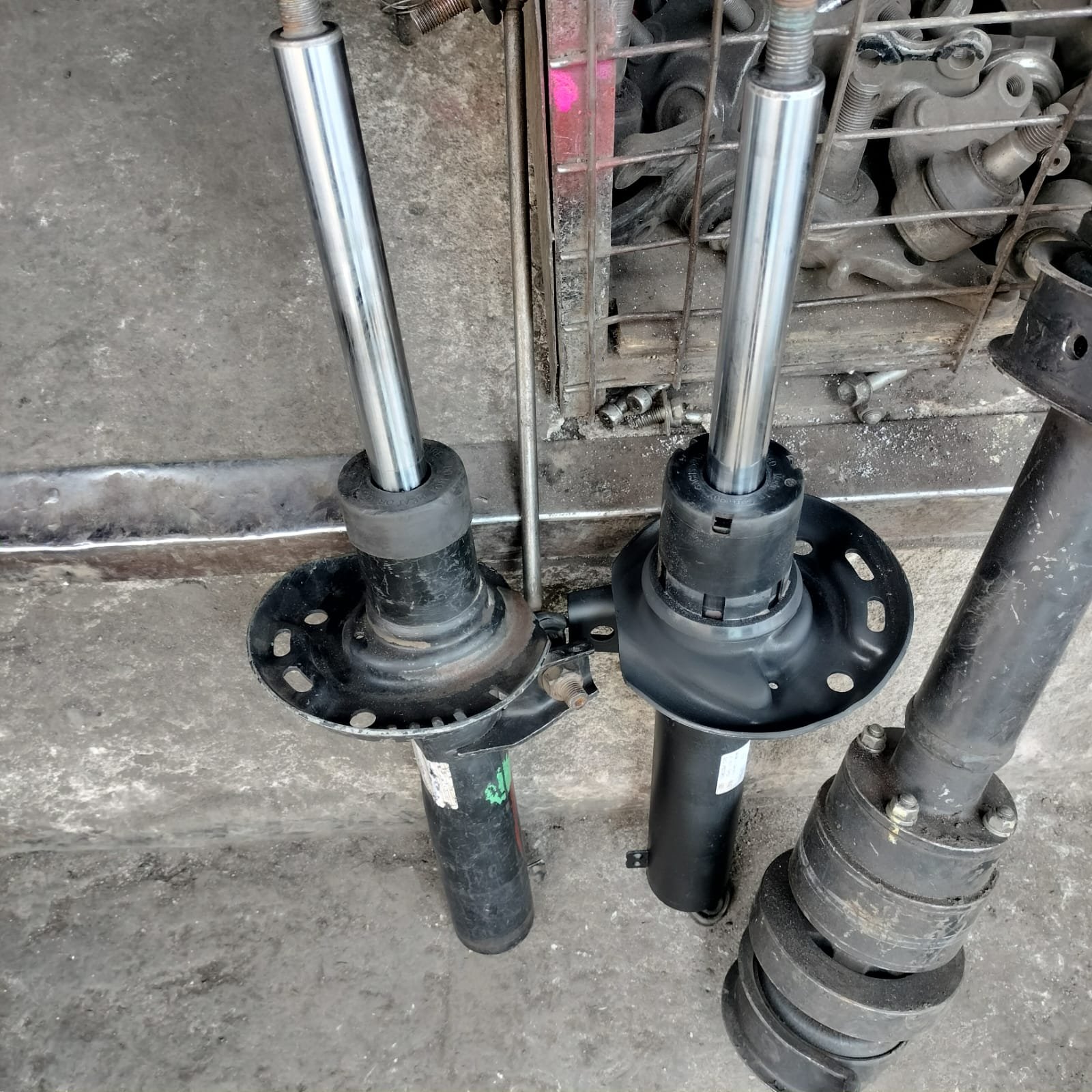
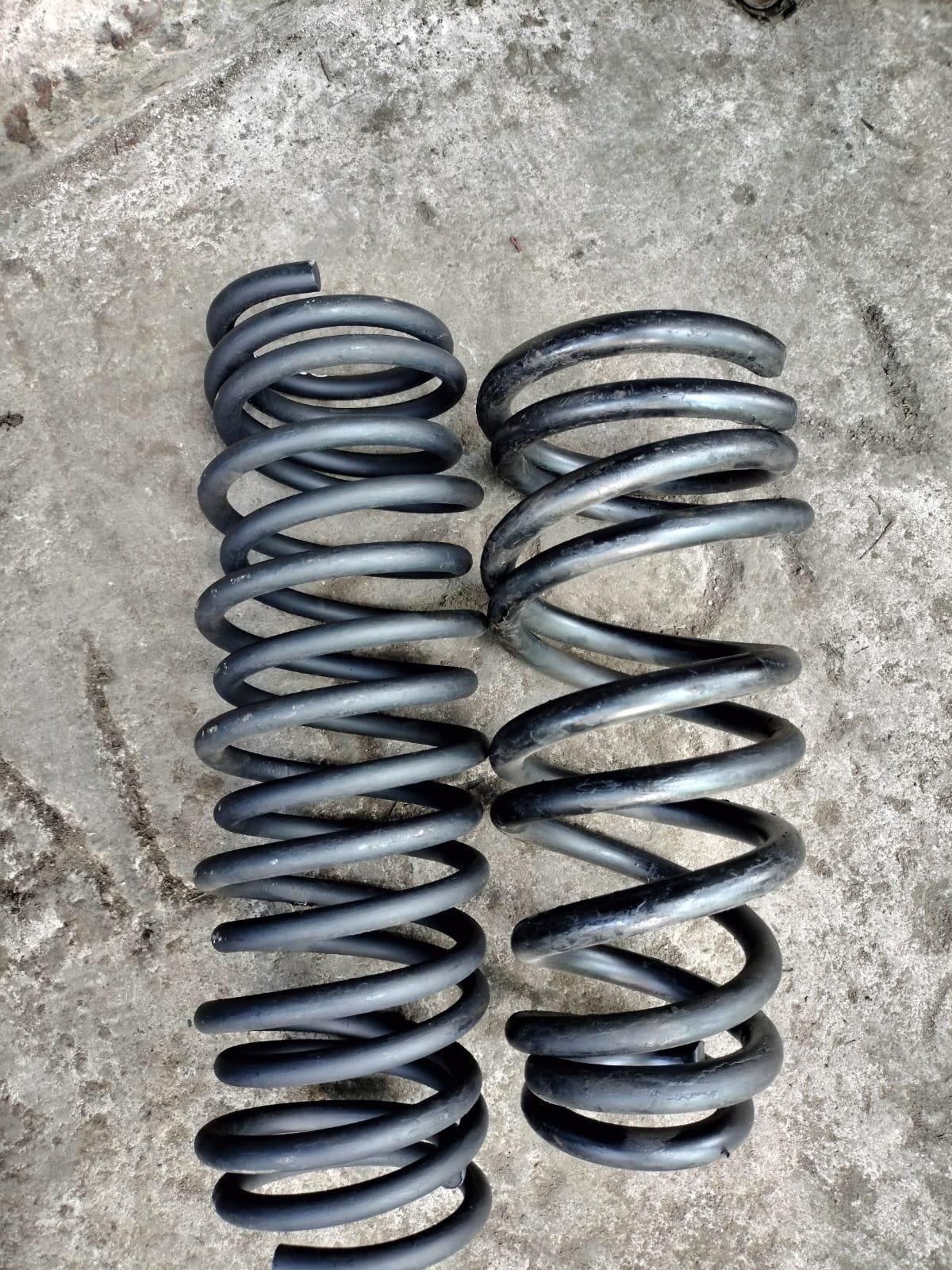
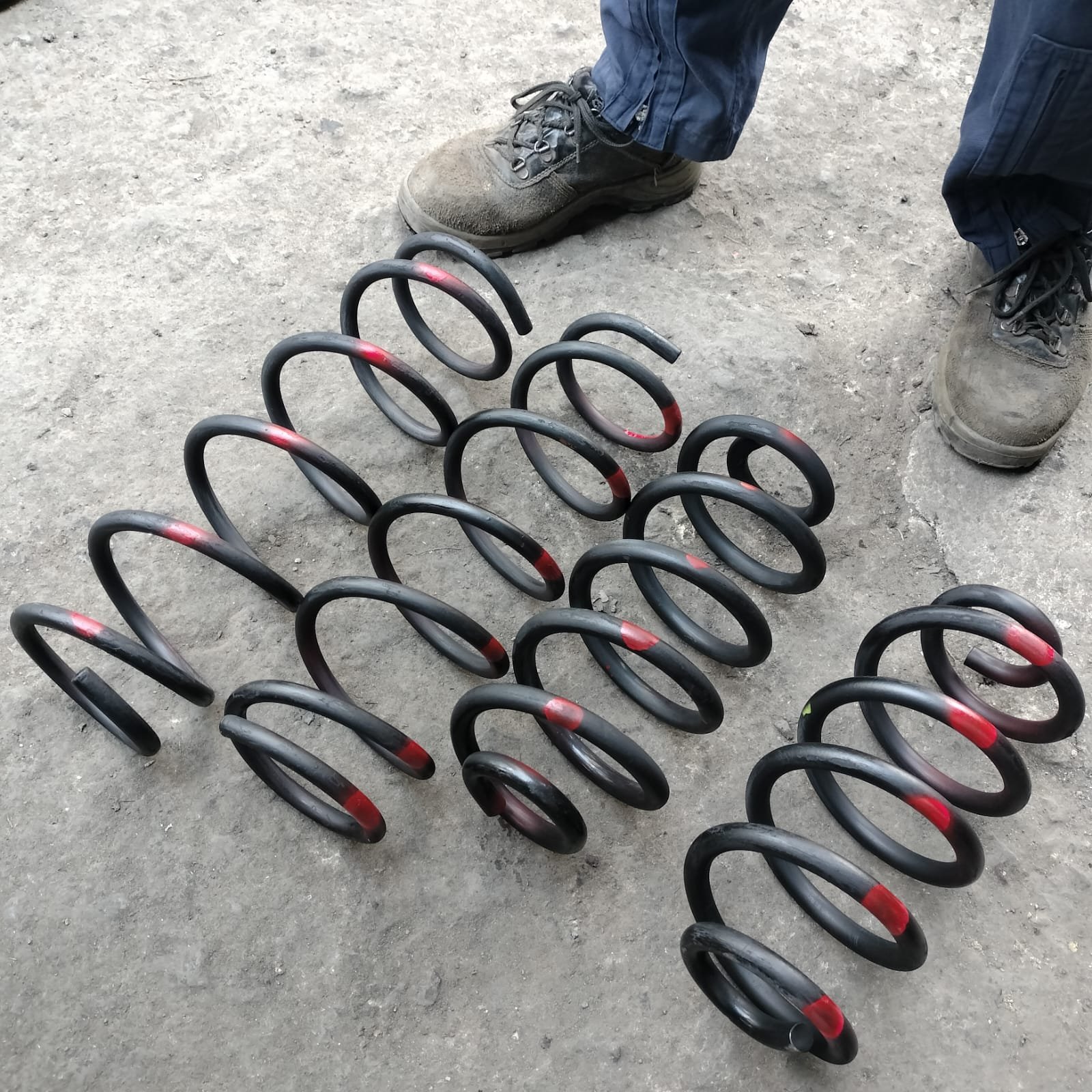
2. Suspension Coil Springs

Kenyan speed bumps are the natural enemy of the Nissan Note. The E11 has a relatively soft factory suspension that tends to sag over time.

  • The Issue: A sagging rear or a “clunking” sound when hitting bumps.
  • Maintenance Tip: Upgrading to heavy-duty springs can give you that extra half-inch of clearance needed to stop scraping your undercarriage.

3. Control Arm Bushings

The rubber bushings in your front control arms absorb road vibrations. In Kenya, the heat and rough terrain cause this rubber to crack.

  • The Sign: Your car feels “loose” or pulls to one side when you brake.
  • Why buy original: Cheap plastic bushings will squeak within a week. Always go for high-grade rubber or Ex-Japan arms.

4. Spark Plugs (Iridium/Platinum)

The HR15DE engine in most Notes is sensitive to combustion quality.

  • The Issue: Rough idling or a sudden drop in fuel mileage.
  • The Fix: The E11 performs best with specific NGK or Denso plugs. At Taleon, we ensure you get the exact heat range required for your engine to prevent misfiring.

5. CV Boots and Joints

The “Click-Click-Click” sound when you make a sharp turn is a classic E11 cry for help.

  • The Cause: A torn rubber CV boot lets grease out and sand in.
  • Pro-Tip: Check your boots during every oil change. Replacing a KSh 1,500 boot today saves you from replacing a KSh 8,000 CV joint tomorrow.

6. Rear Engine Mount

Does your dashboard vibrate excessively when you’re idling at a red light?

  • The Part: The rear “dog-bone” engine mount.
  • The Detail: This part stabilizes the engine during acceleration. If it’s worn, it puts extra stress on your exhaust manifold and gear linkages.

7. Air and Cabin Filters

Kenya is a dusty environment. Your E11’s engine needs to breathe, and so do you.

  • The Impact: A clogged air filter can increase your fuel consumption by up to 10%.
  • Don’t Forget: The cabin filter (located behind the glovebox) keeps the Nairobi dust out of your A/C vents and your lungs.

8. Cooling System Thermostat & Radiator Cap

Nissans do not handle overheating well.

  • The Risk: A stuck thermostat can cause an engine to blow its head gasket in minutes.
  • The Fix: Replacing your radiator cap every 2 years is the cheapest insurance policy you can buy for your engine.

9. Alternator/Serpentine Belt

That high-pitched “screeching” sound when you start your car in the morning is your belt slipping.

  • The Danger: If this belt snaps, you lose your steering assist, your battery charging, and your water pump—effectively stranding you.

10. Fuel Pump & Strainer

With varying fuel quality at some petrol stations, the fuel strainer in the E11 can get clogged.

  • The Symptom: Your car struggles to start or “hesitates” when you try to overtake.
  • Availability: We stock genuine E11 fuel pump assemblies that are a direct fit for the 1.5L petrol models.

Why Buy These Parts from Taleon Autospares?

We don’t just sell boxes; we sell solutions. When you come to us for a Nissan Note E11 Brake Disc, we don’t just hand you a part—we make sure it’s the right fit for your specific year and trim.

  • Ex-Japan Reliability: We source clean, tested parts from Japan for those who want original quality without the showroom price tag.
  • Affordable Pricing: We keep our prices competitive (like our KSh 3,000 discs) because we believe safety should be accessible to every Kenyan driver.

How to Spot Fake Toyota Spares Before They Ruin Your Engine

In the Kenyan automotive market, the Toyota Axio, Fielder, and Premio are legends of the road. But their popularity has a dark side: it has made Toyota the most targeted brand for counterfeiters. Today, River Road and various online marketplaces are flooded with “look-alike” parts that promise the Toyota logo but deliver catastrophic engine failure.

At Taleon Autospares, we believe an informed driver is a safe driver. In this guide, we reveal the industry secrets to identifying counterfeit parts so you can protect your investment and your family.


1. The Packaging: The First Line of Truth

Counterfeiters have become experts at mimicking boxes, but they almost always fail at the details. Toyota spends millions on high-quality packaging to ensure parts arrive in perfect condition.

Red Flags on the Box:

  • The Printing Test: Genuine Toyota boxes have crisp, dark red ink. Fakes often have a “faded” look, blurry edges on the logo, or ink that smears if you rub it with a damp finger.
  • Spelling Mistakes: It sounds simple, but look closely. We’ve seen boxes labeled “Toyotta” or “Genunine Parts.” * Label Alignment: On an original part from Taleon, the white part-number sticker is perfectly centered and machine-applied. If the sticker is crooked or has air bubbles, it’s likely a manual “re-label” of a fake part.

2. The 2026 Verification Tech: QR Codes & Holograms

As we move into 2026, Toyota has upgraded its security features. Modern genuine parts now come with dynamic holograms.

  • The Color Shift: When you tilt a genuine Toyota security sticker, the colors should shift smoothly. Fake holograms often look “flat” or are just shiny stickers that don’t change when moved.
  • QR Code Scanning: Most new-gen Toyota spares feature a QR code. Use your smartphone to scan it; it should lead you directly to a verification page or a Toyota parts database. If the link looks suspicious or doesn’t load, put the part back.

3. Physical Inspection: The “Feel and Weight” Test

If the part is out of the box, use your hands. Counterfeiters save money by using thinner metals and cheaper plastics.

  • Weight Comparison: If you are replacing a Toyota Axio 161 Brake Disc, compare the weight of the new one to your old one. Genuine discs are made of high-density cast iron. If the new one feels significantly lighter, it’s made of scrap metal and will warp under heat.
  • The Finish: Look for “burrs” or rough edges. Genuine Toyota parts are precision-machined. Surfaces should be smooth, and bolt holes should be perfectly round with clean threading.
  • The Smell Test: Believe it or not, genuine rubber bushings and belts have a specific “new rubber” smell. Counterfeits often smell like strong chemicals or burnt plastic because they use low-grade recycled materials.

4. The Price Trap: “Too Good to be True”

We all love a bargain, especially in these tough economic times. But in the world of spares, cheap is expensive.

At Taleon Autospares, we sell our Toyota Axio 161 Heavy Duty Coil Springs for KSh 10,000. If you find someone selling “Original” springs for KSh 4,000, they are not original. They are either:

  1. Used parts painted to look new.
  2. Weak local counterfeits that will sag within a month.

5. The Dangerous “Fakes”: What to Avoid at All Costs

While a fake door handle is annoying, fake mechanical parts are deadly.

Fake Oil Filters

A fake filter has poor-quality paper inside that can collapse and block oil flow. This will seize your engine in minutes, turning a KSh 1,000 saving into a KSh 150,000 engine overhaul.

Fake Brake Pads & Discs

Counterfeit pads use “filler” materials like grass or compressed wood shavings mixed with metal. On a long descent—like the road to Nakuru—these pads will catch fire or crumble, leaving you with no brakes.


6. Why “Ex-Japan” is Your Safest Bet for Value

If brand-new showroom parts are out of your budget, the smartest move in Kenya is buying Genuine Ex-Japan Parts from a trusted dealer like Taleon.

  • They are original parts made by Toyota.
  • They have been tested by the rigorous Japanese road standards (Shaken).
  • They offer the same fitment and safety as a new part at 50% of the cost.

Conclusion: Trust Your Source

The best way to avoid fakes is to stop buying from “briefcase” sellers or unauthorized street vendors. Build a relationship with a reputable dealer who stands by their stock.

At Taleon Autospares Kenya, we pride ourselves on transparency. If a part is Ex-Japan, we tell you. If it’s high-quality aftermarket, we tell you. We never disguise a fake as a genuine.

Keep your Toyota a Toyota. Visit us today for a free inspection of your suspension or braking system!

Why Genuine Toyota Spare Parts are the Secret to Your Car’s Long Life

In the heart of Nairobi’s bustling streets and across the vast stretches of the Great Rift Valley, one vehicle brand reigns supreme: Toyota. From the nimble Toyota Axio 161 to the rugged Hilux, these machines are the backbone of Kenyan transport. But even the legendary “Toyota reliability” has a limit. That limit is defined by what you put under the hood.

At Taleon Autospares, we have seen thousands of car owners face a difficult choice: save a few thousand shillings now on “look-alike” parts or invest in Genuine Toyota Spare Parts.

This 3,000-word guide explores why original parts are the literal lifeblood of your vehicle and how making the right choice today prevents a mechanical nightmare tomorrow.


1. The Engineering Philosophy: Built as One

When Toyota engineers a vehicle like the Axio 161, they don’t just throw parts together. Every bolt, gasket, and coil spring is designed to work in perfect harmony with the rest of the car.

Precision Fitment

Genuine parts are manufactured using the same molds and specifications as the parts that came with your car from the factory in Japan. This means:

  • Zero Modifications: You don’t have to “force” a fit.
  • Airtight Seals: Gaskets and filters fit perfectly, preventing oil leaks that can lead to engine seizure.
  • Optimal Performance: A genuine fuel filter ensures the exact flow rate your engine needs, maintaining fuel efficiency.

2. The Dangers of “Counterfeit” and Low-Quality Aftermarket Parts

The Kenyan market is flooded with “grey” parts—products that look like Toyota parts but lack the internal integrity.

The Hidden Risks

  1. Material Fatigue: Fake brake discs might look shiny, but they often use inferior scrap metal. Under the heat of braking on the Limuru escarpment, these discs can warp or, worse, crack.
  2. Engine Sludge: Low-quality oil filters often have poor filtration paper that disintegrates, sending debris directly into your engine’s moving parts.
  3. Sensor Failure: Modern Toyotas rely on sensors (like Oxygen or MAF sensors). Cheap electrical parts send wrong signals to the ECU, leading to high fuel consumption and the dreaded “Check Engine” light.

3. Spotlight: Suspension and Heavy-Duty Coil Springs

For models like the Toyota Axio 161, suspension is a frequent concern due to our local road conditions. At Taleon Autospares, we often recommend Heavy-Duty Coil Springs.

Why Quality Springs Matter

The coil spring supports the entire weight of your vehicle. A genuine or high-quality Ex-Japan heavy-duty spring (like the ones we stock for KSh 10,000) is tempered to maintain its height. Counterfeit springs lose their “rebound” within months, causing your car to sag, scraping its belly on every speed bump in Nairobi.


4. The “Ex-Japan” Advantage: Quality Meets Value

Many Kenyan drivers ask, “If I can’t afford brand new parts from the showroom, what is my best option?”

The answer is Genuine Ex-Japan Parts. These are original Toyota parts salvaged from vehicles in Japan.

  • Originality: They are the exact parts fitted by Toyota Japan.
  • Durability: Japanese road conditions are excellent, meaning these parts have faced very little stress.
  • Affordability: You get the quality of a new genuine part at a fraction of the cost.

5. Cost-Benefit Analysis: The Long Run

Let’s look at the math.

  • Scenario A (Cheap Part): You buy a fake water pump for KSh 3,500. It fails after 4 months, causing your engine to overheat. Now you need a head gasket replacement and engine machining, costing you over KSh 60,000.
  • Scenario B (Genuine Part): You buy a Genuine/Ex-Japan water pump from Taleon Autospares for KSh 7,500. It lasts for 5 years.

The Verdict: Genuine parts are actually cheaper per kilometer driven.


6. How to Identify Genuine Toyota Spares

Taleon Autospares wants to empower you. When buying parts, look for:

  1. Packaging: Toyota uses high-quality cardboard and specific “Toyota Genuine Parts” branding.
  2. Holograms: Look for the security hologram on the sticker.
  3. The “Weight” Test: Genuine metal parts (like brake discs) are usually heavier and denser than cheap fakes.
  4. Serial Numbers: Every genuine part has a specific part number that matches the Toyota Electronic Parts Catalog (EPC).

7. Maintaining Your Toyota Axio 161

The 161 model is a masterpiece of efficiency, but it requires specific care:

  • Transmission: Only use the recommended CVT fluid. Using generic ATF will destroy the gearbox within weeks.
  • Suspension: Regularly check your heavy-duty coil springs and shocks to ensure your wheel alignment stays true.
  • Braking: Ensure your brake discs are replaced in pairs to maintain balance.

8. Why Taleon Autospares is Your Trusted Partner

Located in the heart of the Kenyan spare parts hub, Taleon Autospares has built a reputation on honesty. We don’t just sell parts; we sell peace of mind.

  • Expert Advice: Not sure if you need a new disc or just pads? Our team will guide you.
  • Verified Sourcing: Our Ex-Japan stock is hand-picked to ensure only the cleanest units reach our shelves.
  • Transparent Pricing: From our KSh 3,000 Nissan Note discs to our KSh 10,000 Axio heavy-duty springs, we offer the best rates in Kenya.

9. Conclusion: Don’t Gamble with Your Safety

Your car carries your family, your business, and your dreams. Using substandard parts is a gamble where the stakes are your safety and your wallet. By choosing Genuine Toyota Spare Parts, you are ensuring that your car remains as reliable as the day it left the factory.

Visit Taleon Autospares Kenya today. Whether you drive a Nissan Note E11 or a Toyota Axio 161, we have the genuine solutions to keep you moving.

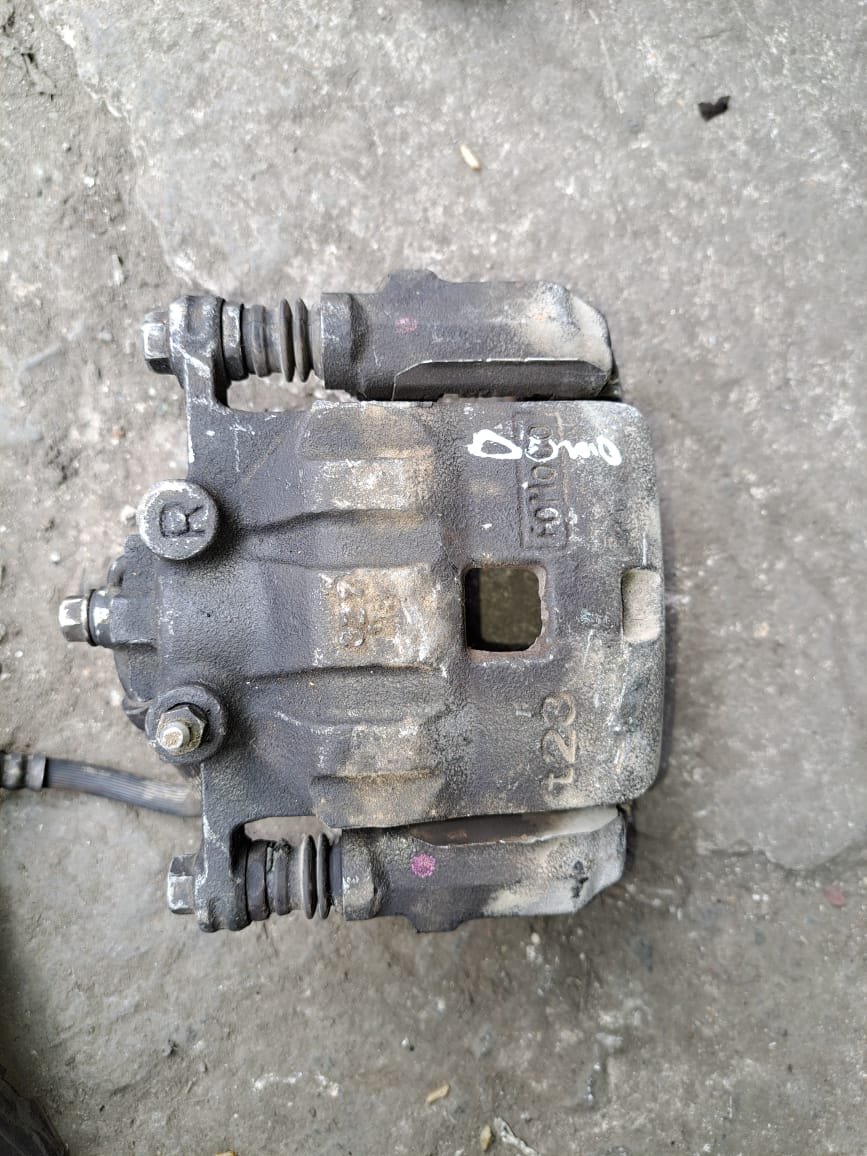
Precision Braking: Why Taleon Autospares is Nairobi’s Leading Choice for Ex-Japan Brake Calipers

When you step on your brake pedal, a complex hydraulic process begins, ending with the brake caliper. This component is the “clamp” that forces your brake pads against the rotors to stop your vehicle. In a city like Nairobi, where sudden stops for pedestrians, matatus, and potholes are part of daily life, the health of your calipers is non-negotiable.

Genuine vs. Counterfeit: 5 Physical Markers of Genuine Toyota Spare Parts in Kenya

In Kenya, the Toyota brand is more than just a car manufacturer; it is the backbone of our transport system. From the rugged Hilux navigating the tea zones of Kericho to the Probox and Vitz weaving through Nairobi’s downtown, Toyotas are prized for one thing: Reliability. However, that reliability is only as strong as the parts inside the machine. As the most popular car brand in the country, Toyota is also the most targeted by counterfeiters. Today, the Kenyan market is flooded with “look-alike” parts that mimic the red-and-white Toyota packaging but lack the engineering that keeps your engine alive.

At Taleon Autospares Kenya, we believe that an informed driver is a safe driver. In this guide, we break down the five physical markers you must check before paying for any Toyota spare part.


1. The Packaging: More Than Just a Red Box

Counterfeiters have mastered the art of printing red boxes, but they rarely get the “DNA” of the packaging right. Toyota’s packaging for 2025 has specific security features that are expensive to replicate.

The Print Quality

Genuine Toyota boxes use high-definition printing. If you look closely at a counterfeit box, you will often see “pixelation” or blurry edges around the logo.

  • The “Toyota” Font: Toyota uses a specific, proprietary font. Counterfeits often have slight variations—the “o” might be too round, or the “y” might have a different tail.
  • Spelling Errors: It sounds simple, but many fakes in the Kenyan market still feature typos like “Toyata” or “Genunine” in the fine print on the back of the box.

Smart Packaging & Eco-Symbols

In 2025, Toyota updated its global packaging to include eco-friendly symbols and “Smart Ink.”

  • Temperature Sensitive Ink: Some genuine labels now feature a small area where the color changes slightly when rubbed with a finger (due to heat).
  • The Label Texture: Genuine labels are semi-glossy and difficult to peel off in one piece. Counterfeit labels are often just paper stickers that feel “cheap” and peel off easily, leaving a messy residue.

2. The Hologram: The Angle of Truth

Most genuine Toyota parts sold in East Africa come with a security hologram sticker. This is the most difficult feature for counterfeiters to fake convincingly.

How to Test It:

  1. The Color Shift: Tilt the box under a light. A genuine hologram will transition smoothly between colors (usually green, gold, and red) and reveal the Toyota logo and the word “GENUINE” at different angles.
  2. The Depth: Genuine holograms have a 3D “depth” to them. Counterfeit holograms are usually “flat” stickers that look like shiny foil but don’t show different images when tilted.
  3. Alignment: Toyota’s machines apply these stickers with robotic precision. If the hologram is crooked, off-center, or looks like it was placed by hand, it’s a red flag.

3. The 17-Digit QR Code & Serial Numbers

Technology is now the best weapon against fakes. Every genuine Toyota part produced in recent years carries a unique identification number.

The Scanning Process

In 2025, most genuine parts feature a QR code that connects to Toyota’s global verification database.

  • Unique Codes: A common trick among counterfeiters is to print the same QR code on 1,000 different boxes. If you are in a shop with multiple units of the same part (e.g., spark plugs), scan two different boxes. If they show the exact same serial number, they are fakes.
  • The 10-Digit Part Number: Every part has a 10-digit number (e.g., 90915-YZZD2 for an oil filter). Cross-reference this number on the Taleon Autospares website or the official Toyota parts catalog. If the number on the box is for a brake pad but the box contains a fuel filter, you’ve spotted a fake.

4. The Physical Build: Weight, Finish, and Markings

Once you open the box, the part itself tells the real story. Toyota parts are engineered to a 0.5mm tolerance. Counterfeits are made in backyard foundries.

Laser Etching

Genuine Toyota metal parts (like oil filters, water pumps, or brake discs) are usually laser-etched with the Toyota logo and the part number.

  • The Depth: The etching should be clean and precise.
  • Fakes: Counterfeiters often use “stamping” or “ink printing” on the part because laser etching equipment is expensive. If the logo on the metal looks “inked on” and can be rubbed off with petrol or thinners, it is not genuine.

The Weight Test

Counterfeiters save money by using “pot metal” or lighter alloys.

  • Example: A genuine Toyota Hilux brake disc is significantly heavier than a counterfeit because it contains high-density carbon-iron for heat dissipation.
  • The Feel: If the part feels “hollow” or suspiciously light compared to the old one you just removed from your car, do not install it.

5. The “Smell and Touch” of Rubber and Plastic

Many Toyota spares involve rubber—bushings, fan belts, and hoses. This is where fakes fail the fastest in the Kenyan climate.

Rubber Quality

  • The Scent: Genuine Toyota rubber has a very mild, neutral smell. Counterfeit rubber often smells strongly of “recycled tires” or harsh chemicals/kerosene.
  • Flexibility: Genuine bushings are firm but have a specific “bounce.” Fake bushings are either as hard as plastic (which will crack and cause knocking sounds) or too soft (which will fail within weeks of driving on a potholed road).

Plastic Moldings

Look at the “seams” of plastic parts like air filter housings or sensors.

  • Genuine: Smooth seams with no “flashing” (excess plastic bits hanging off).
  • Fake: Visible mold lines, rough edges, and inconsistent coloring.

Why “Cheap” is Expensive: The Taleon Perspective

As Dickson Kuria, our founder, always says: “A fake part is a debt you will pay with interest.” Buying a counterfeit Toyota oil filter might save you Ksh 800 today. But if that filter collapses internally—which fakes often do—it blocks the oil flow to your engine. Within minutes, your engine can “seize,” turning a Ksh 800 saving into a Ksh 250,000 engine overhaul bill.

The Taleon Guarantee

At Taleon Autospares Kenya, we eliminate the “guesswork.”

  1. Direct Sourcing: We bypass “middlemen” who might mix fakes with genuine stock.
  2. Warranty: Every genuine Toyota part we sell comes with a verified warranty.
  3. Transparency: We encourage our customers to inspect the parts using the markers listed above before they leave our counter.

Summary Checklist for Your Next Visit to Taleon

  • [ ] Box: Is the printing crisp? No typos?
  • [ ] Hologram: Does it shift colors and show “Genuine” when tilted?
  • [ ] Part Number: Does the 10-digit code match the part inside?
  • [ ] Logo: Is the Toyota logo laser-etched into the metal?
  • [ ] Weight: Does the part feel solid and heavy?

Don’t let a counterfeit part put your family at risk. Whether you are doing a routine service on your Toyota Fielder or a major overhaul on your Land Cruiser, trust the experts who prioritize your safety.


Visit Us Today: Taleon Autospares Kenya 📍 Kirinyaga Road, Nairobi 📞 0705 280 326 / 0700 595 933 🌐 taleonspareskenya.co.ke

The Counterfeit Crisis: How to Identify Fake vs. Genuine Brake Pads in Kenya

In the bustling streets of Nairobi and across the highways of Kenya, the safety of your vehicle depends on one critical moment: when you step on the brake pedal. For many drivers, the choice of brake pads is often seen as a simple financial decision. However, in an industry increasingly plagued by counterfeits, that “cheap” set of brake pads could be the most expensive mistake you ever make.

Search products
Back to Top
Please select your product
Product has been added to your cart
Compare (0)