
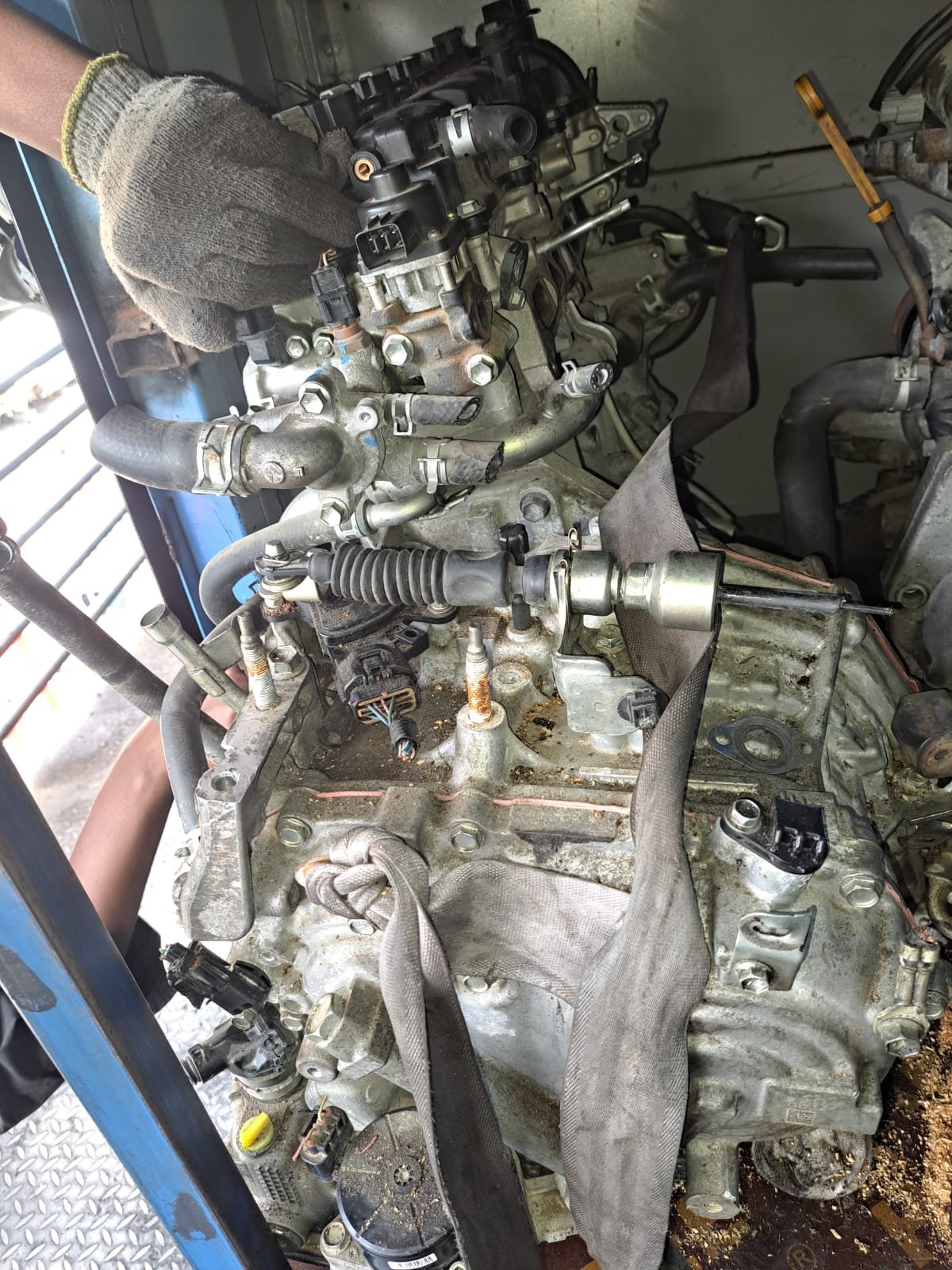
The Heart of the Matter: The Definitive Guide to Ex-Japan Vehicle Engines by Taleon Autospares Kenya
In the realm of automotive reliability, the engine is the undisputed heart of the vehicle. For Kenyan motorists, the phrase “Ex-Japan” is not just a label; it is a hallmark of durability, engineering excellence, and unmatched value. From the bustling streets of Nairobi to the long-haul routes connecting Mombasa to the hinterland, Japanese engines power the nation’s mobility.
At Taleon Autospares Kenya, we recognize that an engine replacement is one of the most significant decisions a vehicle owner can make. Whether you are breathing life back into a beloved saloon car or ensuring your fleet’s uptime, the choice of a replacement engine is critical. This comprehensive guide explores the world of Ex-Japan vehicle engines, delving into their market dominance, the secrets of their quality, the practicalities of selection and installation, and why they remain the gold standard for Kenyan roads.
Part 1: The Dominance of Japanese Engines in Kenya
The Kenyan automotive landscape is undeniably shaped by Japanese engineering. The numbers speak for themselves: trade data indicates that Japan is the leading source of engine imports for Kenya, with hundreds of shipments arriving annually . In 2023 alone, Kenya imported spark-ignition internal combustion piston engines worth over $3.09 million directly from Japan .
But why this overwhelming preference? The answer lies in a perfect alignment of factors:
- Affordability & Accessibility: For a fraction of the cost of a new vehicle, a high-quality used Japanese engine can extend a car’s life by 5–10 years or more .
- Proven Reliability: Japanese automakers like Toyota, Nissan, Honda, and Subaru have built a legacy in Kenya based on decades of consistent performance in challenging conditions .
- Parts Availability: The sheer volume of Japanese vehicles on Kenyan roads means that spare parts for these engines are readily available in markets like Kirinyaga Road, making maintenance straightforward and cost-effective .
1.1 The Ex-Japan Advantage: A Closer Look at the Numbers
The trade data provides a clear picture of this dominance. Under the Harmonized System (HS) code for engines and parts, Japan consistently ranks as a top exporter to Kenya .
These figures, tracked by international trade monitors, highlight not just a trend, but a deep-seated reliance on Japanese engineering to keep Kenya moving .
Part 2: The “JRS” Standard – Decoding the Quality of Ex-Japan Engines
One of the most frequent questions we receive at Taleon Autospares is, “What makes these engines so good?” The answer lies in a combination of Japanese culture, regulation, and a specific quality standard born from the export trade itself: JRS (Japan Reuse Standard) .
The JRS was developed specifically in response to concerns from importers, including those in Kenya, who wanted a clear, verifiable standard for the quality of used engines . When you purchase an engine from Taleon Autospares that adheres to JRS principles, you are getting a powerplant evaluated on six critical points :
- Compression: Measuring the engine’s ability to build pressure in the cylinders, a direct indicator of internal health.
- Mileage: Verifying the odometer reading to understand the engine’s workload.
- Run: Testing the engine to ensure it starts, idles, and runs smoothly without unusual noises.
- External: Inspecting for visible damage, rust, or leaks on the engine block and components.
- Overheat: Checking for signs of past overheating, such as warped heads or discolored metal.
- Internal: Where possible, inspecting internal components for wear and tear.
2.1 The Five Pillars of Japanese Engine Quality
Beyond the JRS tag, the inherent quality of Ex-Japan engines is built on five fundamental pillars :
- Geographic Reality: Japan is a relatively small country, meaning vehicles typically accumulate lower mileage compared to those in larger nations .
- Superior Infrastructure: Well-maintained roads reduce stress on engines and suspensions, preserving their mechanical integrity .
- Rigorous Inspection System: The mandatory Shaken inspection in Japan ensures that vehicles are meticulously maintained. If a car fails or the cost of passing is too high, it is exported, but its service history guarantees it was well-cared for during its life in Japan .
- Cultural Ethos of Care: There is a deep-seated cultural tendency to treat personal possessions, including cars, with great care and diligence .
- Manufacturing Excellence: Fierce competition among 12 domestic automakers drives continuous innovation and a commitment to “over-engineering” components for longevity .
Part 3: The Taleon Autospares Range – Finding Your Perfect Match
At Taleon Autospares Kenya, we source a wide array of Ex-Japan engines to suit the diverse needs of Kenyan motorists. Understanding your vehicle and its requirements is the first step to a successful engine replacement.
3.1 By Vehicle Type
The choice of engine is often dictated by the vehicle’s intended use. The Japanese models popular in Kenya offer a range of engine options .
3.2 By Fuel Type
The choice between petrol, diesel, and the increasingly popular hybrid technology is a crucial consideration.
- Petrol Engines: Offer smooth, quiet operation and lower upfront costs, making them ideal for personal vehicles and city driving .
- Diesel Engines: Known for their fuel efficiency, exceptional torque, and long-lasting durability, they are the workhorses of Kenya’s transport and agricultural sectors .
- Hybrid Engines: Combining a petrol engine with an electric motor, these units deliver outstanding fuel economy (especially in stop-and-go traffic) and reduced emissions. As fuel prices rise, the demand for Ex-Japan hybrid engines from models like the Toyota Prius and Aqua is soaring .
Part 4: The Engine Swap – Process, Practicalities, and Precautions
Installing a replacement Ex-Japan engine, often referred to as an “engine swap,” is a common and cost-effective practice in Kenya. However, it is a complex procedure that requires expertise .
4.1 The “Same-Make” vs. “Cross-Make” Decision
- Same-Make Replacement: This is the safest and most straightforward option. Replacing a Toyota engine with another Toyota engine of the same series minimizes compatibility issues with engine mounts, wiring harnesses, and ECUs.
- Cross-Make Swaps: Sometimes, mechanics opt to fit an engine from a different manufacturer (e.g., fitting a Toyota engine into a Nissan). While this can be a cost-saving measure due to the abundance of Toyota parts, it introduces significant complexity .Expert Insight: “A well-matched Toyota engine can sometimes outperform the original in terms of reliability, especially when replacing problematic designs.” However, it requires skilled fabrication of engine mounts and adaptation of electrical systems to be successful .
4.2 What You Need for a Successful Installation
A successful engine installation goes beyond simply dropping the unit into the bay. Key requirements include :
- Compatible ECU and Wiring Harness: The engine’s brain must be able to communicate with the car’s body. Using the donor engine’s ECU and adapting the wiring harness is often necessary.
- Professional Fabrication: Engine mounts may need to be professionally modified or custom-fabricated to ensure the engine sits correctly and securely.
- Matching Transmission: The engine must be compatible with the existing gearbox, or an adapter plate may be required.
- Cooling and Exhaust Systems: These may need upgrades to handle the new engine’s dynamics.
At Taleon Autospares Kenya, we not only provide the engine but can also connect you with trusted, experienced mechanics and auto-electricians who specialize in these installations.
Part 5: Legal and Compliance Considerations
Any engine replacement must be done within the bounds of Kenyan law. The National Transport and Safety Authority (NTSA) has clear regulations that must be followed .
- Logbook Update: The most critical step is to have the new engine’s number formally updated in the vehicle’s logbook. Failure to do so can lead to fines, complications during inspection, or even vehicle impoundment .
- Insurance Disclosure: You must inform your insurance company about the engine replacement. Failure to declare this major modification could void your insurance cover in the event of an accident or claim .
- KEBS Compliance: Engines imported into Kenya must meet the standards set by the Kenya Bureau of Standards (KEBS) to ensure they are safe and roadworthy .
Taleon Autospares Kenya ensures that all our Ex-Japan engines are sourced with clear documentation, making the compliance process smoother for our customers.
Conclusion
The Ex-Japan vehicle engine is more than just a replacement part; it is a testament to engineering philosophy that values longevity, reliability, and efficiency. For Kenyan motorists, it represents the most viable and intelligent path to extending the life of a vehicle, ensuring safety, and maximizing return on investment.
At Taleon Autospares Kenya, we bridge the gap between Japan’s finest automotive engineering and Kenya’s demanding roads. We are committed to providing engines that meet the highest standards of quality, backed by expert advice and a dedication to your peace of mind.
Whether you are a first-time buyer looking for a reliable heart for your first car, or a fleet manager ensuring your trucks keep delivering, trust Taleon Autospares Kenya to provide the power that keeps you moving forward.
Add a review
Your email address will not be published. Required fields are marked *