
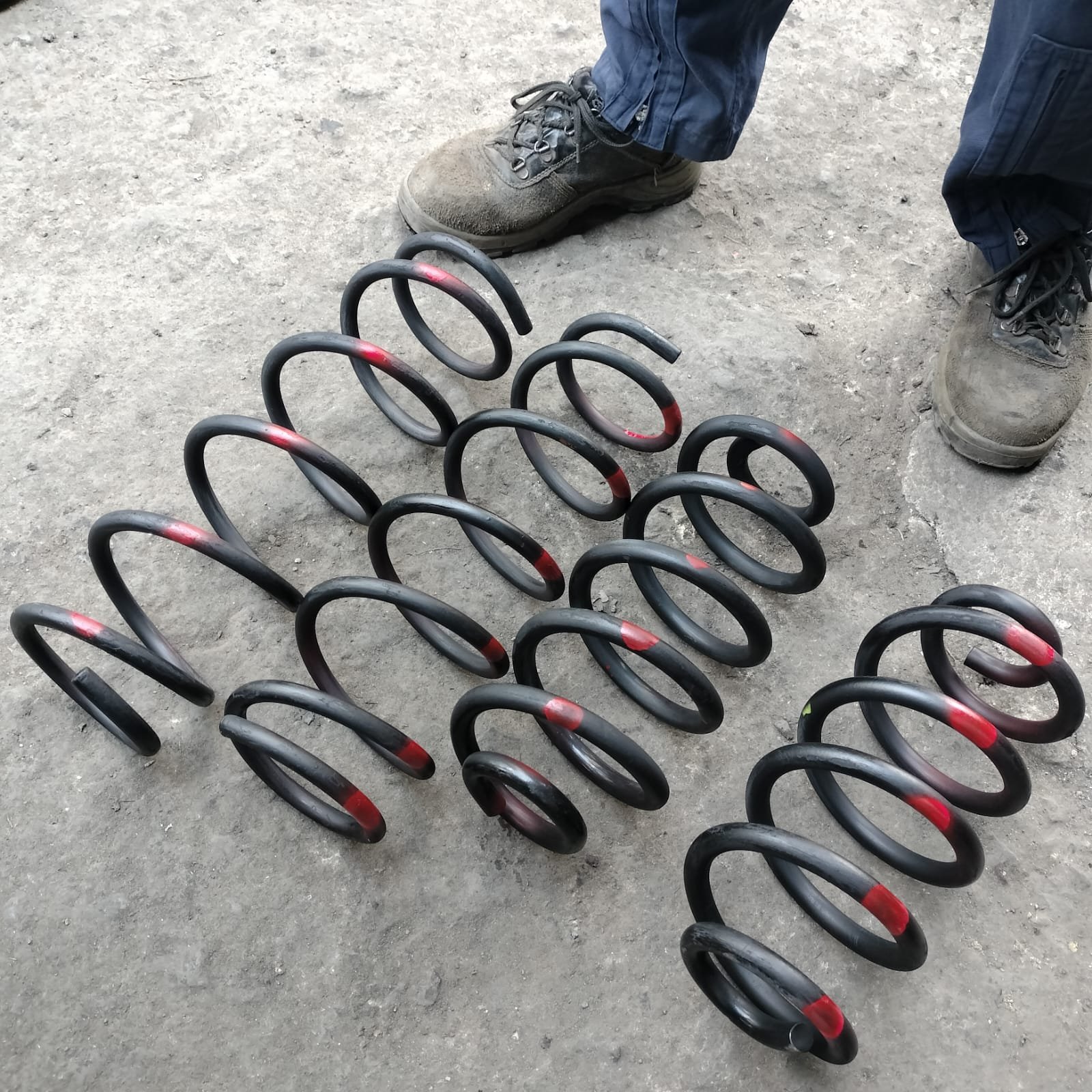
The Risks of ‘Scrap’ Parts: Why Brand New Aftermarket Components Outperform Used Spares
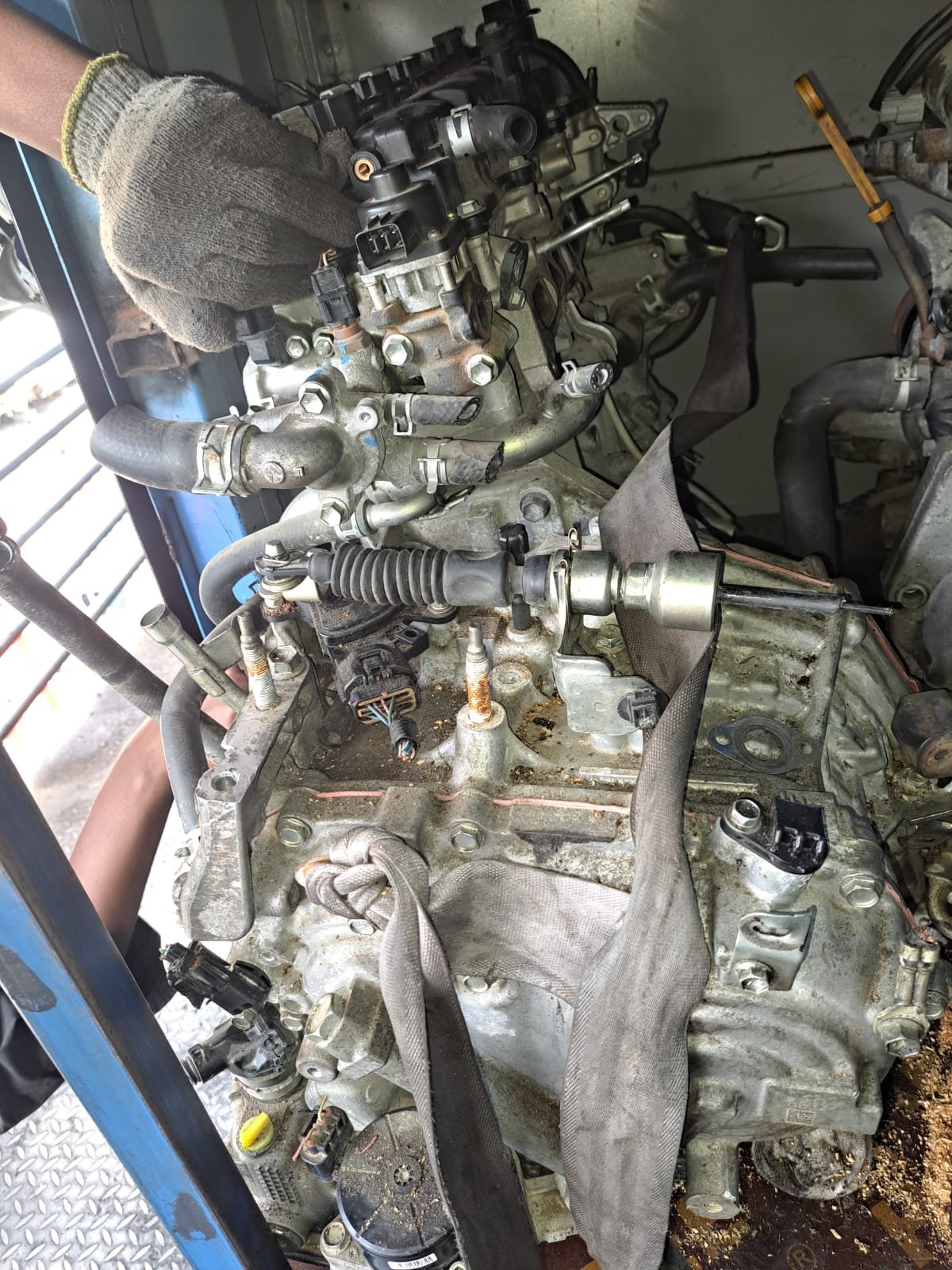
In Kenya’s thriving automotive culture, every car owner eventually faces a difficult crossroad: a critical part has failed, and the repair bill is looming. In the search for a solution, many drivers find themselves wandering through the winding alleys of “Gikomba” or “Kirinyaga Road,” looking for Ex-Japan or “scrap” parts salvaged from old vehicles. The allure is simple—it’s an original part at a fraction of the showroom price.
However, at Taleon Autospares Kenya, we believe that “cheap” often comes with a hidden, much higher price tag. While the term “Ex-Japan” carries a certain prestige of quality, the reality of buying used mechanical components is a gamble with your safety and your wallet.
In this deep dive, we explore why brand-new, high-quality aftermarket parts are the superior choice for the modern Kenyan driver.
1. The “Ex-Japan” Myth vs. Reality
The phrase “Ex-Japan” is often used as a gold standard in Kenya. The logic is that parts salvaged from cars in Japan are better because they were used on superior roads and maintained under strict regulations. While this is sometimes true for body panels or mirrors, it is a dangerous philosophy for functional mechanical parts.
The Problem with Fatigue
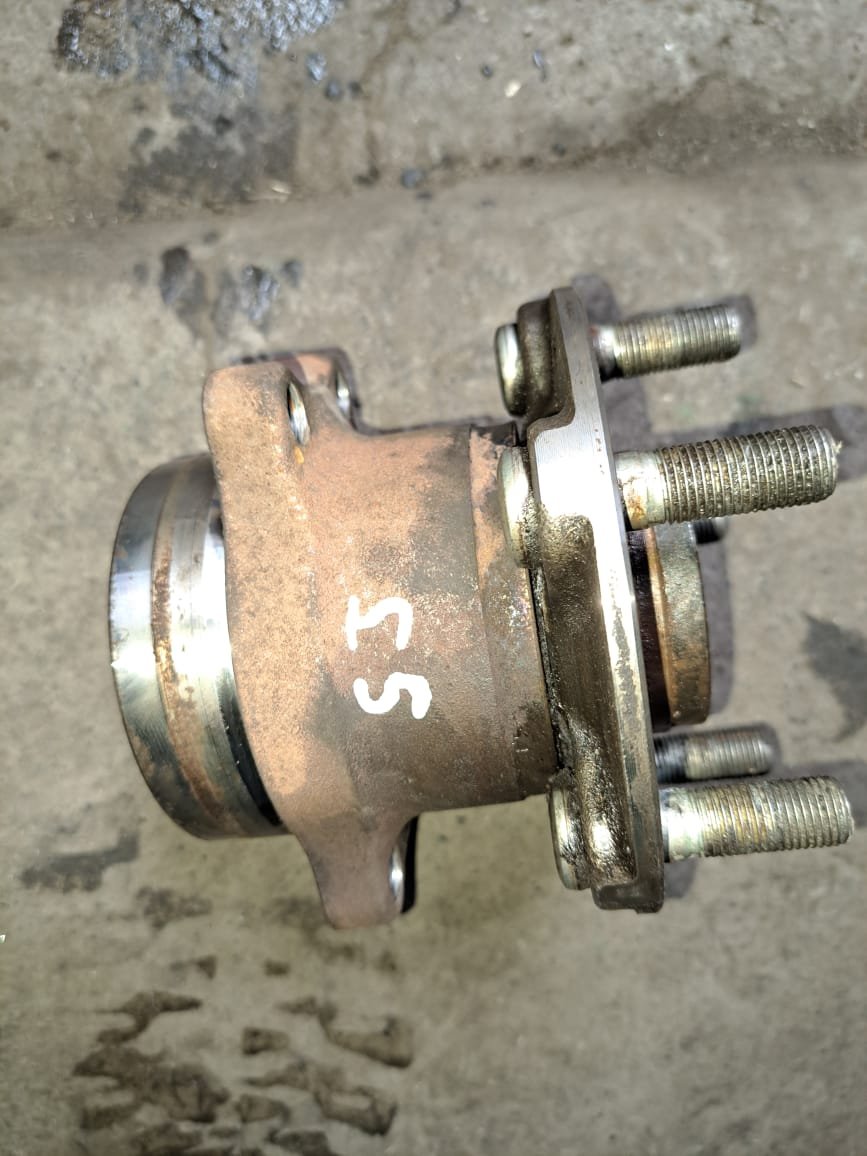
Every mechanical part has a lifespan. A used “scrap” alternator or water pump might look clean on the outside, but it has already endured thousands of heat cycles. Metal fatigue is invisible to the naked eye. When you buy a used part, you aren’t just buying the component; you are buying the remaining 10% of its life.
The Storage Nightmare
Scrap parts often sit in damp, dusty yards for months before they reach a customer. During this time, rubber seals dry out, internal bearings begin to corrode, and electrical contacts oxidize. By the time you install that “Ex-Japan” starter motor, its internal components may already be on the verge of seizing.
2. Why New Aftermarket is the “Smart Middle Ground”
Many drivers believe their only options are “Exorbitant Dealer Parts” or “Cheap Scrap Parts.” There is a third, better option: High-Quality Brand-New Aftermarket Parts.
Precision Engineering
Modern aftermarket manufacturers—like the ones we stock at Taleon—use the same Computer-Aided Design (CAD) files as the original manufacturers. Companies like KYB (for shocks) or Asimco (for brakes) aren’t just making “copies”; they are engineering improved versions of the original part.
Solving “Factory Flaws”
Sometimes, the original part that came with your car had a design flaw. Since aftermarket companies come into the market later, they often “over-engineer” their parts to fix the mistakes the original manufacturer made. A brand-new aftermarket radiator often features better cooling fins and stronger plastic tanks than a 10-year-old “genuine” scrap radiator.
3. The Safety Factor: Brakes, Steering, and Suspension
There are certain areas of your car where “used” should never be an option. These are your safety-critical systems.
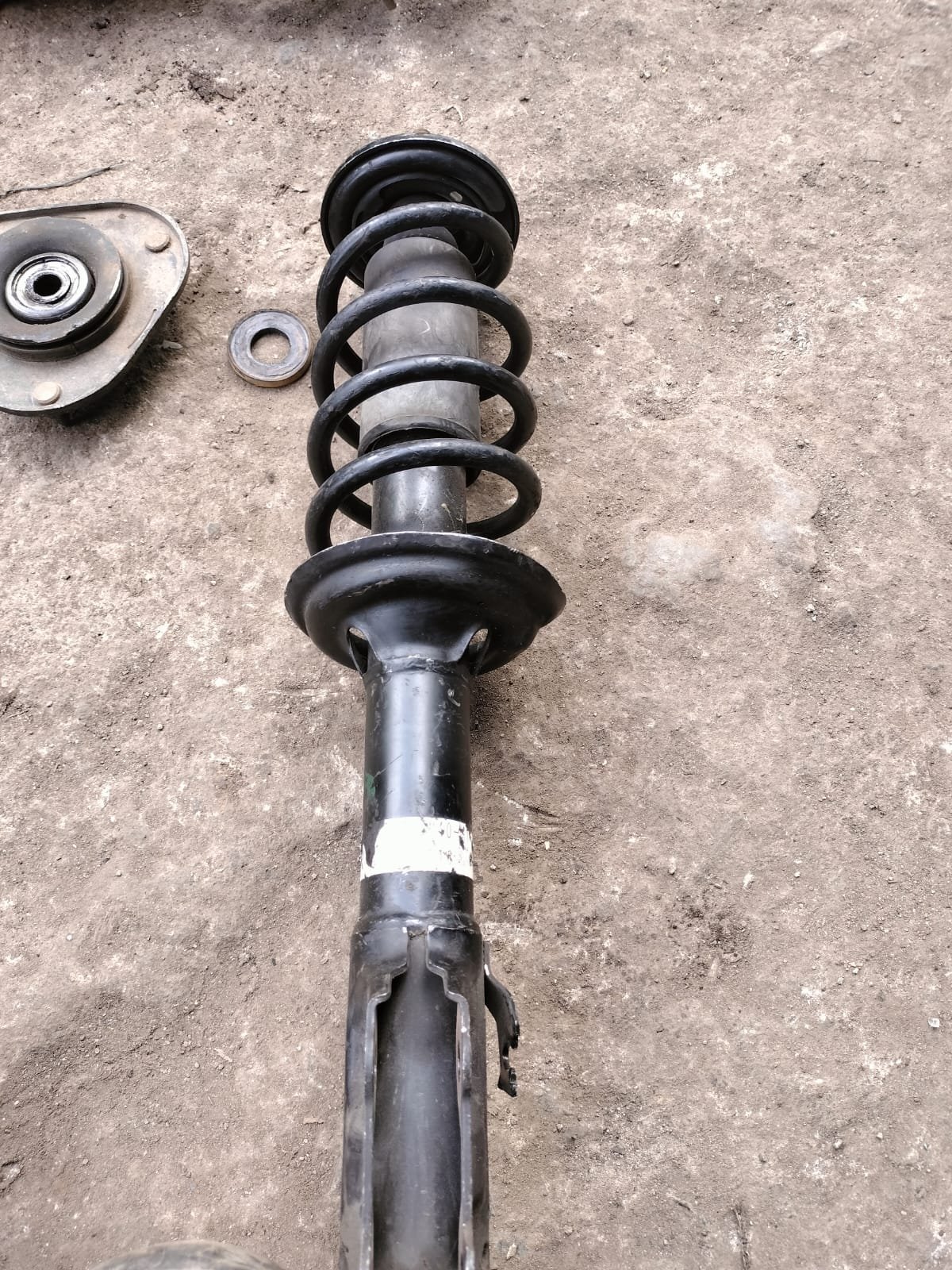
Suspension (Shock Absorbers and Bushings)
Installing used shock absorbers is like wearing someone else’s old running shoes. The internal valves and hydraulic fluid in a used shock have already lost their dampening ability.
- The Risk: Poor braking distances and “nose-diving” during emergency stops.
- The Taleon Solution: Brand new aftermarket shocks (like our high-performance kits) provide 100% dampening force from day one, ensuring your tires stay glued to the road.
Braking Systems
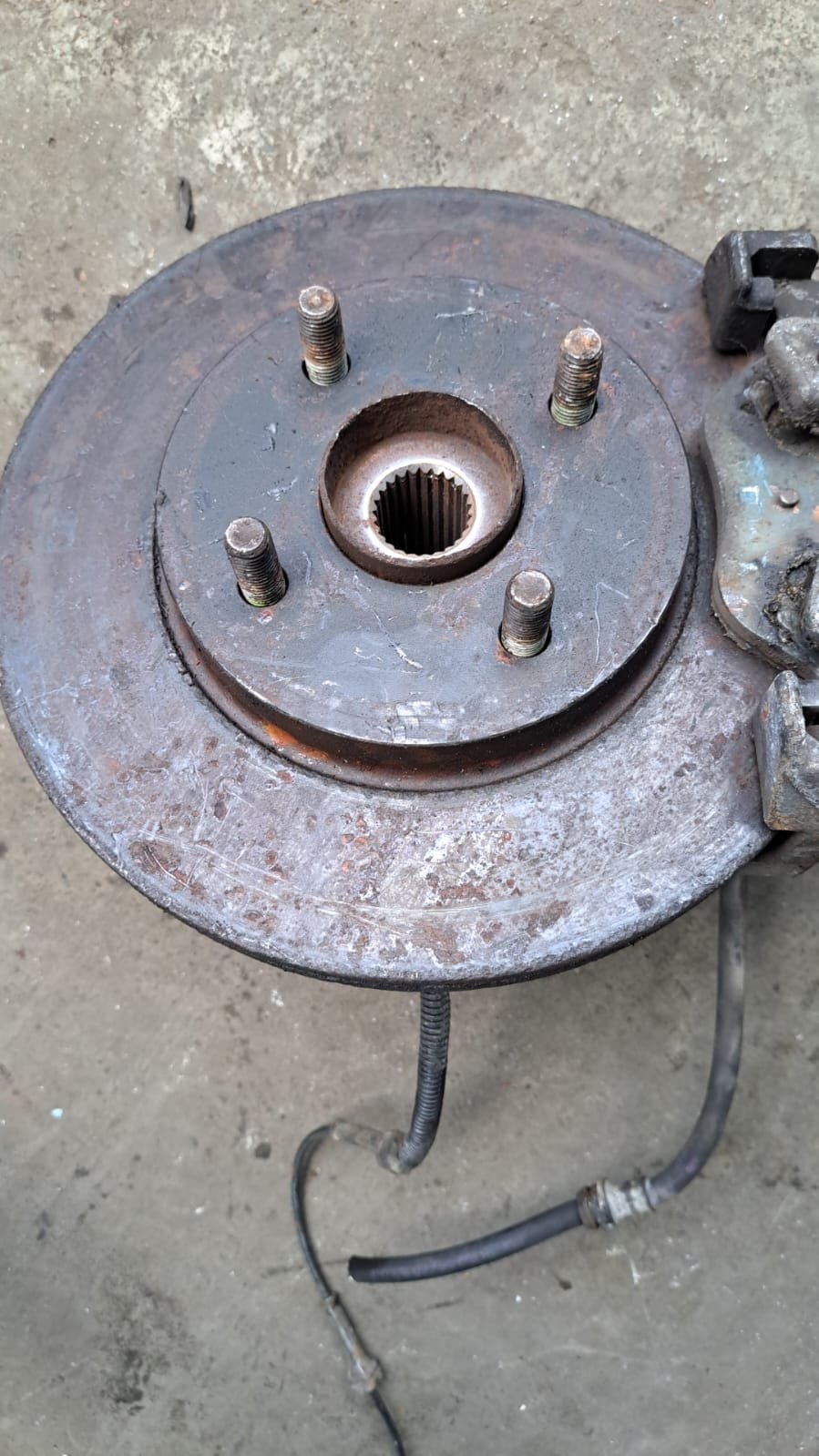
Counterfeiters aren’t the only threat to your brakes; used pads and rotors are equally dangerous. Scrap rotors are often warped or thin. If they are “skimmed” to look new, they become too thin to dissipate heat, leading to brake fade—a terrifying situation where your brakes stop working entirely during a long descent (like the Limuru escarpment).
4. The Economic Trap of “Second-Hand”
Let’s look at the math that scrap dealers don’t want you to see.
| Cost Element | Scrap (Used) Part | New Aftermarket (Taleon) |
| Purchase Price | Ksh 4,000 | Ksh 7,500 |
| Mechanic Labor | Ksh 2,000 | Ksh 2,000 |
| Lifespan | 6 Months (Avg) | 3 – 5 Years |
| Total 3-Year Cost | Ksh 36,000 (6 replacements) | Ksh 9,500 (1 installation) |
When you buy new, you pay for labor once. When you buy scrap, you enter a cycle of “buying and fixing” that costs you thousands in labor and “down-time” (the time your car is in the garage and not making you money).
5. Warranties: The Ultimate Peace of Mind
When you buy a part from a scrap yard, the “warranty” usually ends the moment you drive out of the gate. If the part fails two days later, the seller will often blame your mechanic or your driving style.
At Taleon Autospares, our brand-new aftermarket parts come with:
- Manufacturer Warranties: Protection against factory defects.
- Technical Support: Our team helps you verify fitment before you buy.
- Traceability: You know exactly where the part came from and who made it.
6. How to Transition to New Aftermarket Parts
If you’ve been a “scrap part” buyer your whole life, making the switch can feel expensive. Here is how to start:
- Prioritize Service Items: Always buy new filters, spark plugs, and belts.
- Safety First: Never buy used brakes or suspension parts.
- Consult Experts: Talk to the team at Taleon. We can often find you a brand-new aftermarket part that is only slightly more expensive than a used one but lasts ten times longer.
Conclusion: Value Over Price
Your car is an investment, a tool for your business, and a protector of your family. Feeding it “scrap” parts is like giving an athlete junk food—it might keep them moving for a day, but eventually, the system will fail.
Choose reliability. Choose longevity. Choose Integrity.
Visit Taleon Autospares Kenya today and explore our range of brand-new, high-performance aftermarket components that outperform the scrap heaps every single time.
Get the Parts Your Car Deserves:
- WhatsApp us for a Quote: 0705 280 326
- Visit our Shop: Kirinyaga Road, Nairobi
- Browse our Catalog: taleonspareskenya.co.ke
Add a review
Your email address will not be published. Required fields are marked *