

Description
Daihatsu Miras are ultra-lightweight. Because of this, the shock absorbers have very specific valving to ensure the car doesn’t feel “bouncy.”
-
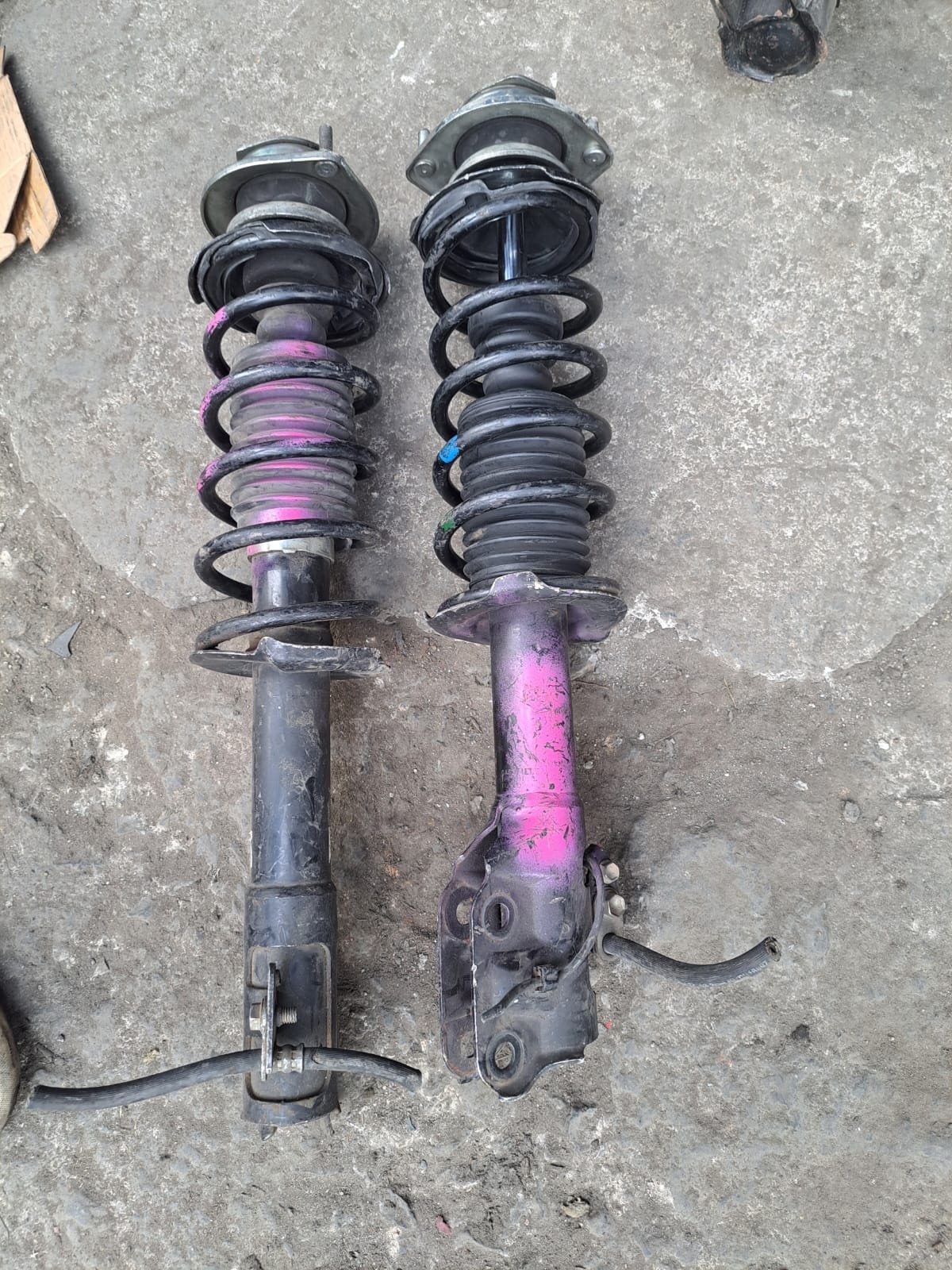
Factory Precision: At Ksh 4,000, buying an Ex-Japan original unit (usually manufactured by KYB or Tokico) is superior to buying cheap new “no-name” brands. The original Japanese units are tuned specifically for the Mira’s light curb weight.
-
Complete Assembly: In many cases, an Ex-Japan front unit includes the coil spring and top mount. This is a massive win because it replaces three parts at once and saves you the labor cost of using a spring compressor.
2. Front vs. Rear Dynamics
-
The Front Strut: The front of the Mira carries the engine and handles the steering. A worn front shock causes “nose-diving” when you brake. The unit restores the original ride height, which is critical for clearing those high Kenyan speed bumps.
-
The Rear Shock: Rear shocks on the Mira are simpler and smaller. If you are paying 4,000/-, ensure you are getting a very clean pair or a high-end brand-new aftermarket unit (like KYB Excel-G).
-
Gas Pressure: These shocks are nitrogen-charged. At this price, the seller should demonstrate that the rod extends on its own after being compressed.
-
Dry Seals: There should be zero oil “sweating” under the rubber dust boot.
-
Silent Bushings: The rubber mountings at the bottom should be firm and crack-free, preventing that annoying “clunking” sound on rough roads.
4. Signs Your Mira Needs New Shocks
-
Highway Sway: The car feels like it wants to change lanes by itself when a large bus or truck passes you.
-
Headlight Dance: At night, your headlight beams bounce up and down excessively on uneven tarmac.
-
Uneven Tire Wear: You notice “scalloped” or wavy wear on the edges of your tires.
There are no reviews yet.