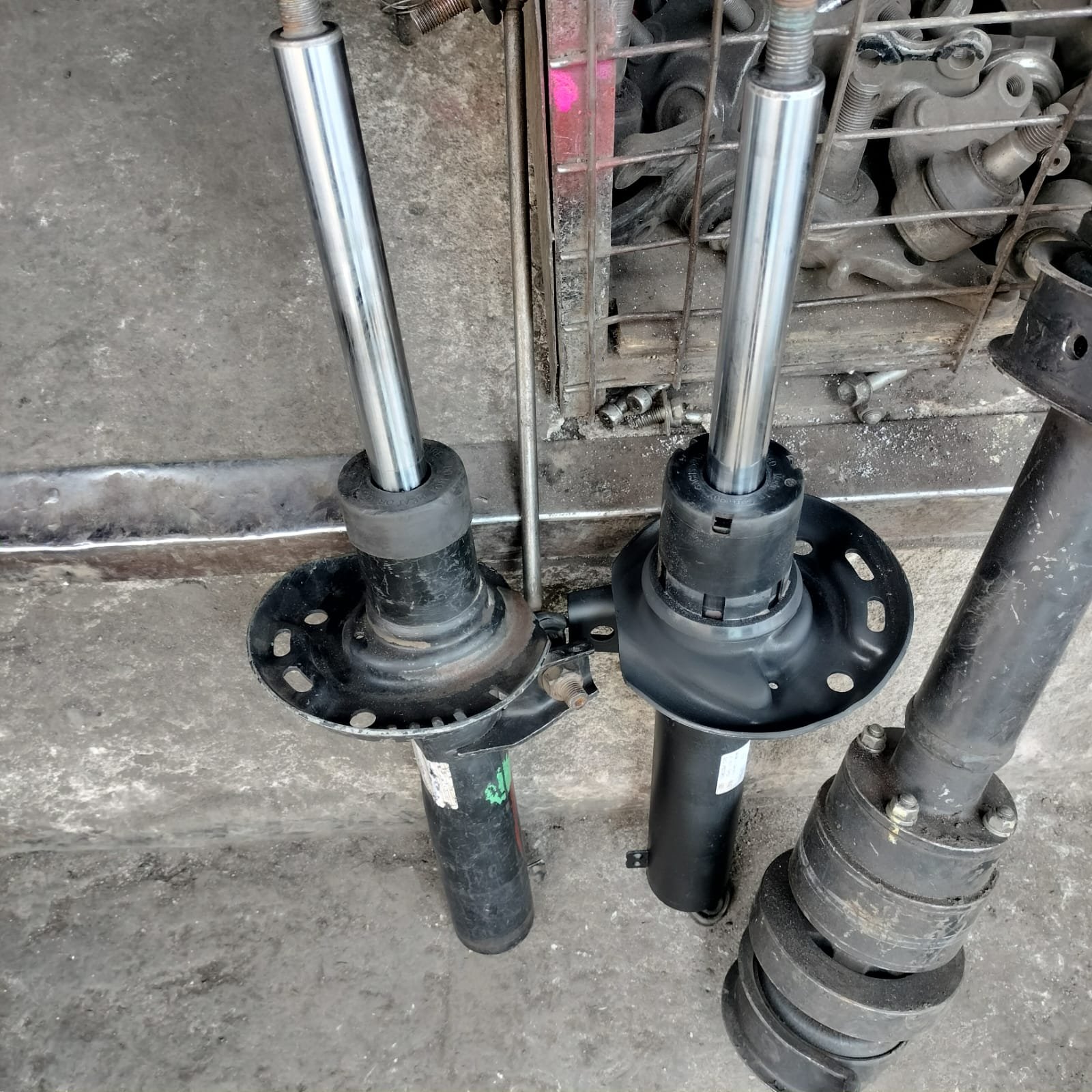
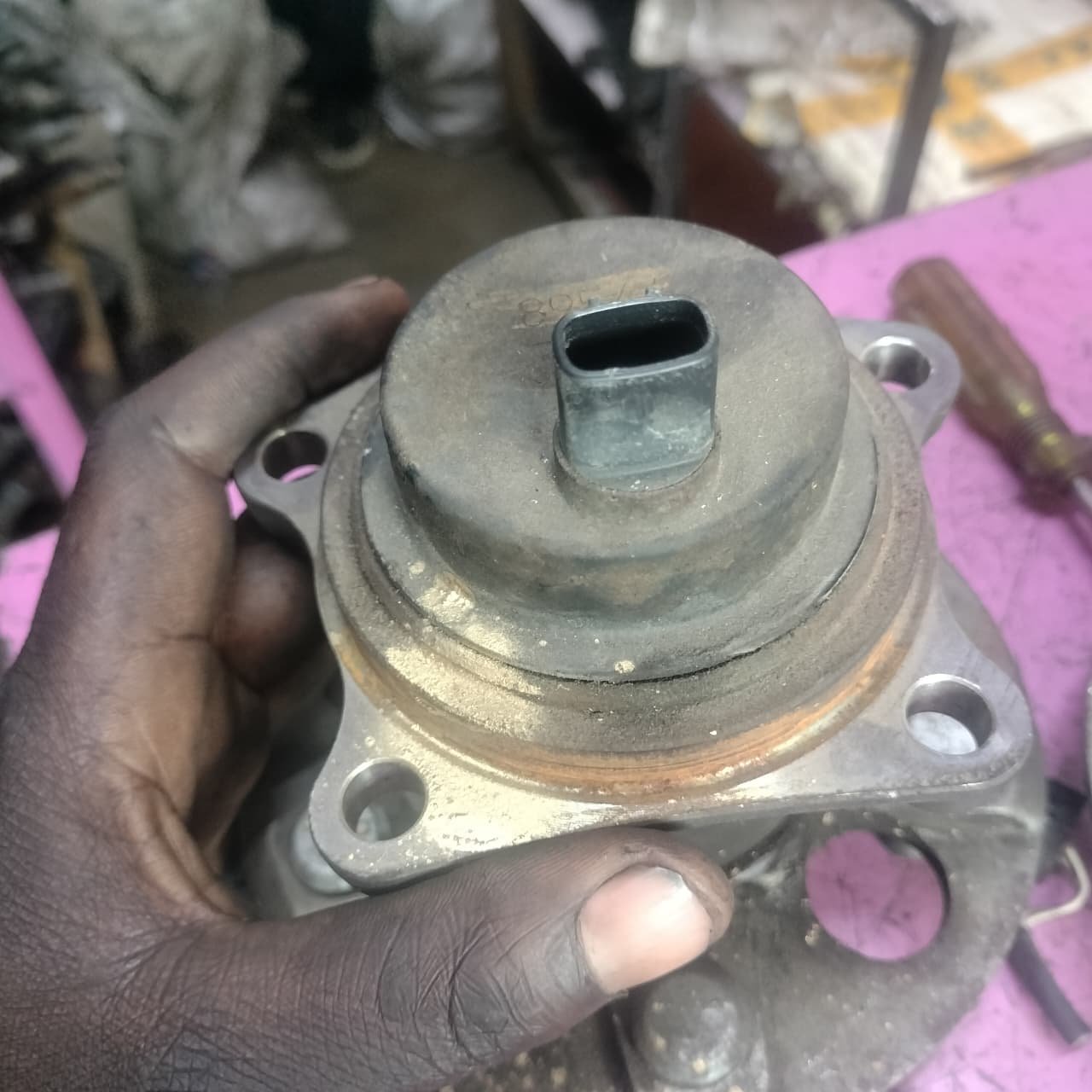
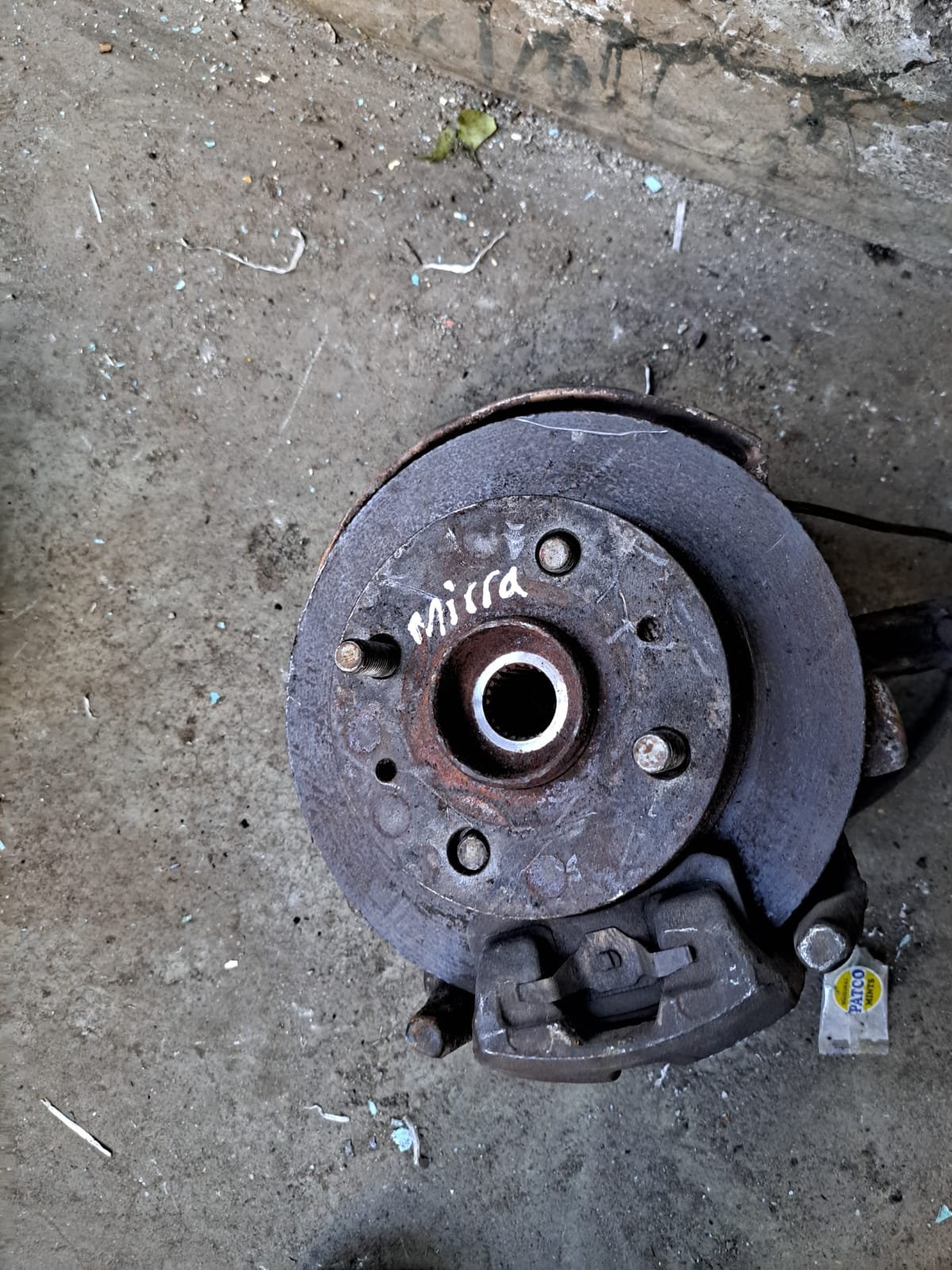
In Kenya, the Toyota brand is more than just a car manufacturer; it is the backbone of our transport system. From the rugged Hilux navigating the tea zones of Kericho to the Probox and Vitz weaving through Nairobi’s downtown, Toyotas are prized for one thing: Reliability. However, that reliability is only as strong as the parts inside the machine. As the most popular car brand in the country, Toyota is also the most targeted by counterfeiters. Today, the Kenyan market is flooded with “look-alike” parts that mimic the red-and-white Toyota packaging but lack the engineering that keeps your engine alive.
At Taleon Autospares Kenya, we believe that an informed driver is a safe driver. In this guide, we break down the five physical markers you must check before paying for any Toyota spare part.
1. The Packaging: More Than Just a Red Box
Counterfeiters have mastered the art of printing red boxes, but they rarely get the “DNA” of the packaging right. Toyota’s packaging for 2025 has specific security features that are expensive to replicate.
The Print Quality
Genuine Toyota boxes use high-definition printing. If you look closely at a counterfeit box, you will often see “pixelation” or blurry edges around the logo.
- The “Toyota” Font: Toyota uses a specific, proprietary font. Counterfeits often have slight variations—the “o” might be too round, or the “y” might have a different tail.
- Spelling Errors: It sounds simple, but many fakes in the Kenyan market still feature typos like “Toyata” or “Genunine” in the fine print on the back of the box.
Smart Packaging & Eco-Symbols
In 2025, Toyota updated its global packaging to include eco-friendly symbols and “Smart Ink.”
- Temperature Sensitive Ink: Some genuine labels now feature a small area where the color changes slightly when rubbed with a finger (due to heat).
- The Label Texture: Genuine labels are semi-glossy and difficult to peel off in one piece. Counterfeit labels are often just paper stickers that feel “cheap” and peel off easily, leaving a messy residue.
2. The Hologram: The Angle of Truth
Most genuine Toyota parts sold in East Africa come with a security hologram sticker. This is the most difficult feature for counterfeiters to fake convincingly.
How to Test It:
- The Color Shift: Tilt the box under a light. A genuine hologram will transition smoothly between colors (usually green, gold, and red) and reveal the Toyota logo and the word “GENUINE” at different angles.
- The Depth: Genuine holograms have a 3D “depth” to them. Counterfeit holograms are usually “flat” stickers that look like shiny foil but don’t show different images when tilted.
- Alignment: Toyota’s machines apply these stickers with robotic precision. If the hologram is crooked, off-center, or looks like it was placed by hand, it’s a red flag.
3. The 17-Digit QR Code & Serial Numbers
Technology is now the best weapon against fakes. Every genuine Toyota part produced in recent years carries a unique identification number.
The Scanning Process
In 2025, most genuine parts feature a QR code that connects to Toyota’s global verification database.
- Unique Codes: A common trick among counterfeiters is to print the same QR code on 1,000 different boxes. If you are in a shop with multiple units of the same part (e.g., spark plugs), scan two different boxes. If they show the exact same serial number, they are fakes.
- The 10-Digit Part Number: Every part has a 10-digit number (e.g., 90915-YZZD2 for an oil filter). Cross-reference this number on the Taleon Autospares website or the official Toyota parts catalog. If the number on the box is for a brake pad but the box contains a fuel filter, you’ve spotted a fake.
4. The Physical Build: Weight, Finish, and Markings
Once you open the box, the part itself tells the real story. Toyota parts are engineered to a 0.5mm tolerance. Counterfeits are made in backyard foundries.
Laser Etching
Genuine Toyota metal parts (like oil filters, water pumps, or brake discs) are usually laser-etched with the Toyota logo and the part number.
- The Depth: The etching should be clean and precise.
- Fakes: Counterfeiters often use “stamping” or “ink printing” on the part because laser etching equipment is expensive. If the logo on the metal looks “inked on” and can be rubbed off with petrol or thinners, it is not genuine.
The Weight Test
Counterfeiters save money by using “pot metal” or lighter alloys.
- Example: A genuine Toyota Hilux brake disc is significantly heavier than a counterfeit because it contains high-density carbon-iron for heat dissipation.
- The Feel: If the part feels “hollow” or suspiciously light compared to the old one you just removed from your car, do not install it.
5. The “Smell and Touch” of Rubber and Plastic
Many Toyota spares involve rubber—bushings, fan belts, and hoses. This is where fakes fail the fastest in the Kenyan climate.
Rubber Quality
- The Scent: Genuine Toyota rubber has a very mild, neutral smell. Counterfeit rubber often smells strongly of “recycled tires” or harsh chemicals/kerosene.
- Flexibility: Genuine bushings are firm but have a specific “bounce.” Fake bushings are either as hard as plastic (which will crack and cause knocking sounds) or too soft (which will fail within weeks of driving on a potholed road).
Plastic Moldings
Look at the “seams” of plastic parts like air filter housings or sensors.
- Genuine: Smooth seams with no “flashing” (excess plastic bits hanging off).
- Fake: Visible mold lines, rough edges, and inconsistent coloring.
Why “Cheap” is Expensive: The Taleon Perspective
As Dickson Kuria, our founder, always says: “A fake part is a debt you will pay with interest.” Buying a counterfeit Toyota oil filter might save you Ksh 800 today. But if that filter collapses internally—which fakes often do—it blocks the oil flow to your engine. Within minutes, your engine can “seize,” turning a Ksh 800 saving into a Ksh 250,000 engine overhaul bill.
The Taleon Guarantee
At Taleon Autospares Kenya, we eliminate the “guesswork.”
- Direct Sourcing: We bypass “middlemen” who might mix fakes with genuine stock.
- Warranty: Every genuine Toyota part we sell comes with a verified warranty.
- Transparency: We encourage our customers to inspect the parts using the markers listed above before they leave our counter.
Summary Checklist for Your Next Visit to Taleon
- [ ] Box: Is the printing crisp? No typos?
- [ ] Hologram: Does it shift colors and show “Genuine” when tilted?
- [ ] Part Number: Does the 10-digit code match the part inside?
- [ ] Logo: Is the Toyota logo laser-etched into the metal?
- [ ] Weight: Does the part feel solid and heavy?
Don’t let a counterfeit part put your family at risk. Whether you are doing a routine service on your Toyota Fielder or a major overhaul on your Land Cruiser, trust the experts who prioritize your safety.
Visit Us Today: Taleon Autospares Kenya 📍 Kirinyaga Road, Nairobi 📞 0705 280 326 / 0700 595 933 🌐 taleonspareskenya.co.ke