
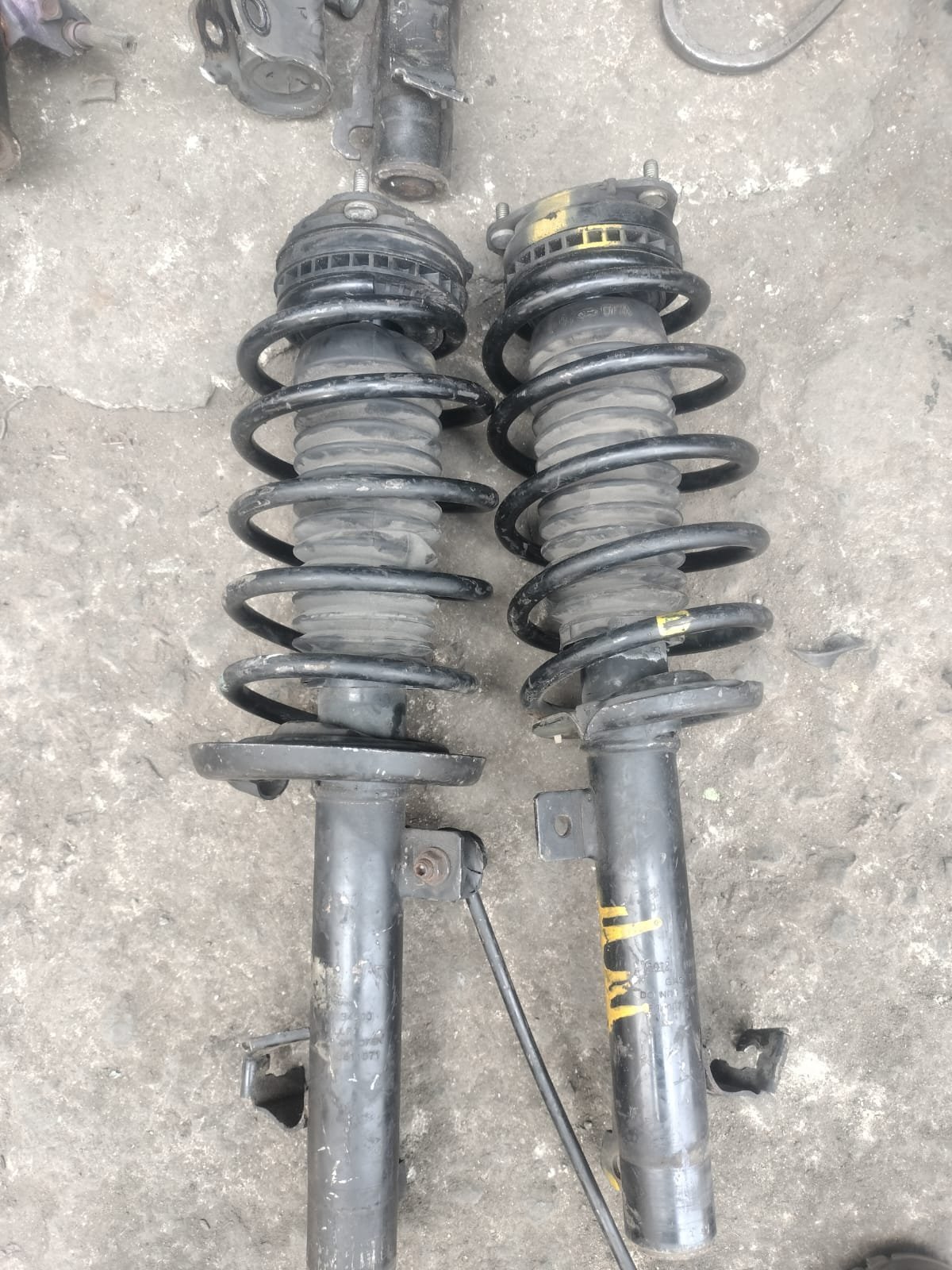

Description
The “Ex-Japan” Quality Standard
Choosing an Ex-Japan shock absorber for your Mazda Verisa means you are prioritizing the vehicle’s original engineering. These parts are typically removed from vehicles in Japan that have been maintained on high-quality roads and under strict inspection laws (Shaken). At 4,000 KES, you are acquiring a part that was originally manufactured to meet Mazda’s rigorous durability and safety standards—specs that are often superior to budget “generic” new parts found in the local market.
Mechanical Compatibility
The Mazda Verisa is built on the Mazda D-platform, making its suspension components highly versatile.
-
Chassis Fitment: Guaranteed fit for the DC5W (Front-Wheel Drive) and DC5R (e-4WD) models produced between 2004 and 2015.
-
Design: These shocks utilize a twin-tube hydraulic or gas-charged system (depending on the specific year of the donor car) that is optimized for the Verisa’s weight and subcompact-luxury suspension tuning.
-
Price Context: In 2026, 4,000 KES is the standard price for a rear shock absorber. If you are looking for a complete front strut assembly (which includes the coil spring and mounting), the price may increase toward 6,500–8,000 KES.
Performance & Safety Benefits
-
Vibration Isolation: Unlike many stiff aftermarket shocks, the original Ex-Japan units are tuned to filter out micro-vibrations, preserving the quiet, refined interior atmosphere for which the Verisa is known.
-
Braking and Handling: Worn shocks can increase your stopping distance by up to 20%. These original replacements restore the “nose-dive” control during braking and prevent body roll during sharp cornering.
-
Alignment Retention: Because the dimensions are exact OEM specs, these shocks help maintain your wheel alignment, preventing premature tire wear and saving you money on rubber in the long run.
Buyer’s Inspection Checklist
When purchasing these for 4,000 KES, ensure your mechanic checks for:
-
Piston Smoothness: The rod should move in and out without “dead spots” or grinding sounds.
-
Dry Seals: There should be no signs of fresh oil (sweating) around the top seal.
-
Bushings: The rubber eyelet at the bottom should be firm and free of deep cracks.
There are no reviews yet.