
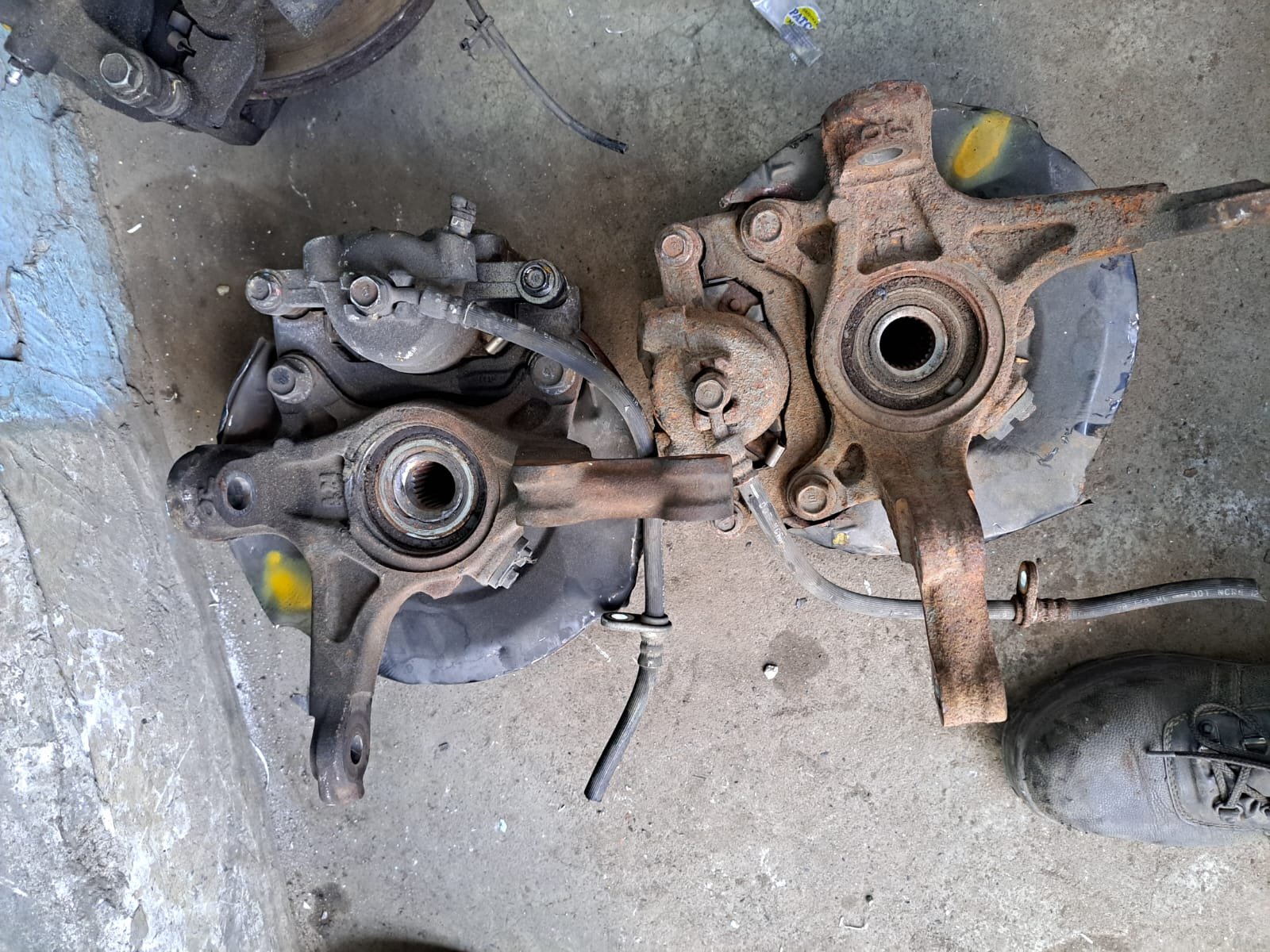

Description
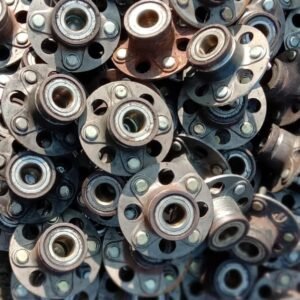
In modern Passo models (like the KGC30 or M700A), the rear hub is a “Generation 3” unit. This means the bearing is not a separate piece you press in; it is factory-sealed inside the metal hub housing.
-
Maintenance-Free: These are packed with high-temperature lithium grease at the factory and sealed with multi-lip rubber gaskets to keep out water and dust. You never need to “grease” them.
-
Structural Role: The hub doesn’t just hold the wheel; it’s a load-bearing component that supports the entire rear weight of the car and passengers.
2. Magnetic ABS Encoding (The “Active” Sensor)
One of the most critical parts of a 4,000/- bearing is the ABS tone ring.
-
Unlike older cars with “teeth” on the axle, the Passo uses a magnetic strip built directly into the bearing seal.
-
Signal Precision: The ABS sensor sits millimeters away from this magnet to track wheel speed. If you buy a very cheap, non-branded bearing, the magnet is often weak or misaligned, which immediately triggers the ABS and Brake warning lights on your dashboard, even if the bearing is physically “fine.”
3. Metallurgy and Heat Management
Despite the Passo being a small car, the wheel bearings face intense heat during braking—especially in city traffic like Nairobi’s.
-
High-Carbon Chrome Steel: Quality bearings (like NSK, NTN, or Koyo) use specialized steel that undergoes induction hardening. This prevents “spalling”—a process where the metal surface starts to flake off, creating that classic grinding or humming noise.
-
Race Precision: The internal “raceways” (the tracks the balls roll in) are polished to a mirror finish to reduce rolling resistance. This is a subtle reason why a good bearing helps maintain the Passo’s excellent fuel economy (km/L).
4. Front vs. Rear Installation Mechanics
The “description” changes depending on which end of the car you are fixing:
-
The Front (Press-Fit): The front bearing (e.g., 35x64x37mm) must be pressed into the steering knuckle using a hydraulic press. If your mechanic uses a hammer to “beat” it in, they will create microscopic flat spots on the balls, and the new bearing will start humming within a month.
-
The Rear (Bolt-On): The rear is a 4-bolt assembly. It is much easier to install but more expensive because you are buying the entire metal housing and the wheel studs along with the bearing.
There are no reviews yet.