
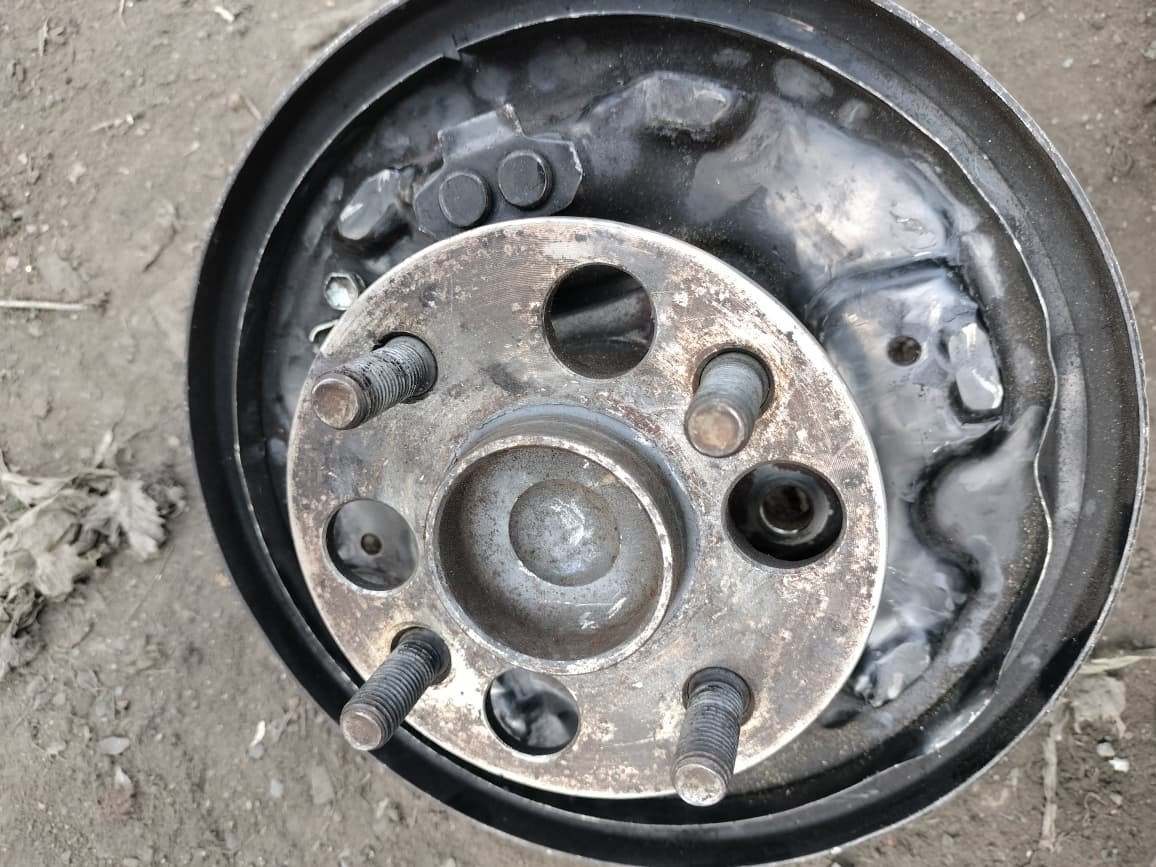

Description
The 2015 Probox moved to a 3rd Generation Hub Unit. This means the wheel bearing is no longer a separate part you can grease or press out—it is an integrated, sealed assembly. Because the Probox is often used for hauling goods, this unit is engineered with high-tensile steel races and specialized “angular ball bearings” that handle vertical loads much better than generic aftermarket replacements.
Why Ex-Japan is Vital for the 2015+ Model
For the post-2014 Probox models, the electronics became much more sensitive.
-
ABS & VSC Support: The 2015 model features an integrated magnetic sensor ring. Cheap aftermarket hubs often have “weak” magnetic signatures that cause the ABS and Traction Control lights to flicker, especially under load. An Ex-Japan original unit uses the factory-spec 42450-52130 sensor, ensuring the car’s computer receives a clean signal.
-
Durability: Proboxes in Kenya are often driven on rougher terrain than in Japan. An OEM Japanese hub is forged to a higher standard than “budget” new parts, meaning it won’t develop the common “droning” or “grinding” noise as quickly when subjected to dust and heat.
-
Sealing: These units feature high-quality rubber seals designed to keep out fine grit and tropical rainwater, preserving the internal factory grease.
Installation & Maintenance
-
Bolt-On Convenience: This is a 4-bolt flange design. It requires no specialized pressing equipment; it’s a simple “unbolt and replace” procedure that keeps labor costs low.
-
Fuel Economy: A worn or “stiff” bearing creates drag. Replacing it with a smooth-rolling Ex-Japan unit helps the car roll more freely, protecting the 1NZ-FE engine’s fuel efficiency.
-
Structural Safety: As a primary support for the rear axle, a genuine hub ensures your wheel stays perfectly vertical, preventing the rapid tire wear (on the inner or outer edge) common with failing hubs.
There are no reviews yet.